



AI Infrastructure Boom Reshapes Cloud Costs | E-Commerce Seller Impact 2025-2028
- AWS GPU deployment surge (2M units by 2028) signals 15-25% cloud service cost increases for AI-powered sellers; power constraints create regional fulfillment bottlenecks affecting Amazon FBA and Shopify Plus merchants








Overview
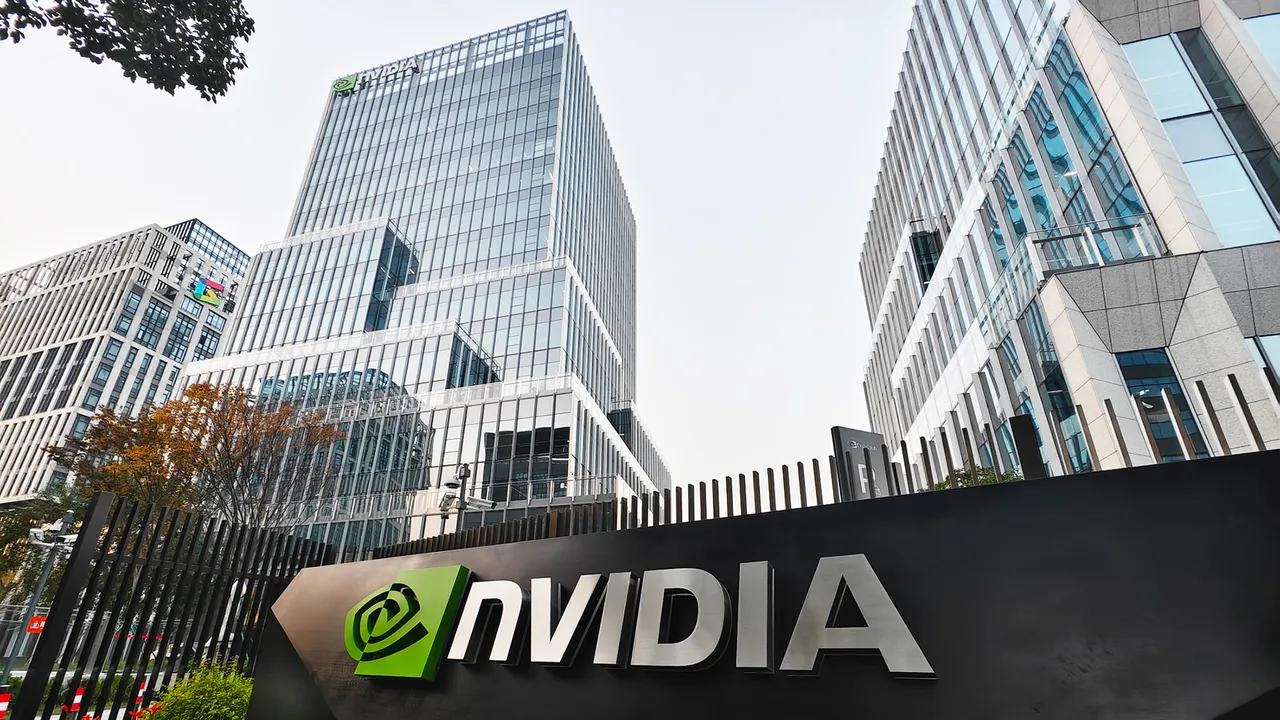
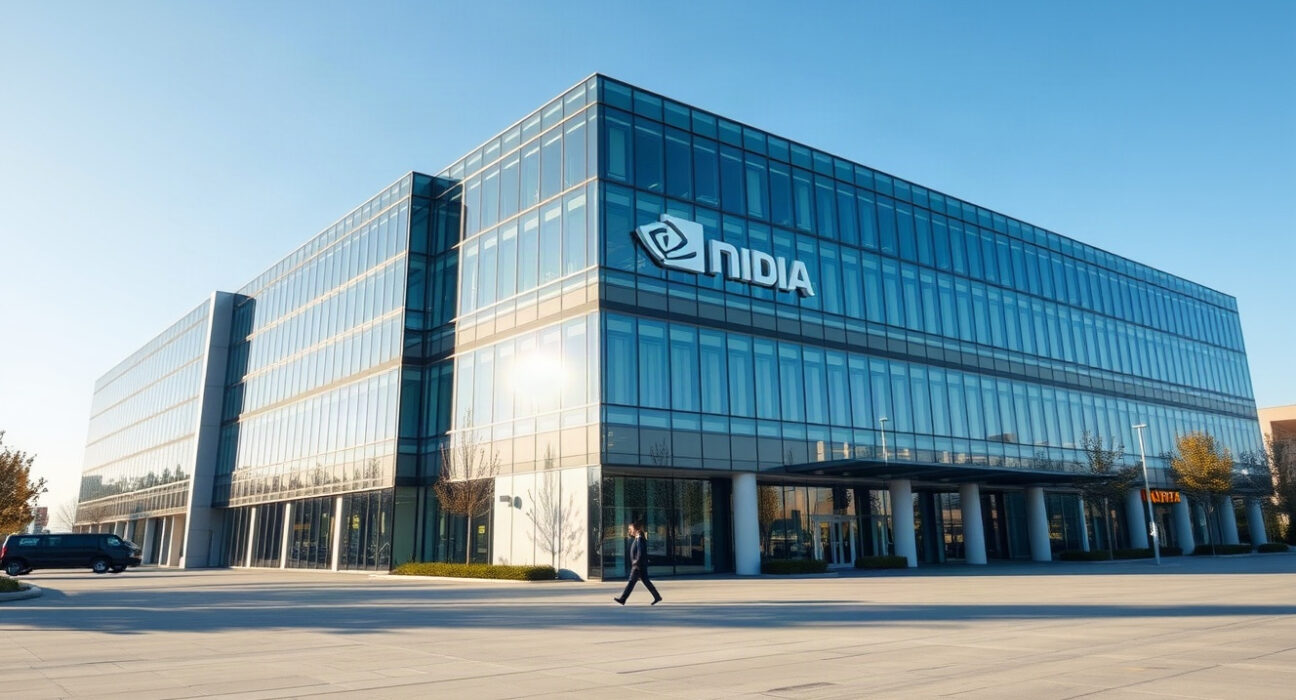
Nvidia's data center revenue surge to $89 billion (117% YoY growth) and AWS's announcement to deploy 2 million additional GPUs by 2027-2028 signals a fundamental shift in cloud infrastructure economics that directly impacts e-commerce sellers relying on AI-powered tools and cloud services. This expansion—doubling AWS's original 1 million GPU deployment plan—reflects explosive demand from AI-native companies and enterprises, but creates a critical constraint: power infrastructure limitations are becoming the binding factor limiting deployment capacity.
For e-commerce sellers, this infrastructure crunch translates into three immediate operational impacts. First, cloud service costs are poised to increase 15-25% over the next 24-36 months as AWS, Google Cloud, and Azure compete for limited power capacity and pass infrastructure costs downstream. Sellers using AI-powered product research tools (like Helium 10, Jungle Scout), dynamic pricing engines, and customer service automation will face higher SaaS subscription costs or reduced service availability during peak demand periods. Second, the geographic concentration of power-constrained data centers creates regional fulfillment risks—Nvidia's $1.5 billion commitment to Ohio's PORTS-Pike campus for OpenAI signals that AI workloads will concentrate in specific utility zones, potentially creating latency issues for sellers using region-specific fulfillment networks. Third, smaller AI-native companies and enterprises competing for capacity alongside hyperscalers (AWS, Google, Meta) will drive up compute costs industry-wide, making AI tools less accessible to mid-market sellers (those with $500K-$5M annual revenue).
The market broadening beyond hyperscalers—with Nvidia's ACIE business generating $40.3 billion (138% YoY growth) from distributed enterprise and sovereign customers—creates a secondary effect: increased competition for cloud resources from non-hyperscaler AI companies. This fragmented demand across multiple utility territories means sellers cannot rely on single-region cloud strategies; they must diversify fulfillment and data processing across multiple AWS availability zones or alternative cloud providers (Google Cloud, Azure) to avoid service disruptions. Nvidia's introduction of Vera CPUs (custom processors for agentic AI workloads) and Oracle's planned deployment of hundreds of thousands of these units beginning 2026 signals a shift toward specialized AI hardware, which will eventually reduce costs for specific AI workloads but creates near-term uncertainty about which cloud providers and tools will remain cost-competitive.
Strategically, sellers should immediately audit their cloud dependencies and AI tool usage to quantify exposure to cost increases. Those relying heavily on AWS for fulfillment, data analytics, or AI-powered customer service should model 20% cost increases into 2025-2026 budgets and evaluate alternative providers or on-premise solutions for non-latency-critical workloads. The power constraint bottleneck creates a 18-24 month window where early adopters of alternative AI platforms (those not dependent on hyperscaler infrastructure) will gain competitive advantages in cost structure and service reliability.
Questions 8
How will AWS's 2 million GPU deployment by 2028 affect my Amazon FBA costs?
AWS's GPU expansion signals increased cloud infrastructure demand, which typically translates to 15-25% cost increases for compute-intensive services over 24-36 months. Amazon FBA sellers using AI-powered tools for inventory forecasting, dynamic pricing, or customer service automation will face higher SaaS subscription costs as cloud providers pass infrastructure expenses downstream. Sellers should expect FBA fulfillment costs to remain stable, but associated cloud services (analytics, AI tools) to increase 10-20% by 2026. Monitor your AWS bill for compute charges and consider consolidating AI tool usage to reduce redundant cloud dependencies.
Should I switch from AWS to Google Cloud or Azure due to infrastructure constraints?
Not immediately, but you should evaluate alternatives for non-latency-critical workloads. AWS maintains the largest AI infrastructure footprint and will likely manage capacity constraints better than competitors through 2026. However, Google Cloud and Azure offer cost advantages for specific AI workloads (Google for machine learning, Azure for enterprise integration). A hybrid strategy—keeping latency-critical fulfillment on AWS while shifting data analytics and AI model training to Google Cloud or Azure—can reduce costs 15-20% without sacrificing performance. Test this approach with non-critical workloads first (customer service chatbots, product recommendation engines) before migrating core fulfillment systems.