




Trump Tariff Refunds Create $100B+ Compliance Opportunity | Seller Transparency Strategy
- February 2026 Supreme Court ruling invalidates tariffs; $100B+ refund portal opens; sellers face customer refund litigation risk or brand loyalty gains








Overview
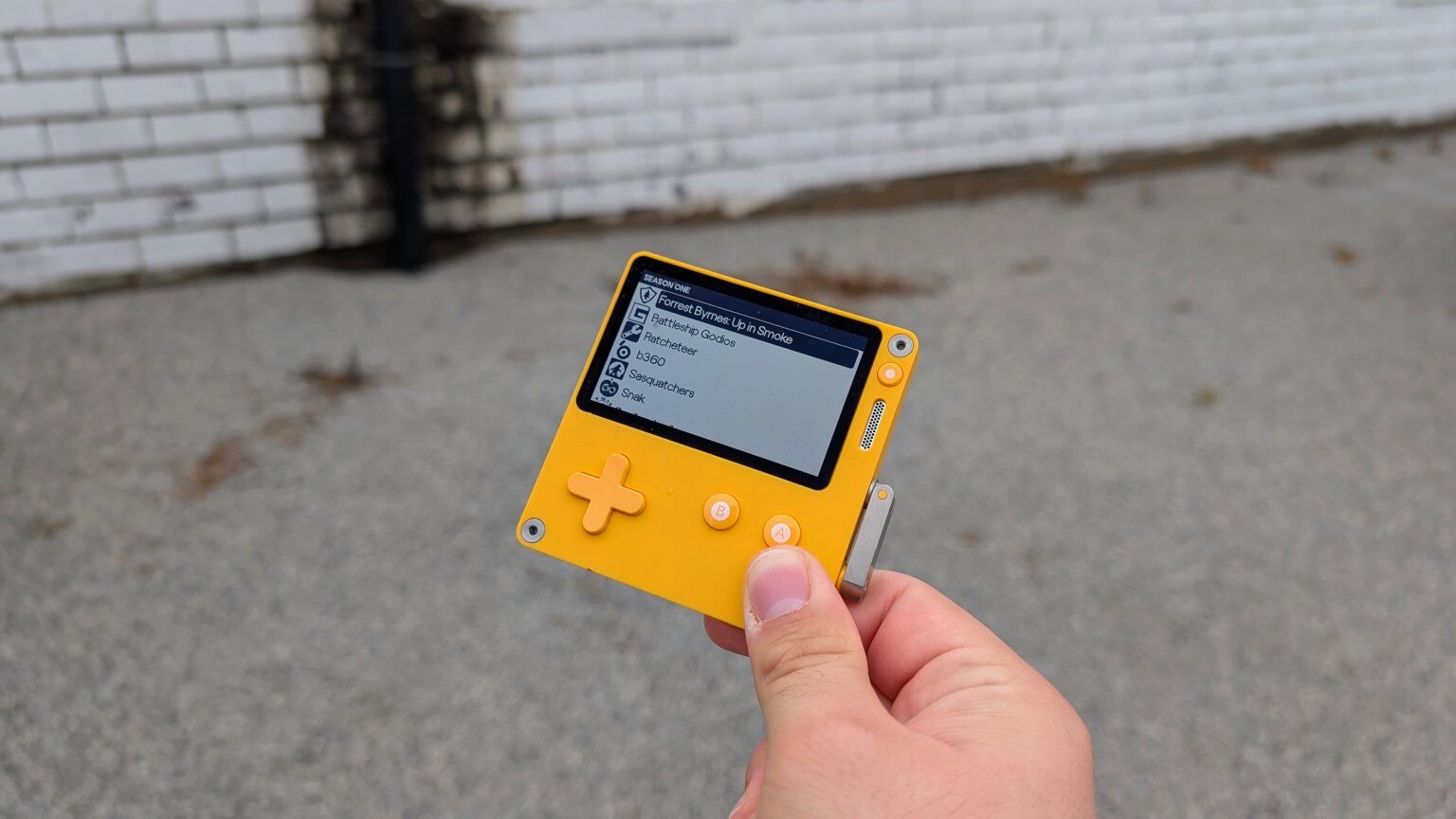
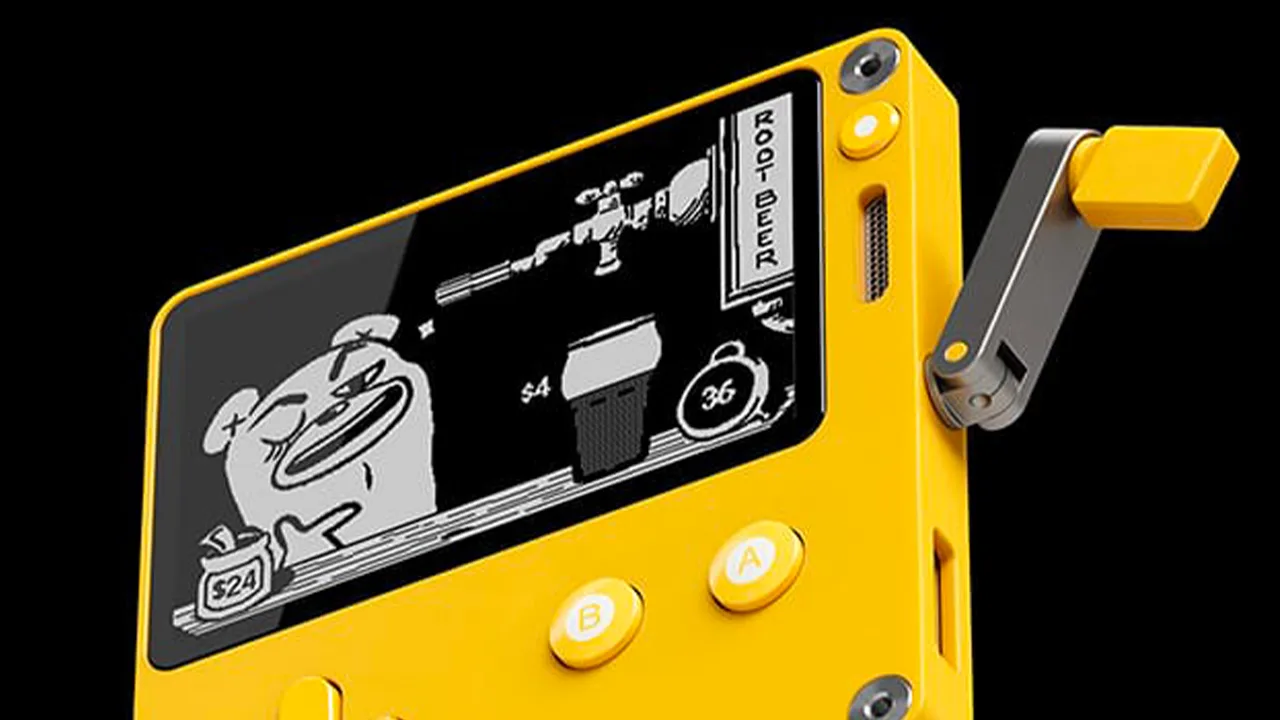
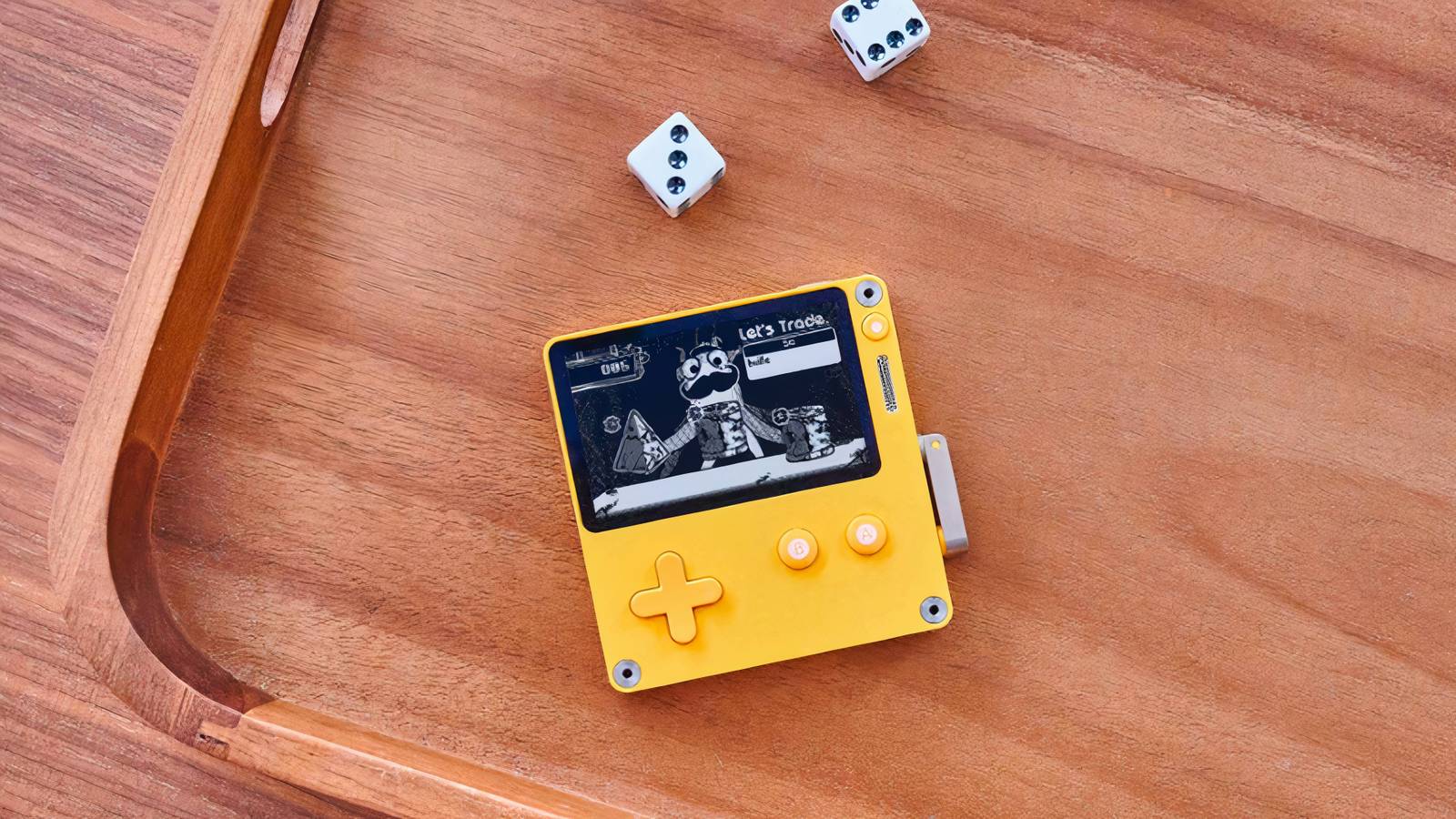
The February 2026 Supreme Court ruling declaring Trump's tariffs unconstitutional has triggered a $100+ billion government refund portal, creating a critical compliance and brand strategy inflection point for e-commerce sellers. The ruling invalidated tariffs that had been passed to consumers as explicit line items (averaging 19% on imported goods), forcing companies to choose between retaining government refunds or returning funds to customers. Panic, the Playdate handheld gaming device maker, issued nearly $100,000 in refunds to 100,000 customers ($10-20 per customer), while Nintendo retained a $300 million government refund and now faces class-action litigation alongside 100+ other companies including Microsoft and Sony. Amazon received $600 million in refunds but will only refund where specific customer tariff payments can be documented, while major retailers (Target, Home Depot, Walmart) received billions but retained refunds. Shipping companies (UPS, FedEx) represent the exception, voluntarily refunding customers.
For cross-border e-commerce sellers, this creates three distinct strategic pathways. Small sellers (under $5M annual revenue) face immediate pressure to implement transparent tariff refund systems—Panic's experience shows this requires significant backend infrastructure investment (5-step federal portal compliance, payment processing systems, customer communication platforms). Medium sellers ($5-50M) must audit which products carried tariff surcharges and calculate exposure to class-action litigation; Nintendo's $300M refund indicates large-scale liability risk. Large sellers (Amazon, Walmart scale) can leverage documentation gaps to limit refund scope, but face reputational damage and regulatory scrutiny. The federal refund portal, operational since February 2026, requires sellers to file claims within specific windows and maintain detailed tariff payment records—missing deadlines forfeits refunds entirely.
The competitive advantage accrues to sellers who implement transparent tariff disclosure and proactive refund strategies. Panic's approach—clearly labeled tariff line items at checkout, dedicated customer communication (help.play.date), and immediate refund processing—generated positive brand sentiment and differentiation from Nintendo's opacity. For sellers on Amazon, eBay, and Shopify, this translates to: (1) audit all product listings for tariff-inclusive pricing from February 2025-February 2026; (2) implement line-item tariff disclosure in checkout flows; (3) establish refund processing systems before litigation accelerates; (4) document all tariff payments for federal portal claims. The operational complexity is substantial—Panic noted tariff rate fluctuations required continuous pricing updates—but the alternative is class-action exposure. Sellers shipping electronics, home goods, and consumer products face highest exposure, as these categories carried 15-25% tariff rates under Trump administration policy.
Questions 8
What was the Supreme Court ruling on Trump tariffs and when does the refund deadline apply?
In February 2026, the Supreme Court ruled that President Trump's tariffs violated the International Emergency Economic Powers Act, deeming them an unlawful use of emergency powers. The federal government established a refund portal through which over $100 billion in tariffs have been returned to businesses. Sellers must file claims through this portal within specific windows—missing deadlines forfeits refunds entirely. The ruling applies retroactively to all tariffs collected from February 2025 onward, affecting any seller who passed tariff costs to customers during this period.
How do I calculate tariff refund exposure for my product categories?
Audit all orders from February 2025 to February 2026 and identify which products carried tariff surcharges. Electronics, home goods, and consumer products typically faced 15-25% tariff rates under Trump policy. For each affected order, calculate the tariff amount (usually 19% as shown in Panic's case) and multiply by order volume. Panic issued nearly $100,000 in refunds to 100,000 customers ($10-20 per customer), suggesting average tariff charges of $1-2 per unit. Use this benchmark to estimate your exposure: (number of affected orders) × (average tariff charge) = total refund liability. Document this calculation for federal portal claims and potential litigation defense.