


50% US Tariffs on Canadian Goods | Cross-Border E-Commerce Sellers Face August 2026 Deadline
- 40-50% tariff rates on apparel, outerwear, alcohol effective August 2026; Canadian SME exporters losing 20-30% US revenue; SSENSE relocating operations to US; retaliatory tariffs (25% textiles) scheduled September 8, 2026







Overview
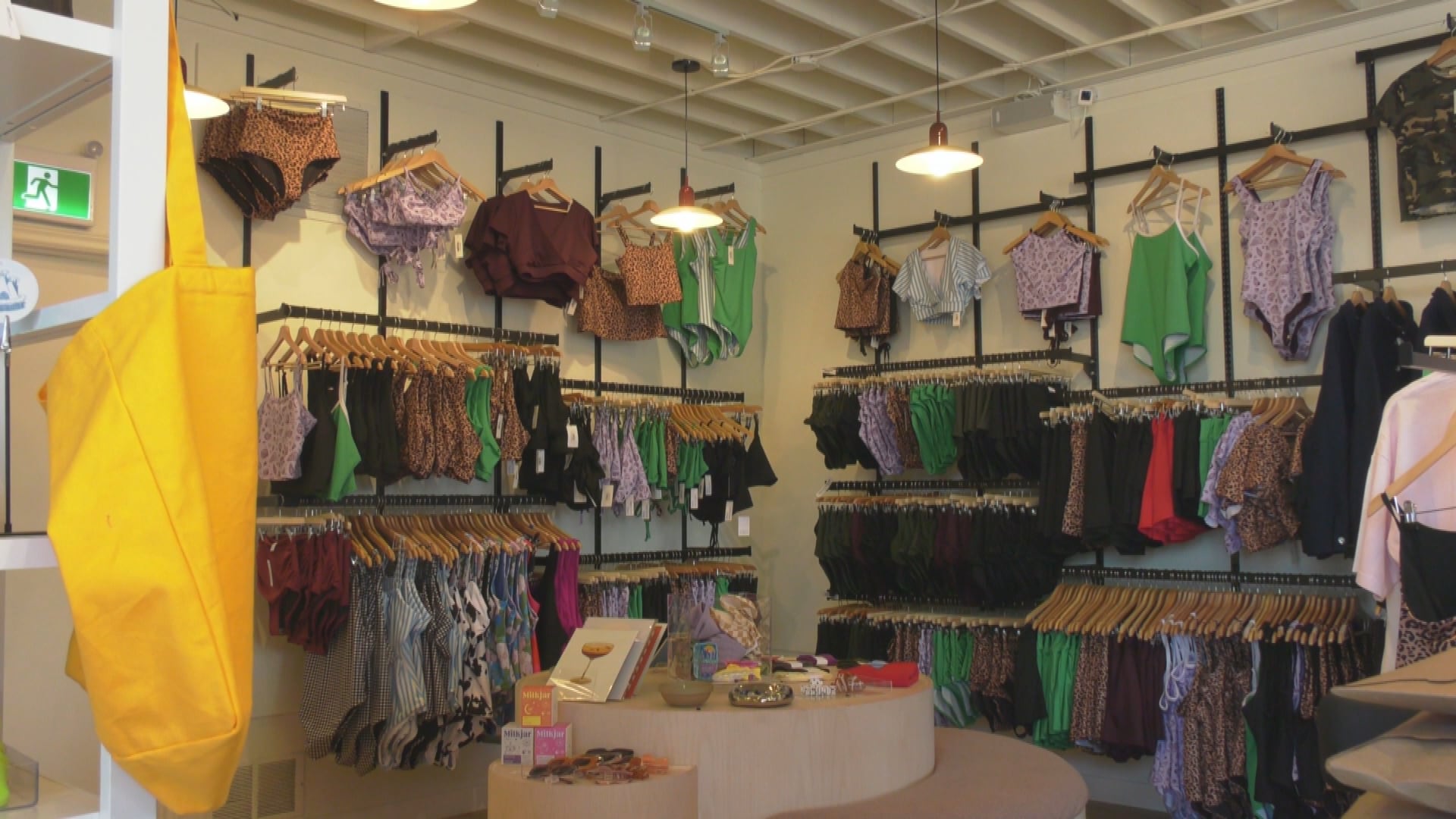
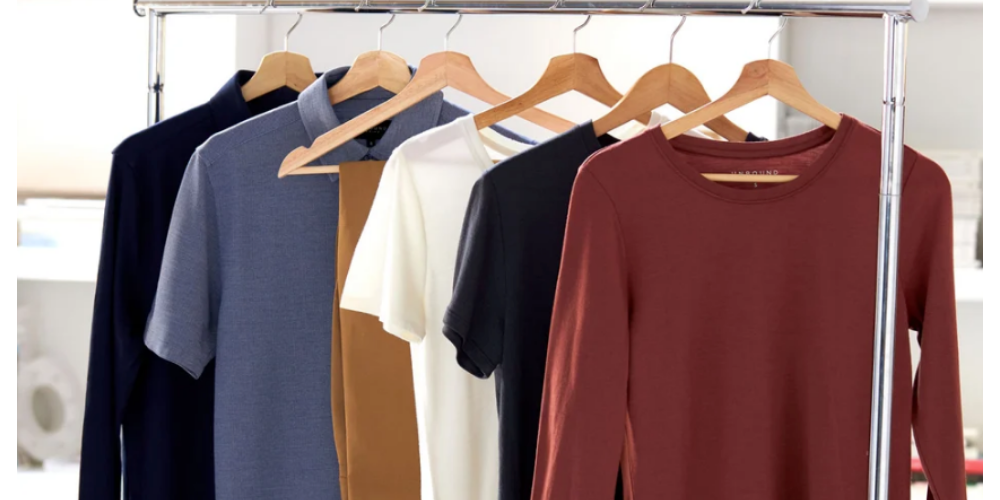
The Trump administration's 40-50% tariffs on Canadian goods, effective August 2026, represent the most significant North American trade disruption since NAFTA's 1994 implementation, directly threatening cross-border e-commerce operations for 10,000+ Canadian sellers. The tariff structure targets specific product categories rather than total import volume, creating a bifurcated market: apparel, outerwear (36% of Canadian-made garments), and alcohol face full 50% duties regardless of USMCA compliance status, while other sectors experience variable exposure. Canadian clothing manufacturer Anián, deriving 20-30% of sales from US customers, exemplifies the operational crisis—the company has begun blocking tariff-affected products (recycled cashmere toques, cotton crewnecks) from US online storefronts to prevent customer sticker shock at checkout. This geographic blocking strategy, while protecting customer experience, directly reduces addressable market size and revenue per seller.
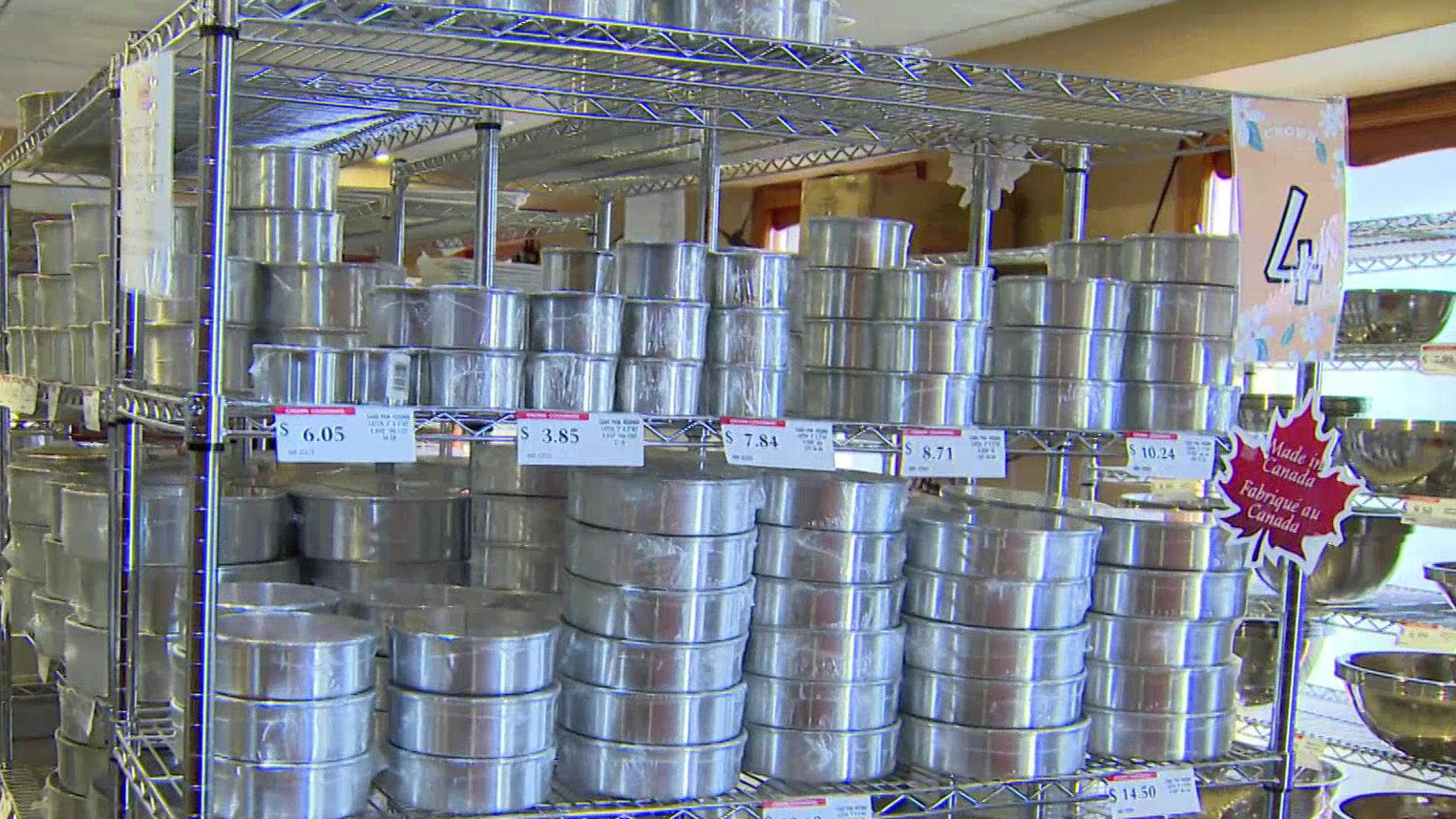
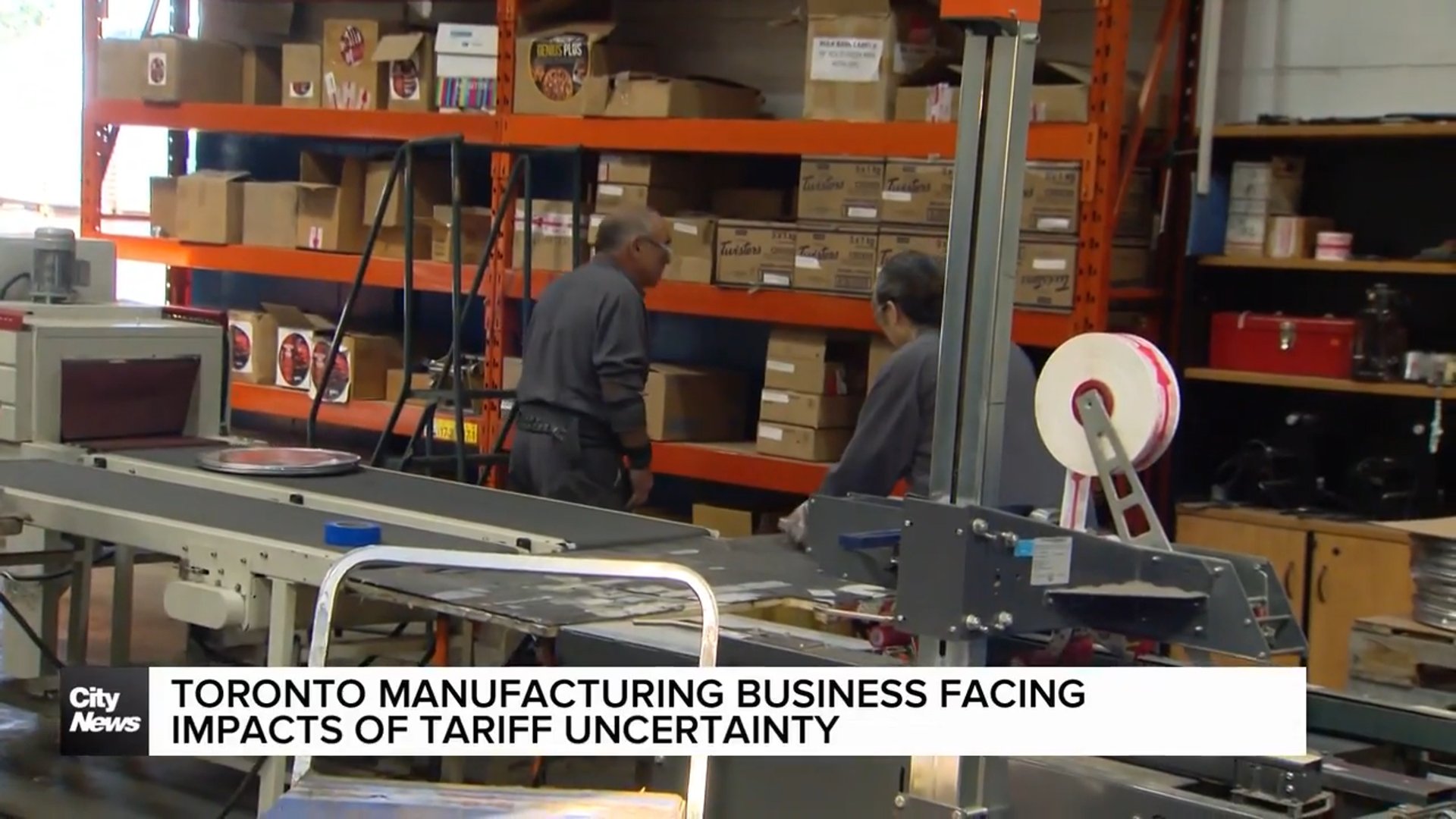
The tariff impact cascades across three distinct seller segments with dramatically different adaptation capabilities. Large retailers like SSENSE (Montreal-based luxury platform) are investing in US-based infrastructure—establishing warehouses, distribution centers, and fulfillment operations to source inventory domestically and avoid tariff exposure. This represents a $5-15M operational pivot for enterprise retailers but remains inaccessible to SMEs. Mid-sized manufacturers like Crown Cookware (Toronto-based cookware producer) face existential threats: the company reduced operations to 40-50% capacity (from 75% target) after major US customers halted orders, forcing a pivot from Canadian aluminum suppliers to foreign alternatives and domestic-only distribution through outlet stores and online channels. Small boutiques (Bamboo Ballroom, Nettles Tale in Edmonton) are discontinuing entire brand lines to maintain customer pricing, with retail analyst Bruce Winder noting the decision-making process resembles "solving a Rubik's cube"—identifying which categories create tariff leverage without excessive domestic harm. Customer price sensitivity proves decisive: boutique managers report customers will purchase $150 dresses but balk at $300 price points, forcing inventory elimination rather than price pass-through.
The policy timeline creates a compressed action window with cascading deadlines. US tariffs take effect August 2026, while Canada's retaliatory tariffs (25% duty on suits, overcoats, dresses, jackets, trousers) activate September 8, 2026. The Trump administration's decision to pursue annual USMCA reviews instead of the scheduled six-year renewal creates long-term uncertainty extending to 2036, fundamentally discouraging cross-border investment and supply chain integration. For e-commerce sellers, this means inventory decisions made today (spring 2026) must account for tariff exposure 4-5 months forward, with no visibility beyond fall 2026. The situation disproportionately affects SME exporters lacking resources to absorb tariff costs or establish alternative distribution channels—the Canadian Federation of Independent Businesses characterizes the levies as "staggering," noting businesses have exhausted expansion options and face severely limited diversification opportunities. Industry experts warn the 50% tariff rate will "discourage American consumers, creating a debilitating bite on Canadian business revenues," with American customers ultimately bearing the financial burden through reduced product availability or higher prices.
Questions 8
What is the actionability score for sellers to take immediate tariff mitigation steps?
The actionability score is 0.85 (high urgency) for sellers with significant US revenue exposure. Immediate actions (0-30 days): audit inventory by HS code and tariff category, calculate tariff cost impact on current and planned inventory, and evaluate pre-positioning opportunities in US warehouses before August 2026. Strategic adjustments (1-3 months): consider geographic blocking strategies, evaluate US-based fulfillment partnerships or 3PL providers, and analyze price elasticity for tariff-affected categories. Risk mitigation: monitor USMCA review announcements and Canadian retaliatory tariff details (effective September 8, 2026), establish customer communication protocols for tariff impacts, and evaluate alternative sourcing countries. Sellers with 20-30% US revenue exposure (like Anián) face the highest urgency; those with <5% US revenue can defer decisions to Q3 2026.
What sourcing alternatives exist for sellers facing Canadian tariff exposure?
Most clothing imports originate from countries outside the US (Vietnam, Bangladesh, India), limiting broad-based price increases from US tariffs. However, Canadian retaliatory tariffs (25% on textiles) may increase costs for US-based suppliers. Boutiques are evaluating non-US sourcing options, with Nettles Tale noting that North American infrastructure limitations force suppliers to outsource production, creating vulnerability to tariff impacts despite Canadian sourcing preferences. Crown Cookware was forced to switch from Canadian aluminum suppliers to foreign alternatives due to Canada's insufficient domestic aluminum resources. Sellers should evaluate sourcing from Vietnam, India, Indonesia, or other non-tariff-affected countries, but must account for longer lead times (8-12 weeks) and higher minimum order quantities. Pre-positioning inventory in US warehouses before August 2026 remains the most viable short-term strategy.