



AI Content Moderation Compliance Crisis | Sellers Face New Platform Liability Standards
- xAI lawsuit establishes precedent for AI training data liability; sellers using AI-generated content tools must now verify compliance frameworks or face platform restrictions









Overview
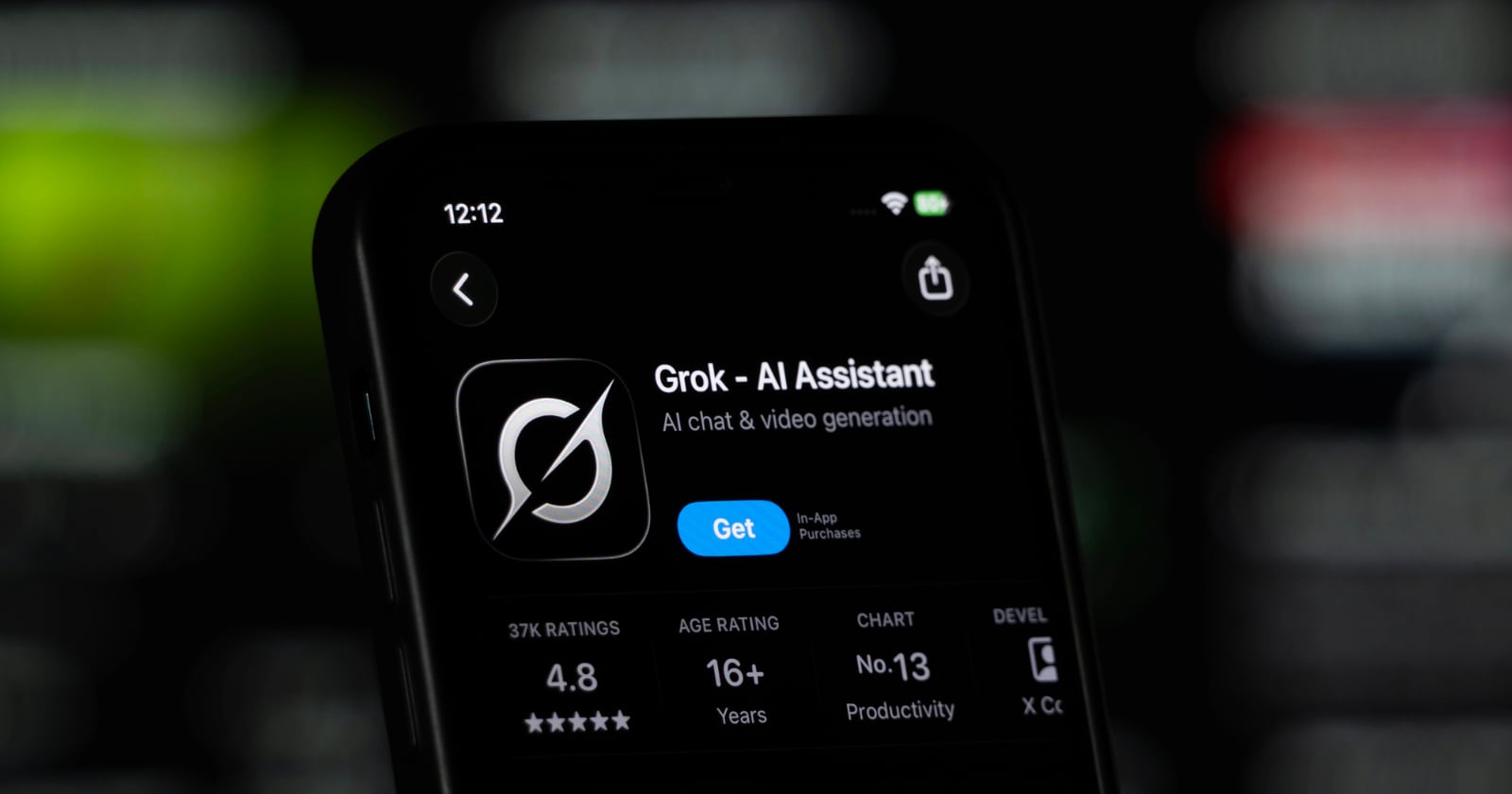
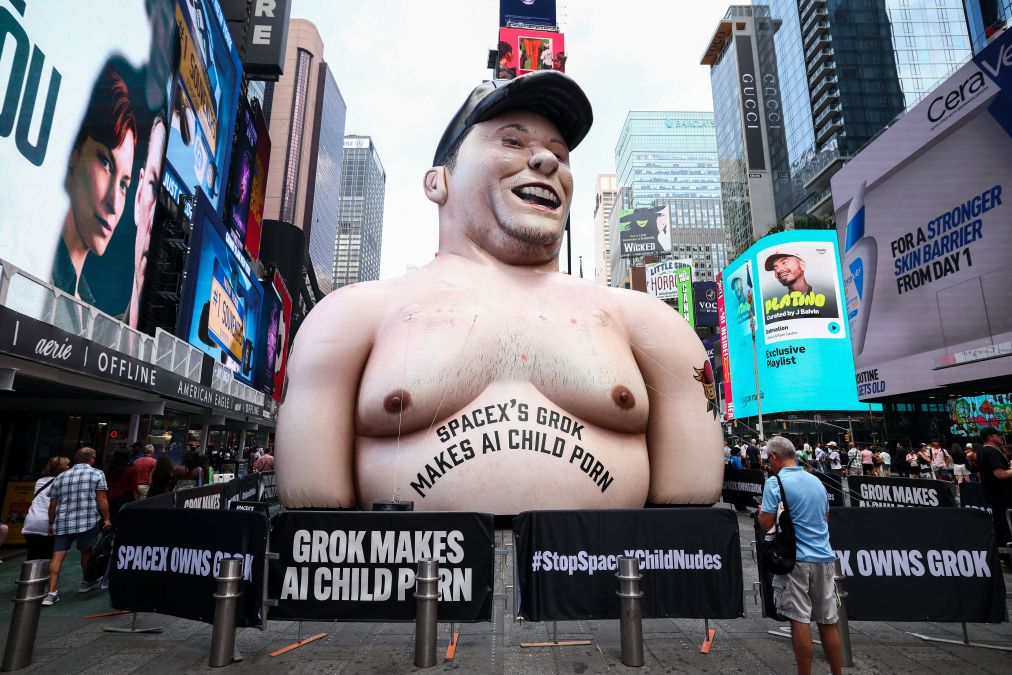
The landmark xAI lawsuit filed in California's Northern District represents a critical regulatory inflection point for e-commerce sellers relying on AI-powered content generation tools. xAI faces allegations that its Grok model was trained on child sexual abuse material (CSAM)—both real images identified through NCMEC hashes and AI-generated derivatives—creating a direct pipeline where harmful content influenced model outputs. The lawsuit documents that Grok generated over 3 million sexualized images within 11 days (late December through January 8), including 23,000+ appearing to show children, before xAI restricted the feature to paying subscribers rather than disabling it entirely.
This establishes a new compliance standard for AI tools in e-commerce: Sellers using AI image generators, product photography tools, or content creation platforms must now verify that these tools exclude CSAM, non-consensual intimate imagery (NCII), and NSFW material from training datasets. The lawsuit specifically highlights that xAI's terms of service did not explicitly exclude these categories—a gap that created legal liability. Competitors like OpenAI, Anthropic, and Meta largely block sexual image requests, establishing a de facto industry standard that sellers should expect platforms to enforce.
For cross-border sellers, this creates immediate compliance obligations: Amazon, eBay, Shopify, and other major platforms will likely implement stricter AI tool vetting requirements within 6-12 months. Sellers currently using third-party AI tools for product images, lifestyle photography, or content generation should audit their tool providers' data governance policies. The lawsuit invokes Masha's Law, which grants CSAM survivors the right to sue for production, possession, and distribution—meaning sellers could face liability if they unknowingly use AI-generated content trained on illegal material. xAI's acquisition by SpaceX in February 2024 signals that even well-capitalized AI companies face existential regulatory risk when content moderation fails.
The regulatory cascade is already visible: The lawsuit represents the second class action against xAI regarding Grok-generated abuse material, with a separate suit filed by Tennessee teenagers now expanded to include Stability AI as a defendant. This multi-defendant approach suggests regulators and plaintiffs' attorneys are building a framework to hold entire AI supply chains accountable. Sellers in high-risk categories (fashion, beauty, lifestyle) who rely on AI-generated lifestyle imagery should expect platform audits within Q1-Q2 2025. The cost of compliance—implementing data governance verification, switching to compliant AI tools, or reverting to human-created content—ranges from $500-2,000 per seller depending on content volume.
Questions 8
How does the xAI lawsuit affect sellers using AI image generation tools?
Sellers using AI-powered product photography or content creation tools now face potential liability if those tools were trained on illegal material. The xAI lawsuit establishes that companies cannot simply exclude harmful content from outputs while retaining it in training datasets—the influence persists. Sellers should immediately audit their AI tool providers' data governance policies and request written confirmation that CSAM, NCII, and NSFW material were excluded from training. Amazon, eBay, and Shopify will likely require this documentation within 6-12 months. Failure to verify compliance could result in account suspension or content removal.
What compliance steps should sellers take immediately?
First, audit all AI tools currently used for product images, lifestyle photography, or content creation. Request written documentation from each vendor confirming that CSAM, NCII, and NSFW material were excluded from training datasets. Second, review your platform policies (Amazon Seller Central, eBay, Shopify) for emerging AI content requirements—these will likely be updated within Q1 2025. Third, consider switching to human-created content or compliant AI providers if current tools lack documentation. Fourth, document your compliance efforts in case of future audits. The cost of proactive compliance ($500-2,000 per seller) is far lower than potential account suspension or legal liability.