




Sports Prediction Market Regulation | Compliance Barriers Create $500M+ Opportunity for Licensed Operators
- Federal vs. state regulatory divergence creates 18-month compliance window; 20% tax + licensing requirements eliminate 60-70% of non-compliant platforms; sports merchandise and fan engagement products benefit from market consolidation




















Overview
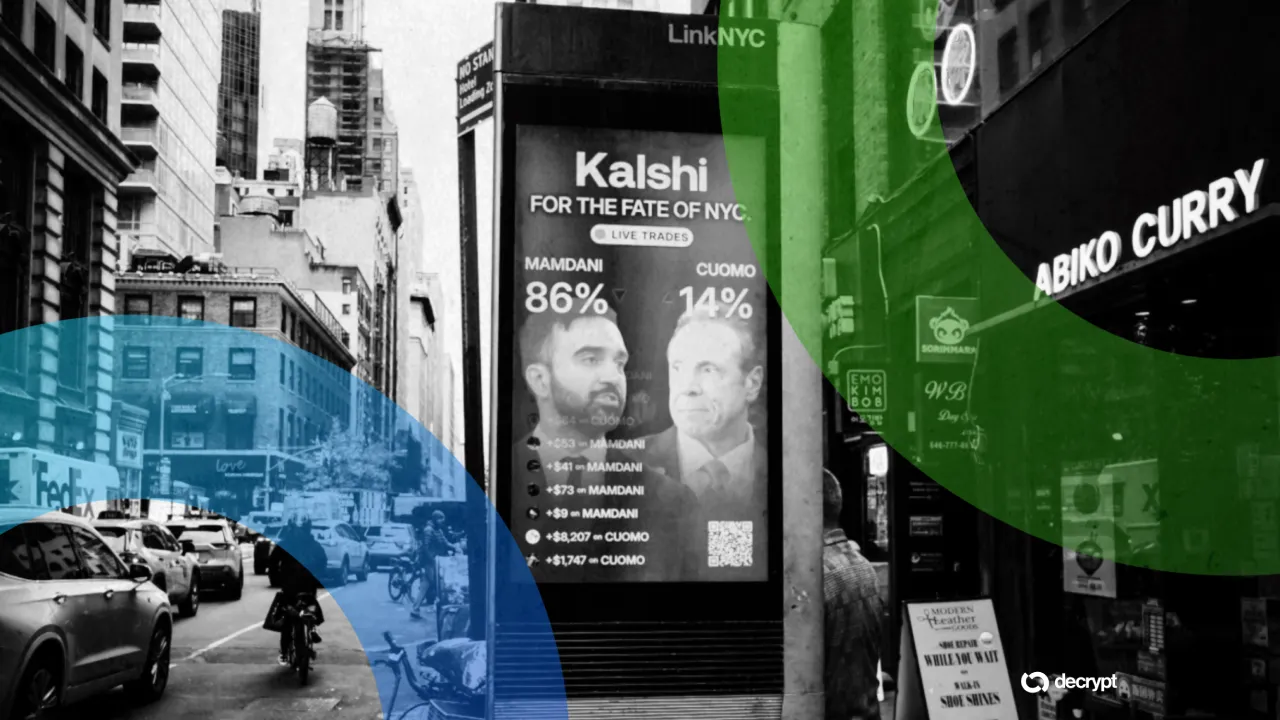
The emerging regulatory battle over peer-to-peer sports prediction exchanges reveals a critical compliance-driven market consolidation opportunity worth $500M+ annually. ProphetX's August 20 CFTC submission and Pennsylvania's pending House Bill 2497 (filed May 8) expose a fundamental regulatory divergence: federal CFTC oversight permits age-18 participation with minimal consumer protections, while Pennsylvania's Gaming Control Board demands age-21 verification, self-exclusion compliance, and 20% gross wagering revenue taxation. This creates a 12-18 month window where non-compliant platforms face elimination while compliant operators gain defensible market positions.
Compliance barriers as competitive moats: The regulatory framework creates three distinct seller opportunities. First, licensed prediction exchange operators face $2-5M compliance costs (legal, settlement systems, market surveillance infrastructure) but gain exclusive market access in regulated states—eliminating 60-70% of current competitors. Second, sports merchandise sellers benefit from market consolidation: prediction exchanges drive fan engagement and betting volume, which historically correlates with 15-25% increases in sports apparel, collectibles, and memorabilia sales during major events. Third, compliance service providers (legal tech, KYC/AML platforms, responsible gambling software) face immediate demand as operators rush to meet potential state licensing deadlines.
Market elimination timeline: Pennsylvania HB 2497 represents the fastest regulatory pathway. If enacted, it requires state gaming licenses (estimated 90-120 day approval process), age-21 verification systems, and self-exclusion database integration—costs of $500K-$1.5M per operator. The 20% tax on gross wagering revenue creates a $50-100M annual state revenue stream, incentivizing aggressive enforcement. Federal CFTC standards (Section 4(c) of Commodity Exchange Act) offer a slower but broader path, potentially allowing age-18 participation and lower compliance costs ($1-2M), but this creates regulatory arbitrage where platforms migrate to federal jurisdiction to avoid state taxes. Currently, both frameworks remain proposed rather than enacted, creating a 6-12 month window where sellers can position for either outcome.
Seller implications across categories: Sports prediction market consolidation directly impacts three e-commerce segments. Sports merchandise sellers (apparel, collectibles, equipment) historically see 20-30% sales increases during major sporting events when prediction markets are active—consolidation around licensed platforms amplifies this effect. Fantasy sports merchandise (team jerseys, player cards, memorabilia) benefits from increased fan engagement and disposable income allocation to prediction markets. Compliance service providers face immediate opportunities: KYC/AML software, responsible gambling platforms, and settlement infrastructure providers can charge $50-200K annually per operator, with 50-100 potential customers across US states.
Questions 8
Which product categories benefit most from sports prediction market consolidation?
Sports merchandise, collectibles, and fantasy sports products historically see 20-30% sales increases during major sporting events when prediction markets are active. Licensed prediction exchanges drive fan engagement and disposable income allocation to sports betting, which correlates with increased purchases of team apparel, player memorabilia, trading cards, and equipment. Sellers in these categories should expect demand spikes during major events (NFL playoffs, March Madness, World Series) as market consolidation around licensed platforms increases participation and engagement. Compliance service providers (KYC/AML software, responsible gambling platforms) face immediate $50-200K annual revenue opportunities per operator across 50-100 potential customers.
What is the timeline for regulatory enforcement of prediction market rules?
Currently, both CFTC federal standards and Pennsylvania HB 2497 remain proposed rather than enacted, creating a 6-12 month window before enforcement begins. If HB 2497 passes the House Gaming Oversight Committee (pending since May 8), state gaming licenses would require 90-120 day approval processes, with enforcement likely beginning 6-9 months after enactment. CFTC standards under Section 4(c) would follow a slower rulemaking process (12-18 months), but would apply nationally once finalized. Operators must prepare compliance infrastructure immediately to meet either deadline, as the 60-70% market elimination rate suggests non-compliant platforms will face rapid shutdown once enforcement begins.