


US Grid Equipment Import Ban Creates $1.1T Procurement Shift | Seller Sourcing Opportunities
- Restricts Chinese solar inverters, transformers, batteries; DOE rules due in 120 days; opens domestic manufacturing contracts worth $220B+ annually for US-based equipment suppliers and component sellers








Overview
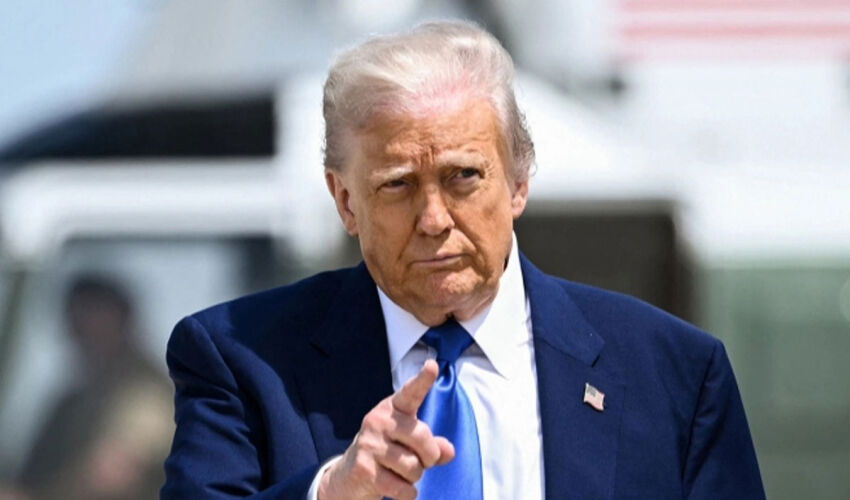
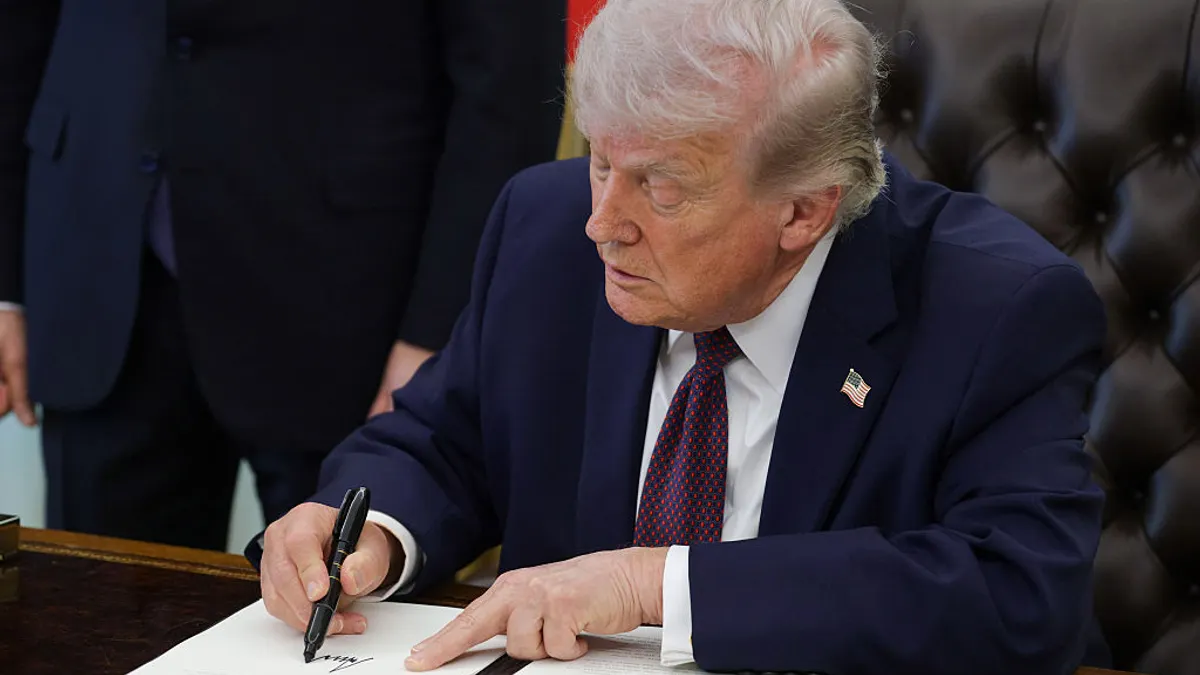
President Trump's August 26, 2026 executive order declaring a national emergency over foreign-made grid equipment represents a seismic shift in US energy procurement policy with direct implications for cross-border sellers and domestic manufacturers. The order restricts purchase and installation of foreign-produced transformers, batteries, inverters, and associated software/digital products in bulk-power systems, with the Department of Energy required to establish formal implementation rules within 120 days. This policy directly targets China, which accounts for 80% or more of global production of lithium-ion battery cells and solar components according to the International Energy Agency.
The immediate market opportunity centers on domestic equipment manufacturing and component sourcing. US utilities are planning to invest $1.1 trillion during 2025-2029 to meet rising electricity demand, and this executive order effectively redirects that capital toward domestic suppliers. The order builds upon 2020 Executive Order 13920 focusing on large power transformers from China, indicating sustained policy commitment. For cross-border sellers, this creates a critical sourcing arbitrage: sellers currently importing Chinese solar inverters, transformers, and battery components face immediate procurement disruption, while sellers positioned to source from US manufacturers, Vietnam, India, or other non-restricted countries gain competitive advantage. The FCC already banned new foreign-made power inverters with remote communication capabilities in July 2024, signaling regulatory momentum.
Compliance complexity creates both risk and opportunity for specialized service providers. Utility companies must compile comprehensive inventory lists of flagged equipment while maintaining grid reliability—a task industry experts describe as operationally burdensome. The National Electric Manufacturers Association highlighted particular concerns about software and digital products, where determining country of origin proves difficult. This ambiguity creates a 120-day window for sellers to clarify sourcing documentation, establish alternative supply chains, and potentially offer compliance consulting services. Energy Secretary Chris Wright has been directed to establish conditions allowing continued operation of affected equipment under specific circumstances, suggesting some legacy inventory may be grandfathered—but sellers must act within the compliance window to document existing equipment before rules formalize.
Strategic sourcing country shifts are already underway. Sellers currently dependent on Chinese solar inverter and battery imports should immediately evaluate Vietnam, India, and domestic US manufacturing alternatives. The $1.1 trillion utility investment creates demand for approximately $220B+ in annual equipment procurement (20% of total capex), representing a massive market reallocation from Chinese to domestic/allied suppliers. Sellers with established relationships in Vietnam's solar component sector or India's transformer manufacturing can capture market share from competitors still dependent on Chinese sources. The 120-day DOE implementation timeline creates urgency: sellers must finalize alternative sourcing arrangements before formal rules eliminate Chinese equipment from procurement eligibility.
Questions 7
What is the timeline for compliance with the new grid equipment restrictions?
The Department of Energy has 120 days from August 26, 2026 to publish formal implementation rules, creating a critical compliance window through late November 2026. Utility companies must compile comprehensive inventory lists of flagged equipment during this period. The order contemplates replacement of already-installed foreign equipment, with the Secretary of Energy authorized to impose conditions on continued use and maintenance. Sellers should finalize alternative sourcing arrangements and document existing equipment origins before formal rules take effect, as the 120-day window represents the last opportunity to clarify legacy inventory status.
How does this policy affect sellers sourcing from China versus Vietnam and India?
Sellers currently importing solar inverters, transformers, and batteries from China face immediate procurement disruption as utilities shift to domestic and allied suppliers. Vietnam and India represent primary alternative sourcing destinations: Vietnam dominates solar component manufacturing with established supply chains, while India has significant transformer manufacturing capacity. The $1.1 trillion utility investment during 2025-2029 creates approximately $220B+ in annual equipment procurement opportunities redirected from Chinese to domestic/allied sources. Sellers with existing Vietnam or India supplier relationships gain competitive advantage, while China-dependent sellers must rapidly establish alternative supply chains or lose market access.