




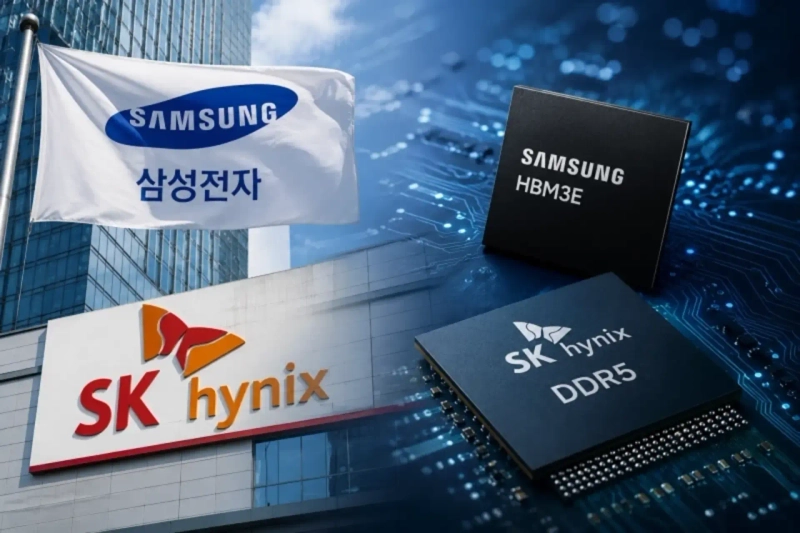
Semiconductor Tariff Crisis Threatens $90B GDP Loss | E-Commerce Supply Chain Impact 2026
- Trump administration considers sweeping chip tariffs affecting gaming consoles, consumer electronics, and data center servers; CCIA estimates $90B annual GDP loss and 20% delay in data center projects through 2030

















Overview
The Trump administration's proposed semiconductor tariffs represent a critical inflection point for cross-border e-commerce sellers, particularly those in consumer electronics, gaming, and AI-adjacent categories. According to Politico reporting on internal administration discussions, the framework would expand tariffs beyond semiconductor chips to downstream products including data center servers, gaming consoles, and consumer electronics—directly impacting the supply chains of Amazon FBA sellers, Shopify merchants, and eBay vendors. The Computer and Communications Industry Association (CCIA) estimates such tariffs could cost the US approximately $90 billion annually in GDP losses and delay or cancel about 20 percent of data center projects planned through 2030.
Tariff Arbitrage Opportunity Window: The proposed phased implementation approach, favored by Commerce Secretary Howard Lutnick and tied to foreign companies' US manufacturing investments, creates a critical 6-12 month window for sellers to optimize sourcing strategies. Sellers currently importing gaming consoles, consumer electronics, and semiconductor-dependent products from Asia face immediate cost pressures. The global semiconductor market already faces supply constraints forecasted to persist through 2027, with global semiconductor revenue expected to reach $1.6 trillion in 2026. Tariffs would further increase chip prices, potentially harming US designers like Nvidia and AMD while benefiting Chinese competitors who could avoid duties by shifting business to China. This creates a competitive advantage for sellers who can shift sourcing to Vietnam, India, or Taiwan-based manufacturers before tariff implementation, potentially capturing 8-15% margin improvements through tariff arbitrage.
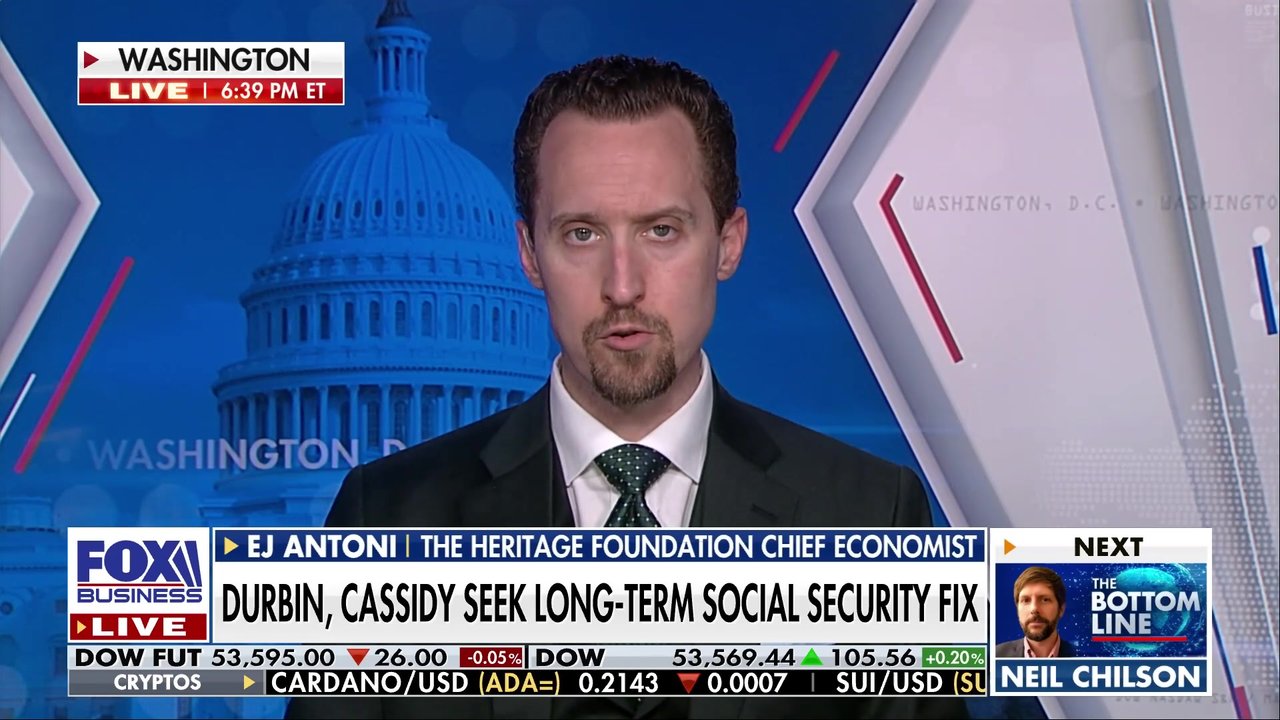
Market Access Shifts and Competitive Dynamics: The policy debate between tariff-based protectionism (News 1) and positive incentives (News 2, featuring Heritage Foundation economist E.J. Antoni on August 27, 2026) signals policy uncertainty that favors agile sellers. Small and medium-sized sellers (SMBs) selling gaming consoles, consumer electronics, and smart home devices face the highest risk—tariffs could compress margins by 12-18% if passed through to retail prices. Large sellers with established China-based supply chains may negotiate exemptions or shift to incentive-eligible US manufacturers under the CHIPS Act framework. The tech industry's intensive lobbying efforts seeking exemptions, particularly for data centers, indicate that exemption windows may open for specific product categories. Sellers should monitor Commerce Department announcements for tariff code (HS code) exemptions, which could create temporary arbitrage opportunities for compliant importers.
Timing and Compliance Strategy: The fundamental tension identified in News 1—that tariffs on chip imports during critical AI infrastructure buildout would raise costs without increasing domestic supply—creates a 3-6 month window before potential implementation. Sellers should immediately audit inventory sourcing by HS code, identify products with semiconductor dependencies (gaming consoles, smart home devices, consumer electronics), and evaluate alternative sourcing from Vietnam, India, or Taiwan. The phased implementation approach suggests Q4 2026 or Q1 2027 effective dates, providing a narrow window for pre-tariff inventory buildup. Sellers with strong cash positions should consider front-loading inventory purchases before tariff implementation, potentially capturing 10-15% cost savings on semiconductor-dependent products.
Questions 8
What sourcing strategy should sellers adopt to mitigate semiconductor tariff risks?
Sellers should immediately shift sourcing from China to Vietnam, India, or Taiwan-based manufacturers to capture 8-15% margin improvements through tariff arbitrage before implementation. The news indicates that Chinese competitors could avoid duties by shifting business to China, suggesting that non-China sourcing may face lower tariff exposure. Sellers with strong cash positions should consider front-loading inventory purchases before tariff implementation, potentially capturing 10-15% cost savings on semiconductor-dependent products. Monitor Commerce Department announcements for HS code-specific exemptions, which could create temporary arbitrage opportunities. The phased implementation approach provides a 6-12 month window for strategic sourcing optimization before full tariff application.
How does the semiconductor tariff debate affect Amazon FBA and Shopify sellers differently?
Amazon FBA sellers importing finished goods (gaming consoles, consumer electronics) face direct tariff exposure and margin compression, while Shopify merchants with dropshipping models may negotiate supplier cost-sharing. The CCIA estimates $90 billion annual GDP loss and 20% delay in data center projects, indicating broad supply chain disruption affecting all platforms. Amazon FBA sellers should audit inventory by HS code and evaluate 3PL providers with Vietnam/Taiwan sourcing capabilities. Shopify merchants should negotiate tariff cost-sharing with suppliers or shift to dropshipping from tariff-exempt regions. Both platforms' sellers should monitor Commerce Department exemption announcements, which could create category-specific opportunities for compliant importers.