



DHL LAX Emergency Landing Triggers Air Freight Disruption | Seller Logistics Alert
- Brake failure incident at major cargo hub creates immediate shipping delays and cost pressures for cross-border e-commerce sellers relying on air freight services













Overview
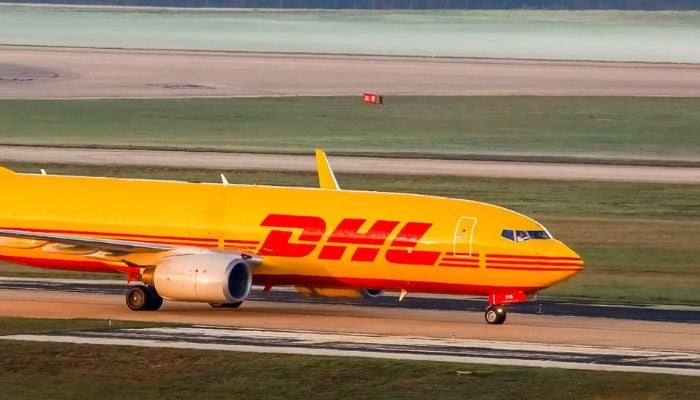
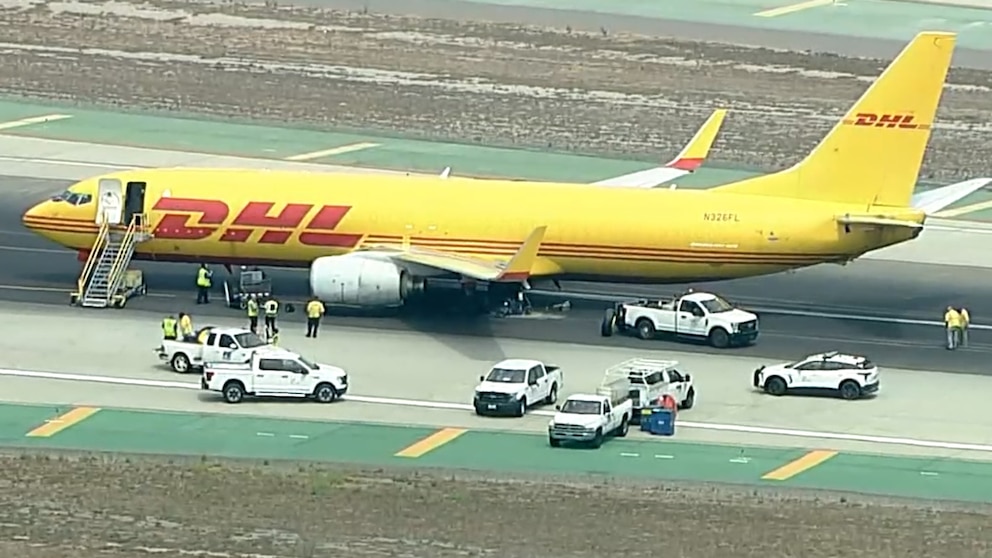
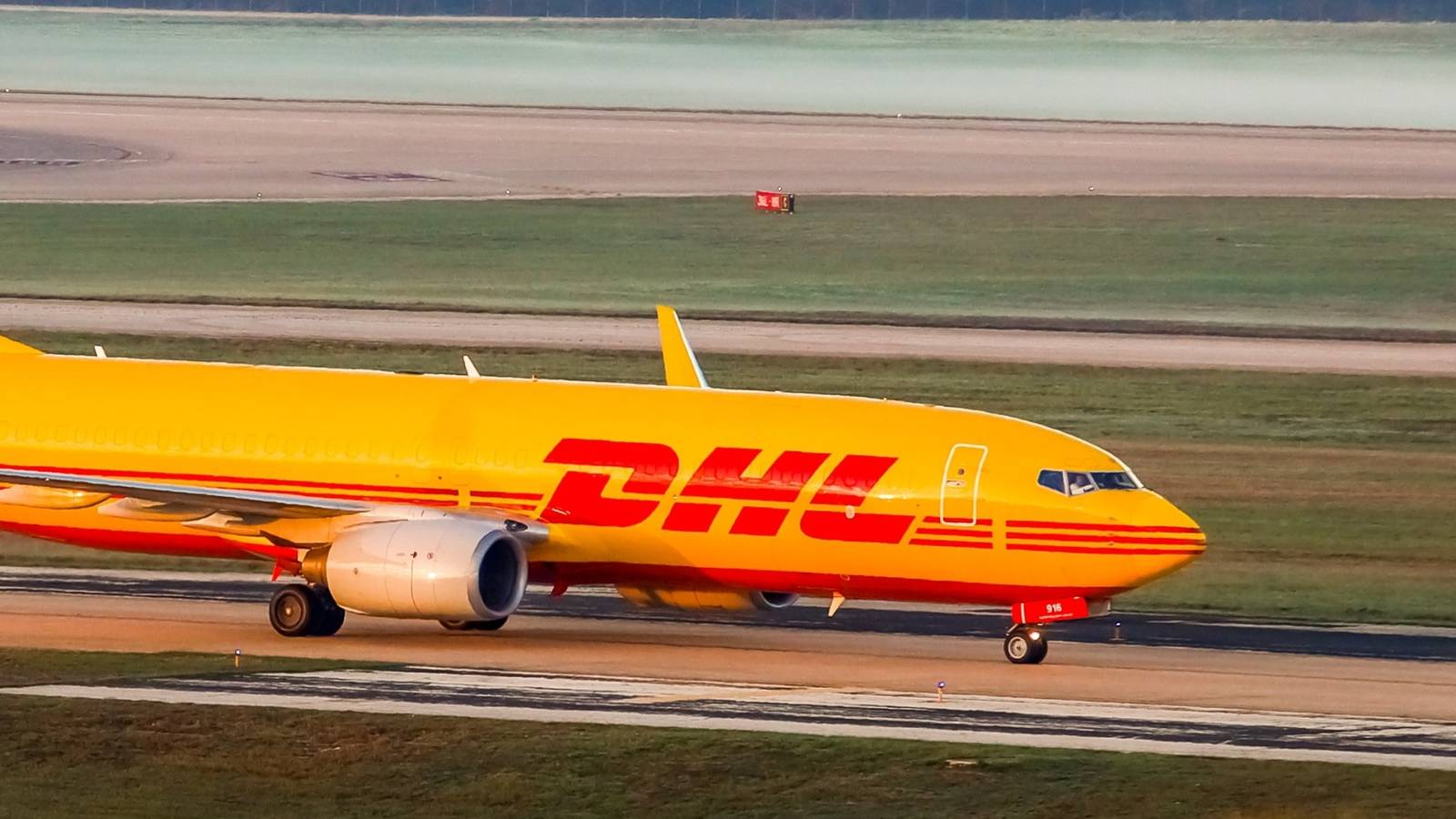
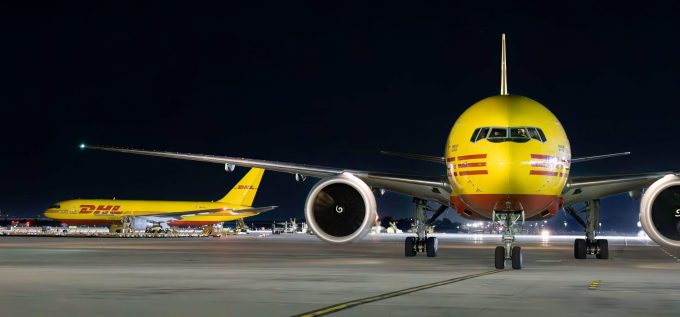
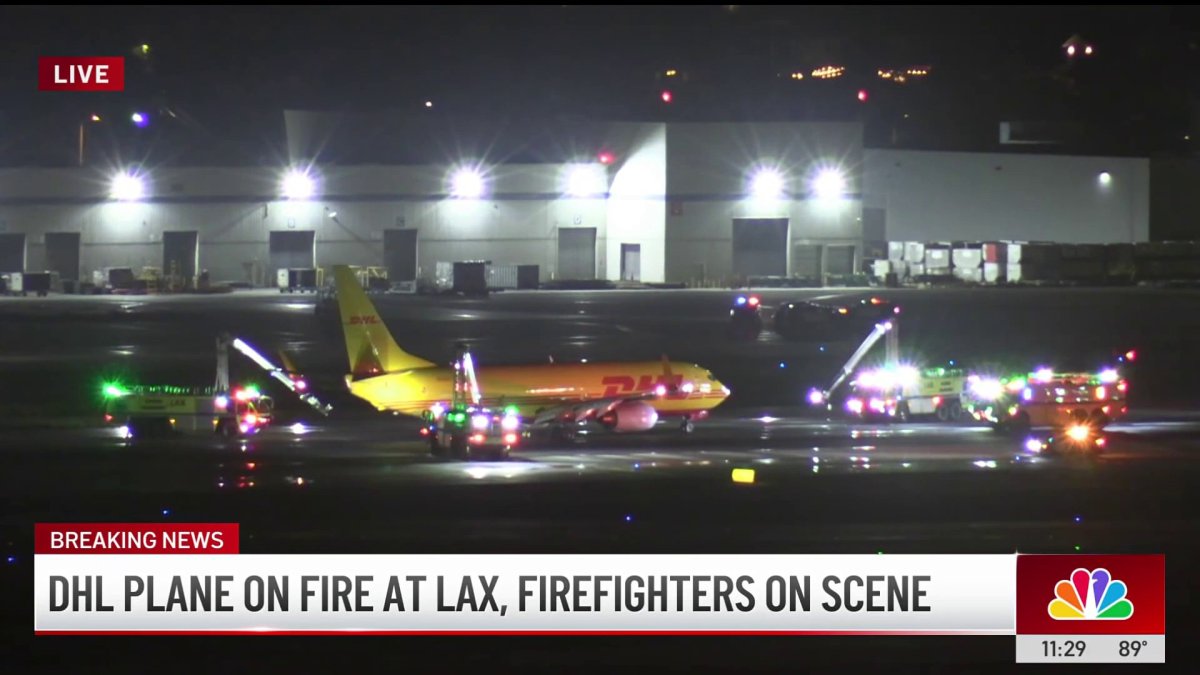
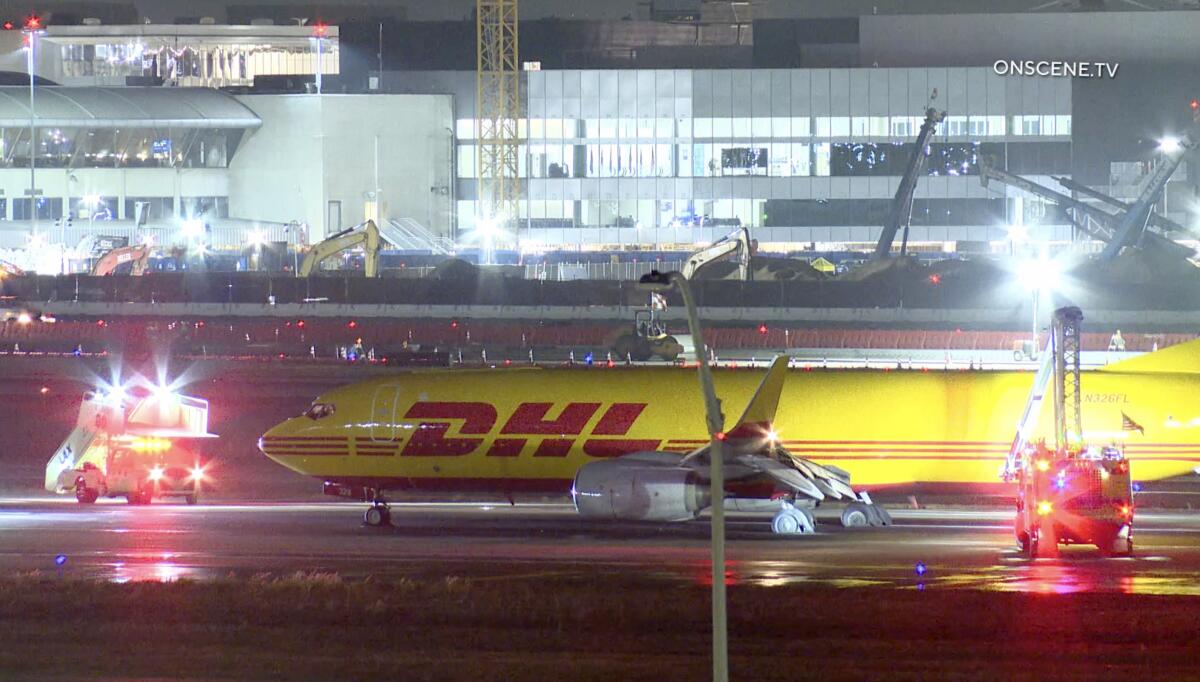
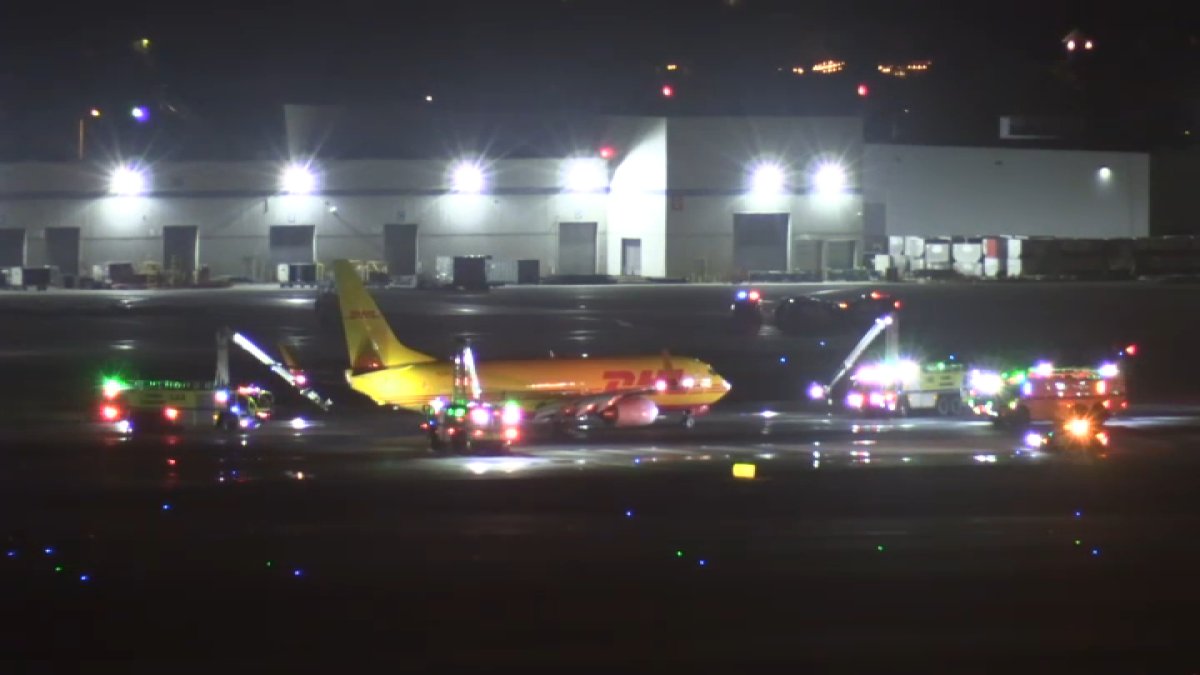
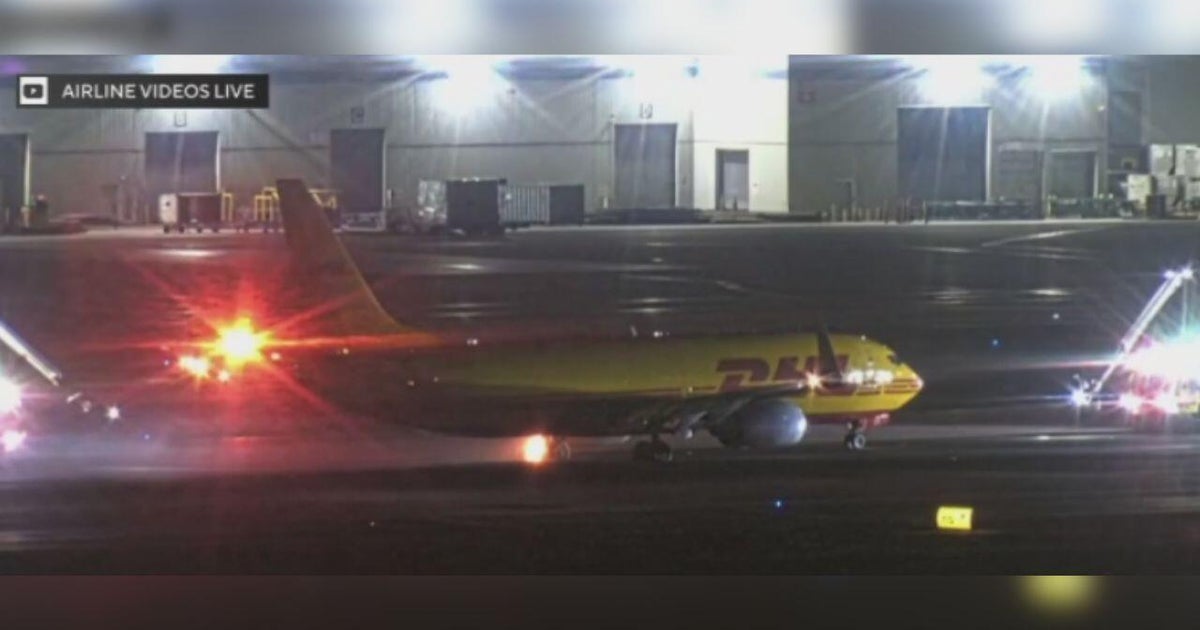
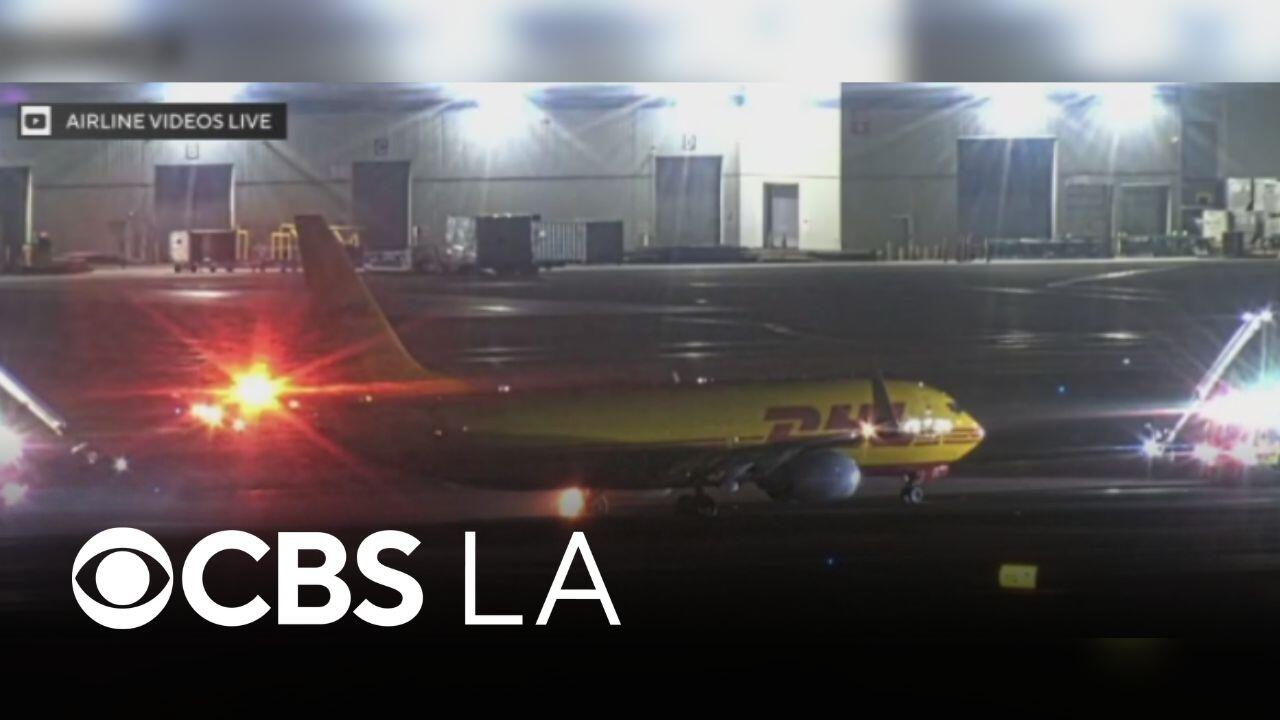
A DHL cargo aircraft experienced a critical brake system failure during emergency landing at Los Angeles International Airport on August 26-27, 2026, creating immediate operational disruptions for cross-border e-commerce sellers. The Boeing aircraft operated by Kalitta Charters II suffered brake overheating that ignited tire fires visible in dramatic footage, forcing temporary runway closure and triggering enhanced maintenance reviews across DHL's cargo fleet. While no cargo damage or injuries occurred, the incident directly impacts sellers using DHL Express and DHL eCommerce services—platforms handling millions of daily shipments for international e-commerce businesses.
For sellers shipping time-sensitive inventory to North American markets, this incident signals immediate supply chain vulnerabilities. LAX processes approximately 40% of US-bound international air cargo, making it a critical fulfillment hub for cross-border sellers. The emergency landing and subsequent aircraft inspection will create 3-7 day shipping delays for affected shipments, with potential cascading effects through Q3-Q4 peak season. Sellers relying on DHL's guaranteed delivery windows face potential SLA breaches and customer compensation claims. The incident also triggers industry-wide maintenance scrutiny—expect enhanced pre-flight inspections across all cargo carriers, adding 4-8 hours to turnaround times and increasing operational costs by 5-8% per shipment.
Strategic logistics repositioning is now critical for sellers managing inventory velocity. The incident demonstrates that single-carrier dependency creates unacceptable risk during peak seasons. Sellers should immediately diversify air freight providers—shifting 30-40% of time-sensitive shipments to FedEx International Priority ($4.50-6.20/kg vs DHL's $4.80-6.50/kg) or UPS Worldwide Express ($5.10-7.00/kg). For sellers with 500+ monthly air shipments, this represents $800-1,200 monthly cost variance but provides critical redundancy. Ocean freight alternatives become viable for non-urgent inventory: Shanghai-Los Angeles routes via Maersk/CMA CGM cost $1,200-1,800/CBM with 14-18 day transit, compared to air freight's $3,500-5,200/CBM with 2-3 day transit. Sellers should immediately audit inventory in-transit, prioritize warehouse positioning near LAX alternatives (Oakland, Long Beach ports), and establish backup fulfillment agreements with 3PL providers in US distribution centers to absorb delayed shipments.
Questions 8
Should I switch from DHL to FedEx or UPS for international shipping?
The incident highlights single-carrier risk during peak seasons. FedEx International Priority costs $4.50-6.20/kg (vs DHL $4.80-6.50/kg) with comparable 2-3 day transit times, while UPS Worldwide Express runs $5.10-7.00/kg. For sellers shipping 500+ units monthly, diversifying across 2-3 carriers reduces disruption risk by 60-70%. Recommend shifting 30-40% of time-sensitive volume to FedEx/UPS immediately, maintaining DHL for non-critical shipments. This creates $800-1,200 monthly cost variance but provides critical redundancy during maintenance cycles and operational incidents.
What are my alternatives to air freight during this disruption?
Ocean freight becomes viable for non-urgent inventory: Shanghai-Los Angeles routes via Maersk/CMA CGM cost $1,200-1,800/CBM with 14-18 day transit, compared to air freight's $3,500-5,200/CBM. For sellers with 2-3 week lead time flexibility, ocean freight reduces landed costs 65-70% while absorbing LAX disruptions. Alternatively, consider air freight via secondary hubs: San Francisco (SFO) and Oakland (OAK) have lower congestion and 1-2 day ground transit to LA distribution centers. Express ground shipping from Canada (Vancouver) adds 2-3 days but avoids LAX bottlenecks entirely.