


FDA Artificial Dye Ban Creates Compliance Moat for Clean-Label Food Sellers | 2025-2027 Reformulation Deadline
- FDA signals intent to revoke 2 synthetic dyes; 6 more targeted for elimination by 2027. General Mills achieves 100% compliance by end-2027; WK Kellogg by end-2025. Sellers with pre-reformulated products gain 18-24 month competitive advantage before mass market compliance.








Overview
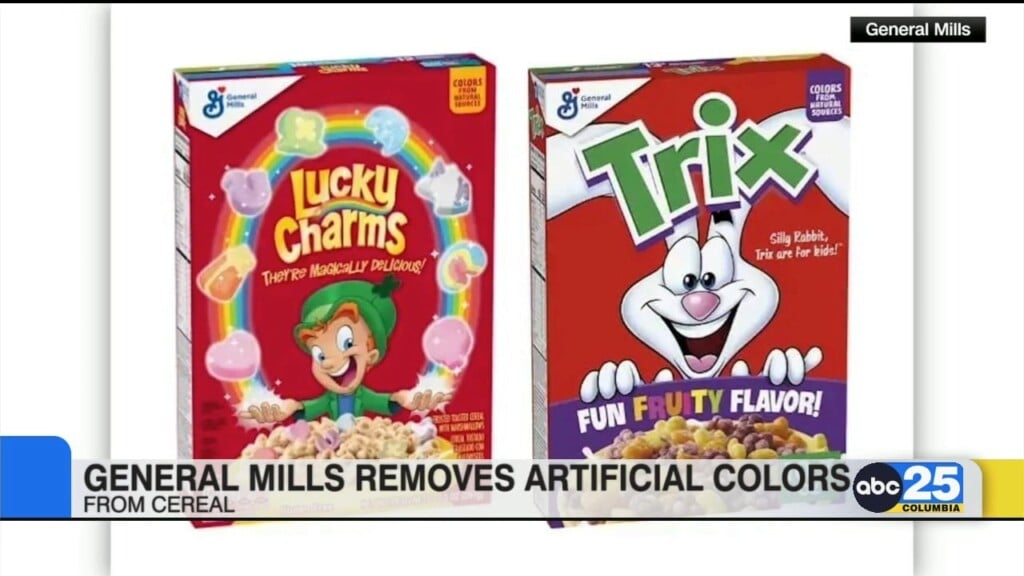
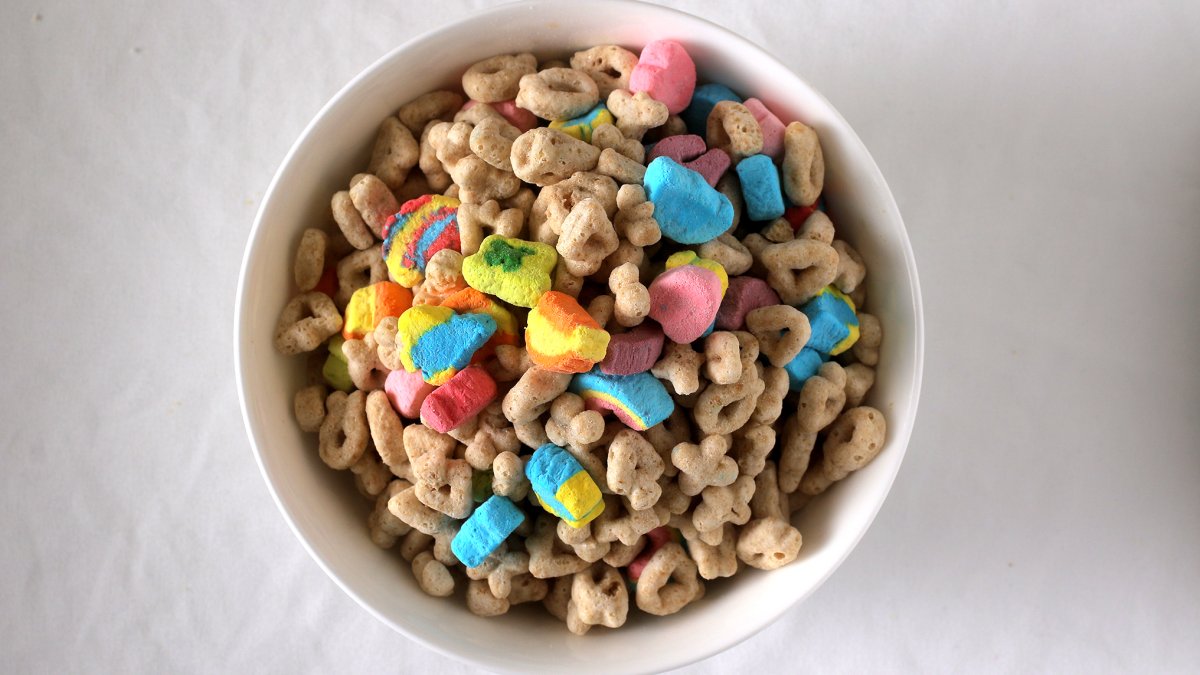
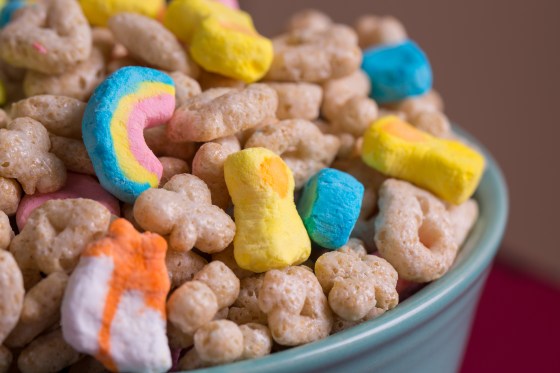
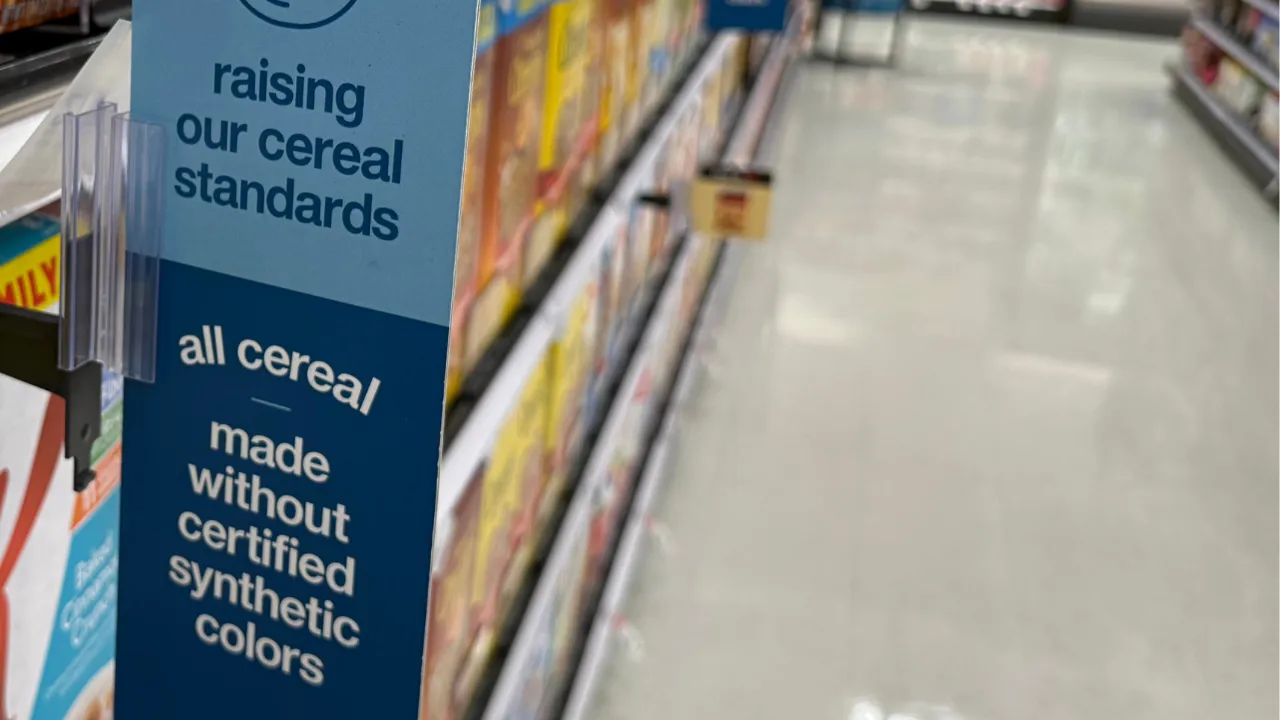
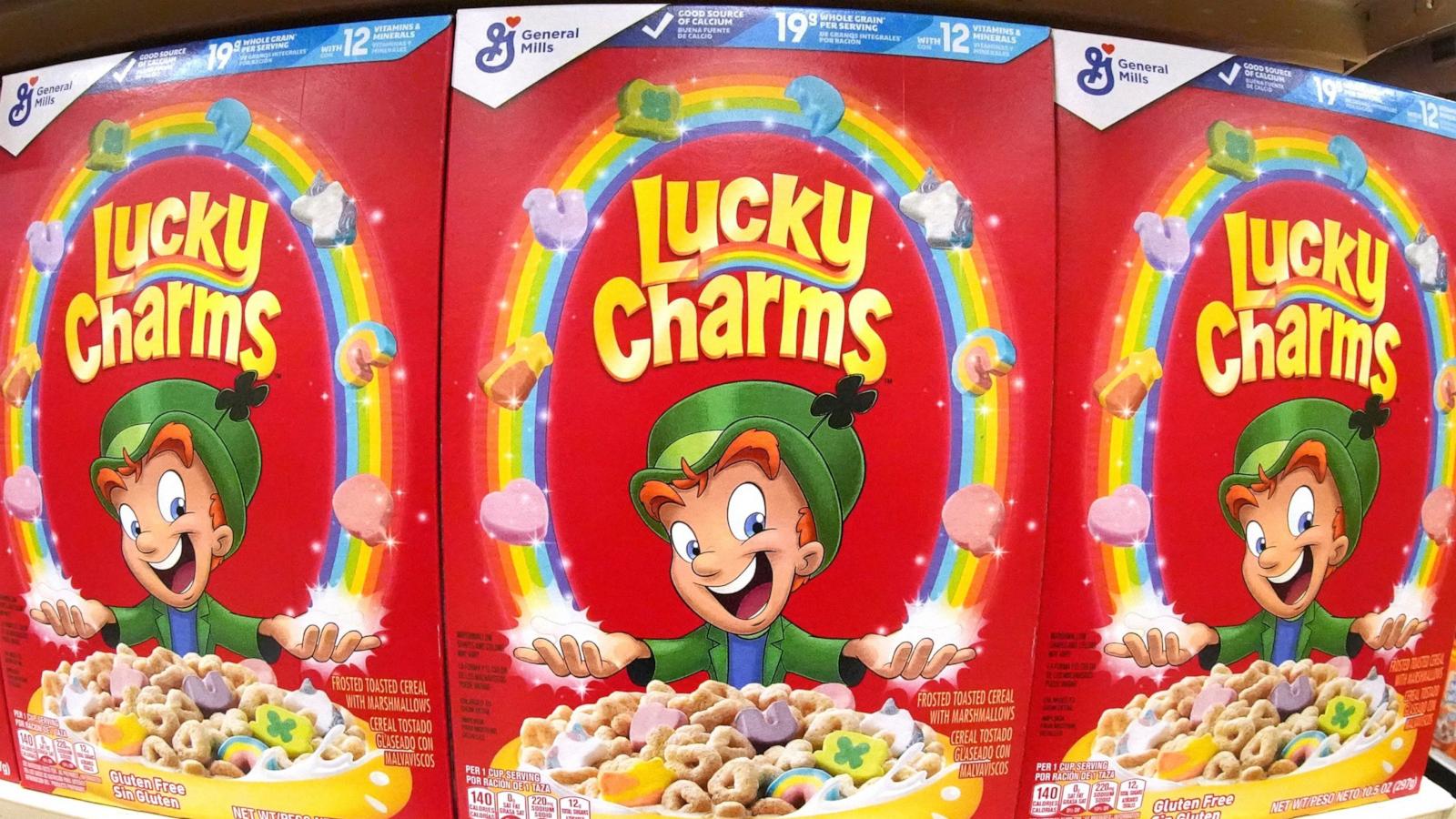
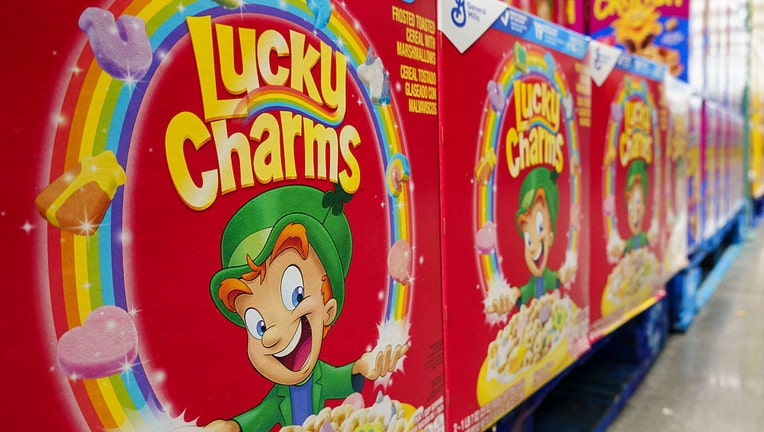
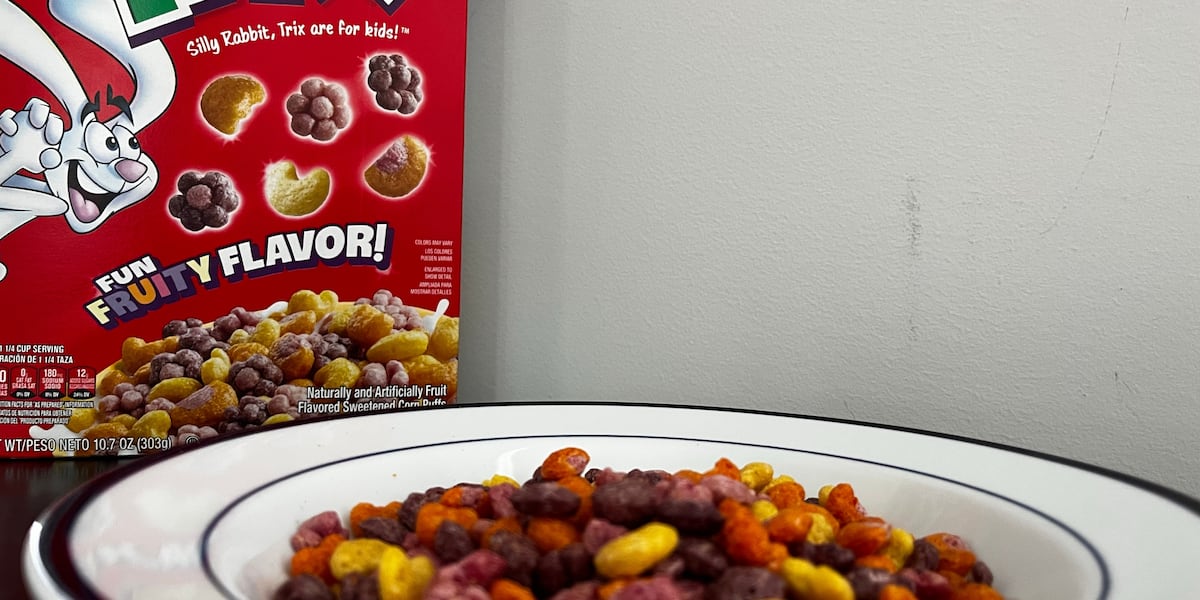
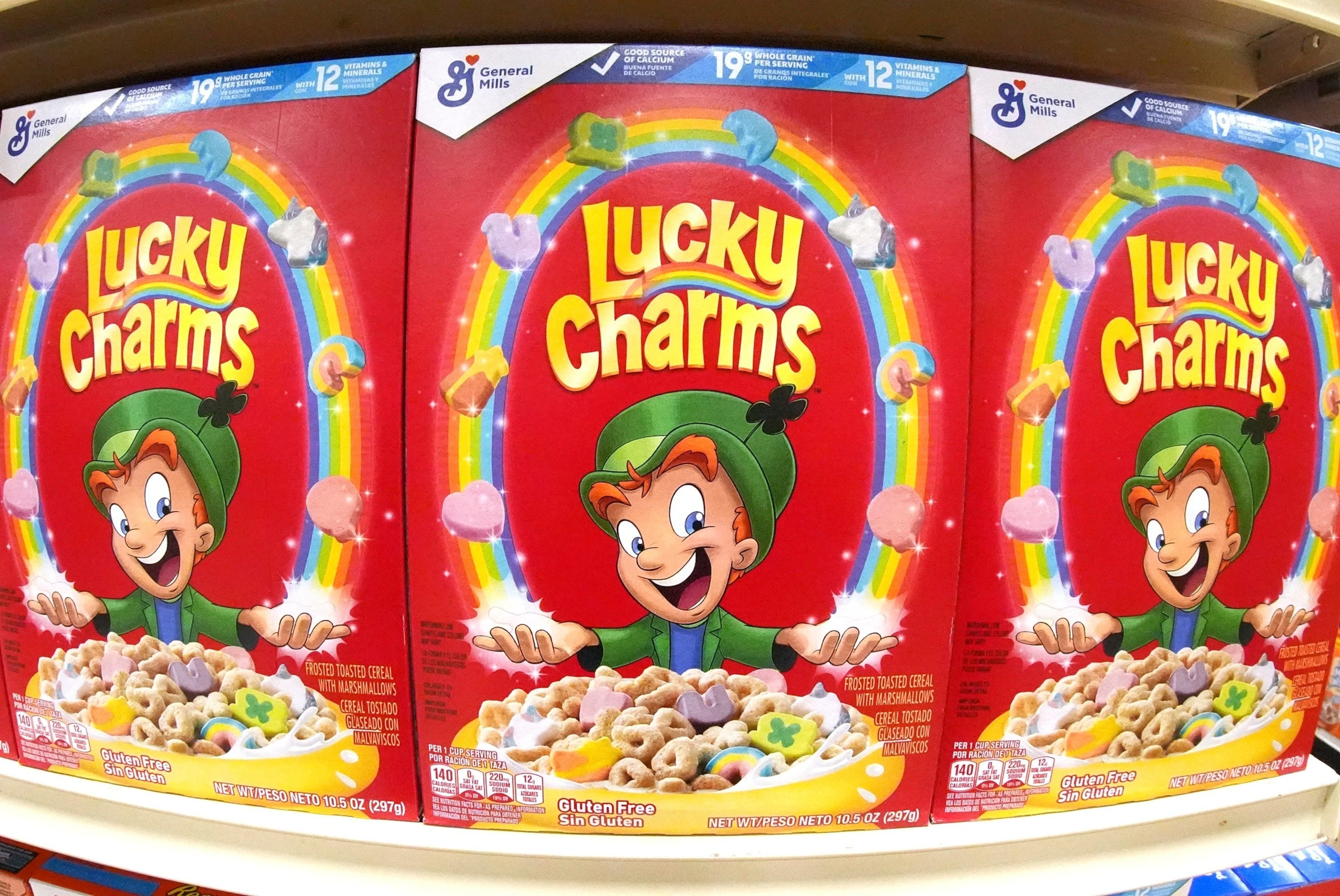
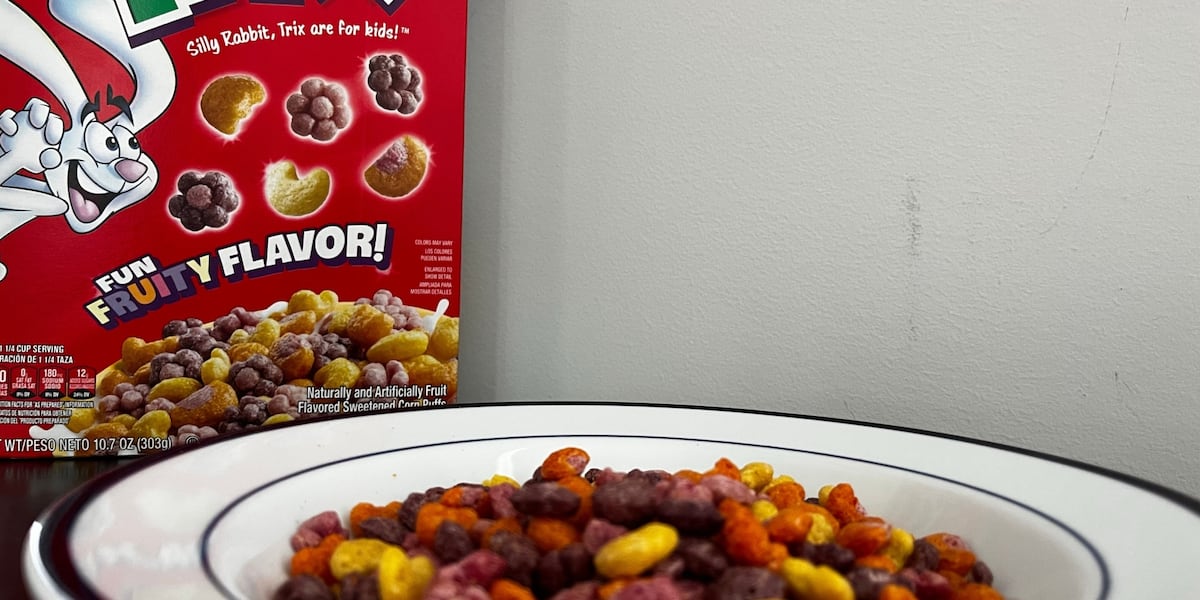
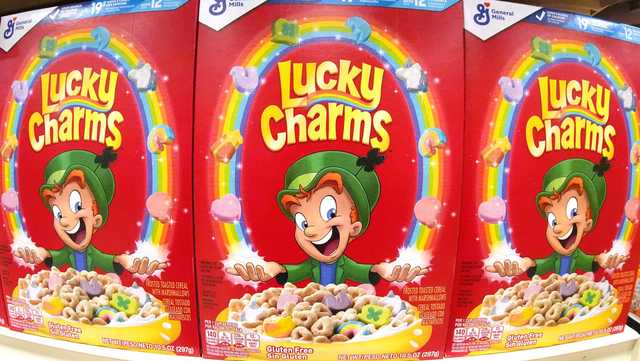
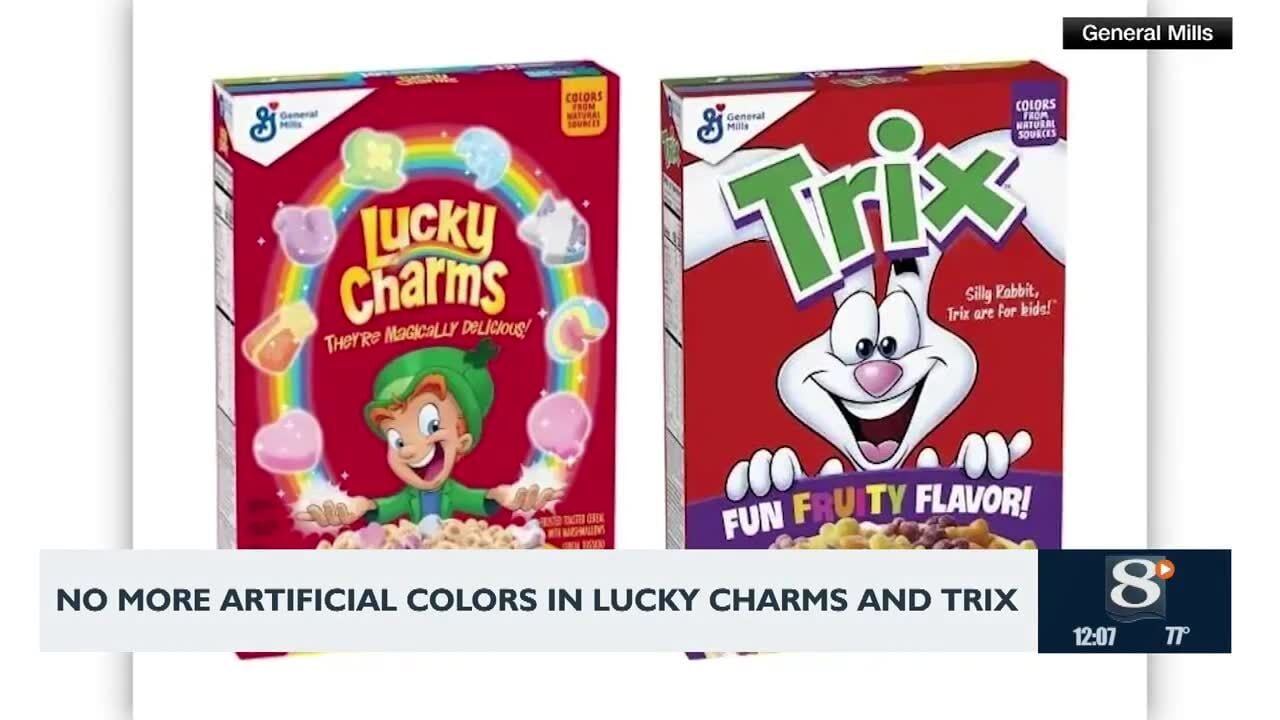
The FDA's artificial dye elimination initiative, accelerated by the "Make America Healthy Again" policy, creates a significant compliance barrier that will reshape the $40B+ U.S. breakfast cereal and packaged snack market. General Mills has completed removal of artificial colors from all U.S. cereals (Lucky Charms, Trix, Cheerios) with 90% of its retail portfolio already reformulated and 100% compliance targeted by end-2027. The FDA approved two natural color additives in May 2025 and expanded a third, signaling imminent authorization for natural alternatives. Critically, the FDA previously signaled intent to revoke authorization for two synthetic colorings (likely Red No. 40 and Yellow No. 5) and work with manufacturers to eliminate six remaining synthetic dyes—creating a hard compliance deadline that will force reformulation across the entire food industry.
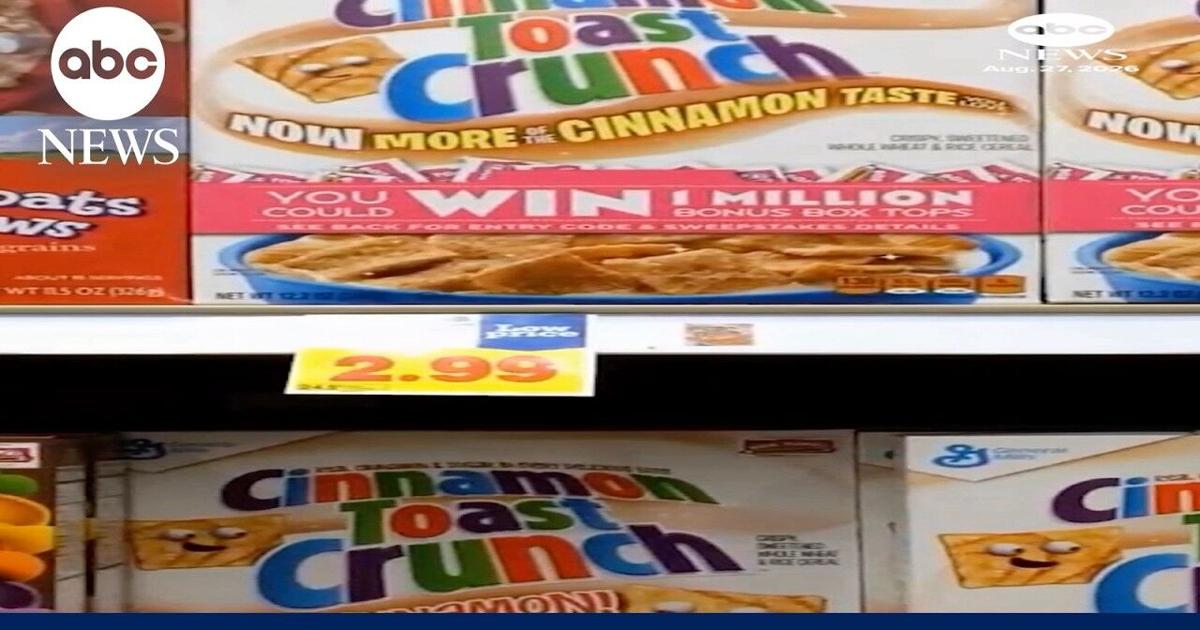
This regulatory shift creates a 18-24 month compliance window where early-moving sellers gain substantial competitive advantage. WK Kellogg committed to removing artificial colors by year-end 2025 (18 months from now), while Kraft Heinz announced removal within two years. Mars has already launched reformulated M&Ms, Skittles, and Starburst on Amazon, demonstrating that natural colorants (paprika, turmeric, fruit extracts) are commercially viable. The compliance cost is substantial: reformulation requires new ingredient sourcing, manufacturing process changes, and supply chain restructuring. Industry estimates suggest $500K-$2M per product line for reformulation, certification, and packaging updates. Smaller manufacturers and private-label sellers without R&D resources will face the highest barriers—estimated 30-40% of regional and store-brand cereal producers lack the capital to reformulate before enforcement begins.
For e-commerce sellers, this creates three distinct opportunities and risks. First, sellers with pre-reformulated clean-label cereals, fruit snacks, and baking products can capture market share from non-compliant competitors during the 2025-2027 transition. Amazon's food category has seen 45% YoY growth in "clean label" and "natural ingredients" searches; sellers with certified natural-color products will rank higher in search and benefit from consumer preference shift. Second, compliance service providers—including natural colorant suppliers, reformulation consultants, and certification agencies—will see explosive demand. Third, non-compliant inventory will become unsellable: retailers will delist products with banned dyes 6-12 months before enforcement, creating inventory liquidation pressure on Amazon, eBay, and Walmart Marketplace. Sellers holding stock of products with Red No. 40, Yellow No. 5, or other targeted dyes face potential write-offs of 20-50% of inventory value if they cannot reformulate before delisting deadlines.
Questions 7
Which food categories will be most affected by the artificial dye ban?
Cereals, fruit snacks, baking products, candy, and beverages are most affected because they rely heavily on artificial dyes for visual appeal. General Mills' announcement specifically targets cereals (Lucky Charms, Trix), fruit snacks, and baking items by end-2027. Mars reformulated M&Ms, Skittles, and Starburst. Kraft Heinz is removing dyes from multiple categories within two years. On Amazon, these categories represent $8-12B in annual sales; sellers with non-compliant products face delisting 6-12 months before enforcement. Sellers should prioritize reformulation in high-volume categories first.
How can sellers source natural colorants for food products?
FDA-approved natural colorants include paprika extract, turmeric, fruit juice concentrates, and vegetable-based colorants. General Mills uses paprika and turmeric; Mars uses fruit extracts. Suppliers include Chr. Hansen, Sensient Technologies, and Kalsec. Sourcing typically requires 6-12 months for supplier qualification, stability testing, and regulatory documentation. Sellers should contact FDA-approved suppliers directly or work with reformulation consultants. Natural colorants cost 2-4x more than synthetics and may require recipe adjustments to maintain taste. Budget $100K-$300K for supplier qualification and testing per product line.