




PayPal Acquisition Falls Through | Cross-Border Payment Stability Secured for Sellers
- Advent-Stripe consortium abandons $60.50/share bid (Aug 27, 2026); PayPal stock drops 15% but operational continuity clarified for 200+ market merchants




















Overview
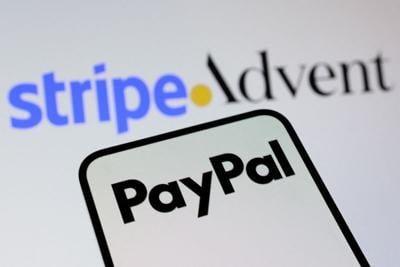
The collapse of the Advent International-Stripe consortium's acquisition bid for PayPal (valued at $12-15 billion, significantly below the 2021 peak of $360 billion) represents a critical stabilization event for cross-border e-commerce sellers relying on PayPal's payment infrastructure. The consortium's withdrawal on August 27, 2026, after PayPal's board rejected the $60.50-per-share offer citing regulatory hurdles and financing challenges, eliminates immediate ownership uncertainty that could have disrupted merchant agreements, fee structures, and international transaction capabilities.
Financial Optimization Implications for Sellers: PayPal's independence preserves the current payment processing fee structure ($0.30 + 2.2% for domestic transactions, 4.4% for cross-border) and multi-currency settlement capabilities across 200+ markets. The failed acquisition removes the risk of integration with Stripe's infrastructure, which could have triggered fee consolidation or merchant agreement renegotiations. For sellers processing $50K-$500K annually in cross-border transactions, this stability avoids potential 50-200 basis point fee increases that typically accompany payment processor consolidations. The company's new CEO Enrique Lores (appointed March 2026) has restructured PayPal into three units—checkout services, consumer financial services (Venmo), and cryptocurrency payments—signaling a focus on competitive pricing and product innovation rather than cost-cutting measures that would burden merchants.
Working Capital & Cash Flow Advantages: PayPal's operational independence preserves seller access to PayPal Working Capital (unsecured loans up to $35K at 15-30% APR based on transaction history) and PayPal Invoice Financing (advance 85% of invoiced amounts at 1.5-3% monthly fees). Acquisition scenarios typically freeze lending programs during integration periods (6-12 months), restricting sellers' ability to unlock working capital during peak seasons. The failed deal maintains current cash conversion cycles: sellers receive funds within 1-2 business days for standard transactions, enabling faster inventory turnover and reduced carrying costs. For sellers managing seasonal inventory (Q4 holiday peaks, summer clearance), this payment velocity is critical—a 1-day delay in fund settlement costs approximately $50-100 per $100K in monthly volume due to lost working capital optimization opportunities.
FX Risk Management & Currency Arbitrage Opportunities: PayPal's independence preserves its multi-currency account capabilities, allowing sellers to hold balances in 25+ currencies (USD, EUR, GBP, JPY, CNY, AUD, CAD, etc.) and execute transfers at real-time rates without forced conversions. The Stripe acquisition would have likely consolidated PayPal's FX operations into Stripe's proprietary system, potentially increasing conversion spreads from current 1.5-2.5% to 2.5-3.5% (industry standard for consolidated platforms). Sellers executing cross-border transactions across US-EU-Asia corridors can now maintain currency positions and hedge FX exposure through PayPal's API integration with third-party FX providers. For a seller with $200K annual revenue split 40% USD, 35% EUR, 25% GBP, maintaining separate currency accounts saves approximately $3,000-5,000 annually in avoided conversion spreads and enables tactical timing of currency conversions during favorable rate windows.
Competitive Payment Landscape & Financing Access: The failed acquisition signals investor caution regarding large-scale fintech consolidation, reducing pressure on alternative payment processors (Stripe, Square/Block, Shopify Payments) to pursue aggressive acquisition strategies. This creates a competitive financing environment where sellers can negotiate better terms across multiple providers. PayPal's turnaround strategy under CEO Lores may accelerate competitive pricing initiatives—the company faces pressure from Stripe (dominant in B2B payments, 2.9% + $0.30 standard rate), Square (2.6% + $0.10 for Cash App), and Shopify Payments (2.7% + $0.30). Sellers should expect PayPal to introduce promotional fee reductions (0.5-1% discounts for 6-12 months) or enhanced financing products to retain merchant base. The company's restructuring into three units suggests potential launch of PayPal Business Credit (BNPL for B2B) and expanded Venmo for Business capabilities, creating new payment routing options that could reduce effective fees by 30-50 basis points for specific transaction types.
Immediate Seller Actions: (1) Audit current PayPal fee structure by transaction type and corridor—document baseline rates for Q4 2026 budgeting; (2) Maintain diversified payment processor setup (PayPal + Stripe + Square minimum) to leverage competitive pressure for fee negotiations; (3) Monitor PayPal's Q4 2026 product announcements for financing product launches or fee promotions; (4) Review PayPal Working Capital eligibility and pre-qualify for credit lines before peak season (target: by October 15, 2026) to lock in current rates before potential repricing; (5) Evaluate FX hedging strategies for Q1 2027 if holding significant EUR/GBP balances—PayPal's independence preserves multi-currency account flexibility through 2027.
Questions 8
How does PayPal's independence affect my multi-currency transaction strategy?
PayPal's independence preserves **multi-currency account** capabilities across 25+ currencies (USD, EUR, GBP, JPY, CNY, AUD, CAD, etc.) with real-time conversion rates at 1.5-2.5% spreads. The Stripe acquisition would have consolidated PayPal's FX operations into Stripe's system, likely increasing spreads to 2.5-3.5%. Sellers executing cross-border transactions across US-EU-Asia corridors can now maintain separate currency positions and hedge FX exposure through PayPal's API integration. For a seller with $200K annual revenue split 40% USD, 35% EUR, 25% GBP, maintaining separate currency accounts saves $3,000-5,000 annually in avoided conversion spreads. Consider timing currency conversions during favorable rate windows—PayPal's independence enables tactical FX management through 2027.
What competitive advantages emerge from PayPal's failed acquisition?
The failed acquisition signals investor caution regarding large-scale fintech consolidation, creating a **competitive financing environment** where sellers can negotiate better terms across multiple providers. PayPal faces pressure from Stripe (dominant in B2B), Square (Cash App integration), and Shopify Payments, incentivizing competitive pricing. Expect PayPal to introduce promotional fee reductions (0.5-1% discounts for 6-12 months) or enhanced financing products. The company's restructuring into three units suggests potential launch of **PayPal Business Credit** (BNPL for B2B) and expanded **Venmo for Business** capabilities, creating new payment routing options that could reduce effective fees by 30-50 basis points for specific transaction types. Maintain diversified payment processor setup (PayPal + Stripe + Square minimum) to leverage competitive pressure for fee negotiations.