



Best Buy Shifts to High-Margin AI & Premium Categories | Seller Opportunity in Electronics
- Best Buy pivots toward AI glasses, 3D printers, collectibles; traditional appliance sales decline. Sellers can capitalize on premium product demand surge and Best Buy's marketplace expansion strategy















Overview
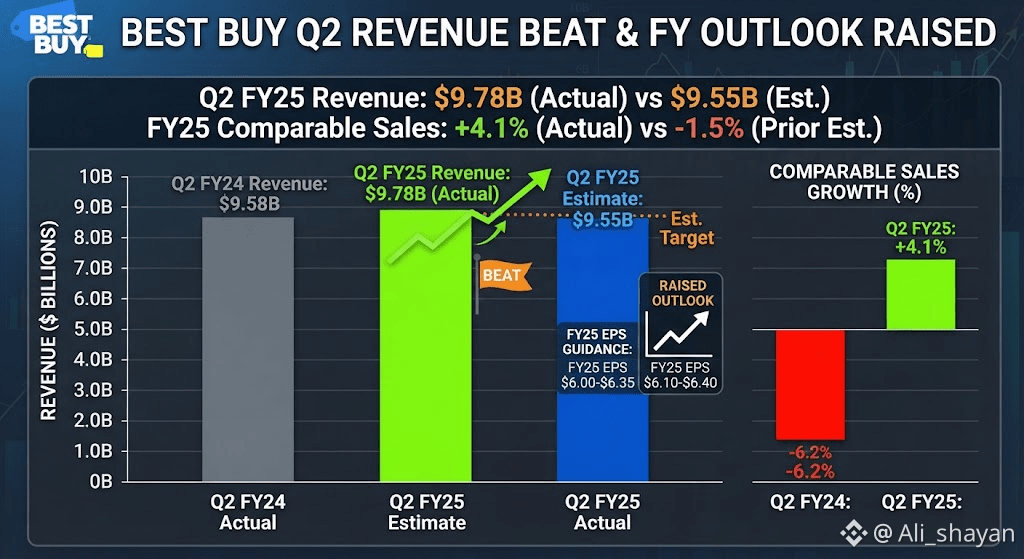
Best Buy's August 27, 2026 earnings reveal a critical retail pivot that directly impacts cross-border sellers in electronics and premium tech categories. The company raised full-year revenue guidance to $42.3-42.8 billion and adjusted EPS to $6.70-6.90, signaling strong AI-driven device demand, yet shares fell 4.5% as investors questioned organic growth sustainability. The key insight for sellers: Best Buy is aggressively shifting inventory allocation away from traditional appliances toward high-margin categories including AI glasses, 3D printers, and collectibles—a strategic move that creates immediate wholesale and marketplace opportunities for suppliers in these emerging categories.
The operational context reveals significant margin pressures reshaping retail demand. Memory chip prices have surged due to AI data-center competition, forcing Best Buy to implement mid-single-digit price increases while experiencing high-single-digit unit sales declines. This creates a critical O2O opportunity: as Best Buy builds its higher-margin marketplace and advertising businesses, third-party sellers can establish direct relationships with the retailer's 50+ million annual customers through Best Buy's seller platform. CEO Corie Barry's statement that "consumers spend on premium products when technology innovation justifies the cost" directly signals buyer psychology—premium positioning and innovation storytelling now outweigh price competition in electronics retail.
For cross-border sellers, the margin pressure from higher fuel costs (flagged for H2 2026) and tariff impacts (evidenced by the $34 million temporary tariff refund that boosted Q2 earnings) indicate that supply chain optimization and tariff planning are now critical competitive advantages. Best Buy's comparable sales growth guidance of 1.9-3% (up from -1% to +1%) suggests stabilization in discretionary electronics spending, but only for products with clear innovation narratives. Sellers should prioritize: (1) AI-enabled product positioning in existing categories, (2) premium collectibles and niche tech products with higher margins, and (3) direct marketplace relationships with Best Buy to bypass traditional wholesale margin compression. The leadership transition (Jason Bonfig becoming CEO in 2026) signals potential strategic shifts in retail partnerships and supplier relationships, creating a 6-month window for sellers to establish preferred vendor status before new leadership implements procurement changes.
Questions 8
What does Best Buy's advertising business expansion mean for seller marketing strategy?
Best Buy is building higher-margin advertising businesses to cushion sales fluctuations, indicating the retailer is investing in sponsored product placements and promotional services. This creates opportunities for sellers to increase visibility through Best Buy's advertising platform, similar to Amazon Advertising or eBay Promoted Listings. Sellers should allocate budget for Best Buy advertising campaigns, particularly for products in prioritized categories (AI glasses, 3D printers, collectibles). The company's focus on advertising revenue suggests it will increasingly rely on seller advertising fees to offset margin pressures, making early adoption of Best Buy's advertising platform a competitive advantage for visibility and sales growth.
How should sellers position products given consumer caution about large discretionary purchases?
CEO Corie Barry noted that while consumers remain cautious about large discretionary purchases, they spend on premium products when technology innovation justifies the cost. This indicates a bifurcated market: price-sensitive buyers are pulling back, but innovation-focused buyers are spending. Sellers should avoid competing on price in traditional categories and instead emphasize innovation, premium positioning, and clear value propositions. Product listings should highlight AI integration, unique features, or collectible value rather than cost savings. Marketing messaging should target affluent, early-adopter demographics who prioritize innovation over price, using channels like tech blogs, YouTube reviews, and premium e-commerce platforms rather than discount-focused marketplaces.