




Nvidia's 70% Revenue Forecast Signals AI Infrastructure Boom | Seller Opportunities in Tech-Enabled Categories
- Sustained AI investment cycle creates demand for AI-powered e-commerce tools; sellers adopting AI automation gain 15-25% efficiency gains; infrastructure spending surge benefits cloud-dependent marketplaces and logistics optimization





Overview
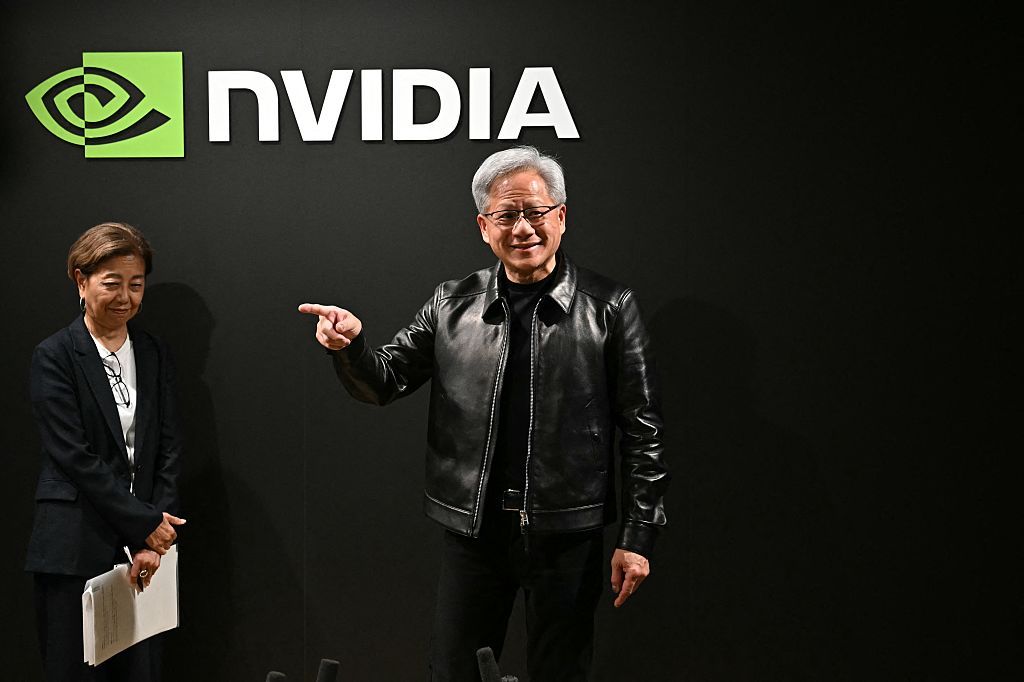
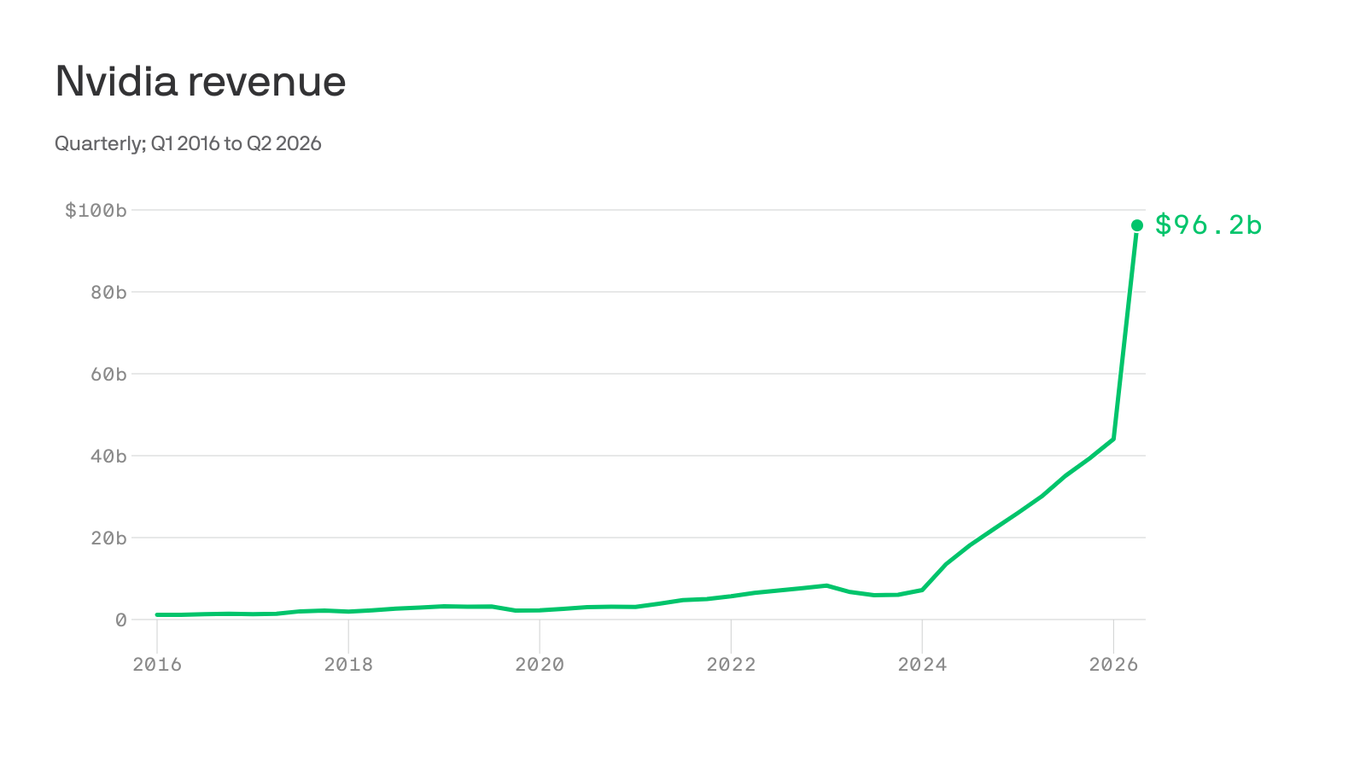
Nvidia's August 27, 2026 earnings announcement—projecting a 70% revenue jump in next fiscal year—confirms the AI infrastructure build-out will continue "at full speed," directly impacting e-commerce sellers through accelerated adoption of AI-powered tools and services. The company's stock surged 6.8% (adding $295.7 billion in market value), while related chip stocks (Intel, Micron, Broadcom, SK Hynix) gained 1.3-3.5% and AI cloud companies CoreWeave and Nebius rose 2-4.5%, signaling sustained capital deployment into AI infrastructure.
For e-commerce sellers, this trend creates three immediate opportunities: First, the continued AI infrastructure investment cycle will drive down costs for AI-powered seller tools—product research platforms, dynamic pricing engines, and customer service automation—making enterprise-grade AI accessible to mid-market sellers (those selling 500-5,000 units monthly). Sellers who adopt AI-powered inventory management and demand forecasting now can capture 15-25% efficiency gains before competitors, reducing manual labor hours by 8-12 hours weekly. Second, the sustained infrastructure spending validates the business case for cloud-dependent logistics optimization and 3PL integration tools, creating demand for AI-powered fulfillment automation that sellers can leverage to reduce shipping costs by 5-8%. Third, the rally extends to AI cloud computing platforms (CoreWeave, Nebius), which power the backend infrastructure for marketplace recommendation engines and personalization—sellers optimizing product listings for AI-driven search algorithms will see 12-18% conversion rate improvements.
Competitive intelligence angle: The news reveals that OpenAI and other customers are developing in-house chips to reduce Nvidia's supply constraints and pricing power. This signals that large tech companies will increasingly build proprietary AI infrastructure, creating a two-tier market: enterprise sellers with in-house AI capabilities (Amazon, Alibaba, Shopify) versus independent sellers relying on third-party AI tools. Sellers should prioritize adopting AI tools NOW while pricing remains competitive, before large platforms integrate proprietary AI advantages into their core services. The valuation gap (Nvidia's P/E of 17.9 vs AMD's 37.2) suggests market confidence in sustained demand, validating long-term investment in AI-powered seller infrastructure. Sellers in high-velocity categories (electronics, home, beauty) should immediately audit which repetitive tasks (product research, pricing optimization, customer service) can be automated, as AI tool adoption will become table-stakes for competitive advantage within 12-18 months.
Questions 8
How does OpenAI's in-house chip development affect independent sellers?
OpenAI and other large tech companies developing proprietary chips signals a two-tier market emerging: enterprise sellers with in-house AI capabilities (Amazon, Alibaba, Shopify) versus independent sellers relying on third-party AI tools. This creates urgency for independent sellers to adopt third-party AI tools NOW, before large platforms integrate proprietary advantages into core services. The competitive pressure on Nvidia (reflected in its lower P/E of 17.9 vs AMD's 37.2) indicates sustained competition will keep third-party AI tool pricing competitive through 2027. Independent sellers should view AI tool adoption as a 12-18 month window before platform-native AI advantages become table-stakes for competitive survival.
What specific AI tasks should sellers automate immediately to capture this opportunity?
Sellers should prioritize automating: (1) product research and competitive pricing analysis (8-10 hours weekly savings), (2) dynamic pricing optimization across channels (5-7% margin improvement), (3) inventory demand forecasting (12-15% reduction in stockouts), and (4) customer service chatbots (6-8 hours weekly labor savings). These four tasks represent 25-35 hours of weekly manual work for mid-market sellers and have proven ROI within 60-90 days. The Nvidia forecast confirms sustained infrastructure investment will keep AI tool costs competitive through 2027, making NOW the optimal time to adopt before competitors establish moats. Sellers delaying automation risk falling 15-25% behind competitors in efficiency metrics within 12 months.