


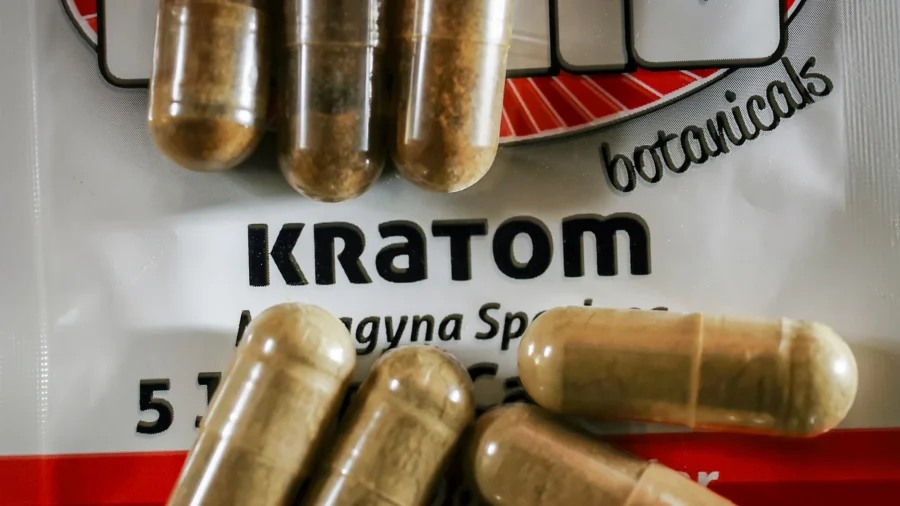


Kratom Derivatives Banned as Schedule I | Sellers Face Compliance Overhaul & Market Segmentation
- DOJ bans MGPI, MGM-15, MGM-16 as controlled opioids; traditional leaf products permitted; 15M-user market faces enforcement ambiguity on "incidental trace amounts"










Overview
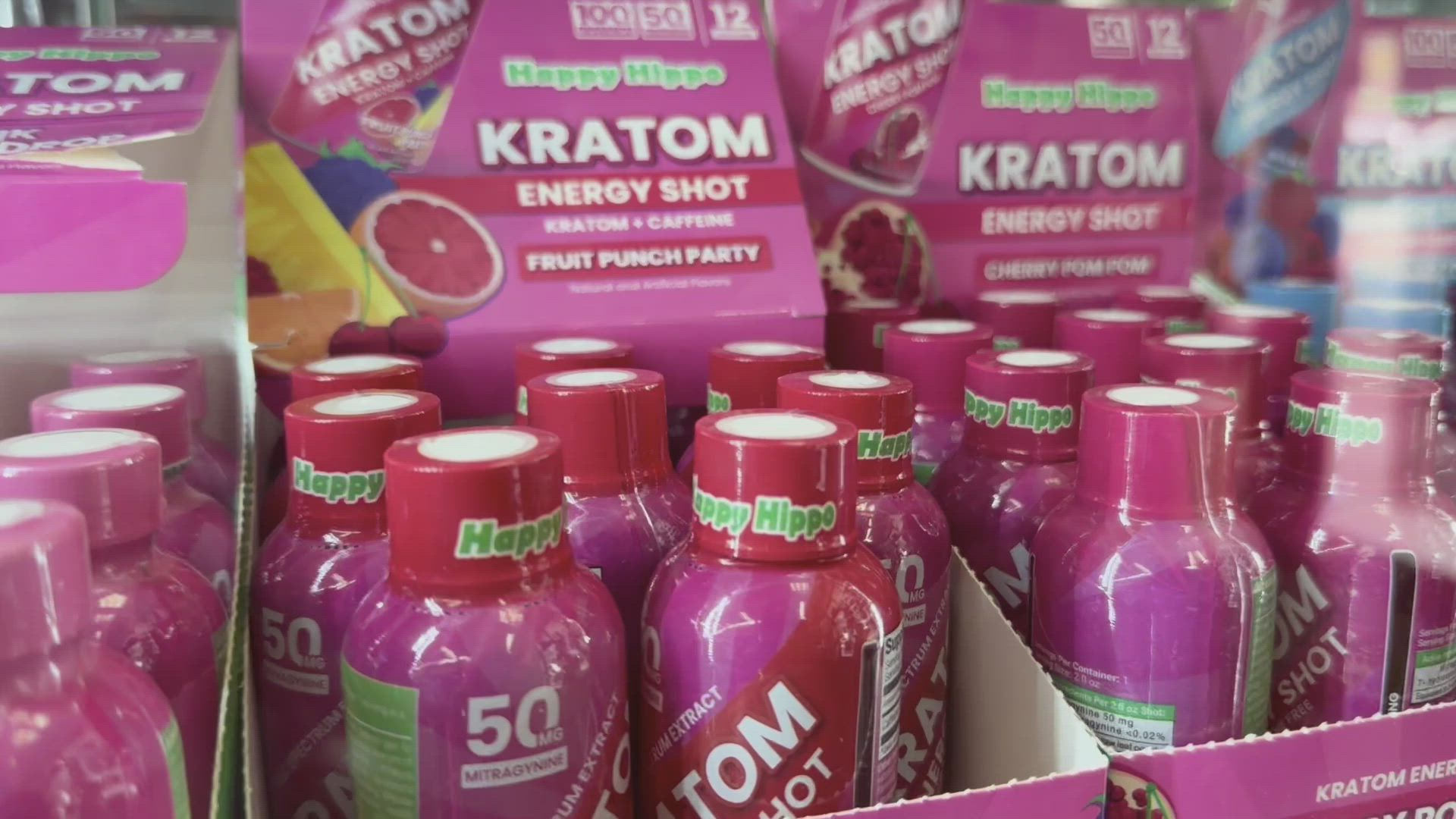
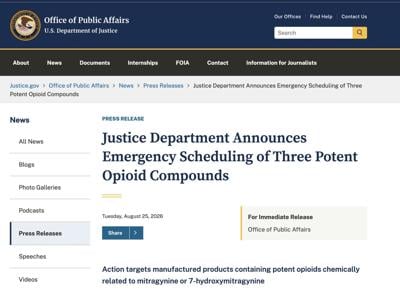
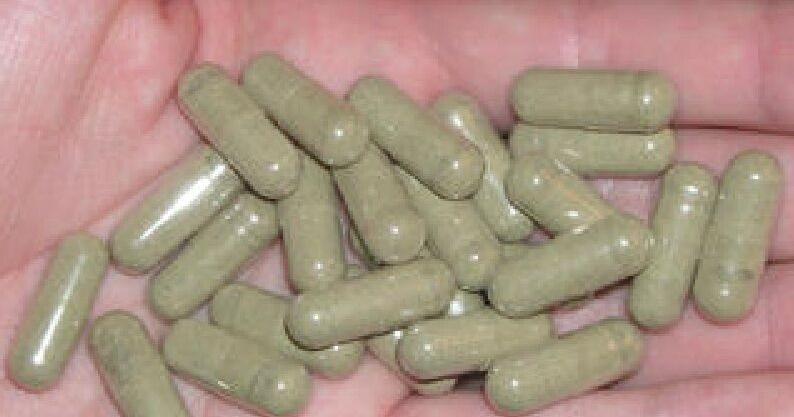
The U.S. Department of Justice announced a temporary ban on three kratom derivatives—mitragynine pseudoindoxyl (MGPI), MGM-15, and MGM-16—classifying them as controlled opioid substances, creating a critical compliance bifurcation in the botanical supplements market. Attorney General Todd Blanche explicitly signaled enforcement discretion for "traditional botanical kratom" and "incidental trace amounts," but left manufacturers navigating undefined regulatory boundaries that will reshape the $500M+ kratom retail sector serving approximately 15 million U.S. users.
The Compliance Barrier Creates Market Segmentation: This regulatory action establishes a high-entry-barrier moat protecting compliant traditional leaf producers while eliminating refined-product competitors. The American Kratom Association (representing traditional producers) celebrated the distinction, while the 7-HOPE Alliance mobilized 30,000+ public comments opposing FDA scheduling of 7-hydroxymitragynine (7-OH). Sellers currently offering MGPI-containing products face immediate inventory liquidation risk, while traditional leaf producers gain competitive advantage through regulatory clarity. The critical compliance gap: what constitutes "incidental trace amounts" remains undefined, creating enforcement ambiguity that will likely trigger FDA/DEA guidance documents within 60-90 days. Sellers must immediately conduct third-party laboratory testing to verify MGPI/7-OH concentrations—a compliance cost of $500-2,000 per product SKU.
Fastest Compliance Path for Sellers: Traditional leaf kratom producers can achieve compliance immediately through third-party testing certification (ISO 17025 accredited labs, 10-15 business days, $300-800 per batch). Refined product sellers face two options: (1) reformulate to remove MGPI/7-OH alkaloids (60-90 days, $5,000-15,000 R&D cost), or (2) pivot to alternative botanical categories (turmeric, ashwagandha, lion's mane) where regulatory frameworks are more established. Cross-border sellers shipping to EU/Canada face additional complexity—EU already restricts kratom in several member states, while Canada's Health Canada may follow with similar scheduling. The litigation risk is severe: Texas wrongful death lawsuits revealed major manufacturers' "pure leaf" products contained MGPI at levels experts testified would constitute "fraud," exposing sellers to product liability claims exceeding $1M per case.
Market Elimination Rate & Service Gaps: Approximately 40-60% of current kratom sellers marketing refined/concentrated products will face forced inventory clearance within 90 days. This creates immediate demand for: (1) compliance testing services (labs offering rapid MGPI/7-OH quantification), (2) product reformulation consulting, and (3) inventory liquidation platforms. Amazon, eBay, and Shopify will likely update product policies within 30-45 days to require compliance documentation, creating a 2-3 week window for sellers to obtain testing before listings face suspension. Sellers with existing traditional leaf inventory and third-party testing documentation will capture market share from non-compliant competitors—a classic regulatory moat scenario where compliance cost ($1,000-3,000 per seller) eliminates 50%+ of market participants.
Questions 8
What compliance documentation will Amazon and Shopify require for kratom listings?
Platform policies typically require: (1) third-party laboratory testing documentation showing MGPI/7-OH concentrations, (2) Certificate of Analysis from ISO 17025 accredited lab, (3) supplier attestation of compliance with DEA scheduling, and (4) product liability insurance documentation. Amazon Seller Central will likely implement automated compliance checks within 30-45 days, flagging listings without testing documentation for suspension. Shopify sellers should proactively upload testing certificates to product records and update product descriptions to highlight compliance status. Sellers without documentation face 14-30 day delisting windows. Estimated compliance documentation cost: $200-500 per seller (legal review, insurance updates, platform submissions).
Will this kratom ban affect cross-border sellers shipping to EU or Canada?
EU regulations already restrict kratom in several member states (Denmark, Poland, Romania), and this U.S. scheduling will likely trigger similar action from Health Canada and European regulatory bodies within 6-12 months. Sellers shipping internationally must monitor EU EFSA (European Food Safety Authority) guidance and Canadian Health Canada announcements for 7-OH scheduling decisions. The 7-HOPE Alliance generated 30,000+ public comments opposing FDA scheduling of 7-OH, suggesting regulatory uncertainty will persist 3-6 months. Cross-border sellers should diversify into alternative botanical markets (ashwagandha, lion's mane, turmeric) where regulatory frameworks are more stable across US/EU/Canada jurisdictions.