


SK Hynix $4B Indiana HBM Plant Signals AI Chip Supply Stabilization Through 2030
- Memory shortage persists through 2030; domestic U.S. production capacity expansion creates component cost reduction opportunities for electronics sellers by Q3 2029



















Overview
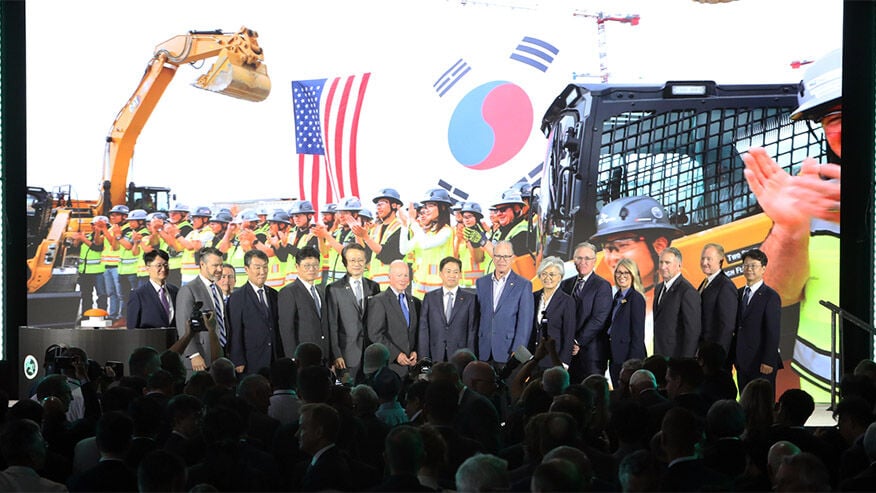
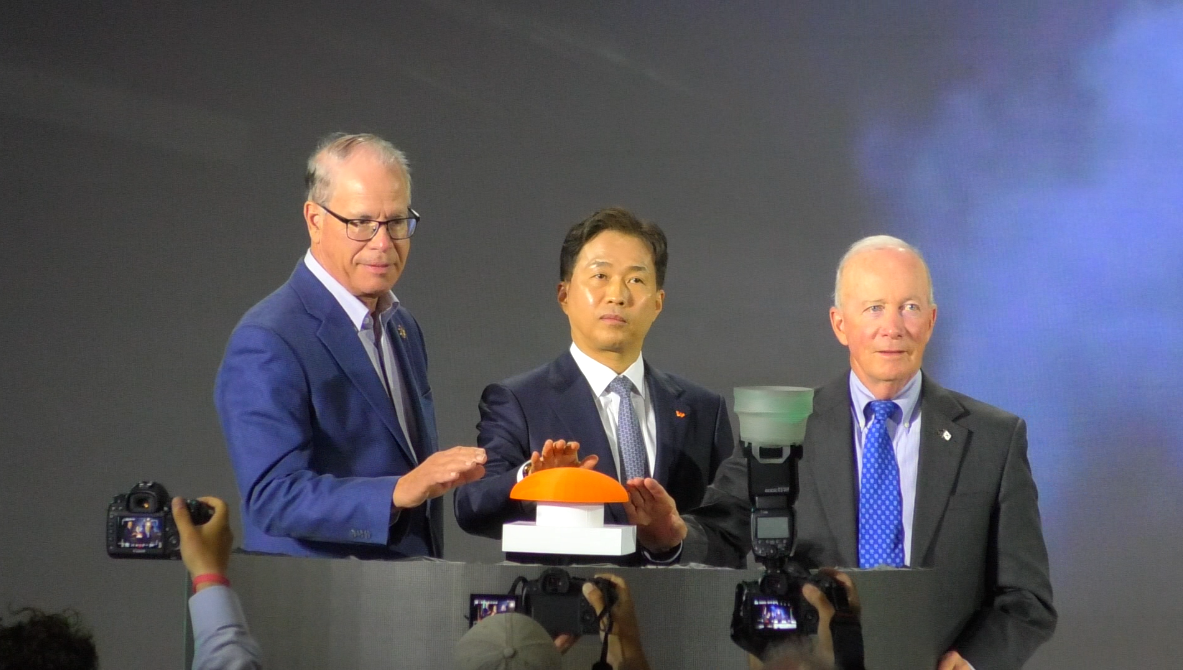
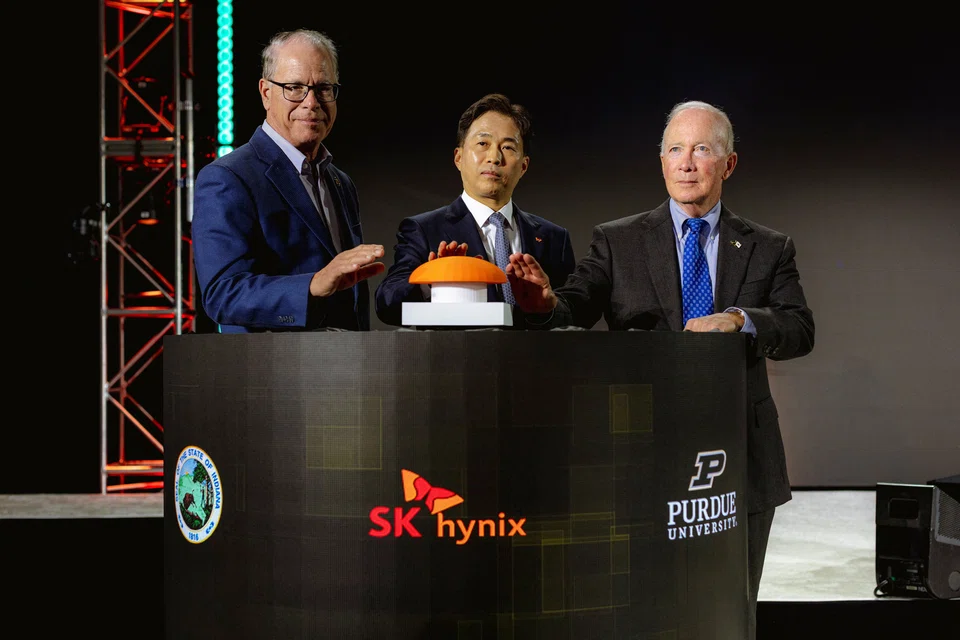
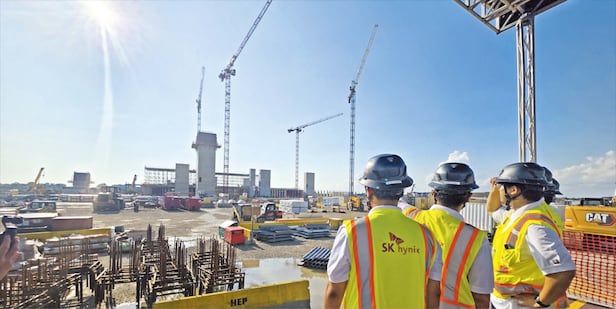
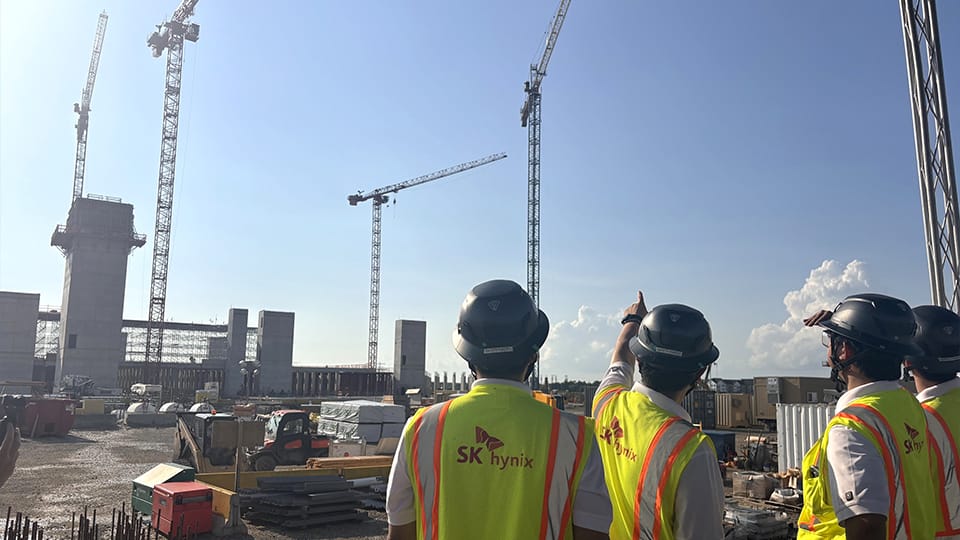
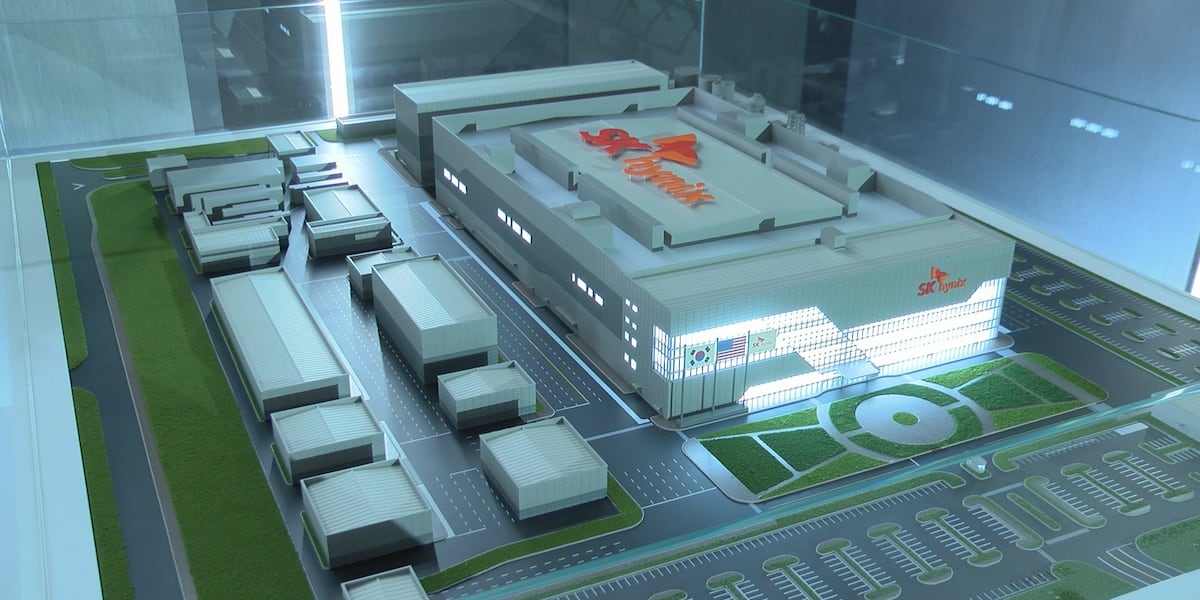
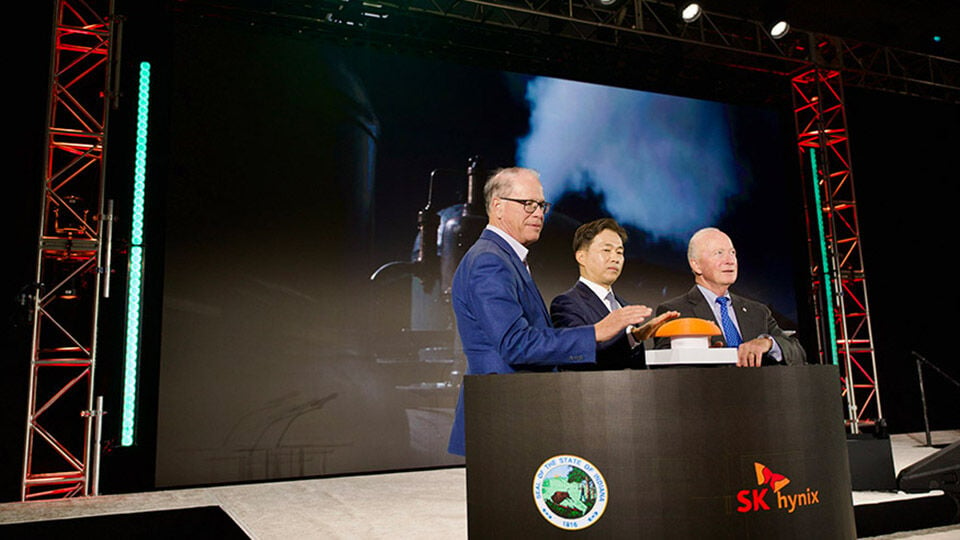
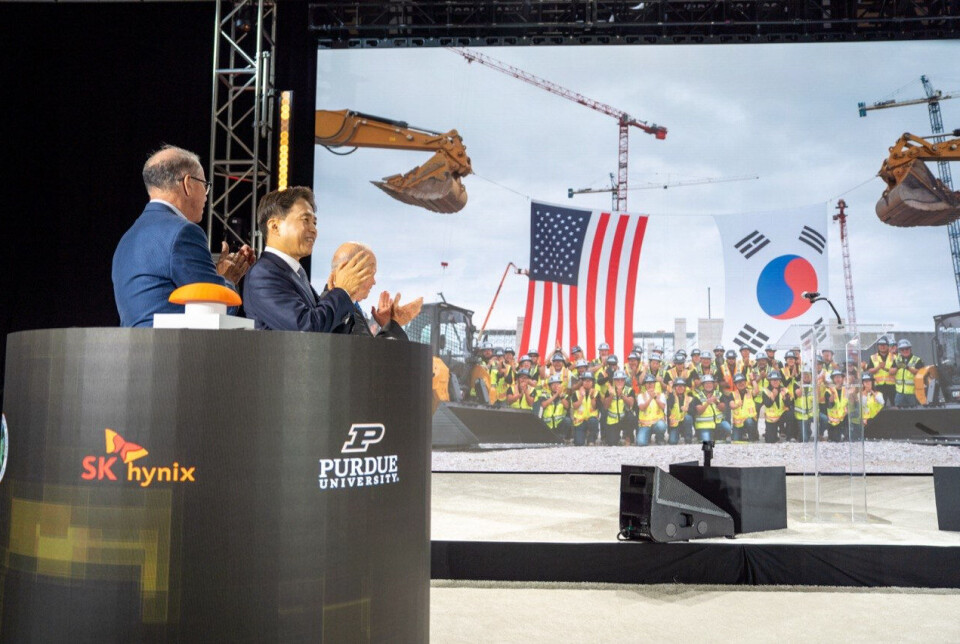
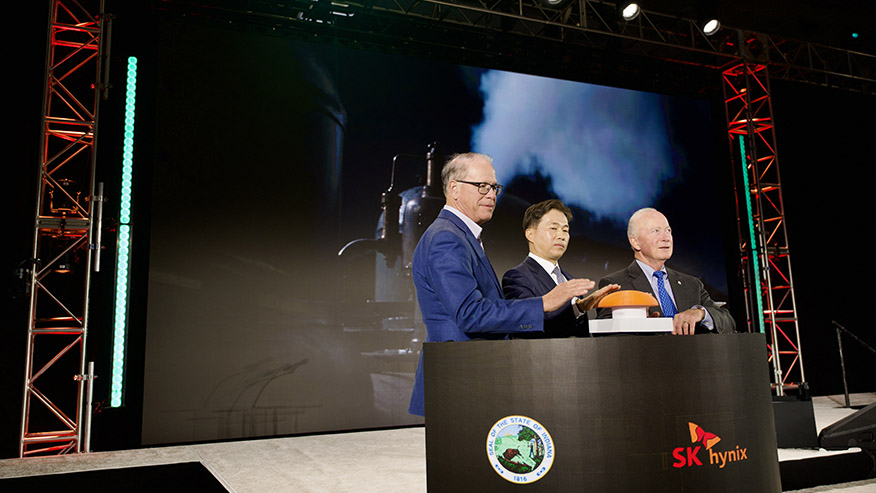
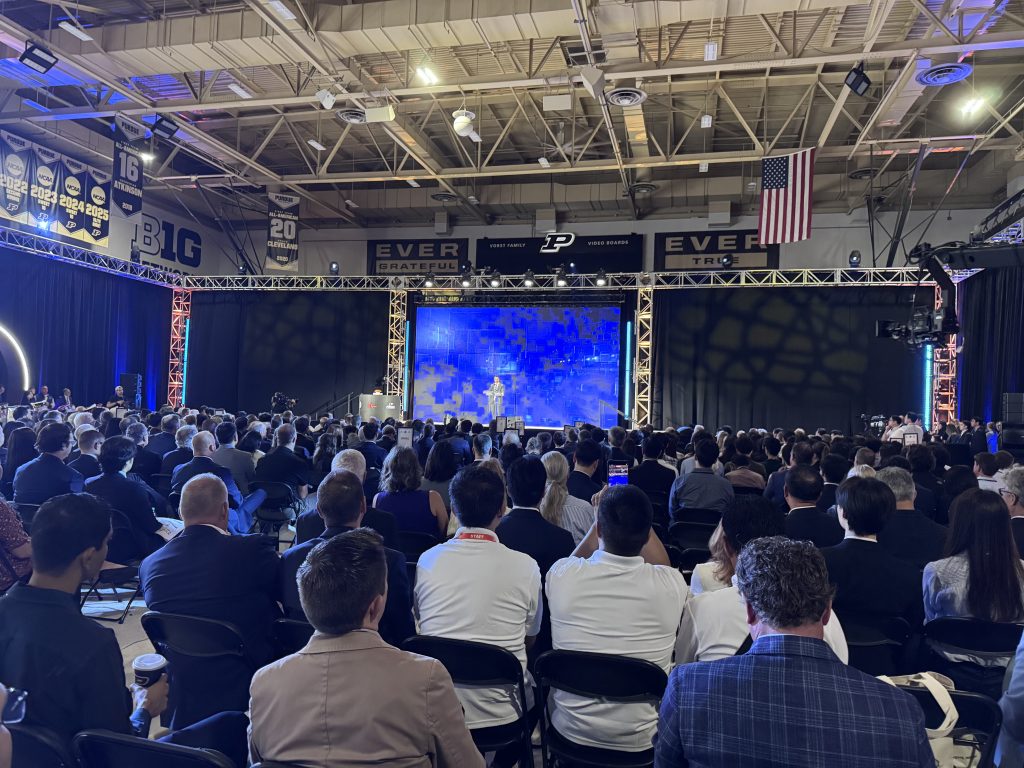
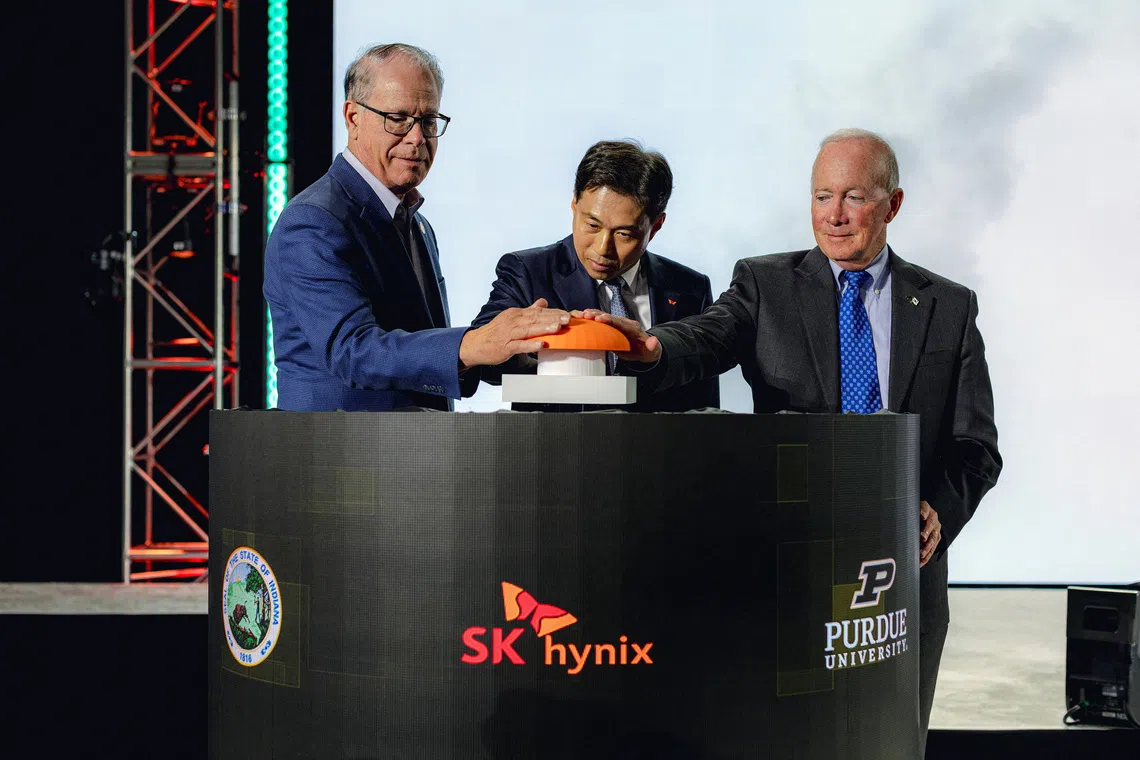
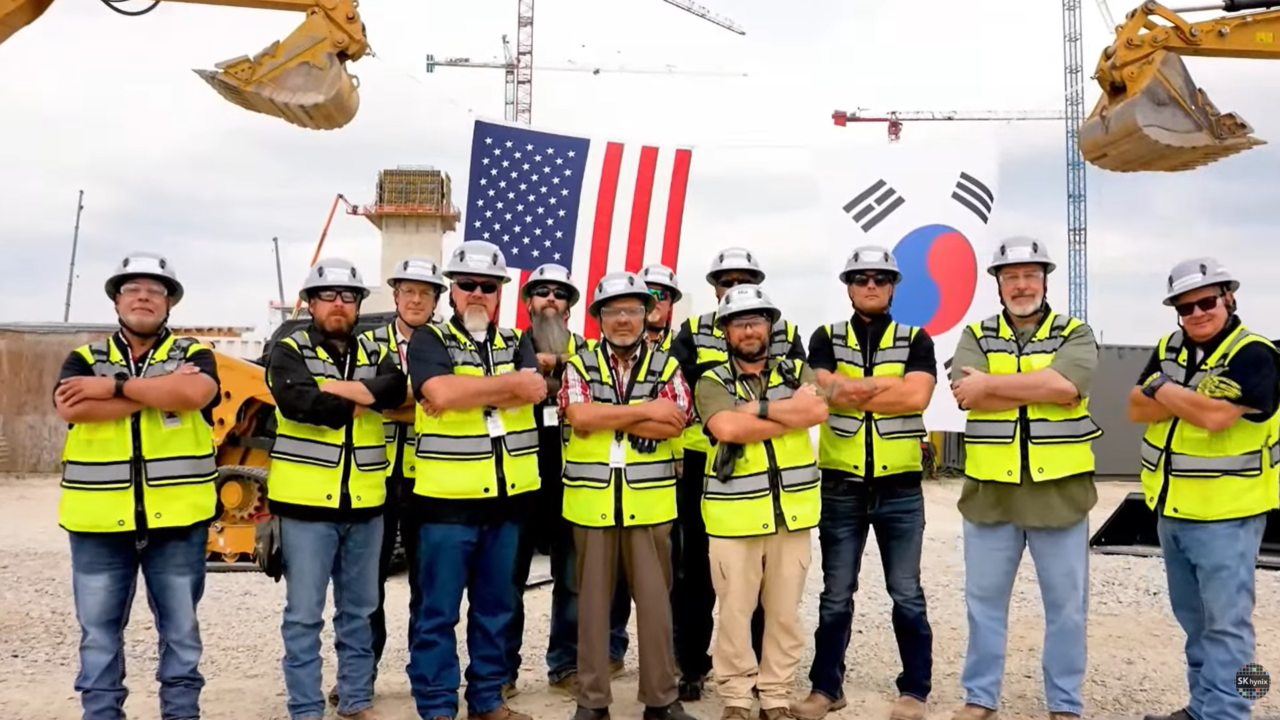
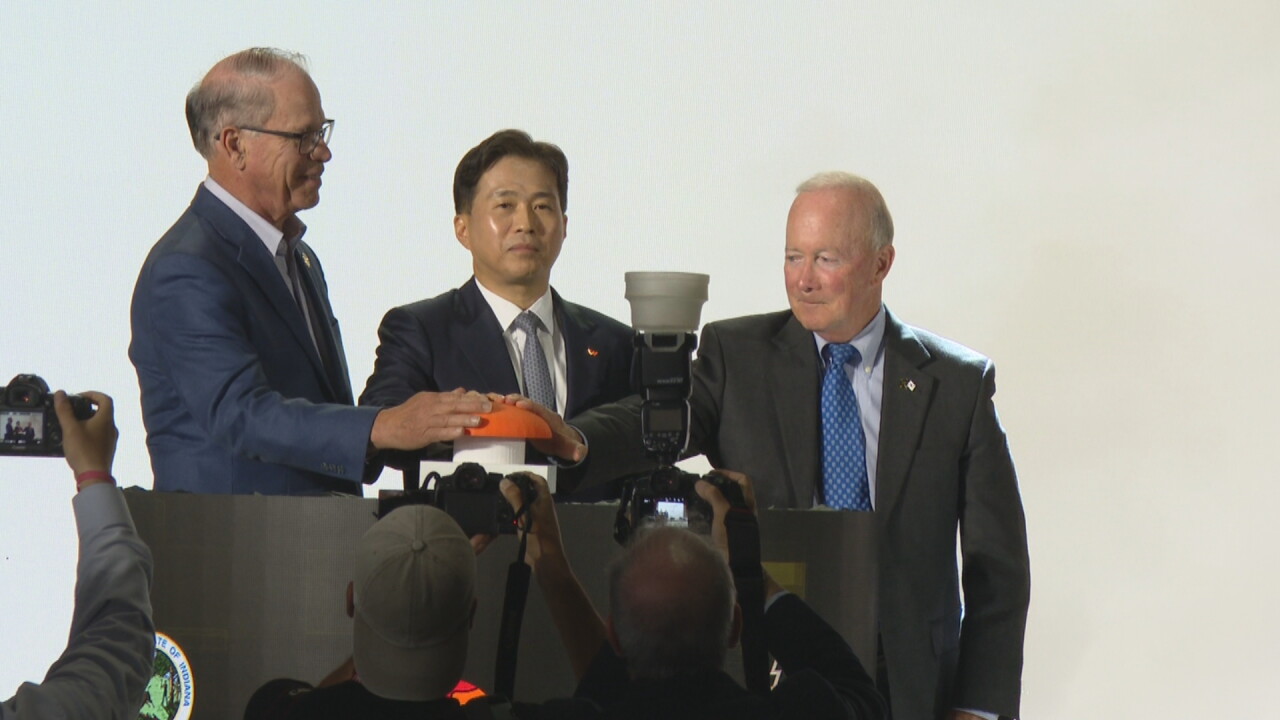
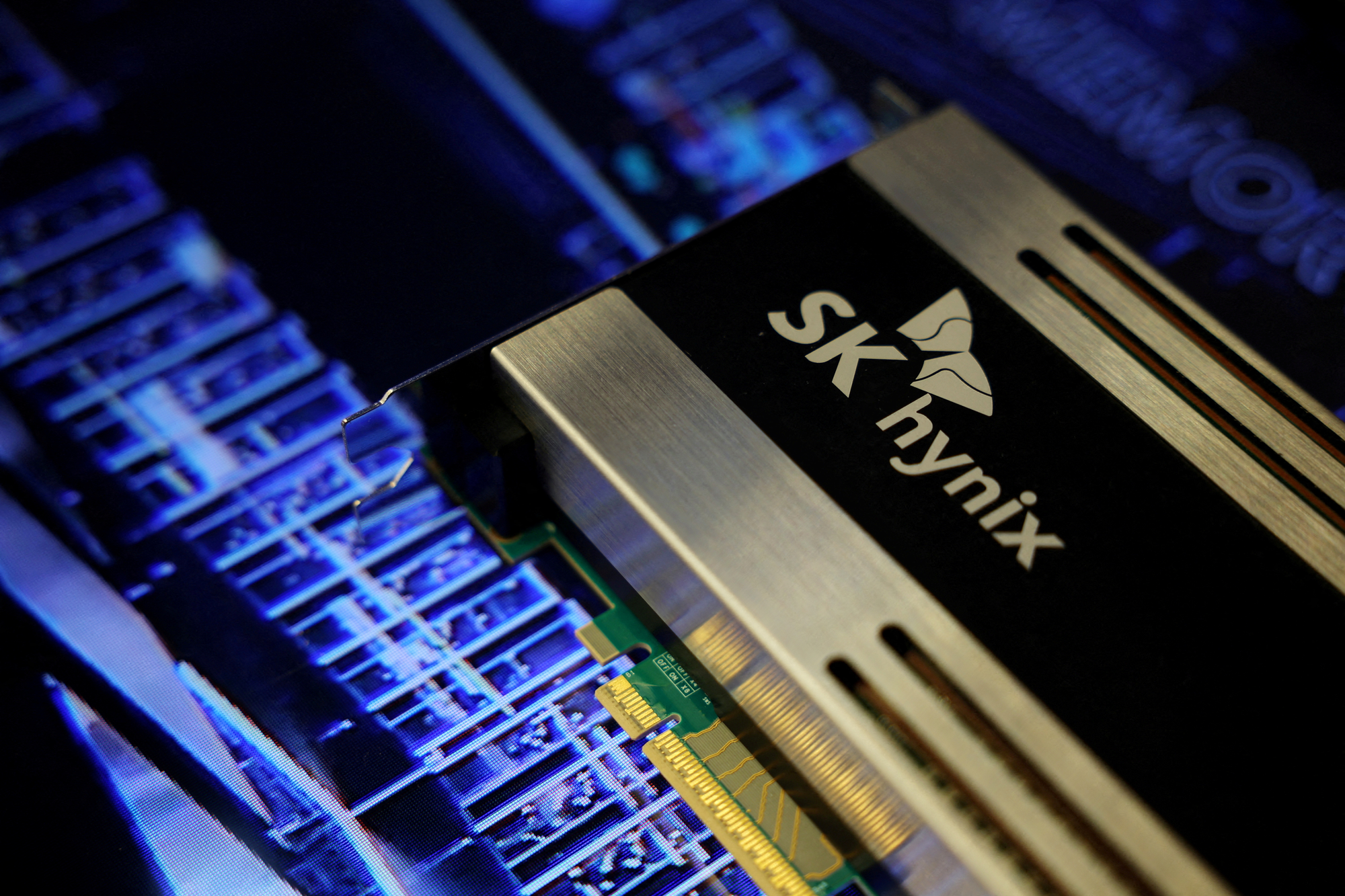
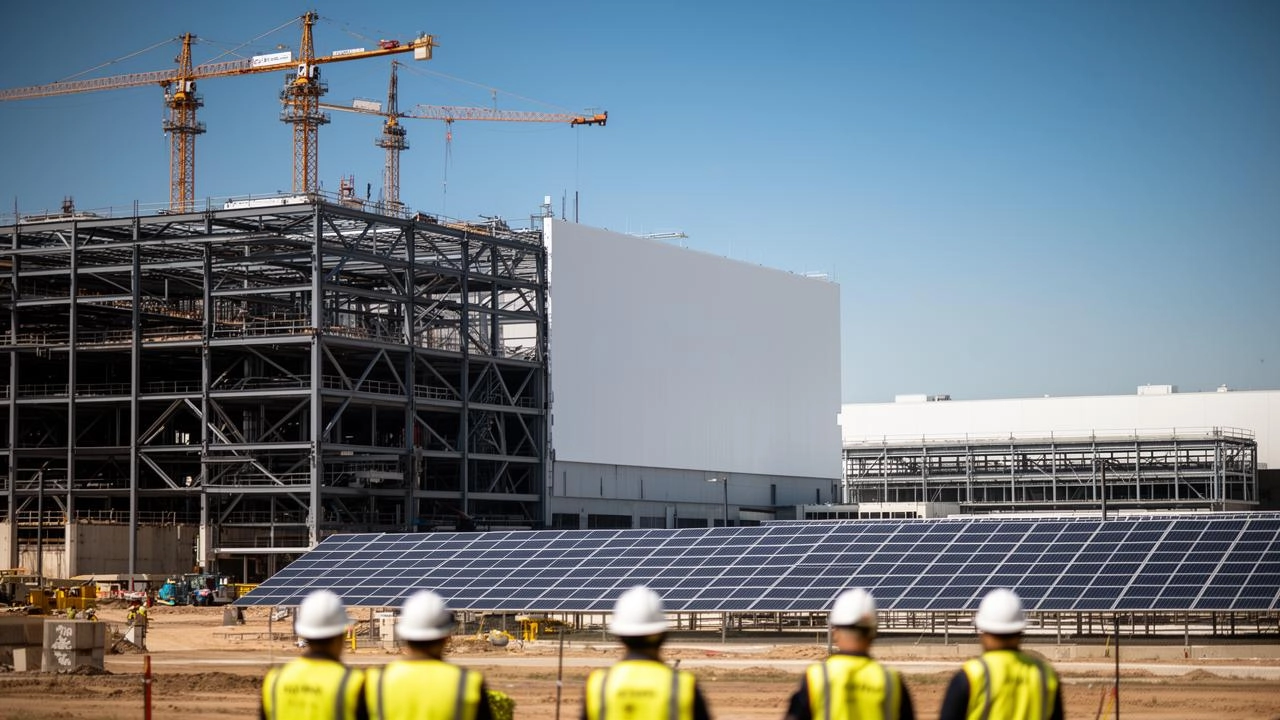
SK Hynix's groundbreaking of its $4 billion advanced packaging facility in West Lafayette, Indiana on August 27, 2026, represents a critical inflection point in global semiconductor supply chain dynamics with direct implications for cross-border e-commerce sellers. The facility will begin cleanroom operations in October 2028 and commence mass production of HBM4E (high-bandwidth memory) chips in Q3 2029, addressing persistent memory shortages expected to extend through end of 2030. This Korea-U.S. integrated production model—where advanced wafers manufactured in South Korea are shipped to Indiana for packaging, testing, and final assembly—creates a "Made in USA" supply corridor that fundamentally alters sourcing economics for electronics sellers.
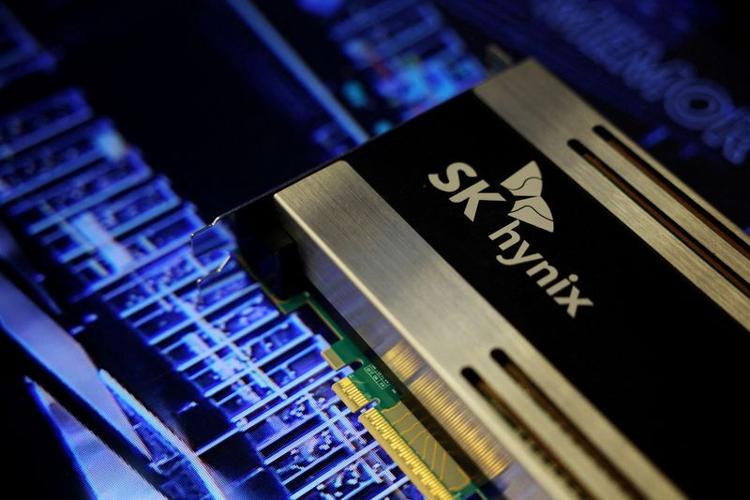
Supply Chain Stabilization Impact: SK Hynix currently dominates the global HBM market with 58% revenue share (Q1 2026), ahead of Samsung (21%) and Micron (21%). The Indiana facility's eventual capacity of hundreds of thousands of wafers annually will directly reduce component costs for AI-enabled consumer electronics, smart home devices, and computing accessories—categories where HBM integration is increasingly critical. The $458 million in CHIPS Act grants plus $500 million in loans (finalized December 2024) and $712 million in Indiana state incentives signal government-backed cost reduction mechanisms that will cascade to downstream electronics manufacturers and resellers.
Competitive Sourcing Advantage: The facility's integrated Korea-U.S. model creates tariff arbitrage opportunities for sellers. Products assembled or packaged in Indiana qualify as "Made in USA," potentially reducing tariff exposure under Section 301 China tariffs and enabling preferential treatment in U.S. government procurement channels. Sellers sourcing HBM-dependent components (AI accelerators, high-performance computing modules, data center equipment) from this facility gain 12-18 month lead time advantage over competitors still dependent on Asian-only supply chains. The 7,000 direct and indirect jobs created locally strengthen Indiana's manufacturing ecosystem, reducing logistics costs for sellers operating 3PL facilities in the Midwest.
Timeline-Driven Opportunity Window: The 2028-2030 production ramp creates a critical 24-month window for sellers to establish supplier relationships and secure allocation before mass production begins. Nvidia's $500 billion deal with SK Group (announced July 2026) and co-development commitments at the Indiana R&D testbed indicate priority customer status will be allocated to early-stage partners. Sellers in computing accessories, AI-enabled smart home devices, and enterprise electronics should initiate supplier conversations immediately to secure Q3 2029+ allocation slots before capacity constraints re-emerge.
Questions 7
When should electronics sellers establish supplier relationships with SK Hynix Indiana facility?
Sellers should initiate supplier relationship conversations immediately (by Q4 2026) to secure allocation priority before mass production begins in Q3 2029. The facility's cleanroom operations begin October 2028, creating a 24-month window for early-stage partnerships. Nvidia's $500 billion deal with SK Group and co-development commitments indicate that priority customer status will be allocated to established partners first. Sellers in computing accessories, AI-enabled smart home devices, and enterprise electronics should contact SK Hynix's North American sales team to discuss allocation slots, custom memory specifications, and long-term supply agreements. Waiting until 2029 production ramp risks allocation constraints and higher pricing as demand from major cloud providers (Microsoft, Google) consumes available capacity.
What tariff advantages do Made in USA HBM components provide for cross-border sellers?
Products assembled or packaged at SK Hynix's Indiana facility qualify as Made in USA, providing significant tariff arbitrage benefits. Sellers can reduce Section 301 China tariff exposure (currently 25-60% on semiconductor components) by sourcing HBM-dependent products from the Indiana facility rather than Chinese suppliers. Additionally, Made in USA designation enables preferential treatment in U.S. government procurement channels (GSA Schedule, federal contracts) and state-level buy-American initiatives, creating new B2B sales channels. The facility's R&D testbed collaboration with Nvidia and other AI customers signals that custom memory solutions developed there will carry Made in USA certification, allowing sellers to market products as domestically-sourced to compliance-conscious enterprise buyers.