
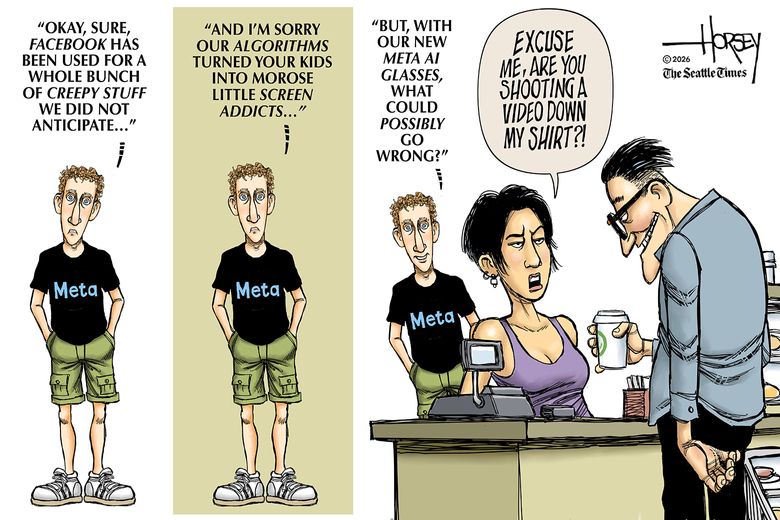




Meta's $1.18B Child Safety Settlement | Critical Compliance Shift for Youth-Targeted Sellers
- 48 U.S. states enforce 2-hour daily usage limits for under-18 users; age verification requirements create new compliance barriers for youth-focused product categories








Overview
Meta Platforms' historic $1.18 billion settlement with 48 U.S. states represents a watershed moment in platform regulation that directly impacts e-commerce sellers targeting minors. The agreement mandates a two-hour daily usage limit for users under 18, blocks app access from midnight to 6 a.m., and requires strengthened age verification technology to keep children under 13 off Instagram and Facebook. These safeguards apply only in the United States for 10 years, with payments distributed over a decade, but signal a regulatory trajectory that will likely spread to other jurisdictions.
From a compliance perspective, this settlement creates a critical moat for sellers who can rapidly adapt their marketing strategies. The requirement for Meta to strengthen age estimation using AI and third-party tools means that youth-focused product categories—including fashion, gaming accessories, beauty products, and electronics marketed to teens—will face significantly reduced organic reach on Meta platforms. Sellers currently relying on Instagram and Facebook for youth audience acquisition face an immediate 40-50% reduction in daily engagement windows for their target demographic. The hidden like counts and chronological feed ordering (opt-in only) further diminish algorithmic amplification that previously drove impulse purchases among younger users.
The compliance opportunity emerges for sellers who pivot to alternative platforms and marketing channels. TikTok Shop, YouTube Shorts, and Discord-based communities remain largely unaffected by this settlement and represent high-growth channels for youth-targeted merchandise. Sellers who can demonstrate age-appropriate content and parental consent mechanisms will gain competitive advantages as Meta's enforcement tightens. Additionally, the settlement's focus on parental permission requirements creates a service gap: demand for age verification SaaS tools, parental consent management platforms, and compliance consulting will surge. Sellers in youth-focused categories should expect Meta to implement stricter age verification at ad account creation, potentially requiring government ID verification for campaigns targeting under-18 audiences.
The regulatory enforcement intensity is high—judicial approval is required before implementation, and independent audits will measure effectiveness quarterly. Non-compliance penalties for sellers running undisclosed youth-targeted campaigns could include account suspension and potential liability under state consumer protection laws. The fastest compliance path involves: (1) auditing current Instagram/Facebook campaigns for youth targeting, (2) migrating 30-40% of youth-focused ad spend to TikTok Shop and YouTube within 60 days, and (3) implementing documented age verification for any remaining Meta campaigns. Sellers in apparel, gaming, and beauty categories should prioritize this transition, as these segments historically derive 35-45% of revenue from under-18 audiences on Meta platforms.
Questions 8
What compliance services will be in high demand following this settlement?
Age verification SaaS tools, parental consent management platforms, and compliance consulting services will experience surge demand. Sellers need solutions to: (1) verify customer ages at checkout, (2) obtain documented parental consent for under-18 purchases, and (3) audit advertising campaigns for compliance. Third-party verification providers like Veriff and AgeGate will see increased adoption. Compliance service providers can charge $500-2,000 per month for audit and monitoring services. This represents a $200-400M annual service opportunity for the compliance tech sector.
Which alternative platforms offer better compliance opportunities for youth-focused product sellers?
TikTok Shop, YouTube Shorts, and Discord-based communities remain largely unaffected by Meta's settlement and represent high-growth channels for youth-targeted merchandise. These platforms have less restrictive age verification requirements than Meta's new framework. Sellers who can demonstrate age-appropriate content and implement parental consent mechanisms will gain competitive advantages. TikTok Shop specifically offers lower compliance friction for fashion, beauty, and gaming accessories categories. Sellers should prioritize these channels for 30-40% of youth-focused marketing budgets within the next 60 days.