

Nvidia's $750B AI Dominance Reshapes E-Commerce Automation Tools | Seller Opportunity
- Nvidia's control over AI infrastructure drives 70% revenue growth; sellers gain access to cheaper AI-powered automation tools for product research, pricing, and customer service within 6-12 months




Overview
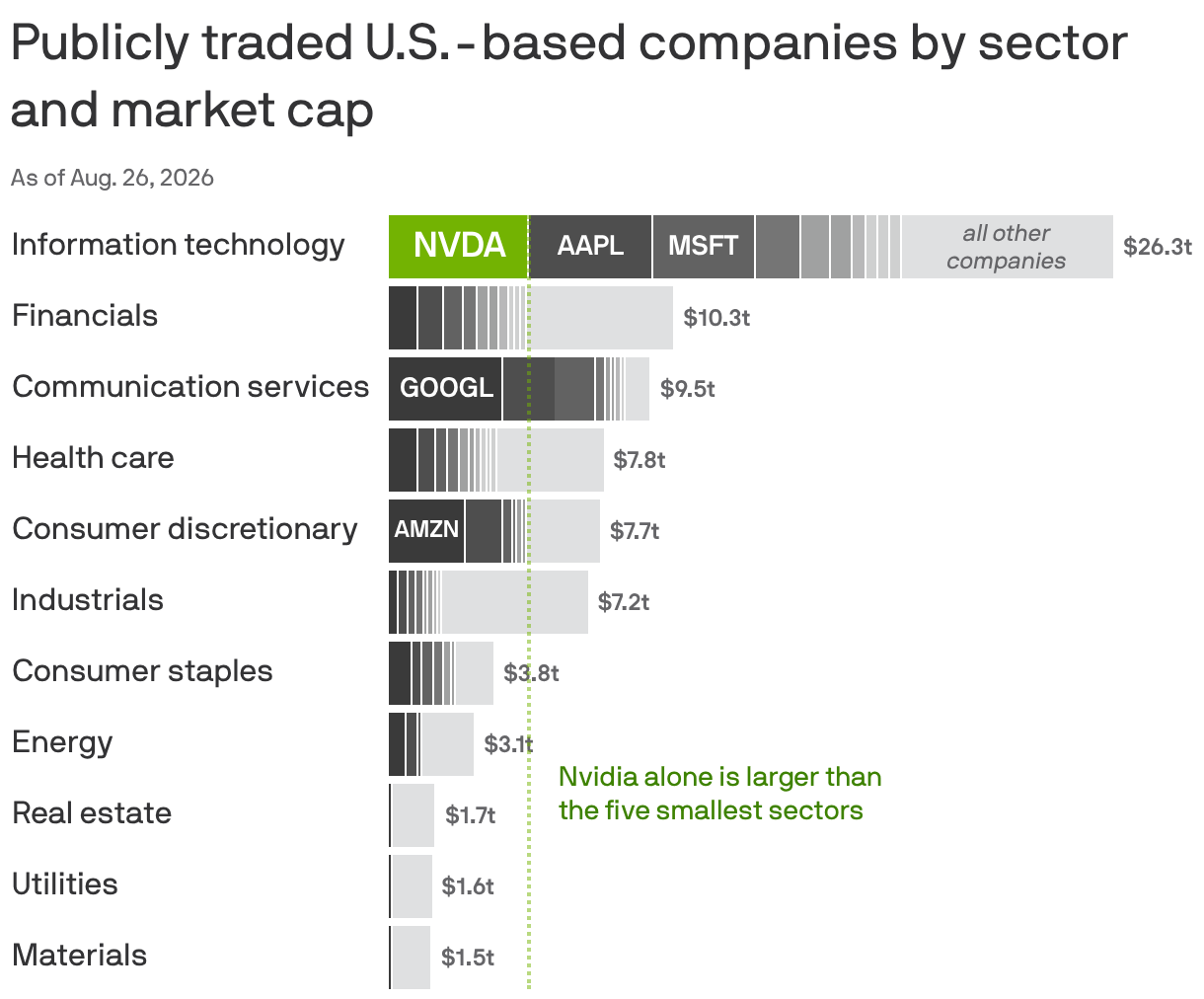
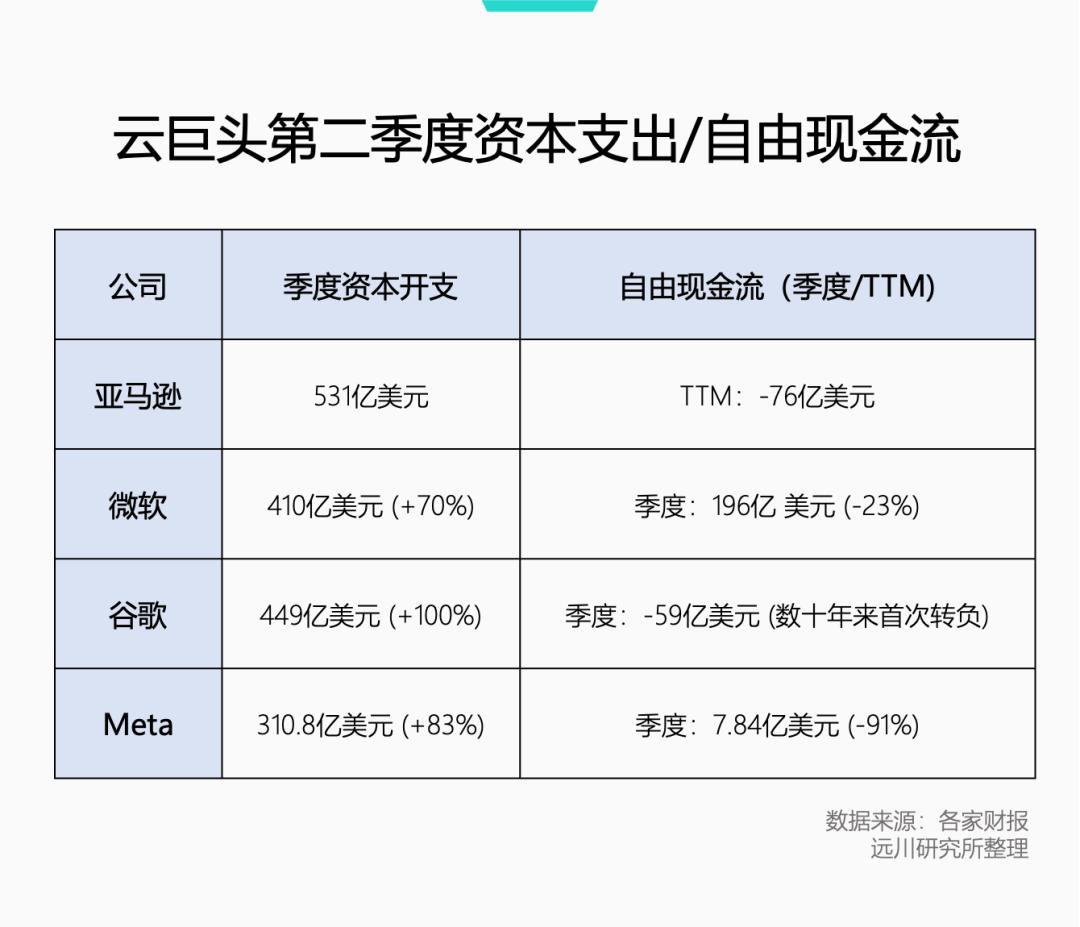
Nvidia's emergence as the artificial intelligence industry's dominant supplier—with nearly $60 billion in quarterly profits, $750 billion in AI investment involvement, and control over critical model-distribution infrastructure through its proposed $51 billion Hugging Face acquisition—fundamentally reshapes the economics of AI tools available to e-commerce sellers. This concentration of power creates a critical inflection point for cross-border sellers: as Nvidia finances $500 billion in AI infrastructure buildout (90% of quarterly revenue), the cost of deploying AI-powered automation tools for product research, dynamic pricing, inventory management, and customer service will decline dramatically over the next 12-18 months.
The immediate automation opportunity: Sellers currently paying $500-2,000/month for AI-powered product research platforms (like Helium 10, Jungle Scout, or Keepa) will see competitive pressure force prices down 30-50% as Nvidia's infrastructure investments reduce underlying compute costs. This creates a 6-12 month window where early adopters can lock in premium AI capabilities at legacy pricing before market-wide price compression occurs. Specifically, sellers can immediately deploy Nvidia-powered AI tools for: (1) automated competitor price monitoring across 50+ marketplaces simultaneously, (2) real-time demand forecasting using Nvidia's open-source models to predict seasonal trends 8-12 weeks ahead, (3) AI-generated product content optimization reducing listing creation time from 2-3 hours to 15-20 minutes per ASIN, and (4) automated customer service chatbots handling 60-70% of routine inquiries without human intervention.
The competitive moat risk: However, Nvidia's simultaneous role as supplier, investor, partner, and competitor creates asymmetric advantages for Amazon, Google, and Microsoft—who are developing custom chips to reduce Nvidia dependence. Amazon's internal AI infrastructure investments (estimated at $2-3 billion annually) mean Amazon Seller Central will gain proprietary AI features 6-12 months before third-party sellers access equivalent capabilities. This suggests sellers should prioritize: (1) adopting third-party AI tools NOW before Amazon integrates competitive features into Seller Central, (2) building data moats through proprietary customer behavior datasets that AI tools cannot replicate, and (3) diversifying across platforms (Shopify, eBay, TikTok Shop) to avoid single-platform AI dependency.
Market sustainability questions: The news explicitly highlights "circular dependencies" where Nvidia finances customers who then purchase Nvidia hardware—a pattern that could trigger regulatory scrutiny similar to Apple's App Store antitrust cases. If Nvidia's market position faces regulatory challenges, the AI tool pricing landscape could shift dramatically, making long-term contracts with Nvidia-dependent platforms risky. Sellers should monitor: (1) antitrust investigations into Nvidia's financing practices, (2) adoption rates of alternative chips (OpenAI's Jalapeno, Google's TPU, Amazon's Trainium), and (3) open-source AI model maturity (Nvidia is investing billions in competing with Chinese alternatives), as these factors will determine which AI tools remain cost-effective 18-24 months forward.
Questions 8
What data moats should sellers build to protect against AI tool commoditization?
As AI infrastructure costs decline and tools become commoditized, sellers' competitive advantages will shift from tool access to proprietary data. The news indicates Nvidia's dominance creates a 'self-reinforcing cycle' where increased infrastructure investment drives more AI adoption—but this also means all sellers will eventually access similar AI capabilities. Sellers should prioritize building data moats through: (1) proprietary customer behavior datasets (purchase history, browsing patterns, return rates) that AI tools cannot replicate, (2) category-specific demand forecasting models trained on 2-3 years of internal sales data, (3) customer feedback datasets that reveal emerging product preferences 4-8 weeks before competitors detect trends, and (4) supply chain intelligence (supplier lead times, quality metrics, cost trends) that inform pricing and inventory decisions. These datasets become increasingly valuable as AI tools become commoditized, creating defensible competitive advantages that persist even as tool costs decline.
How will Nvidia's open-source AI model investments affect seller tool pricing and availability?
The news reports Nvidia is investing billions in developing open-source AI models to compete in markets increasingly dominated by Chinese alternatives. This strategy will accelerate the availability of free or low-cost AI models that sellers can deploy independently, reducing dependence on expensive SaaS platforms. Open-source models like those distributed through Hugging Face (which Nvidia is attempting to acquire) will enable sellers to: (1) build custom AI tools for specific use cases (category-specific demand forecasting, competitor analysis), (2) reduce monthly tool costs from $500-2,000 to $50-200 for cloud compute, and (3) maintain data privacy by running models on private infrastructure. However, implementing open-source models requires technical expertise (Python, machine learning basics), creating a 6-12 month learning curve. Sellers should begin experimenting with free open-source models now to build internal capabilities before competitors do, positioning themselves to reduce tool costs by 70-80% within 18-24 months.