





Old Navy CEO Overhaul Signals Major Retail Repositioning | Apparel Sellers Must Adapt to New Brand Strategy
- Gap appoints Target/Walmart veteran Michael Francis as Old Navy CEO after 4% comparable sales decline; stock surges 24.1% on August 28, 2026, signaling major merchandising and O2O strategy shift for family apparel category











Overview
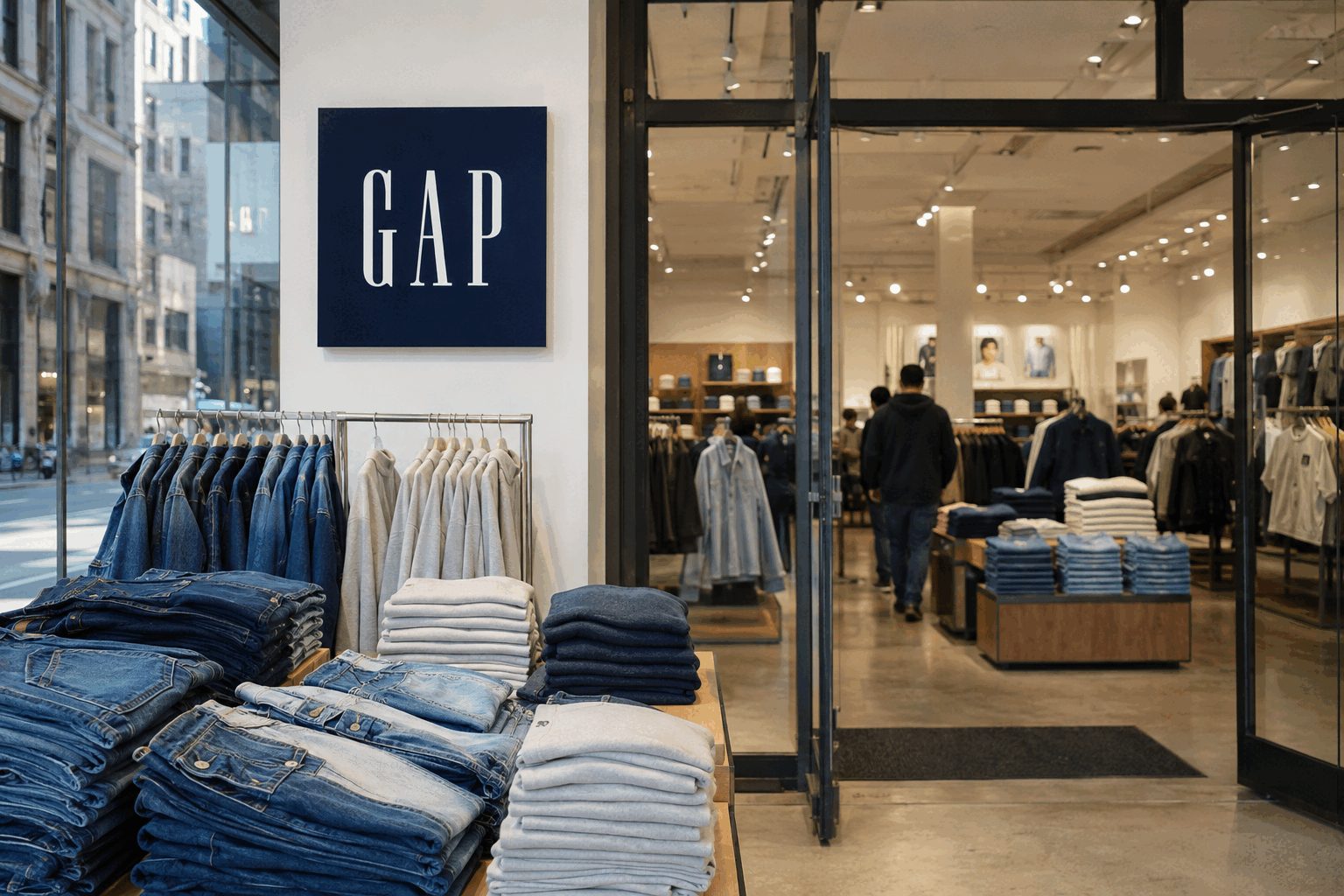
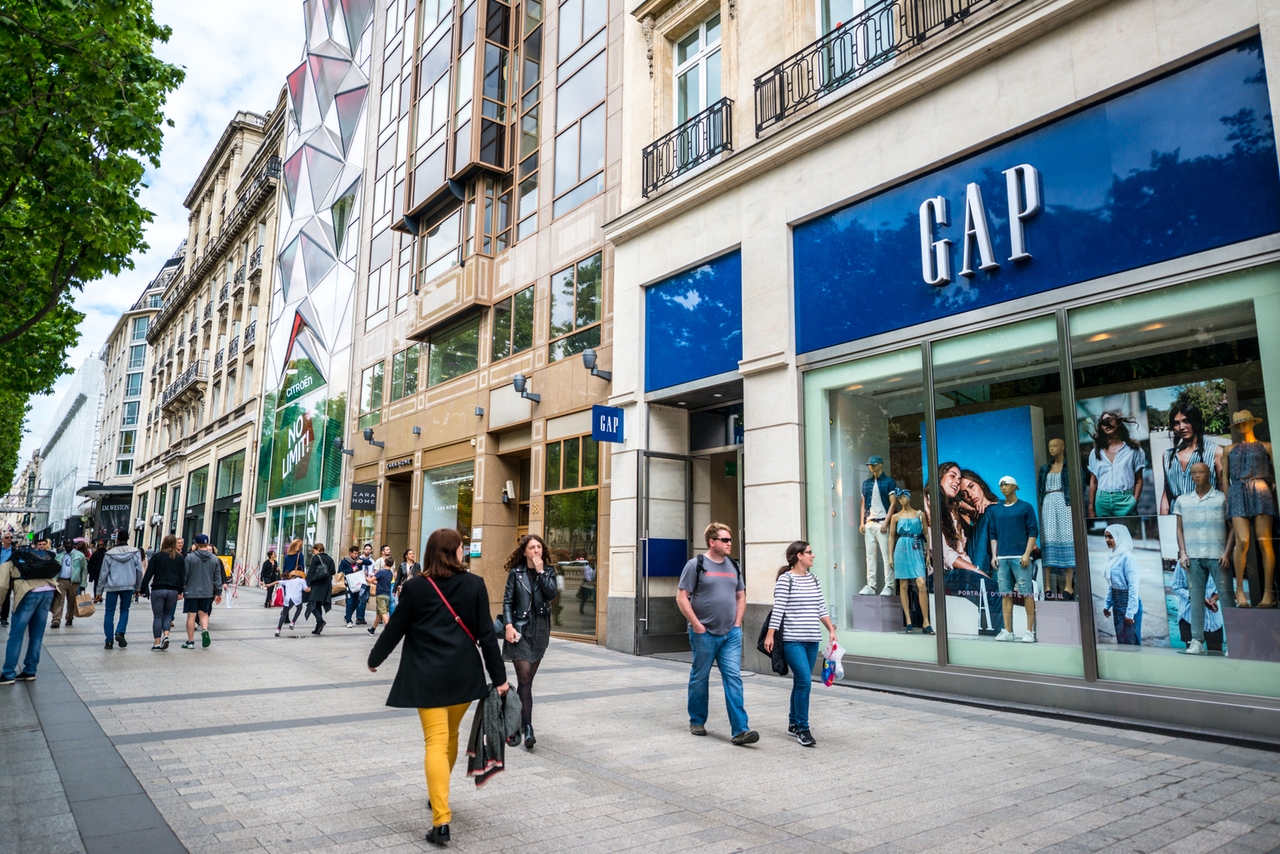
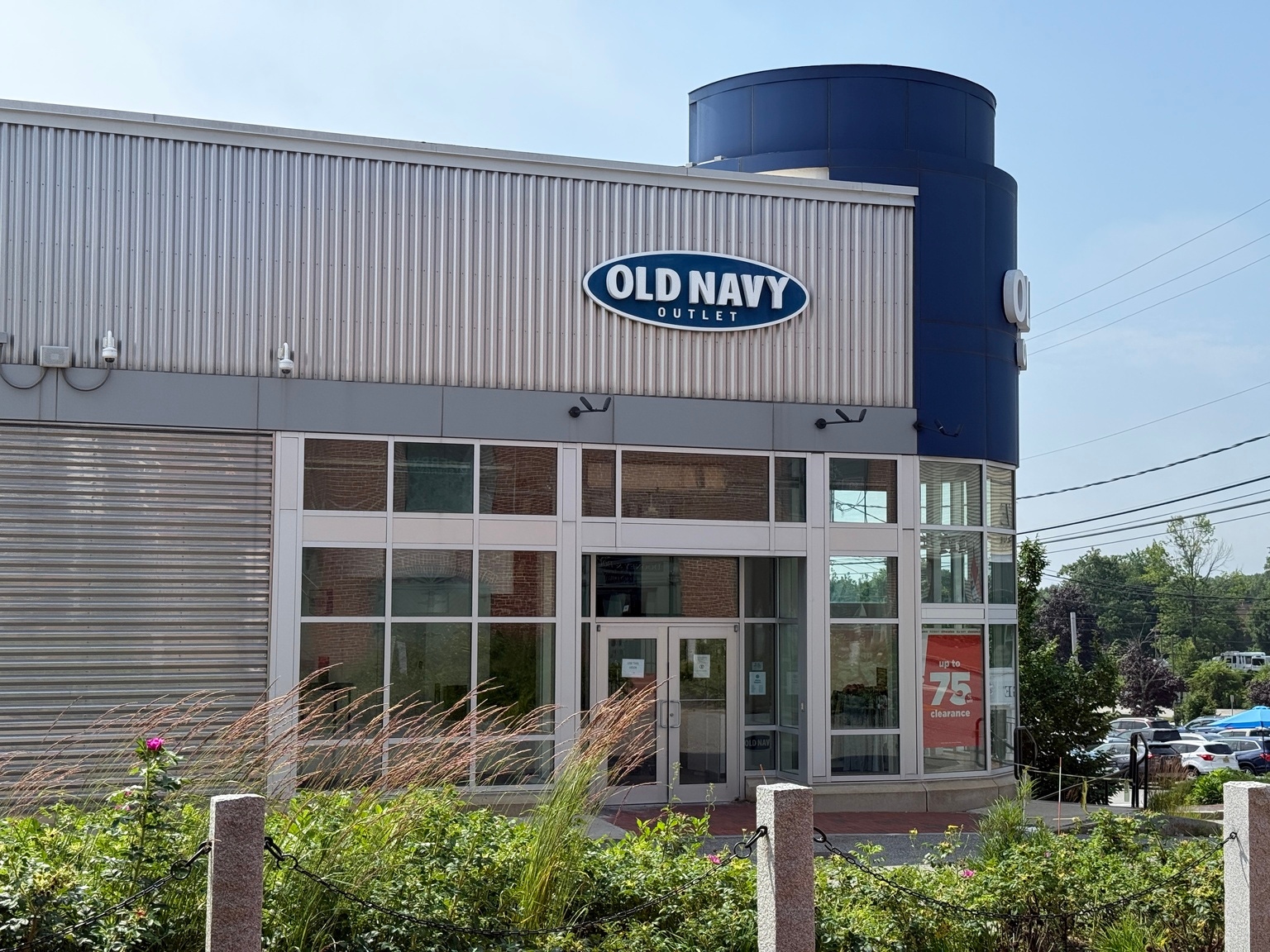
Gap Inc.'s appointment of Michael Francis as Old Navy CEO on August 28, 2026, represents a critical inflection point for the $8B+ family apparel category and signals major strategic repositioning that directly impacts third-party apparel sellers across Amazon, Walmart Marketplace, and specialty retail channels. The leadership change follows Old Navy's first comparable sales decline in 12 quarters (-4% in latest period), with particular weakness in women's apparel—a category representing 35-40% of Old Navy's revenue mix. Francis brings 40+ years of retail transformation experience from Target and Walmart, where he led customer-centric merchandising and omnichannel integration strategies.
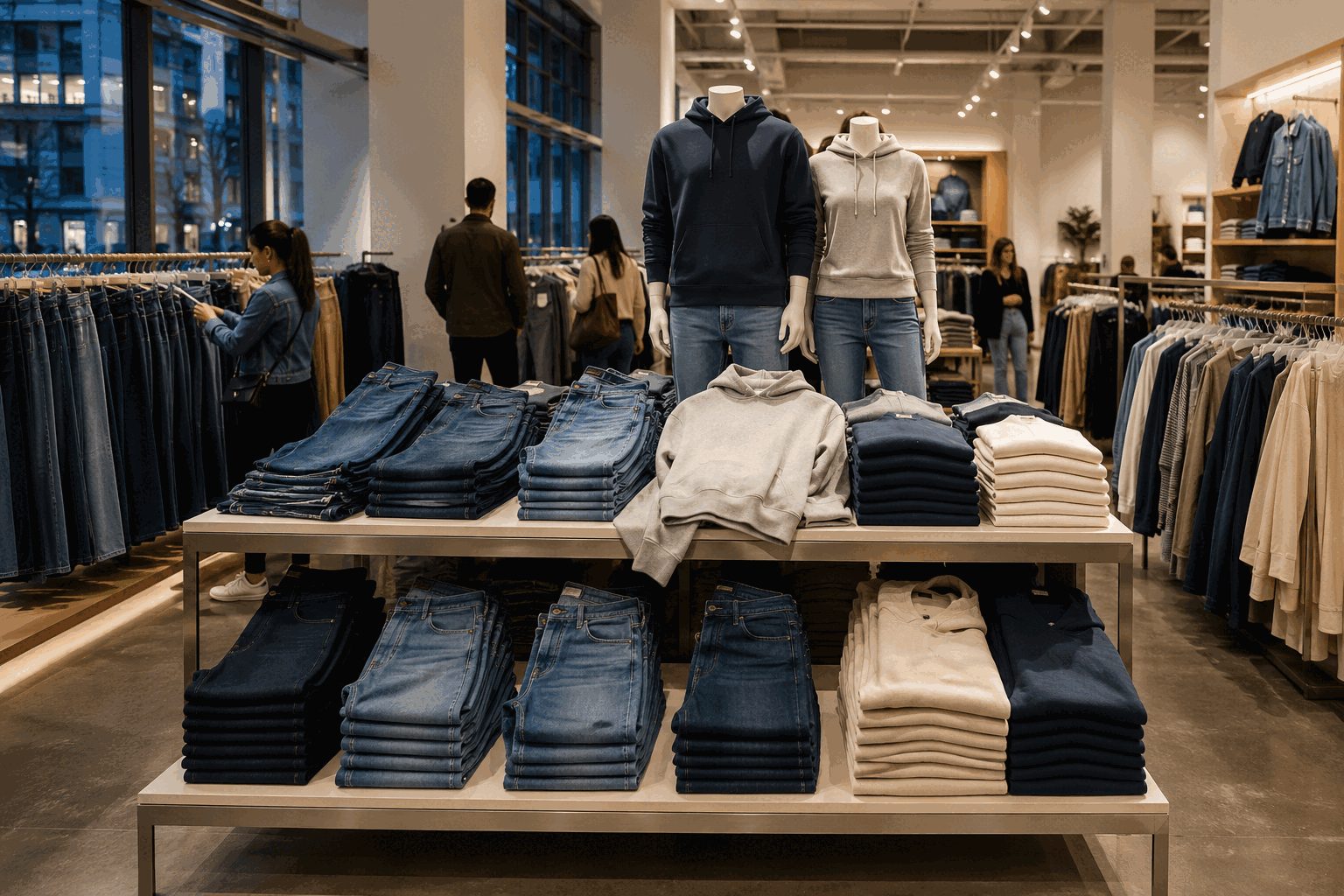
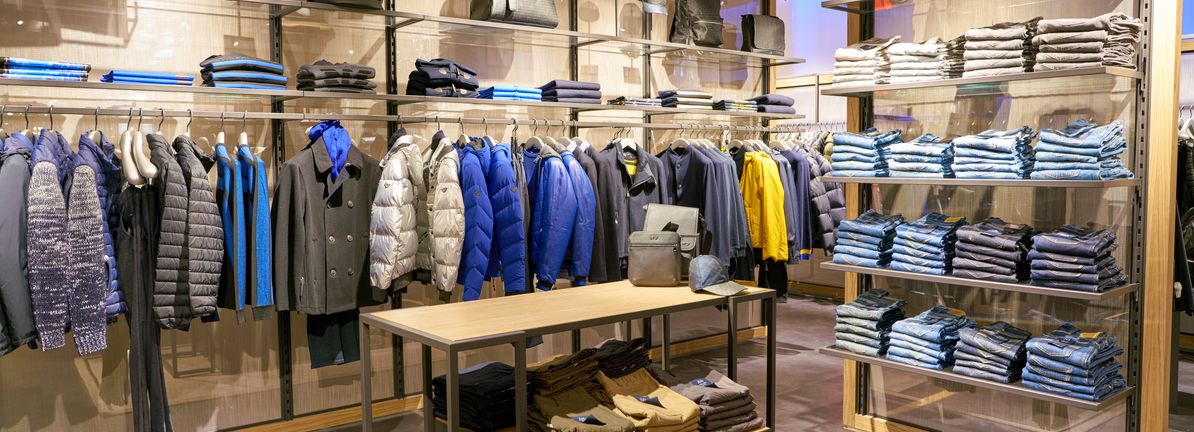
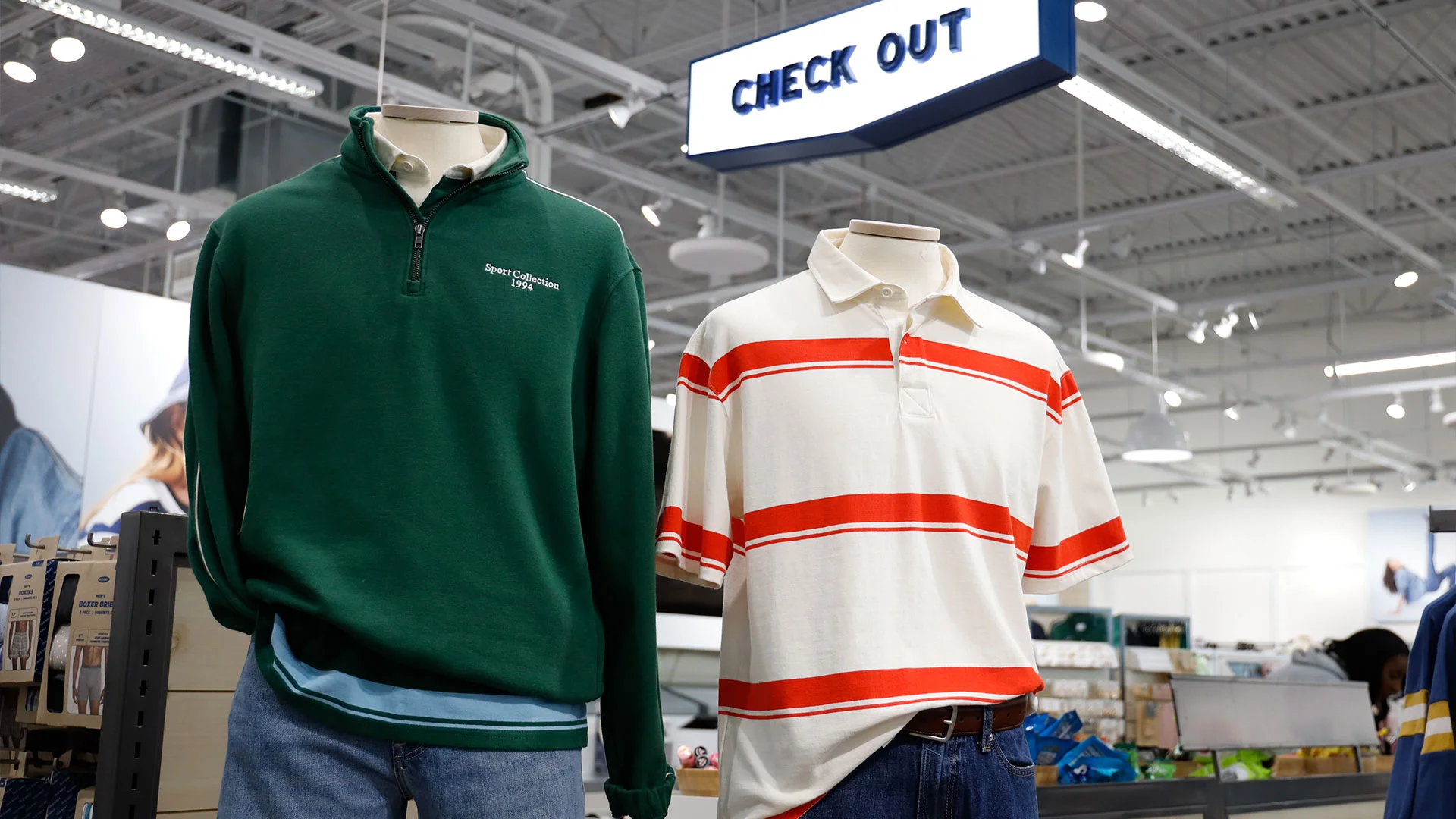
For third-party apparel sellers, this transition creates immediate O2O opportunities and supply chain risks. Old Navy's historical strength in family basics (t-shirts, jeans, casual wear) at $15-35 price points directly competes with Amazon FBA sellers in the apparel category, which generated $47B in US cross-border sales in 2024. Francis's appointment suggests Gap will likely implement aggressive merchandising changes, inventory optimization, and enhanced in-store experiences to recapture family demographics—the core audience that has shifted to value-focused online channels like Shein, Temu, and Amazon Basics. Sellers currently supplying similar products to Old Navy's wholesale partners or competing directly on Amazon should expect: (1) increased promotional velocity from Old Navy (margin compression for competitors), (2) potential wholesale order reductions as Gap optimizes SKU counts, and (3) accelerated shift toward experiential retail and pop-up formats to drive foot traffic.
The broader retail trend Francis's appointment reflects—experienced leaders reviving struggling brands (similar to Tapestry's Jonathan Saunders at Kate Spade)—indicates major retailers are investing in brand differentiation rather than pure price competition. This creates a critical window for third-party sellers: Gap's narrowed fiscal 2026 sales guidance and economic uncertainty mean Old Navy will likely reduce wholesale orders and focus on proprietary merchandise. Sellers should immediately assess their exposure to Old Navy wholesale channels and pivot inventory toward direct-to-consumer Amazon/Shopify channels where they control brand positioning. The 10% overall comparable sales growth at Gap (vs. Old Navy's -4%) demonstrates that Gap and Banana Republic's repositioning strategies are working—suggesting Francis will apply similar customer-centric, experience-driven approaches to Old Navy's store network and online presence. For sellers, this means competing on brand story and customer experience, not just price, particularly in the family apparel segment where Old Navy historically dominated.
Questions 8
What O2O (Online-to-Offline) opportunities emerge from Old Navy's leadership change and turnaround strategy?
Francis's background in retail transformation at Target and Walmart suggests Old Navy will invest heavily in experiential retail, pop-up stores, and integrated online-offline experiences to recapture family demographics. This creates immediate opportunities for third-party sellers: (1) Pop-up partnerships in high-traffic family-oriented venues (malls, lifestyle centers) in major metros (NYC, LA, Chicago, Dallas) where Old Navy is testing new formats; (2) Wholesale supply to Old Navy's expanded private label and exclusive product lines; (3) Co-marketing opportunities through Old Navy's digital channels to reach family demographics. Sellers should identify 3-5 high-ROI pop-up locations in metros with 500K+ family households and approach Old Navy's new merchandising team with exclusive product concepts that align with Francis's customer-centric strategy. Historical data shows pop-up apparel stores in family-focused venues generate 15-25% higher conversion rates than traditional retail, with average transaction values 20-30% higher than online.
How does Gap's 10% comparable sales growth contrast with Old Navy's decline, and what does this mean for sellers?
Gap and Banana Republic's 10% comparable sales growth—achieved under CEO Richard Dickson's repositioning strategy—demonstrates that customer-centric merchandising and experience-driven retail work in the current environment. Old Navy's -4% decline indicates its previous strategy failed to differentiate from online competitors. For sellers, this contrast reveals that successful apparel brands in 2026 must compete on brand story and customer experience, not price. Sellers should study Gap and Banana Republic's recent merchandising strategies (available through retail intelligence platforms like Edited, Stylumia) and identify opportunities to partner with or supply similar differentiated product concepts. The 14-percentage-point gap between Gap's growth and Old Navy's decline suggests there's significant market share available for sellers who can position products as premium-value alternatives to both Old Navy's mass-market positioning and Shein/Temu's ultra-low-cost models.