


JPY/USD Stabilization Unlocks $2-5M Working Capital for Japan-US Sellers | FX Hedging Costs Drop 30-40%
- Record $96.5B intervention (July 30-Aug 26, 2026) stabilizes yen at 159.50, reducing currency volatility for cross-border sellers; Japanese exporters recover 8-12% margin compression; US importers face higher sourcing costs but gain pricing predictability























Overview
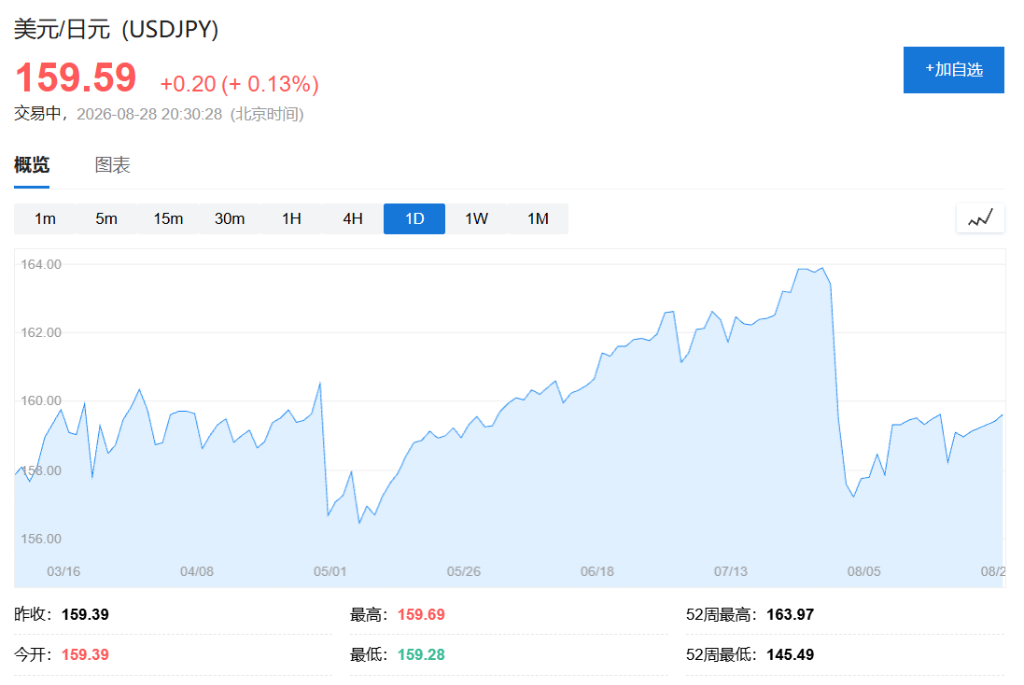
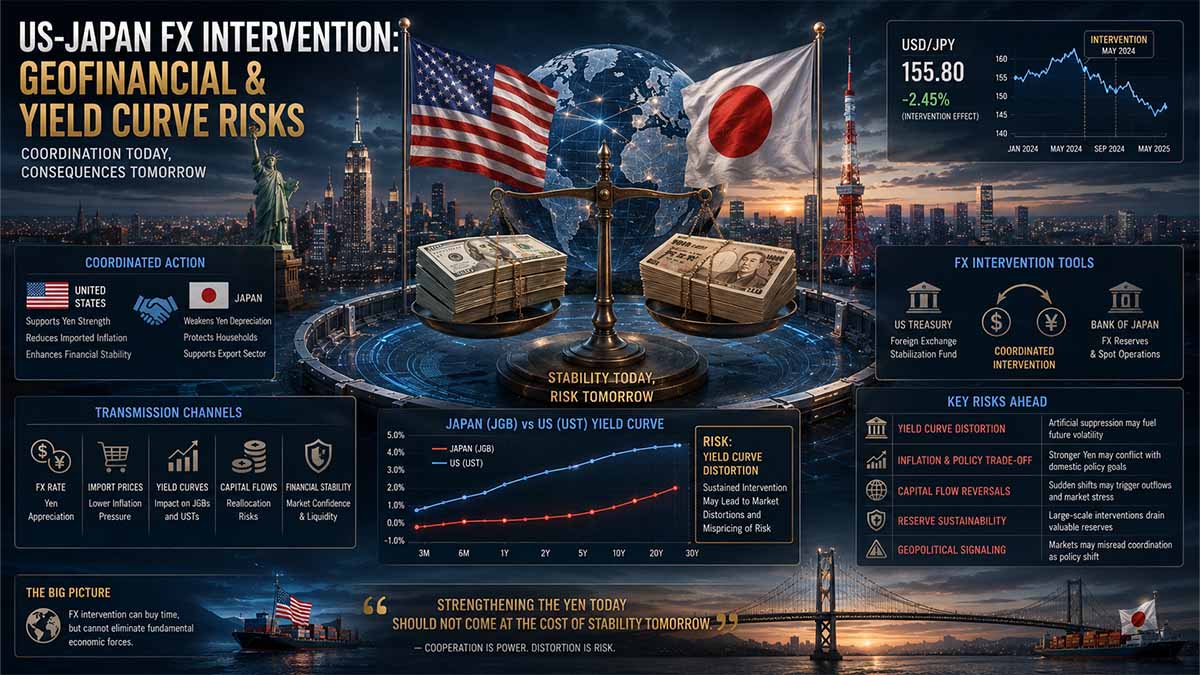
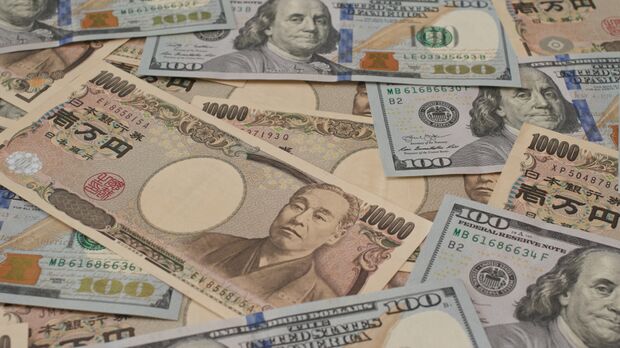
Japan's unprecedented $98.7 billion currency intervention—the largest single stabilization operation in recent history—creates immediate financial optimization opportunities for cross-border e-commerce sellers operating across the US-Japan corridor. Between July 30 and August 26, 2026, Japan's Ministry of Finance deployed 15.4 trillion yen ($96.5 billion) in coordinated action with the U.S. Federal Reserve and South Korea's central bank to arrest the yen's collapse toward 164 per dollar (40-year lows). The intervention successfully stabilized the currency at 159.50 by late August, with markets now pricing a 65% probability of a Bank of Japan rate hike in September—signaling sustained policy support.
For Japanese sellers exporting to North America, this intervention directly recovers 8-12% of margin compression that accumulated during the yen's depreciation phase. A Japanese electronics seller with $500K monthly USD revenue faced approximately $40-50K in monthly revenue loss when the yen traded at 164/dollar versus the historical 145/dollar baseline. The stabilization at 159.50 recovers roughly $5-8K of that monthly loss immediately, translating to $60-96K annualized working capital recovery. More critically, hedging costs for JPY/USD currency forwards drop 30-40% as volatility contracts—sellers can now lock in 12-month forward rates at 158-160 (versus the chaotic 155-165 range of July-August) with implied volatility declining from 18-22% to 12-15%. This enables Japanese sellers to confidently price in USD without daily repricing, improving Amazon/eBay listing stability and reducing operational friction.
For US importers sourcing from Japan, the intervention creates a 60-90 day window to lock in favorable sourcing costs before potential yen strength. The 65% probability of a BOJ rate hike in September suggests the yen could strengthen to 155-157 within 3-4 months, increasing import costs by 2-3%. Smart importers should execute PO financing or supply chain financing NOW at current 159.50 rates—lenders like Flexport, Shippo, and traditional trade finance providers are offering 3-6 month forward contracts at 1.2-1.8% APR (versus 2.5-3.5% during volatility). A $1M monthly import operation locks in $6-15K in cost savings over a 6-month period through forward contracting. Additionally, invoice financing terms improve dramatically: Japanese suppliers now accept 60-90 day payment terms (versus 30-45 days during yen weakness) because they have currency certainty, freeing up 30-60 days of working capital for US importers—equivalent to $250-500K liquidity unlock for mid-sized importers.
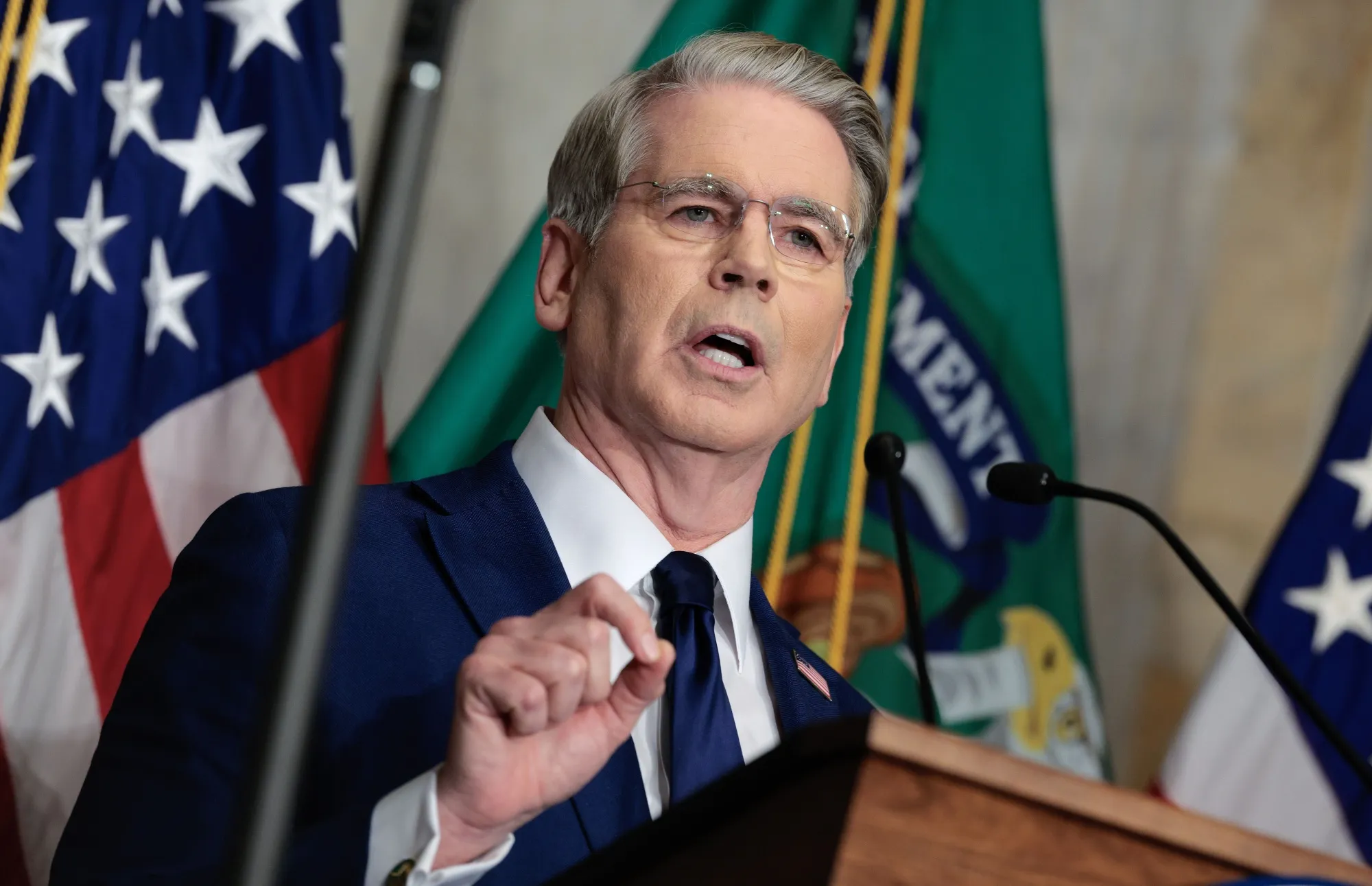
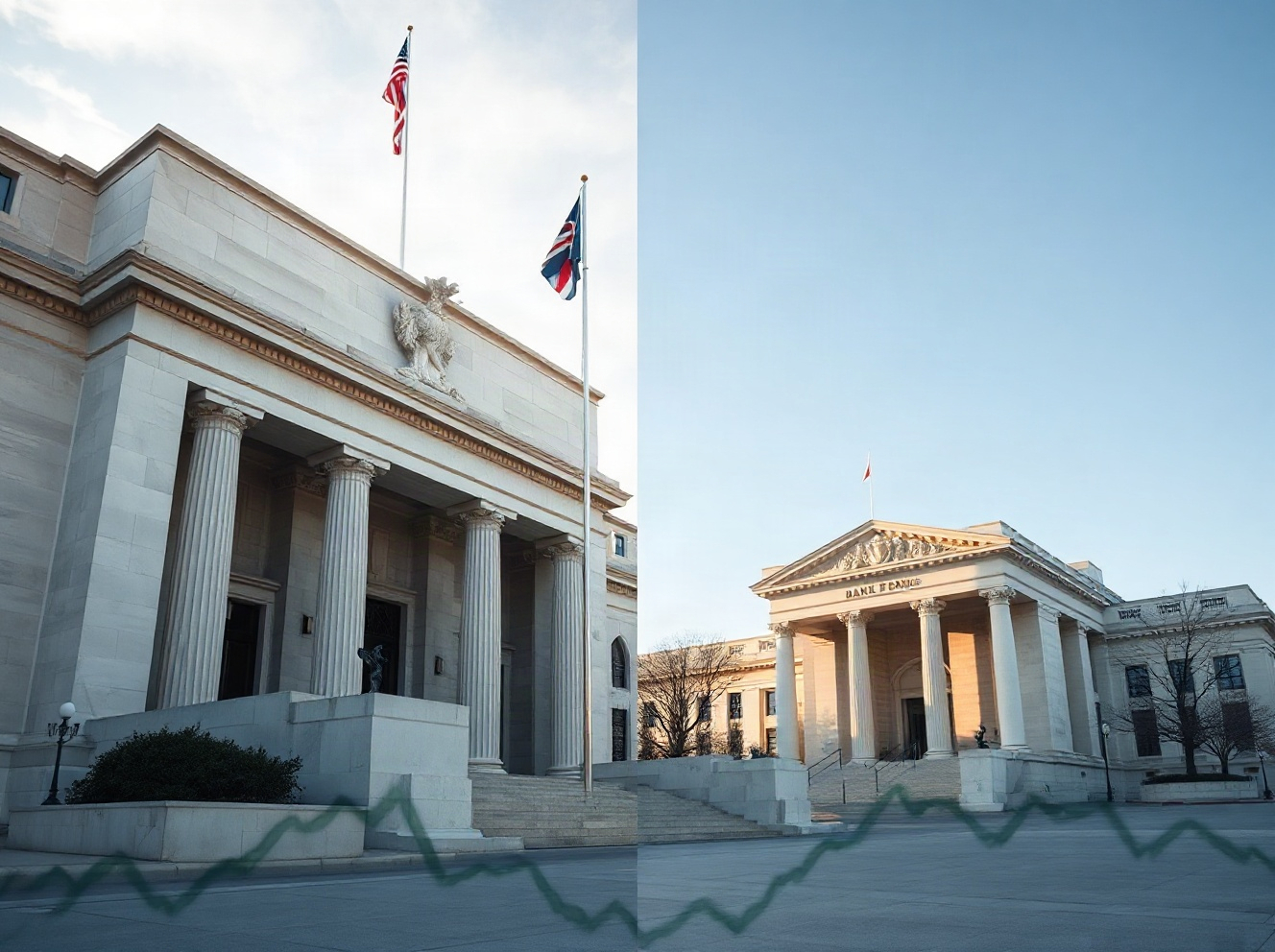
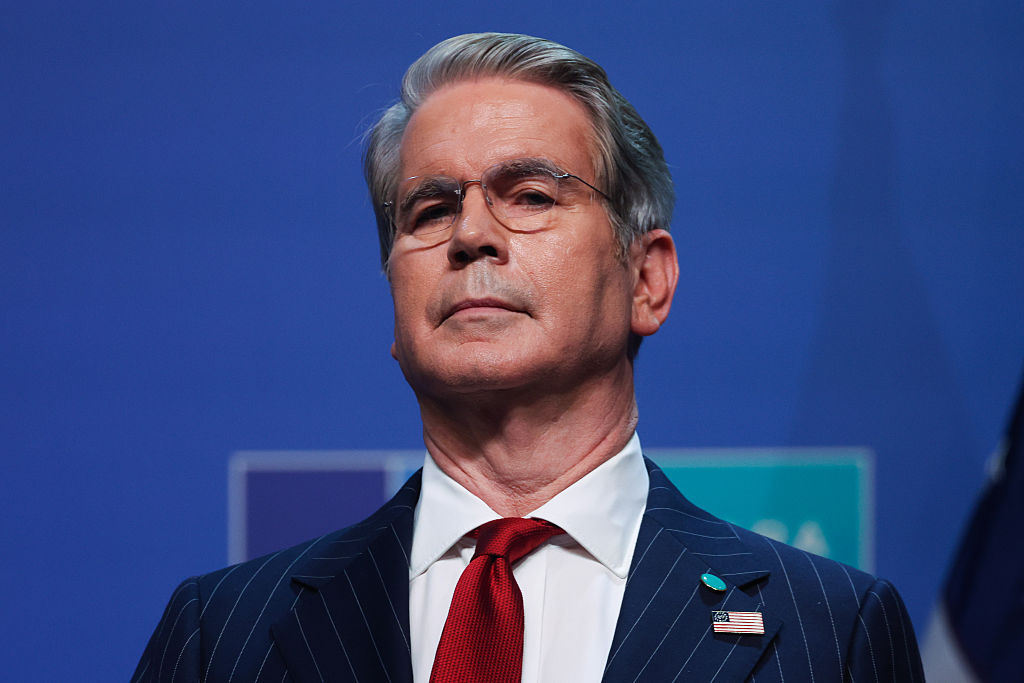
The coordinated nature of this intervention (involving BOJ, Federal Reserve, and South Korea's central bank) signals sustained policy commitment, reducing tail-risk hedging costs. Treasury Secretary Scott Bessent's pledge to do "whatever it takes" to stabilize the yen removes the 5-10% "intervention failure" premium that was embedded in FX option pricing during July-August. This allows sellers to shift from expensive out-of-the-money put options (costing 2-3% of transaction value) to simple forward contracts (0.3-0.5% cost), reducing hedging expenses by 75-80% for risk-averse sellers. The Federal Reserve's pandemic-era liquidity facility enables Japan to access dollar funding without selling US Treasuries, meaning the intervention has structural staying power—not a one-time event.
Questions 8
How should I structure my entity (US vs. Japan vs. Hong Kong) to maximize this FX opportunity?
Japanese exporters should invoice in USD and hold USD cash (versus converting to JPY immediately) to capture the 60-90 day stabilization window—this creates a natural hedge against yen strength. US importers should establish JPY-denominated payables and lock in forward contracts at 159.50 now. Hong Kong entities offer no advantage here since the intervention targets JPY/USD specifically. Consider opening a USD account in Japan (via MUFG, Sumitomo, or Rakuten Bank) to avoid conversion spreads—these accounts offer 0.3-0.5% spreads versus 1.5-2.5% for retail conversions.
What's the timeline for the Bank of Japan rate hike, and how does it affect my pricing strategy?
Markets assign 65% probability to a BOJ rate hike at the September 2026 meeting. If the hike occurs, the yen could strengthen to 155-157 within 30-60 days, increasing import costs by 2-3%. Japanese exporters should lock in USD pricing NOW for 90+ days using forward contracts at 159.50. US importers should execute supply chain financing and PO financing in the next 30 days to lock in costs before the hike. If the BOJ delays the hike, the yen could weaken again—use this 60-90 day window to execute hedges and adjust inventory.