




Fresh Produce Supply Chain Crisis | 20-State Outbreak Reshapes Sourcing & Logistics for E-Commerce Sellers
- Taylor Farms controls 40% of US salad kit market; outbreak triggers $7.3B supply disruption and accelerates shift to alternative suppliers and regional sourcing strategies









Overview
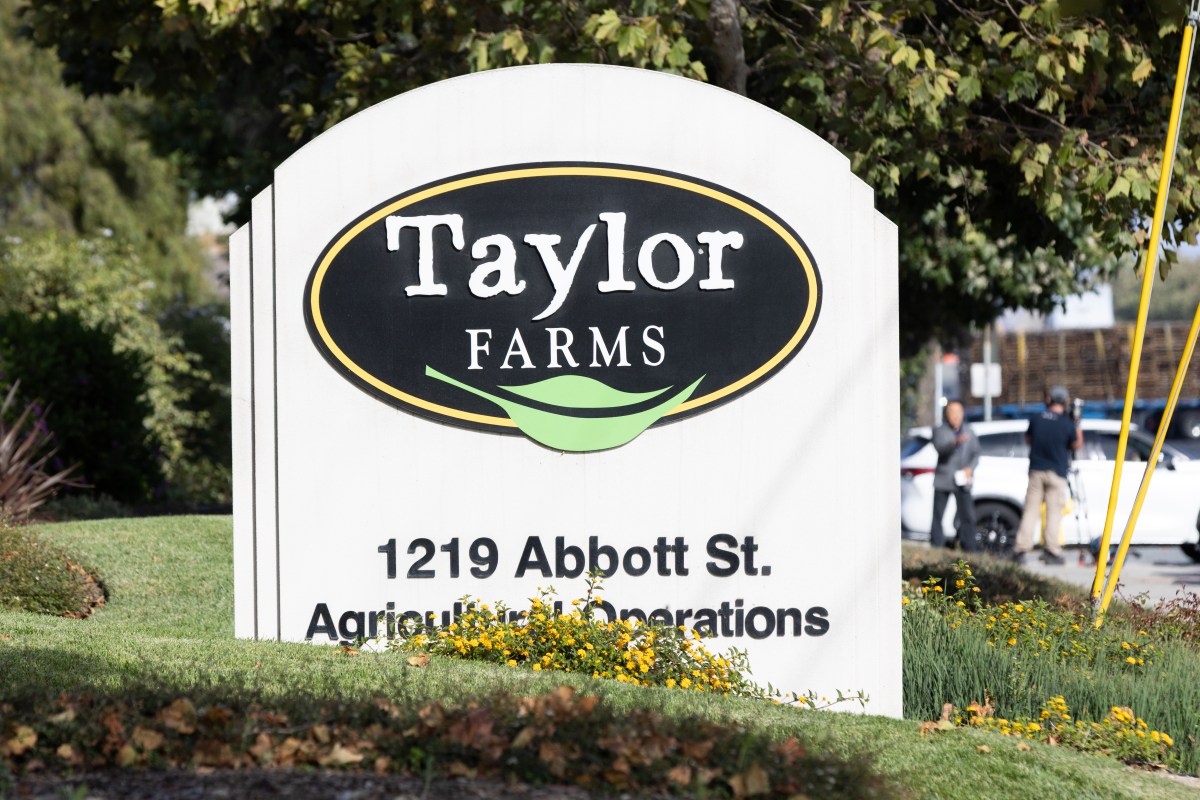
The cyclospora outbreak linked to Taylor Farms de Mexico has expanded to 20 US states as of August 28, 2026, creating a critical supply chain inflection point for e-commerce sellers in the fresh produce and meal-kit categories. Taylor Farms, which supplies approximately 40% of salad kits sold at US grocery stores and generated $7.3 billion in annual sales, has voluntarily suspended iceberg lettuce sourcing from central Mexico while facing FDA scrutiny and multiple lawsuits. This consolidation crisis—where a single supplier's contamination cascades across Walmart, Kroger, Whole Foods, Taco Bell, and Chipotle—directly impacts e-commerce sellers in three critical ways: (1) Sourcing Vulnerability: Sellers relying on Taylor Farms-supplied ingredients for meal kits, salad subscriptions, or prepared foods must immediately diversify suppliers to avoid inventory disruptions and customer fulfillment failures. (2) Logistics Restructuring: The outbreak has exposed Mexico-to-US fresh produce routes as high-risk; sellers should evaluate alternative sourcing from California, Florida, and Arizona producers, which typically add 2-4 days to lead times but eliminate cross-border contamination risks. (3) Inventory & Fulfillment Strategy: With Taylor Farms suspending central Mexico sourcing indefinitely, sellers must shift from just-in-time inventory models to 3-4 week safety stock buffers for salad kits and fresh-cut vegetables, increasing warehouse holding costs by 8-12% but ensuring supply continuity.
For cross-border sellers specifically, the outbreak signals tightening FDA inspection protocols for imported fresh produce. Mexico-sourced vegetables now face enhanced scrutiny, extending customs clearance times from 24-48 hours to 5-7 business days at US ports. Sellers importing fresh produce from Mexico should budget an additional $150-300 per shipment for expedited third-party food safety certifications and traceability documentation. The consolidation risk also creates a competitive opportunity: smaller regional producers in California (Driscoll's, Mann Packing) and Florida (Fresh Express, Apio) are now actively recruiting new distribution partners. Sellers can negotiate 10-15% better pricing on fresh produce by switching to these suppliers, who are offering volume commitments and extended payment terms (60-90 days vs. standard 30 days) to capture market share from Taylor Farms' disrupted customer base.
Warehouse positioning is critical: Sellers should prioritize 3PL facilities in California (Los Angeles, Inland Empire) and Florida (Miami, Jacksonville) for fresh produce fulfillment, reducing transit time to East Coast markets by 3-5 days compared to central Mexico sourcing. This proximity advantage is worth $0.15-0.25 per unit in reduced spoilage and expedited shipping costs. Additionally, the outbreak has accelerated demand for shelf-stable salad alternatives (bagged salads with extended shelf life, freeze-dried vegetables, salad dressing kits), which sellers can source from domestic suppliers with zero contamination risk and 2-3 week lead times instead of 4-6 weeks from Mexico.
Questions 8
How will enhanced FDA inspection protocols for Mexico-sourced produce affect import timelines and costs?
The outbreak has triggered tightened FDA inspection protocols for Mexico-sourced fresh produce, extending customs clearance from 24-48 hours to 5-7 business days at US ports (Los Angeles, Laredo, Miami). Sellers must now budget $150-300 per shipment for third-party food safety certifications and enhanced traceability documentation (FSMA compliance, supplier audits, pathogen testing). This adds 7-10 days to total lead time and increases landed costs by 3-5%. Sellers importing from Mexico should evaluate: (1) Switching to US suppliers to eliminate inspection delays; (2) Pre-clearing shipments with FDA 5-7 days before arrival; (3) Using bonded warehouses to store goods during inspection (adds $50-100 per shipment). The cost-benefit analysis favors US sourcing for most sellers.
What product categories beyond salads should sellers consider sourcing from alternative suppliers?
Beyond salad kits, sellers should diversify sourcing for: (1) **Meal kit components** (pre-cut vegetables, fresh herbs) currently supplied by Taylor Farms to meal delivery services; (2) **Prepared foods** (wraps, bowls, sandwiches) using fresh lettuce and vegetables; (3) **Foodservice supplies** for restaurants and catering; (4) **Shelf-stable alternatives** (freeze-dried vegetables, extended-shelf-life salads, salad dressing kits) which are experiencing 15-25% demand surge due to outbreak concerns. Sellers should prioritize shelf-stable categories, which offer 6-12 month shelf life, eliminate spoilage risk, and source from domestic suppliers with 2-3 week lead times. This category is projected to grow 20-30% through 2027 as consumers shift away from fresh produce due to food safety concerns.