


$166B Tariff Refund Ruling | Massive Opportunity for Smart Sellers to Recapture Margins
- Supreme Court invalidates Trump tariffs, triggers $166B government refunds; Walmart ($2.9B), Apple ($2.2B) lead; small sellers face 12-18 month cash recovery gap; next court challenge September 2025








Overview
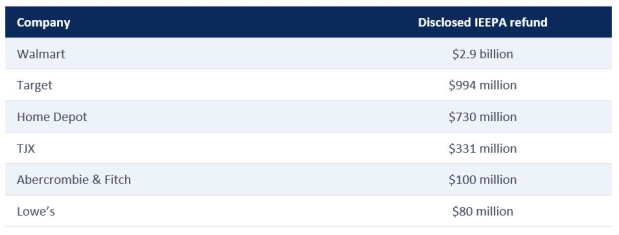
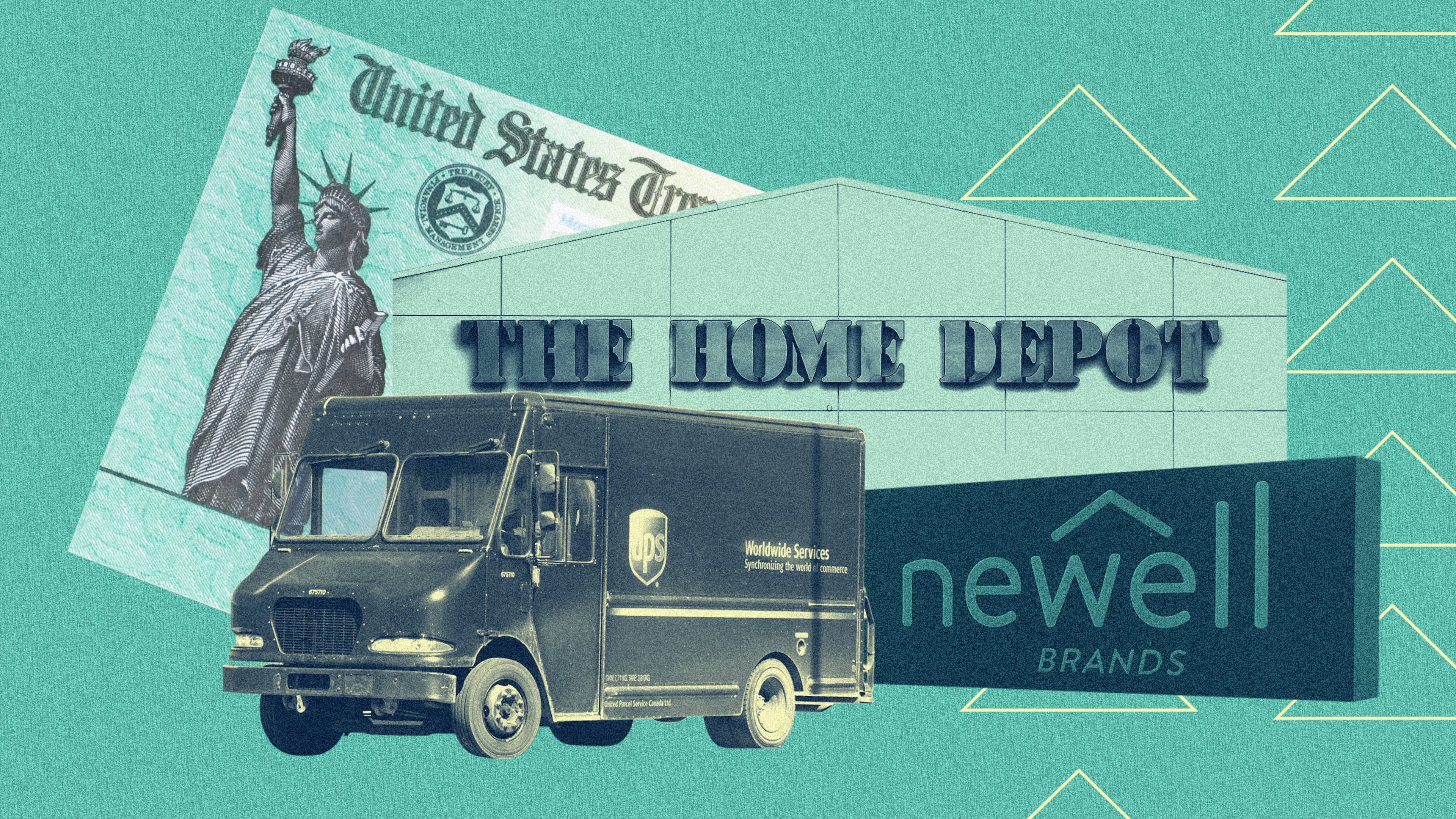
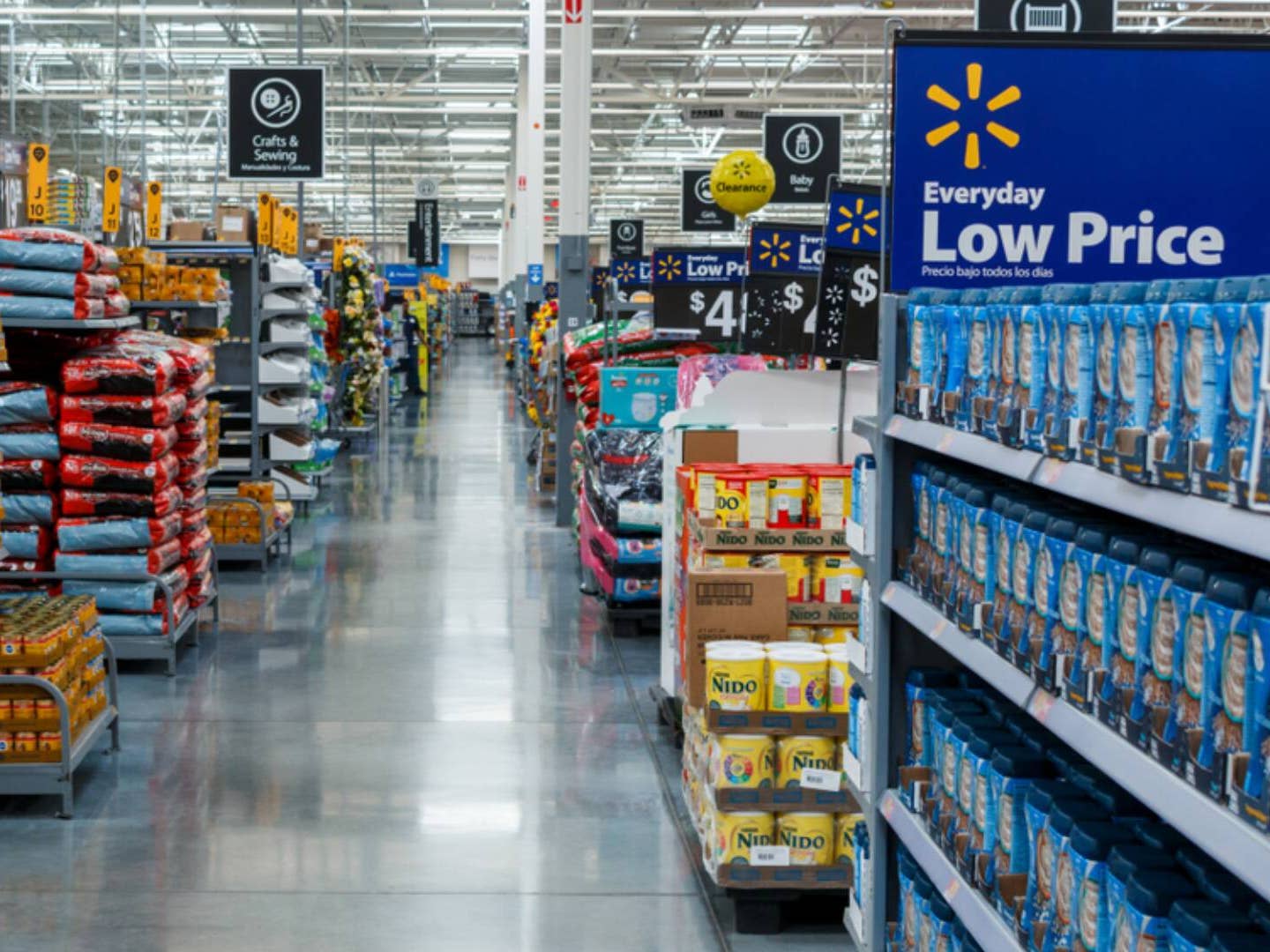
The Supreme Court's February 2025 ruling striking down sweeping federal tariffs has triggered an estimated $166 billion government refund to importers and retailers, fundamentally reshaping the competitive landscape for cross-border e-commerce sellers. This represents a critical tariff arbitrage window where sellers can recapture 8-15% margin compression that occurred during the tariff period. However, the refund distribution mechanism creates a two-tier advantage structure: large retailers (Walmart $2.9B, Apple $2.2B, Target/Nike ~$1B each) are deploying refunds strategically into price reductions and operational investments, while small businesses—who bore the tariff burden as working capital loans—face 12-18 month recovery timelines with limited opportunity cost recovery.
The Critical Seller Opportunity: Unlike large retailers that can absorb tariff costs into supply chains, small and mid-sized sellers (particularly those importing directly from China, Vietnam, India) can immediately recapture 145% tariff rates on high-tariff categories like powered wheelchairs, electronics, and home goods. The refund window is time-sensitive—sellers must file claims before the new tariff set (replacing struck-down tariffs) takes effect, with the next court challenge scheduled for late September 2025. This creates a 6-9 month arbitrage window where sellers can: (1) recover past tariff overpayments, (2) rebuild working capital depleted during the tariff period, and (3) reinvest in inventory expansion before new tariffs potentially reimpose similar burdens.
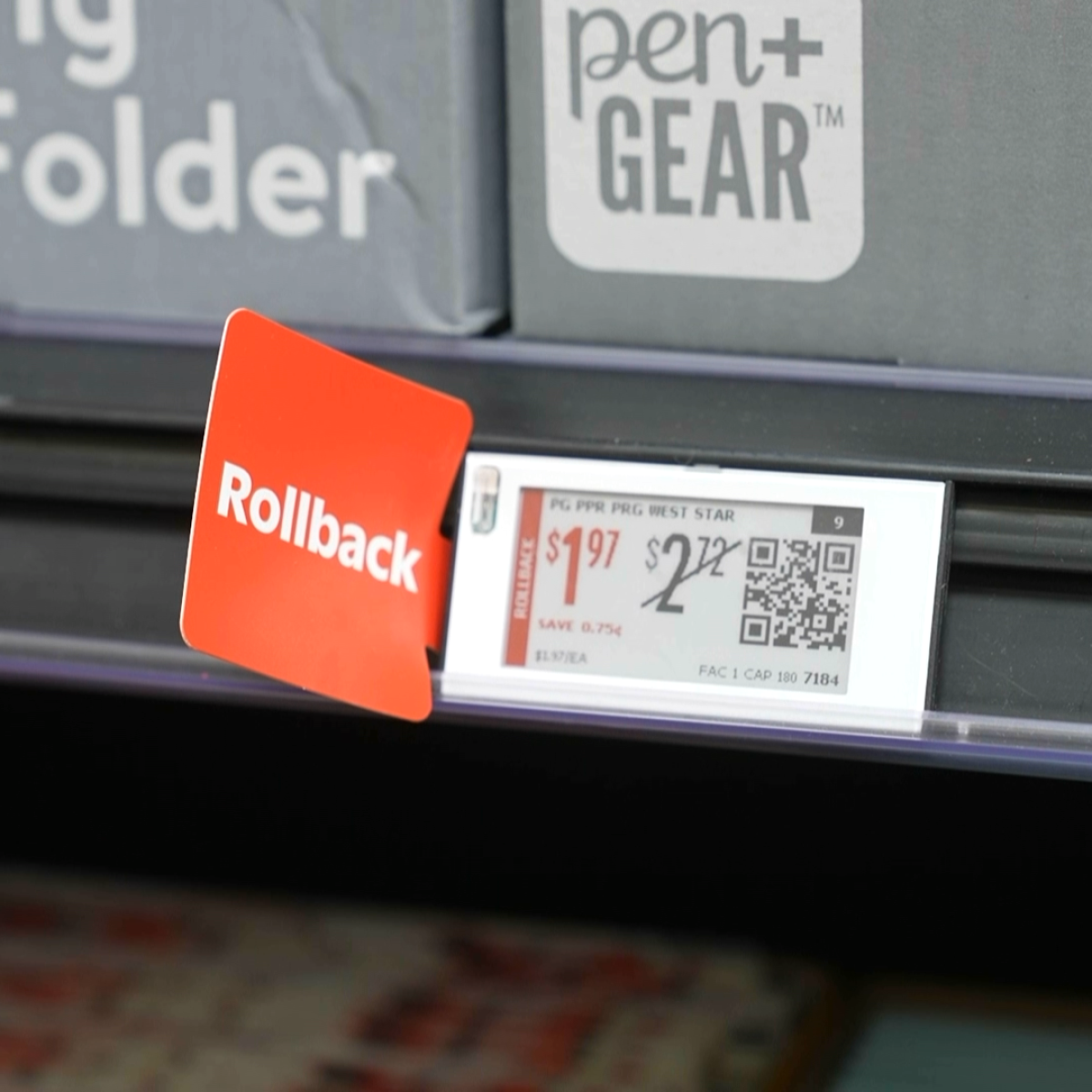
Competitive Dynamics Shift: The refund distribution reveals a critical insight: retailers baking tariffs into overall prices (Home Depot's $730M refund going to operational costs, not customer refunds) means consumer prices won't drop uniformly. This creates a pricing arbitrage opportunity for sellers on Amazon, eBay, and Shopify who can pass refunds directly to customers through lower ASPs, capturing market share from large retailers. Walmart's 11,000+ price reductions this quarter signal aggressive competitive repositioning, but smaller sellers can move faster with targeted category reductions in high-tariff items (electronics, home goods, sporting equipment). The disconnect between who paid tariffs (consumers) and who benefits (corporations) means consumer trust is shifting toward transparent pricing—sellers who itemize tariff recovery in product descriptions gain competitive advantage.
Small Business Recovery Challenge: The news explicitly highlights that small businesses "effectively loaned working capital to the government" during the tariff period, facing opportunity costs including inability to hire, purchase machinery, or invest in supply chains. This creates a 12-18 month recovery gap where small sellers have reduced inventory investment capacity, creating a market consolidation opportunity for well-capitalized competitors. However, it also signals that small sellers receiving refunds will prioritize inventory restocking—creating demand for sourcing services, 3PL capacity, and supply chain optimization tools.
Questions 8
Which sourcing countries offer tariff advantages post-ruling and how should sellers adjust supply chains?
The tariff ruling creates **sourcing country arbitrage opportunities**: China faces 25%+ tariffs on electronics, while Vietnam and India offer 5-12% rates on equivalent products. Sellers should use refund recovery to diversify sourcing: allocate 30-40% of recovered capital to Vietnam/India suppliers for electronics, home goods, and apparel categories. The news highlights that small businesses face opportunity costs from tariff-driven working capital constraints—using refunds to establish alternative supply chains reduces future tariff exposure. Strategic approach: (1) identify top 5 SKUs by tariff cost, (2) source equivalent products from Vietnam/India at 5-12% tariff rates, (3) phase in alternative suppliers over 3-4 months to maintain inventory continuity, (4) maintain China sourcing for categories with lower tariff rates (apparel 12-15%) or unique product advantages. The September 2025 court challenge creates urgency—sellers who diversify sourcing before new tariffs take effect gain structural cost advantages over competitors dependent on China.
What is the timeline for the next tariff ruling and how does it affect seller planning?
The next court challenge is scheduled for **late September 2025**, creating a 6-9 month window before potential new tariffs reimpose similar burdens. This timeline is critical for sellers: file refund claims immediately (processing takes 4-8 weeks), redeploy recovered capital into inventory by June 2025, and establish pricing strategies before September uncertainty. The news indicates the government has already implemented a new tariff set to replace struck-down tariffs, meaning sellers face potential tariff reimposition risk. Sellers should use the current window to: (1) recover past tariff overpayments, (2) build inventory buffers before September, (3) establish supplier relationships in lower-tariff countries (Vietnam, India) as contingency plans. Delaying refund claims or inventory investment beyond June 2025 increases risk of being caught unprepared if new tariffs take effect.