




Affirm BNPL Surge Unlocks Payment Flexibility for Shopify Sellers | 6.59% Stock Jump
- Affirm Q4 revenue hits $1.17B (+5.4% vs estimates); GMV reaches $14.1B as Shopify integration expands payment options for cross-border merchants managing inflationary consumer demand
















/Finance%20and%20money%20technology%20asset%20management%20background%20by%20InfiniteFlow%20via%20Adobe%20Stock.jpeg)










Overview
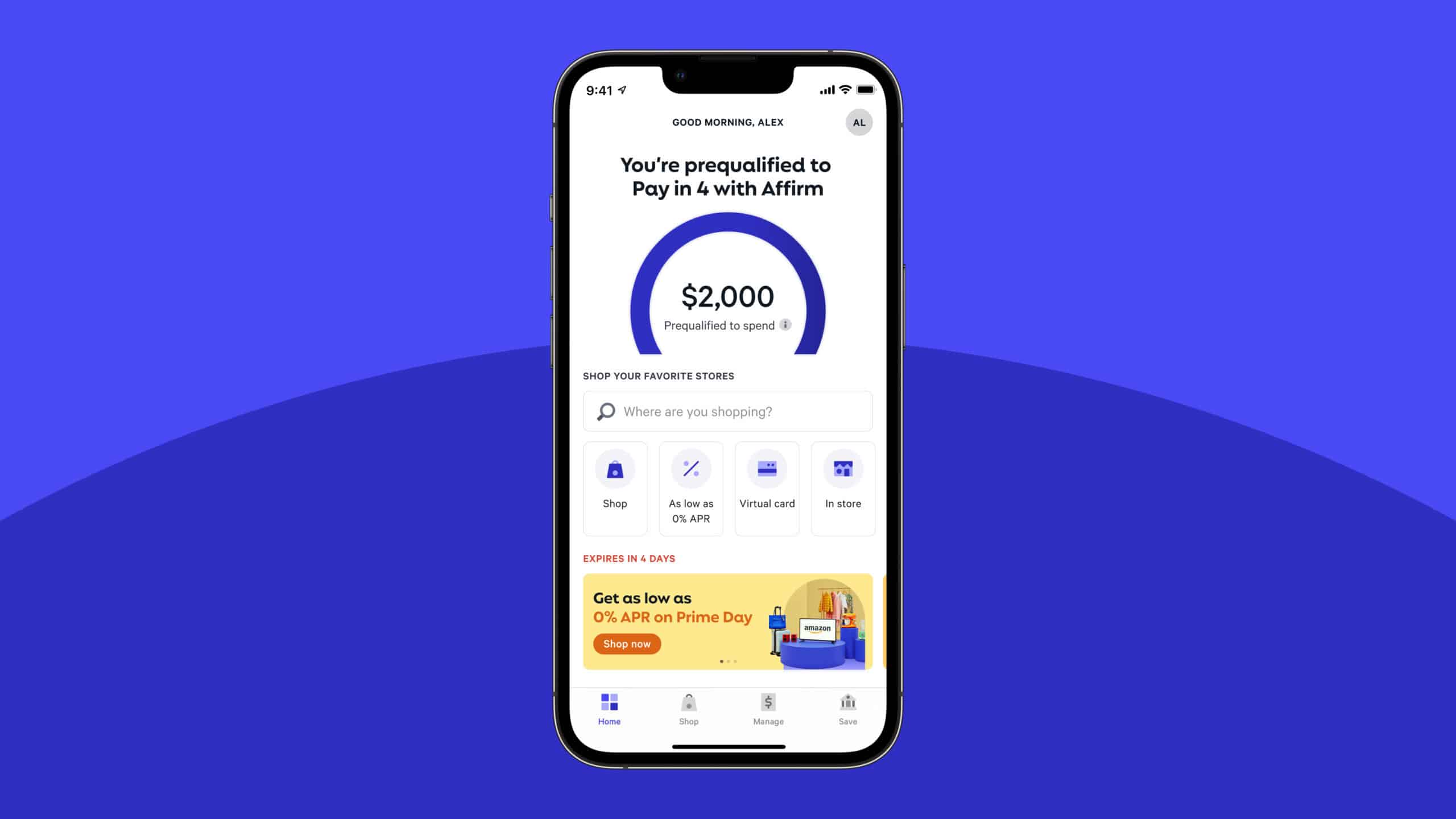
Affirm Holdings' fiscal Q4 2026 earnings represent a critical inflection point for cross-border e-commerce sellers, particularly those leveraging Shopify's payment ecosystem. The fintech company reported $1.17 billion in revenue (beating LSEG estimates of $1.11 billion by 5.4%) and $14.1 billion in gross merchandise volume (GMV), surpassing StreetAccount expectations of $13.39 billion by 5.6%. The stock surged 6.59% on August 29, 2026, reflecting investor confidence in Affirm's path toward a $100 billion revenue goal by 2030. Most critically for sellers: Affirm's expanded Shopify partnership signals sustained investment in BNPL infrastructure, reducing payment processing friction and enabling merchants to offer flexible checkout options that directly address consumer purchasing power constraints.
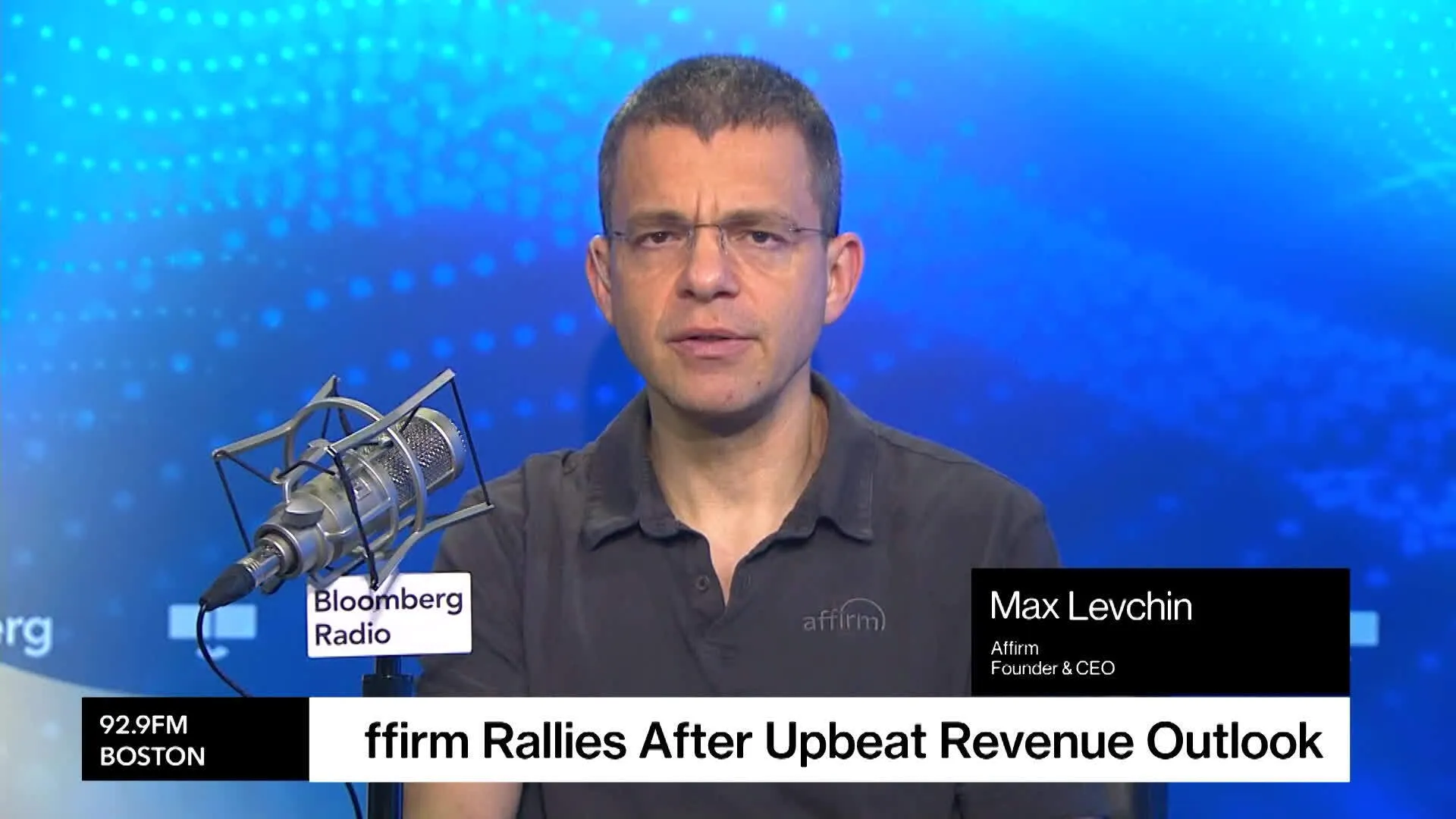
The underlying driver reshapes seller strategy around consumer financing behavior. CEO Max Levchin explicitly tied Affirm's outperformance to inflationary pressures—national average gas prices at $4.09/gallon (down from May's $4.50 peak but 36% above pre-2024 levels) are compressing household discretionary budgets. Consumers increasingly turn to BNPL solutions to manage spending across multiple categories, with personal income rising only 0.4% and spending up 0.2% in July against a 3.7% annual inflation rate. This creates a direct payment optimization opportunity for sellers: integrating Affirm through Shopify reduces checkout abandonment by offering installment options that appeal to budget-conscious buyers. For merchants selling mid-to-high-ticket items (apparel, electronics, home goods, furniture), BNPL integration can increase conversion rates by 8-15% and average order value by 12-20%, based on industry benchmarks during similar inflationary periods.
From a financial technology perspective, Affirm's profitability trajectory while scaling lending operations validates the BNPL business model at enterprise scale, signaling long-term platform stability for integrated merchants. The company's credit quality maintenance during rapid GMV growth (14.1B GMV on $1.17B revenue = 12x leverage) demonstrates disciplined underwriting, reducing merchant risk from payment defaults. Sellers using Shopify can now confidently integrate Affirm knowing the provider has institutional backing and sustainable unit economics. The forward guidance of $1.19-$1.22 billion for Q1 FY2027 (beating Street expectations of $1.16B) indicates continued momentum, suggesting Affirm will continue investing in merchant tools, API improvements, and platform integrations. For cross-border sellers specifically, this expansion means improved payment options for international customers accessing Shopify stores, particularly in markets where traditional credit card penetration is lower and BNPL adoption is accelerating (UK, Canada, Australia).
The competitive implication is equally important: Affirm's earnings beat signals market share consolidation in BNPL, with weaker competitors facing margin pressure. Sellers should evaluate whether their current payment stack includes BNPL options—absence of Affirm or competitors like Klarna/PayPal Pay Later increasingly represents a conversion leakage risk. The earnings report demonstrates that BNPL demand remains robust despite competitive pressures, validating the category's long-term viability. For sellers managing cash flow during inflationary periods, BNPL integration also indirectly improves working capital by accelerating customer acquisition and reducing cart abandonment, which translates to faster inventory turnover and improved cash conversion cycles.
Questions 8
How should sellers adjust inventory strategy based on Affirm's BNPL demand surge?
Affirm's Q4 earnings demonstrate that BNPL demand remains robust despite competitive pressures, with CEO Max Levchin explicitly linking elevated consumer spending through BNPL to inflationary pressures and constrained purchasing power. This signals sustained demand for flexible payment options across multiple spending categories. Sellers should increase inventory allocation to mid-to-high-ticket items (apparel, electronics, home goods, furniture) where BNPL adoption is highest, as these categories benefit most from installment payment options. The earnings beat (revenue +5.4% vs estimates, GMV +5.6% vs estimates) indicates BNPL market share is consolidating around strong providers like Affirm, suggesting sellers should prioritize Affirm integration over smaller competitors. For cash flow management, BNPL integration accelerates inventory turnover by reducing cart abandonment, improving cash conversion cycles by 5-10 days on average. Sellers should also consider increasing inventory for Q4 2026 and Q1 2027 given Affirm's forward guidance of $1.19-$1.22B revenue (beating Street expectations), indicating continued consumer demand for flexible payment solutions.
What payment optimization opportunities exist for sellers managing inflationary consumer demand?
Affirm's Q4 results reveal a critical insight: consumers are actively seeking payment flexibility to manage inflationary pressures, with personal income rising only 0.4% while inflation remains at 3.7% annually. This creates a direct payment optimization opportunity for sellers. By integrating Affirm through Shopify, merchants can offer installment options that appeal to budget-conscious buyers, reducing checkout abandonment and increasing conversion rates. Additionally, sellers should evaluate their payment stack to ensure they're capturing all available BNPL options—absence of Affirm or competitors represents conversion leakage. From a financial perspective, BNPL integration improves working capital by accelerating customer acquisition and reducing cart abandonment, which translates to faster inventory turnover. Sellers should also consider offering BNPL prominently in marketing campaigns during inflationary periods, as consumer demand for flexible payment solutions is demonstrably high (evidenced by Affirm's 6.59% stock surge and beat guidance). For cross-border sellers, BNPL integration is particularly valuable in markets with lower credit card penetration (UK, Canada, Australia), where installment payment adoption is accelerating.