






Canada's 3.3% GDP Growth Signals Market Expansion | Cross-Border Seller Opportunity
- 3.6% export surge and 0.8% household spending growth create demand spike for imported goods; tariff headwinds threaten Q3 momentum





























Overview
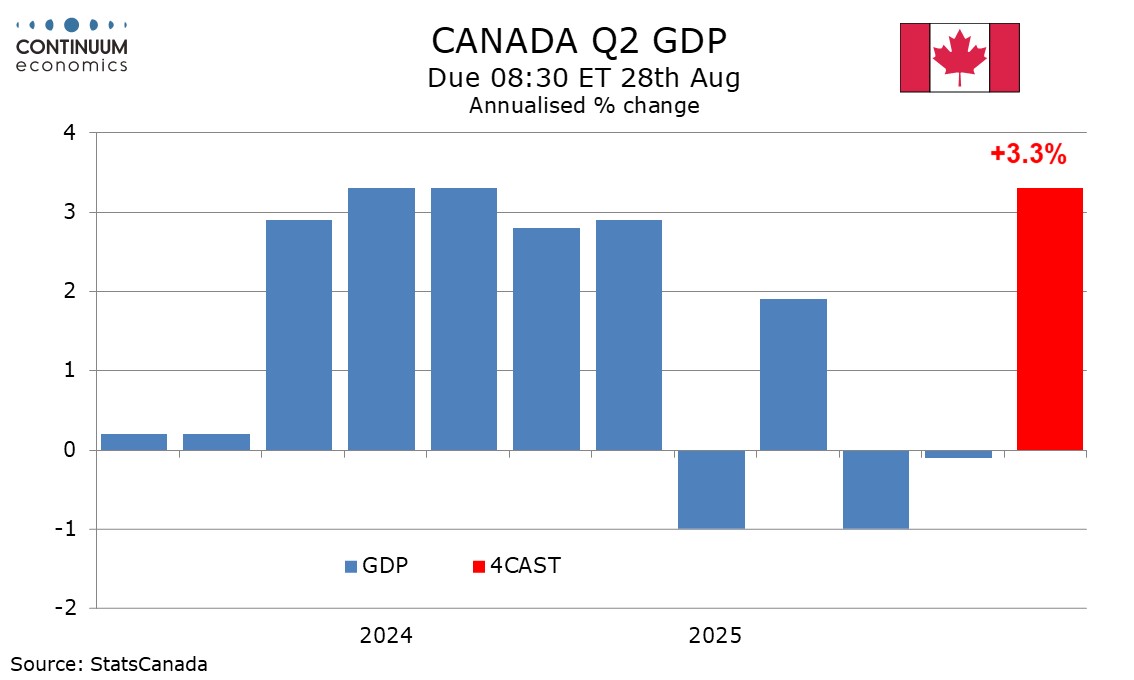
Canada's economy expanded 3.3% annualized in Q2 2024, the fastest pace since 2023, driven by a 3.6% export surge and 0.8% household consumption growth, according to Statistics Canada data released August 28. This represents a critical market opportunity for cross-border e-commerce sellers targeting Canadian consumers and businesses. The growth exceeded the Bank of Canada's 2.5% forecast, signaling stronger-than-expected economic resilience and increased purchasing power among Canadian households—a direct demand driver for imported merchandise across electronics, apparel, home goods, and specialty categories.
For cross-border sellers, the immediate opportunity lies in three demand vectors: First, household consumption rose 0.8% to its highest level in three quarters, fueled by higher salaries and government benefits, indicating increased discretionary spending capacity. Second, business investment surged 2.3% in Q2 (reversing an 18-month contraction), signaling demand for B2B supplies, office equipment, and industrial goods. Third, the Canadian dollar strengthened following the announcement, improving profit margins for sellers importing from USD-denominated suppliers while potentially increasing competitiveness for Canadian exports to the US market.
However, critical tariff headwinds now threaten this momentum. President Trump imposed a 50% tariff on $20 billion of Canadian exports, prompting Canadian retaliation and injecting significant uncertainty into Q3 projections. The Canadian dollar weakened to C$1.3856 against USD following tariff announcements, compressing margins for sellers relying on USD pricing. Economists warn that while Q2 showed resilience, sustaining this growth trajectory is unlikely given escalating trade tensions. The Bank of Canada is expected to maintain interest rates at 2.25% through September, awaiting clarity on tariff impacts before adjusting monetary policy.
Seller segments most affected: Small-to-medium sellers (SMBs) importing consumer goods face immediate margin compression from tariff uncertainty and currency volatility. Large sellers with diversified sourcing can leverage the 3.6% export growth to expand Canadian-manufactured product lines (particularly auto parts, machinery, and tech components). Sellers in residential/home goods categories benefit from increased home resale activity across Ontario, British Columbia, and Quebec, while computer/peripheral sellers can capitalize on 16.7% growth in data centre infrastructure investment.
Questions 8
What currency hedging strategies should sellers implement given CAD volatility?
The Canadian dollar's volatility (strengthened on GDP data, weakened on tariff news) creates both risk and opportunity. For sellers with significant CAD exposure: (1) Implement monthly currency rebalancing—if CAD strengthens >2% month-over-month, lock in gains via forward contracts; (2) Use currency options (3-6 month calls/puts) to hedge >$100K monthly exposure at 1-2% cost; (3) Diversify pricing: quote USD prices for imports, CAD prices for domestic sales, and adjust margins monthly based on exchange rates; (4) Negotiate supplier contracts in CAD where possible to reduce conversion costs. Most critical: Avoid holding large CAD cash balances during tariff uncertainty—convert to USD or EUR within 5-7 days of receipt to minimize depreciation risk. Consult a currency specialist if monthly cross-border volume exceeds $50K.
Should sellers increase inventory investment in Canadian markets despite tariff headwinds?
Yes, but with strategic conditions: The 3.3% GDP growth and 0.8% household consumption increase create genuine demand expansion through Q3. However, tariff uncertainty makes aggressive inventory buildup risky. Recommended approach: (1) Increase inventory 15-25% in non-tariff-exposed categories (consumer electronics, apparel, home goods, beauty); (2) Maintain conservative stock levels in tariff-sensitive categories (machinery, auto parts, industrial goods) until tariff policy clarifies; (3) Prioritize fast-moving SKUs with 30-45 day inventory turnover to minimize holding costs during uncertainty; (4) Negotiate extended payment terms with suppliers to preserve cash flow. Monitor Statistics Canada monthly GDP releases (next report September 30) and Bank of Canada communications for tariff impact signals before committing to Q4 inventory.