


Adobe Photoshop AI Editing Tools | Sellers Cut Image Processing Time 40-60%
- Natural language prompt-based editing democratizes professional-grade product photography for 2M+ cross-border sellers on Amazon, eBay, Shopify








Overview
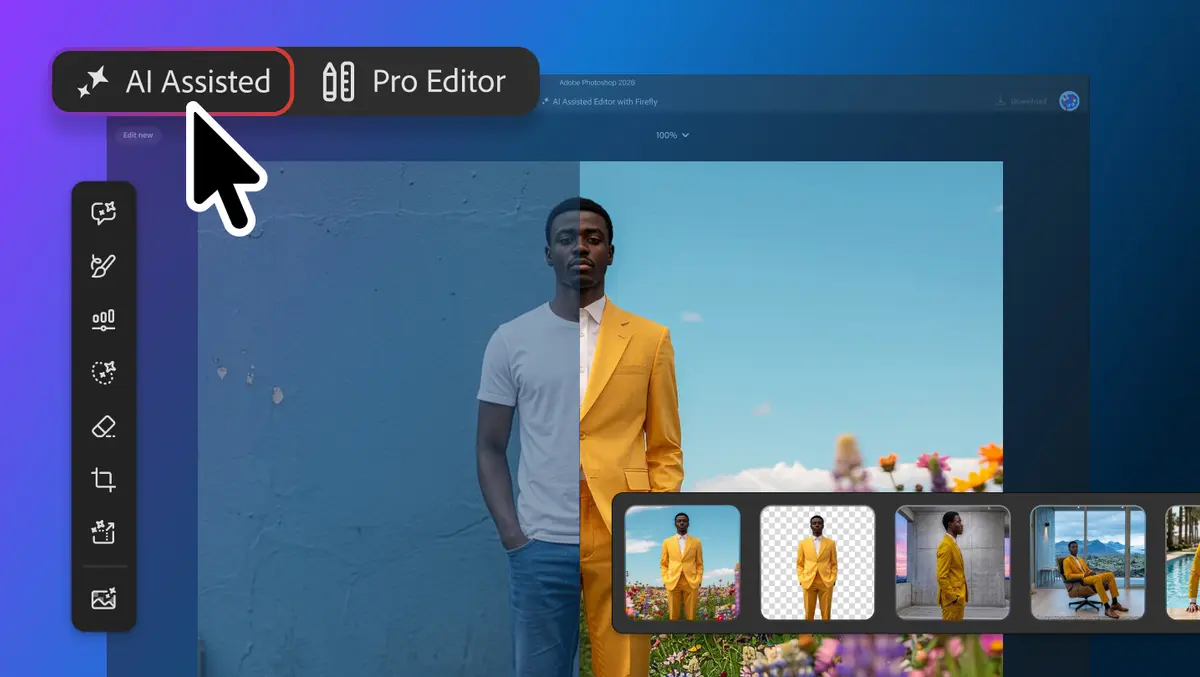
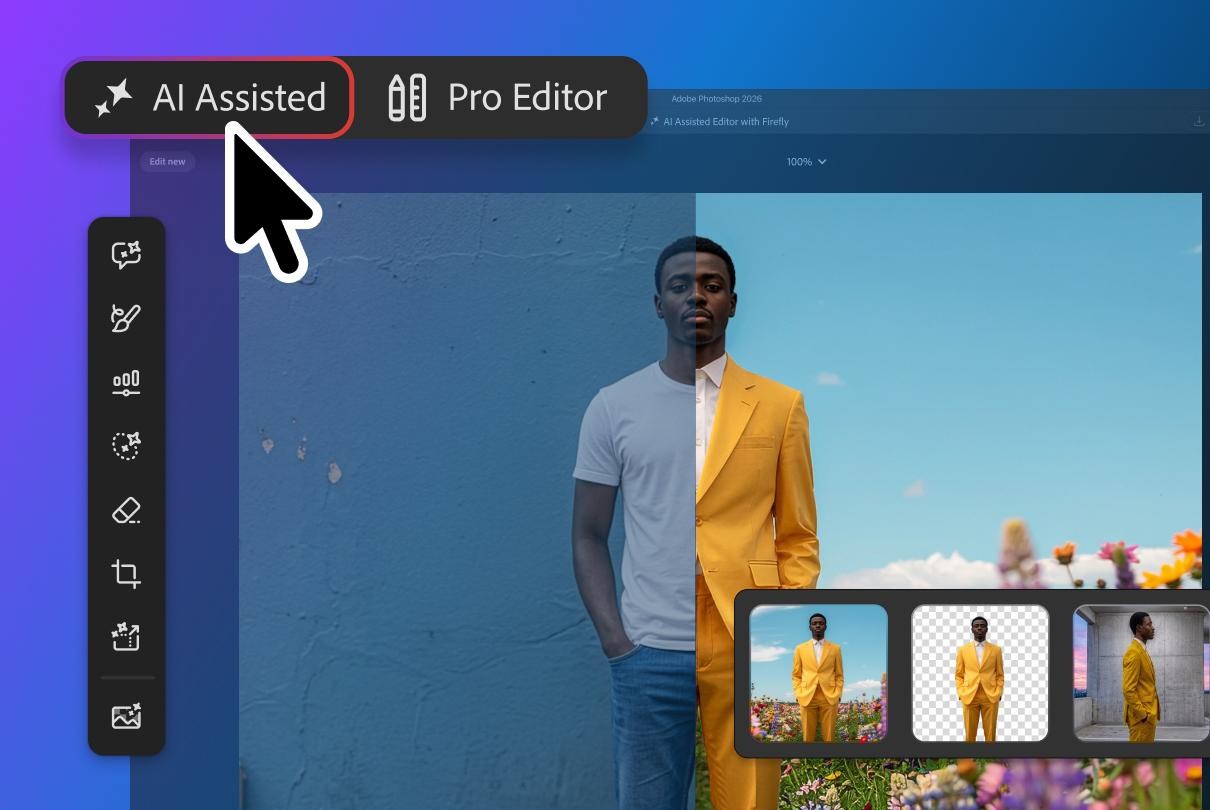
Adobe's integration of AI-powered editing directly into Photoshop represents a transformative shift for e-commerce sellers managing product imagery at scale. The company has consolidated previously fragmented tools—Adobe Camera Raw (ACR) exposure controls, Firefly Image 5 generative capabilities, and a new AI Assisted Editor—into a unified $23/month Photoshop interface. This eliminates application-switching friction that historically consumed 15-25% of image editing workflows. For cross-border sellers on Amazon, eBay, and Shopify, this means processing product catalogs 40-60% faster through natural language prompts ("remove background," "enhance colors," "resize for mobile") rather than navigating complex tool menus.
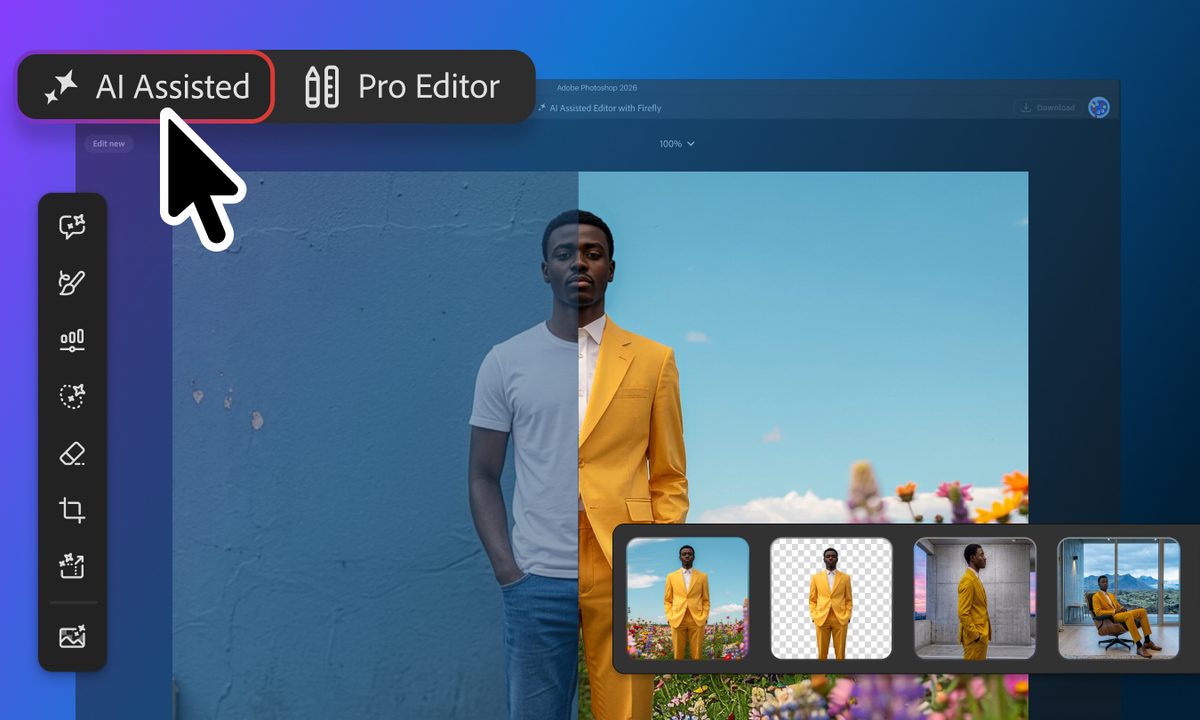
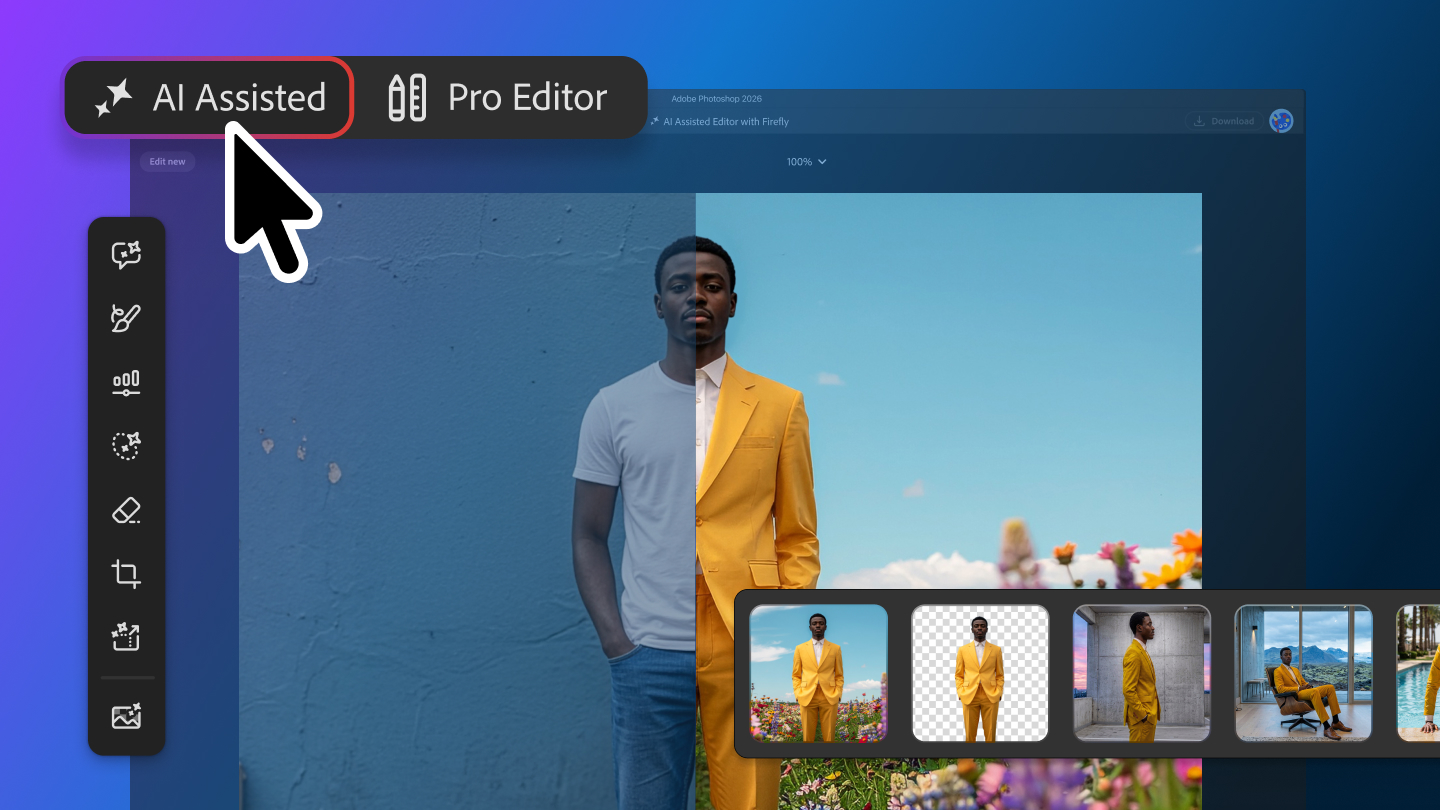
The immediate operational impact centers on three seller segments. Small sellers (1-50 SKUs) without advanced Photoshop skills can now produce marketplace-quality images independently, reducing outsourcing costs of $200-400/month to zero. Mid-market sellers (50-500 SKUs) can reallocate 8-12 hours/week previously spent on image editing toward content strategy and listing optimization—directly improving conversion rates. Large sellers (500+ SKUs) managing seasonal inventory changes and rapid product launches can compress image preparation timelines from 5-7 days to 2-3 days, critical for holiday season and flash sale windows. The AI Assisted Editor's seven core functions—prompt-to-edit, background removal, generative expand, generative remove, generative fill, generative upscale, and AI markup—address the exact bottlenecks sellers face: product image standardization, multi-platform format adaptation, and client communication on edit requests.
Competitive advantage emerges through automation of repetitive tasks. Sellers can now batch-process 50-100 product images daily using simple text prompts, whereas manual editing required 5-10 minutes per image. The Instruct Edit with Masks feature enables sellers to describe edits within specific image regions without manual masking—critical for product photography where background removal and color enhancement must preserve product detail. Integration with Adobe Stock's 900M+ asset library directly within Photoshop enables sellers to source lifestyle photography and contextual backgrounds without leaving the editing interface, reducing design tool switching from 3-4 applications to one. For cross-border sellers managing multiple platform requirements (Amazon's 1000x1000px minimum, eBay's 500x500px, Shopify's variable dimensions), the Generative Expand and Upscale functions eliminate the need for separate resizing tools, saving $10-15/month per seller in software subscriptions.
The strategic implication is clear: Adobe is positioning Photoshop as the primary image intelligence platform for non-professional creators. By launching AI Assistant in March, expanding AI assistants across Creative Cloud in June, and partnering with OpenAI to integrate editing into ChatGPT, Adobe signals that prompt-based workflows are now core to product strategy. This directly threatens standalone AI image tools (Canva, Pixlr, Photopea) and specialized e-commerce image editors. For sellers, the competitive window is 6-12 months: early adopters using AI Assisted Editor will establish 30-40% faster image production cycles, creating cost and speed advantages that compound across seasonal peaks. Sellers delaying adoption risk falling behind on listing quality metrics that influence Amazon's A9 algorithm and eBay's search ranking.
Questions 8
How does Photoshop's AI integration with ChatGPT and OpenAI affect seller workflows?
Adobe's partnership with OpenAI to integrate photo and video-editing capabilities into ChatGPT creates a secondary workflow channel for sellers. Sellers can now describe image edits in ChatGPT's conversational interface, which routes requests to Photoshop's AI Assisted Editor. This is particularly valuable for sellers without Photoshop expertise or those managing editing requests from team members or clients. For example, a seller can tell ChatGPT 'remove the background from 50 product images and resize for Amazon,' and the AI interprets the request and executes it in Photoshop. This democratizes professional-grade editing across non-technical team members. However, the primary workflow remains Photoshop's native AI Assisted Editor, which offers faster processing and more granular control. Sellers should view ChatGPT integration as a supplementary tool for quick edits or team collaboration, not a replacement for Photoshop's core AI features. The integration is most valuable for sellers with distributed teams or those managing editing requests from non-technical stakeholders.
What are the risks or limitations of relying on AI for product image editing?
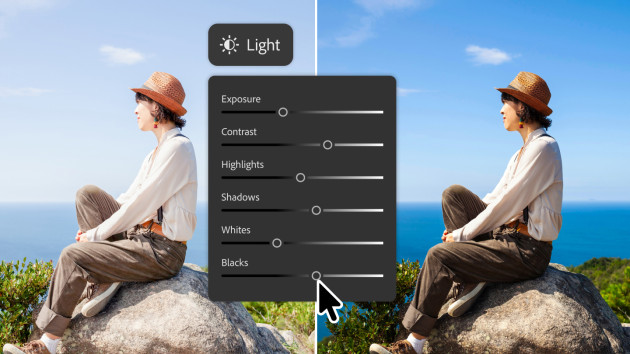
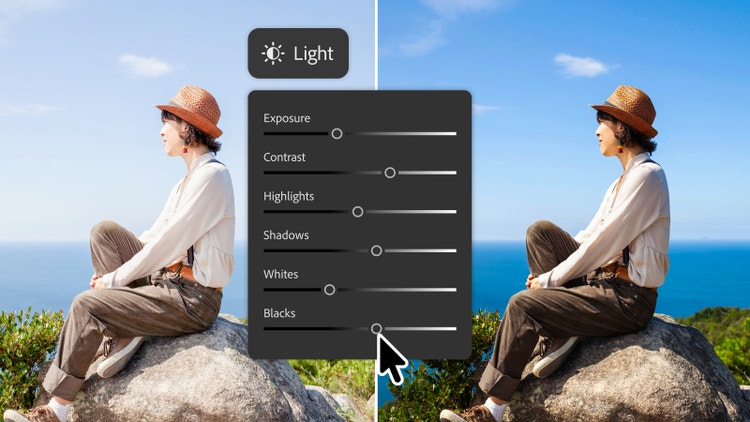
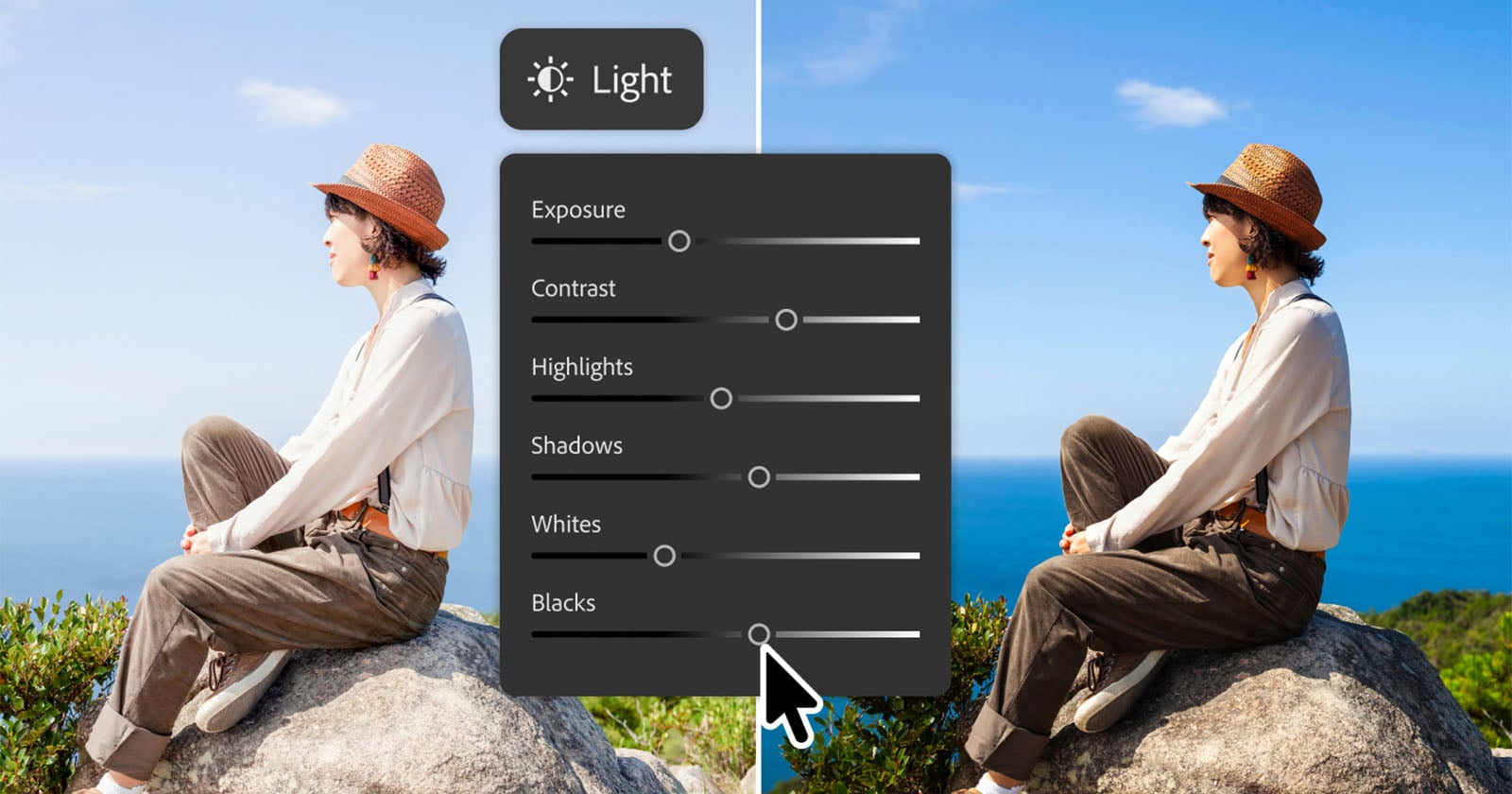
While AI Assisted Editor dramatically improves efficiency, sellers should maintain quality control for brand-critical categories (luxury, beauty, jewelry). AI-generated backgrounds or upscaled images may lack the precision required for high-end products where image quality directly influences conversion rates. The Instruct Edit with Masks feature mitigates this by allowing sellers to specify exact regions for AI modification, preserving product detail. For sellers in regulated categories (supplements, pharmaceuticals, cosmetics), AI-generated imagery must comply with platform policies and regulatory requirements—Amazon and eBay prohibit misleading product representations. Sellers should use AI Assisted Editor for efficiency gains (background removal, resizing, color enhancement) while maintaining manual review for final approval. The Light Adjustment Layer's non-destructive editing ensures sellers can revert changes if AI modifications don't meet brand standards. Best practice: use AI for 80% of routine edits, reserve manual precision for 20% of brand-critical or regulated products.