


Cross-Platform Photo Chaos: How Mobile OS Incompatibilities Are Disrupting Visual Communication
- Emerging technical challenges expose critical vulnerabilities in mobile image rendering for global digital creators







Overview
Mobile operating system compatibility has reached a critical inflection point, with recent developments revealing profound challenges in cross-platform image processing. The unexpected iOS 26 photo bug represents more than a mere technical glitch—it signals a deeper systemic problem in how mobile platforms handle visual data across different ecosystems.
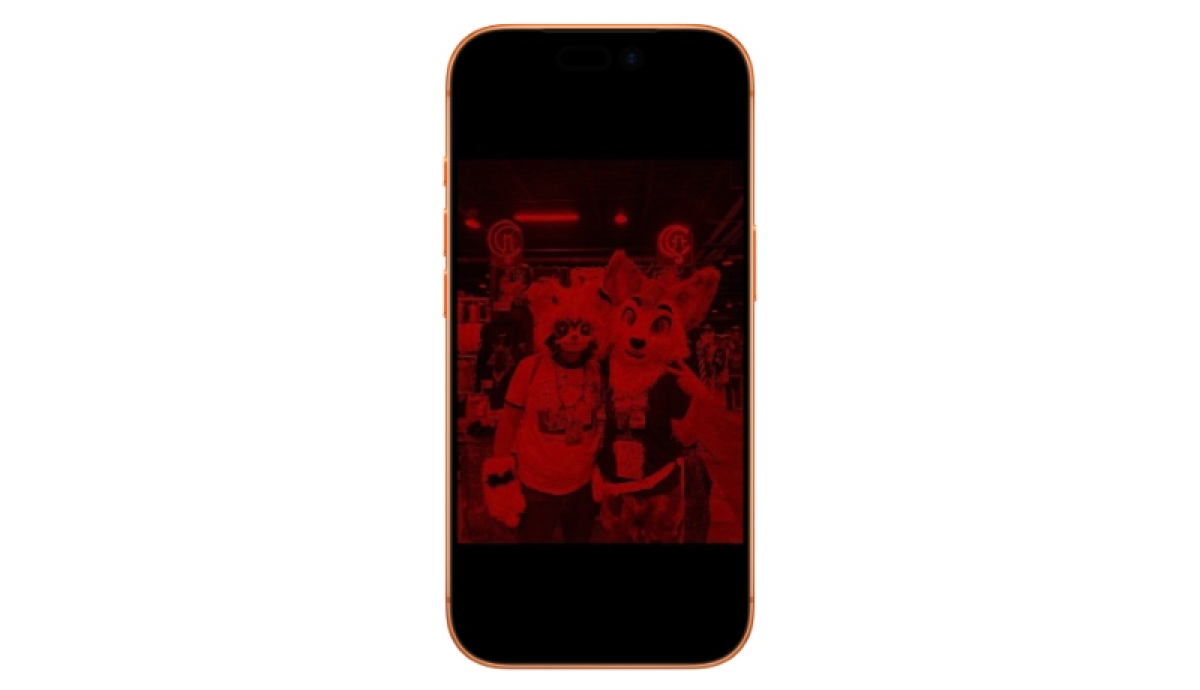
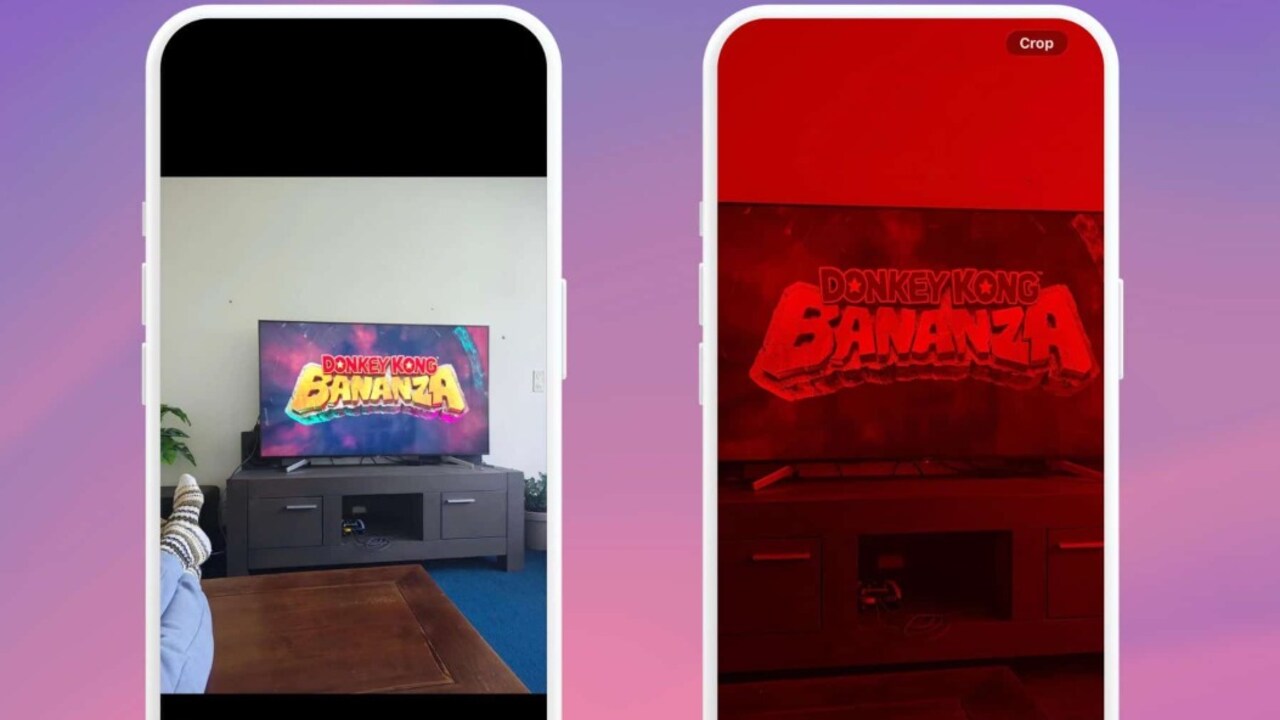
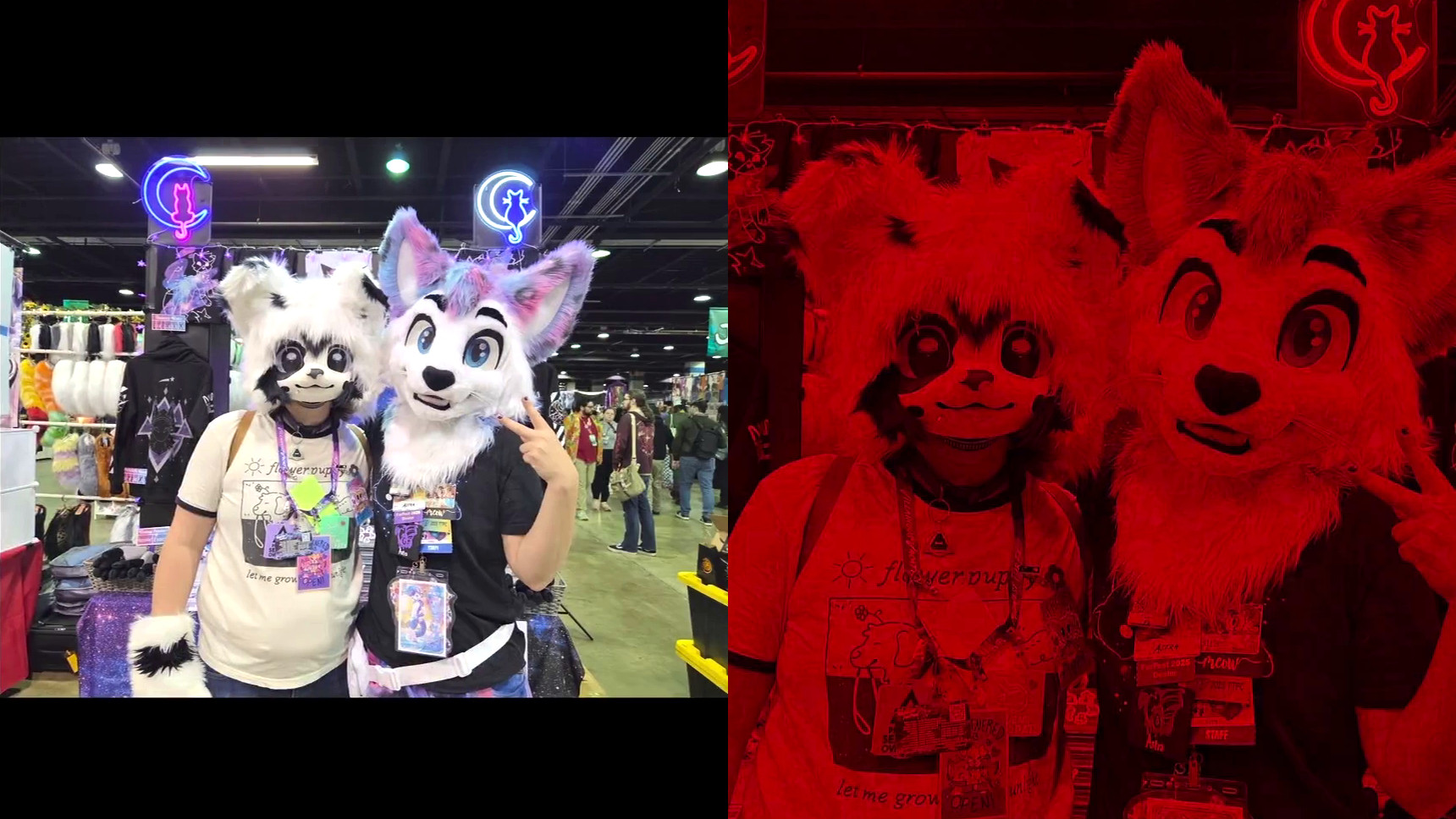
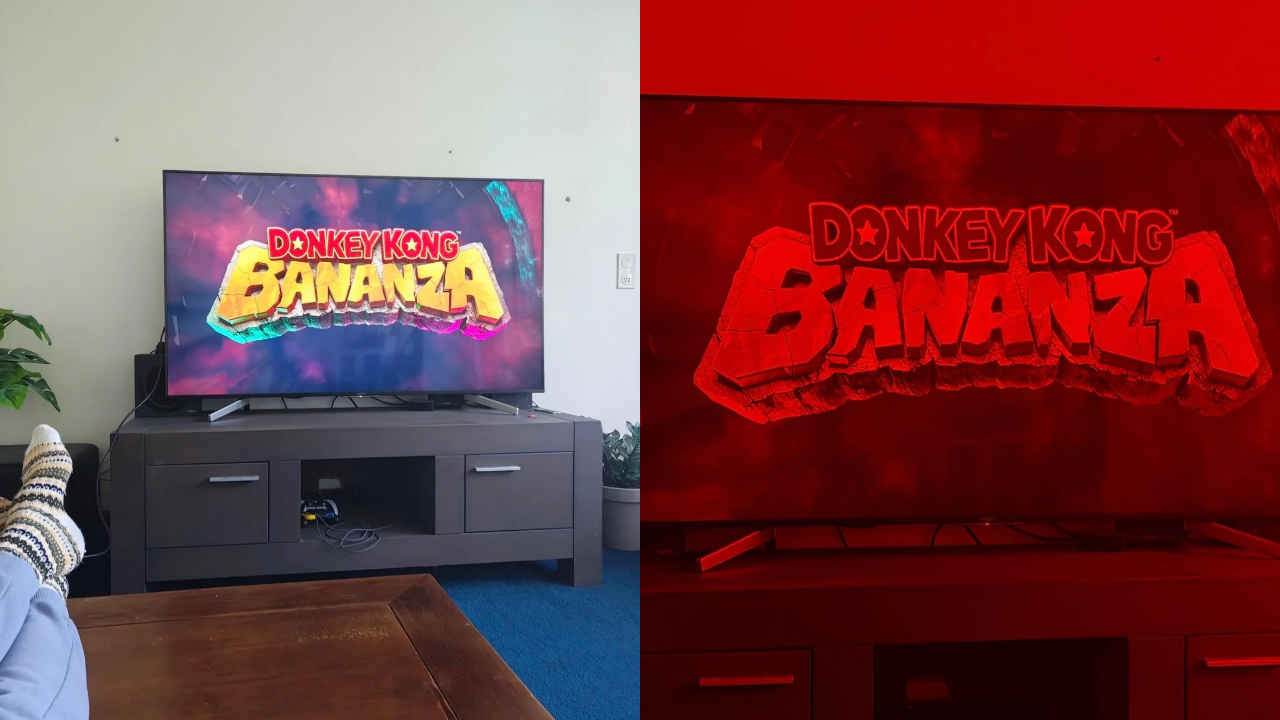
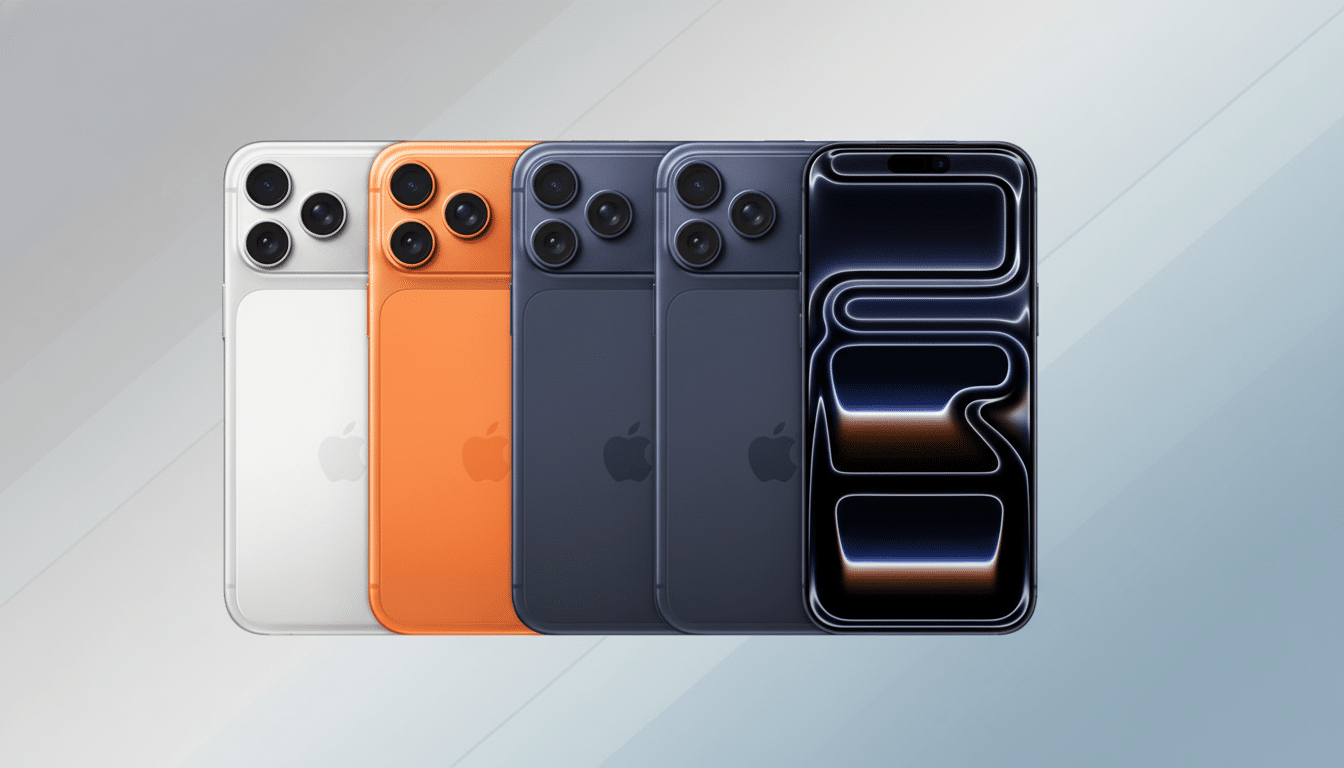
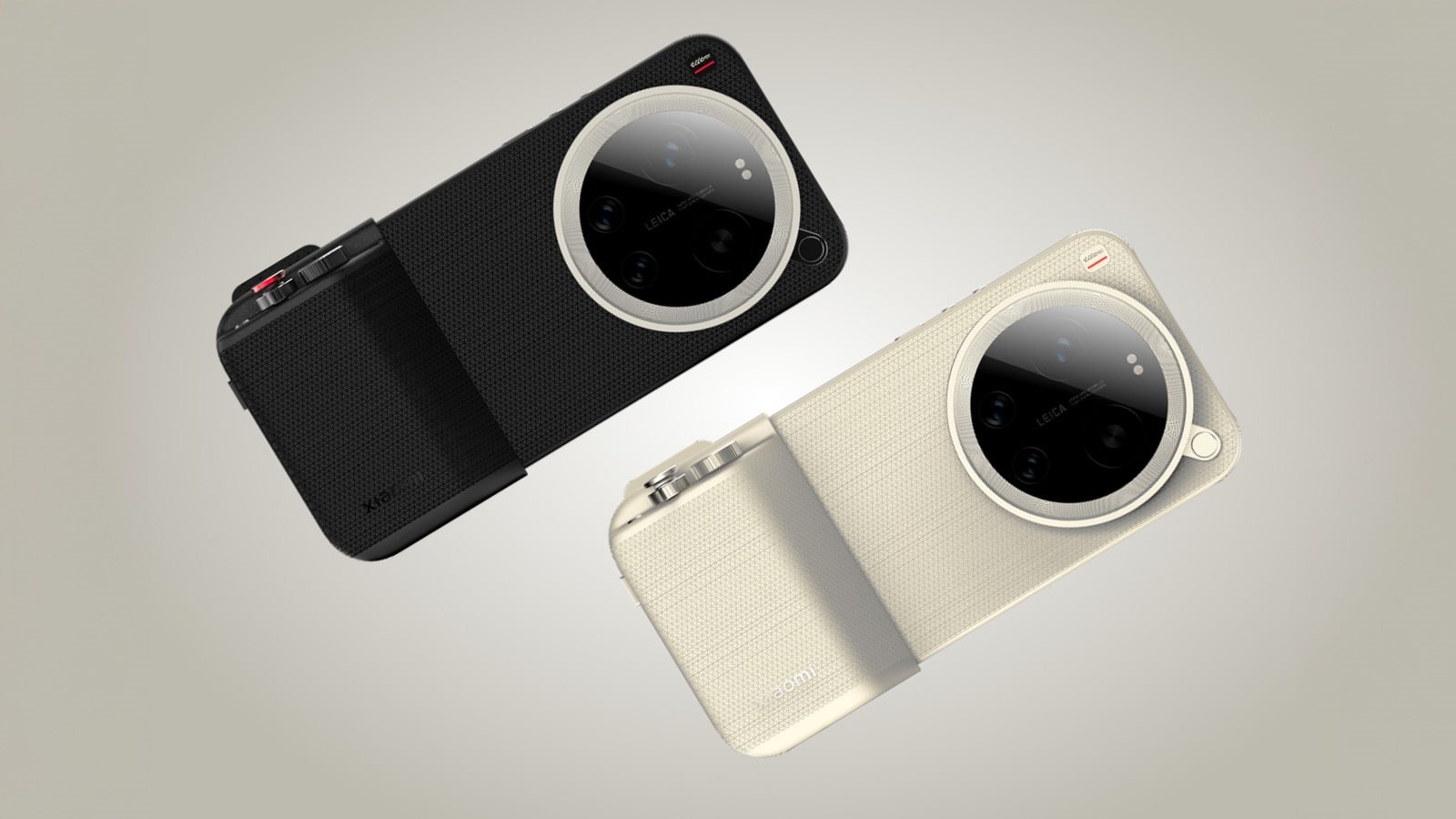
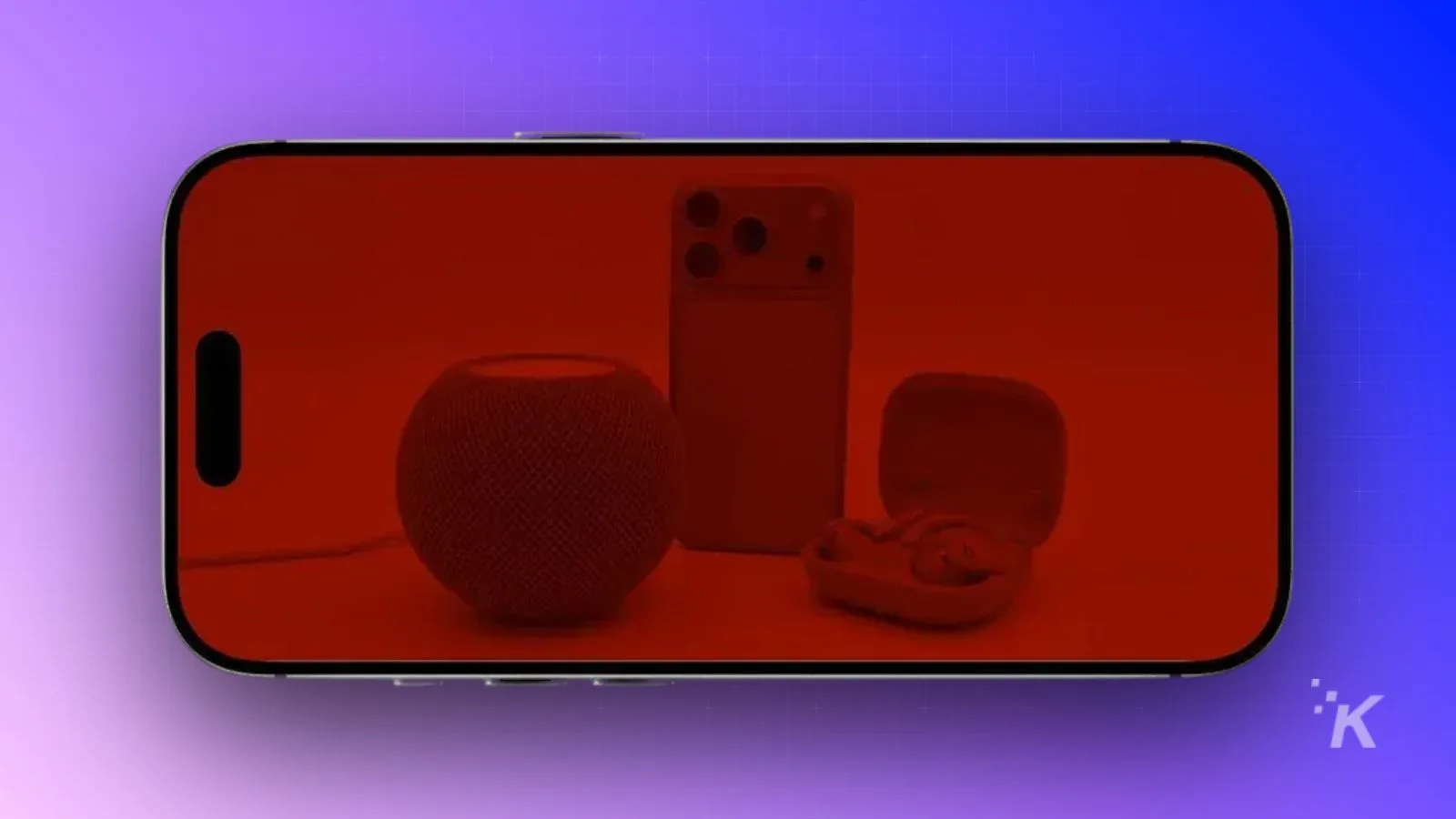
Unexpected color transformations are emerging as a significant pain point for users, particularly those working across Android and iOS platforms. When users zoom into photos captured on Android devices and viewed on iPhones, images inexplicably shift to deep red or gray tones, creating potential communication and professional workflow disruptions. This phenomenon has been consistently observed across multiple devices, including Samsung Galaxy S24, Motorola Razr, and even iPhone 15, suggesting a widespread compatibility issue rather than an isolated incident.
The technical root cause appears to stem from incompatible HDR (High Dynamic Range) standards between mobile operating systems. While a temporary workaround exists—tapping 'Edit' and then 'Revert' in the photo editing screen—this solution requires manual intervention for each affected image, creating significant friction for digital creators, cross-border sellers, and professionals relying on seamless visual communication.
For e-commerce sellers and digital content creators, this bug underscores a critical imperative: rigorous cross-platform image verification. The incident highlights the growing complexity of visual asset management in a multi-device, multi-platform digital landscape. Businesses must now invest in robust testing protocols that ensure image consistency across different mobile ecosystems, treating visual compatibility as a core strategic consideration.
The broader implication extends beyond a simple software bug. It represents a microcosm of the ongoing challenges in creating truly interoperable digital experiences. As mobile platforms continue to fragment and specialize, the ability to maintain visual fidelity becomes a key competitive differentiator. Companies and developers must prioritize standardization and compatibility, recognizing that seamless visual communication is no longer a luxury but a fundamental user expectation.
Questions 3
What causes the unexpected color changes in cross-platform photo viewing?
The issue likely stems from incompatible HDR (High Dynamic Range) standards between Android and iOS platforms. Different color processing algorithms and rendering techniques create visual artifacts when images are transferred between operating systems, causing unexpected red or gray color transformations.
Is this a temporary bug or a sign of deeper platform incompatibility?
While this specific issue might be resolved in future updates, it represents a broader challenge of maintaining visual consistency across fragmented mobile ecosystems. The incident highlights the ongoing need for improved cross-platform image processing standards and collaborative development between mobile operating system providers.