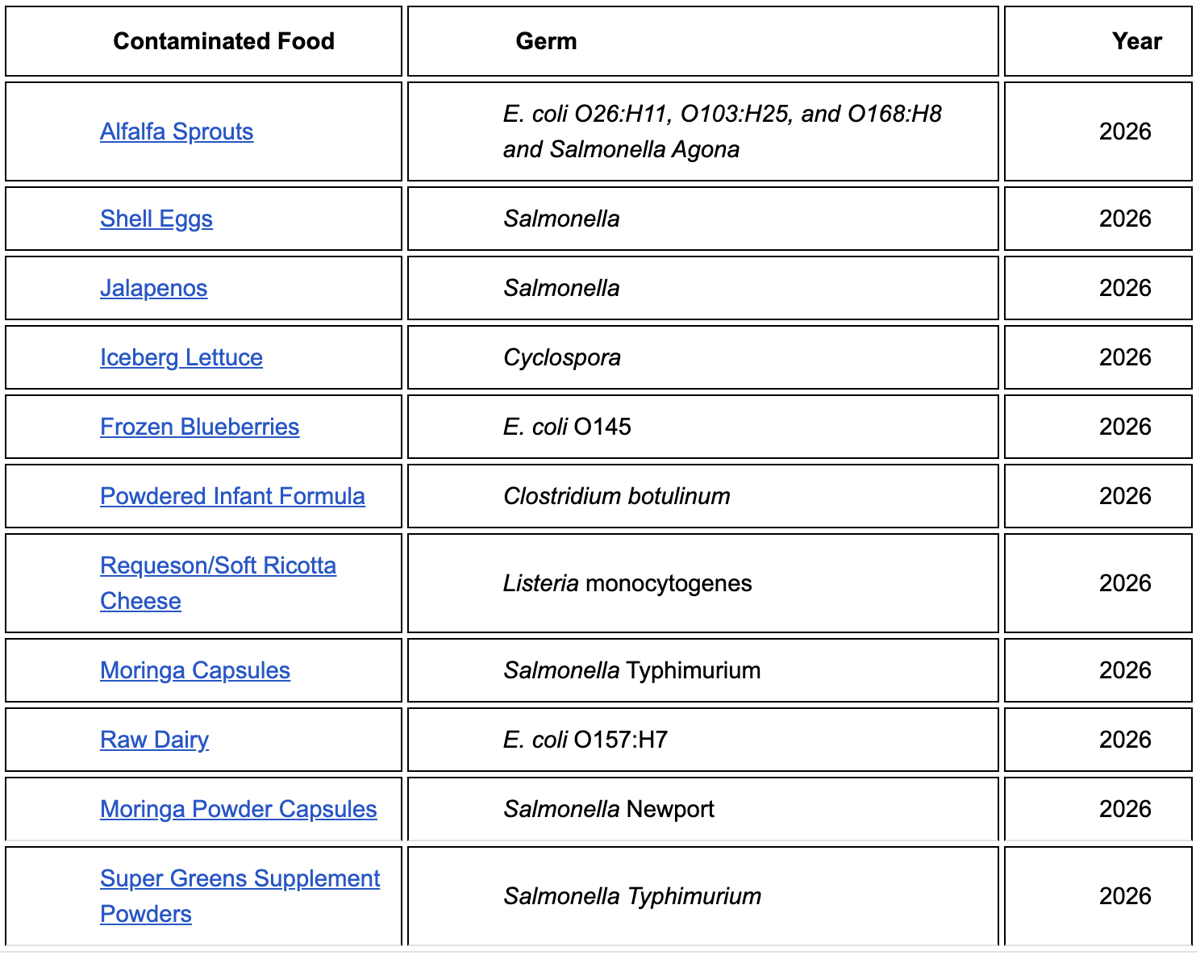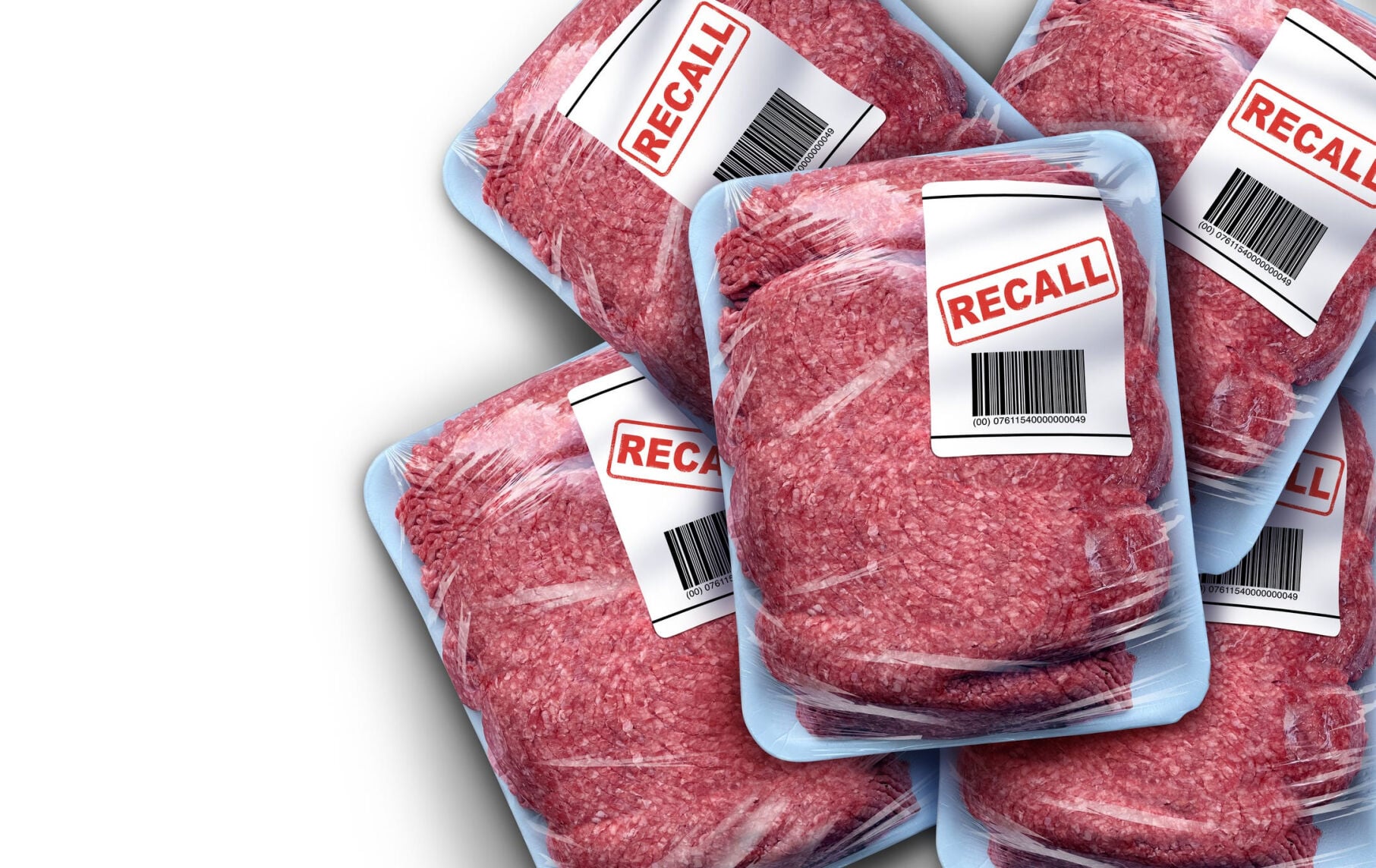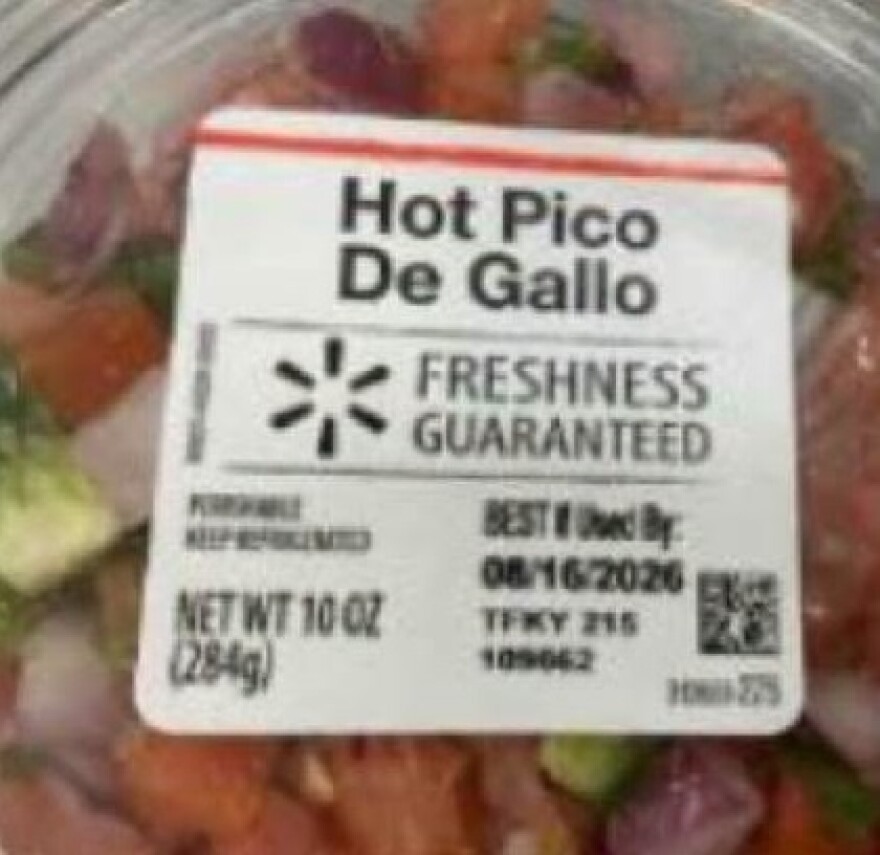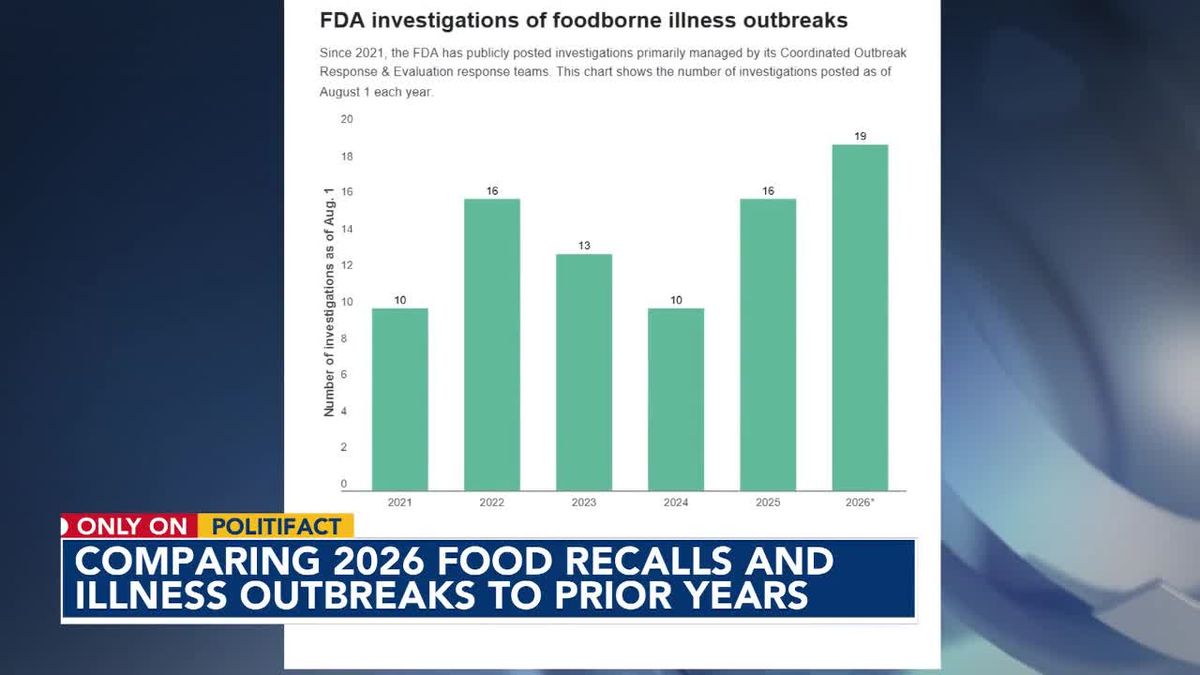


The U.S. food safety infrastructure is experiencing a critical compliance enforcement gap that creates both acute liability risks and competitive opportunities for sellers. Since May 2026, the CDC confirmed over 17,000 cyclosporiasis cases—a parasite infection marking the third-largest outbreak in U.S. history—alongside concurrent salmonella outbreaks affecting 431+ people from jalapeños, 100+ from eggs, and E. coli contamination in frozen blueberries and alfalfa sprouts across 48 states. Despite these unprecedented outbreak numbers, the FDA classified only 860 recalls through August 2026, running 15% below the five-year average, revealing a dangerous surveillance collapse.
The compliance enforcement paradox directly impacts e-commerce sellers. The Department of Health and Human Services under Robert F. Kennedy Jr. reduced FoodNet surveillance to monitor only two pathogens (down from comprehensive monitoring), creating a testing vacuum where fewer inspections correlate directly with fewer detected problems. The FDA now averages 38 days to classify recalls—faster than previous administrations—but this speed masks reduced testing capacity. Critically, 99% of recalls are initiated voluntarily by companies, with only 1% FDA-ordered, meaning sellers operating without robust internal testing face minimal detection risk but maximum liability exposure. Attorney Eric Hageman, specializing in foodborne illness cases for 31 years, reported his team received five times more inquiries this summer than previous years, indicating the real-world impact: sellers are facing lawsuits despite lower official recall numbers.
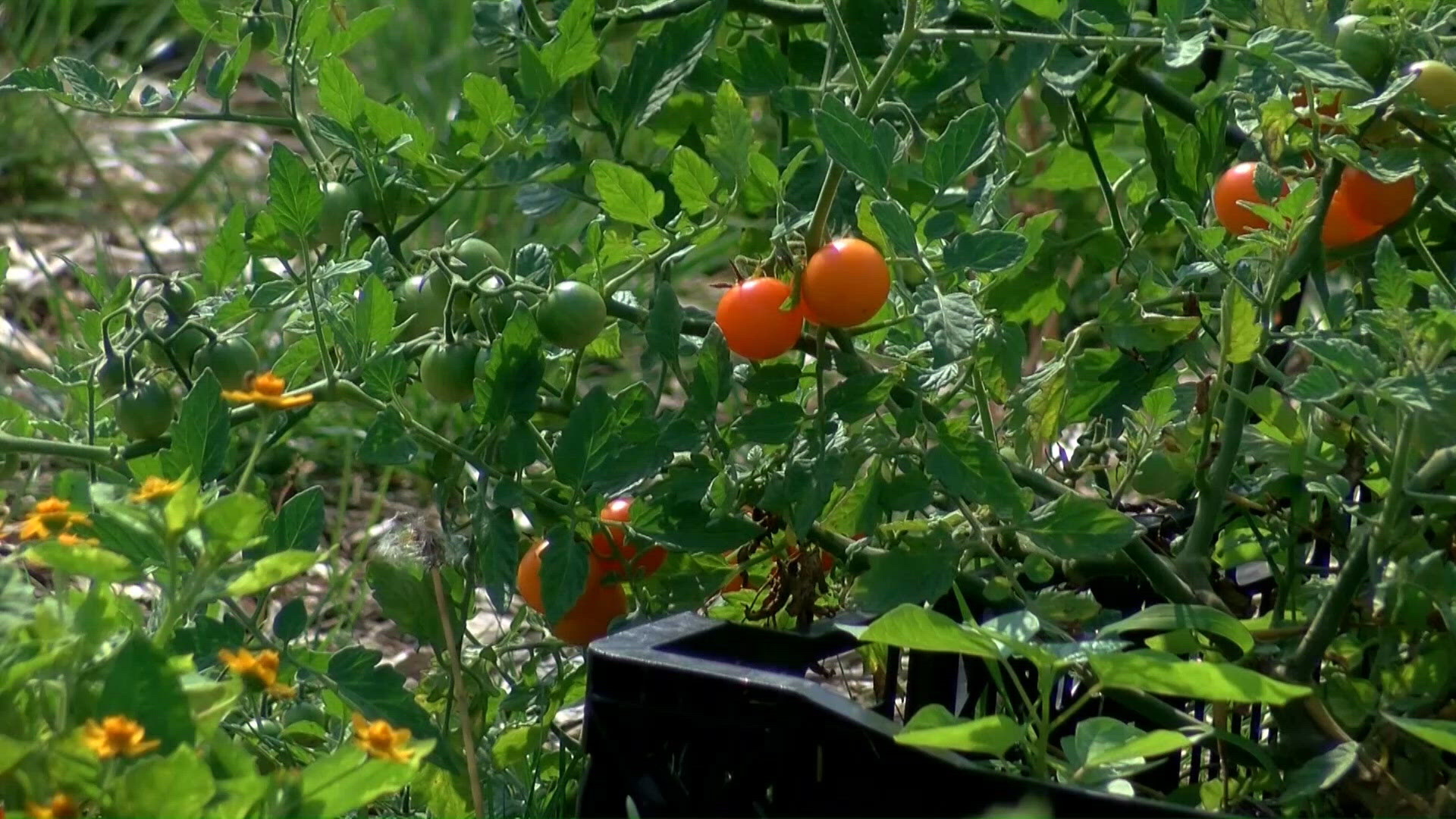
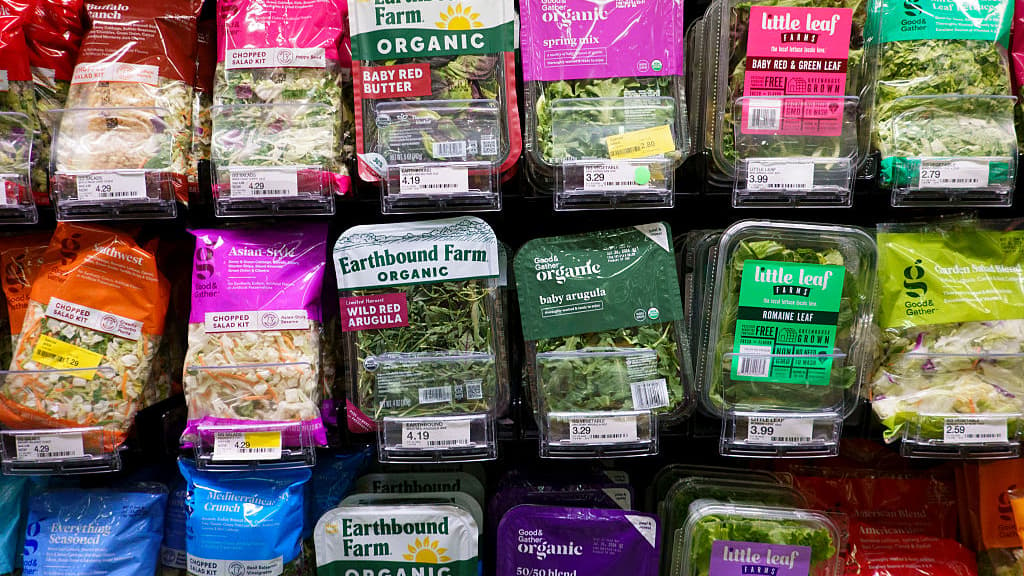
For food-related e-commerce sellers, this creates a two-tier compliance market. Sellers handling fresh produce (jalapeños, alfalfa sprouts, berries), dairy (ricotta cheese), and eggs face heightened consumer scrutiny and litigation risk despite reduced FDA oversight. The outbreak severity—450 hospitalizations and two deaths from cyclospora alone—has triggered consumer awareness that exceeds official recall statistics. Sellers with robust third-party testing, traceability systems, and rapid response protocols can differentiate as "compliance leaders" while competitors operating in the surveillance gap face accumulating liability. The 38-day FDA classification window creates a 4-6 week window where contaminated products may remain in distribution before official action, making seller-initiated testing the only reliable early warning system. This regulatory vacuum particularly affects Amazon Fresh, Walmart+, and specialty food marketplaces where fresh produce represents 30-40% of SKUs.
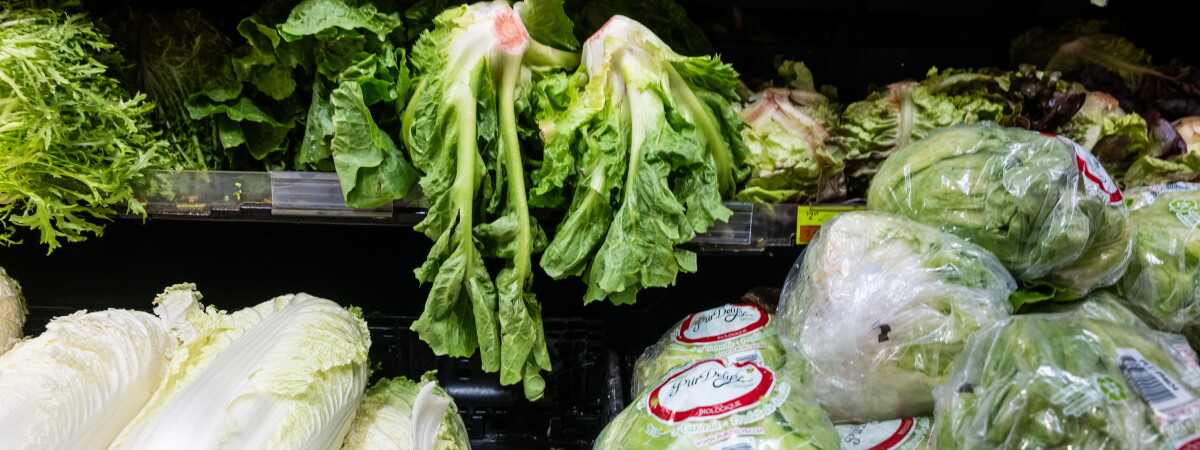
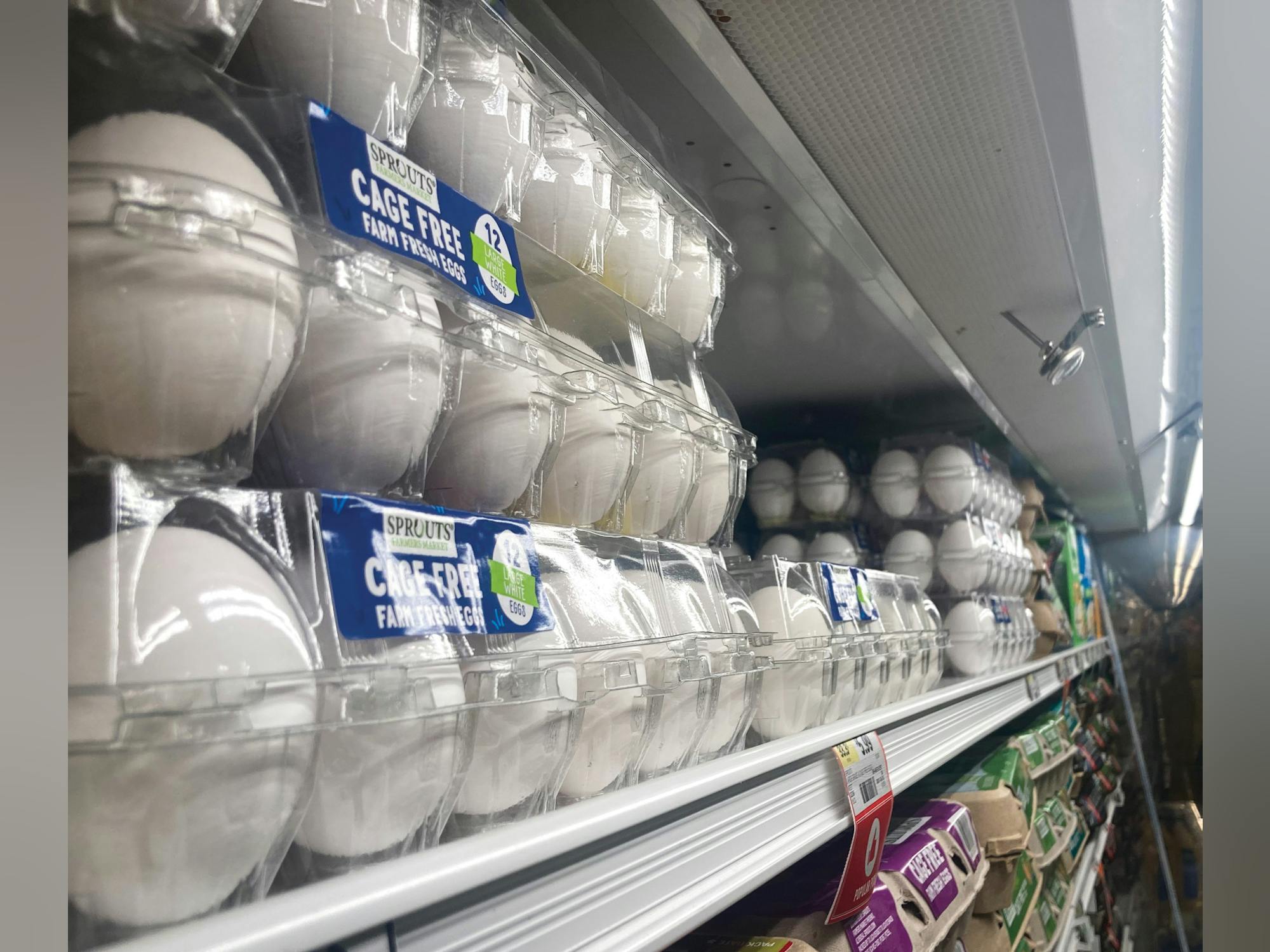
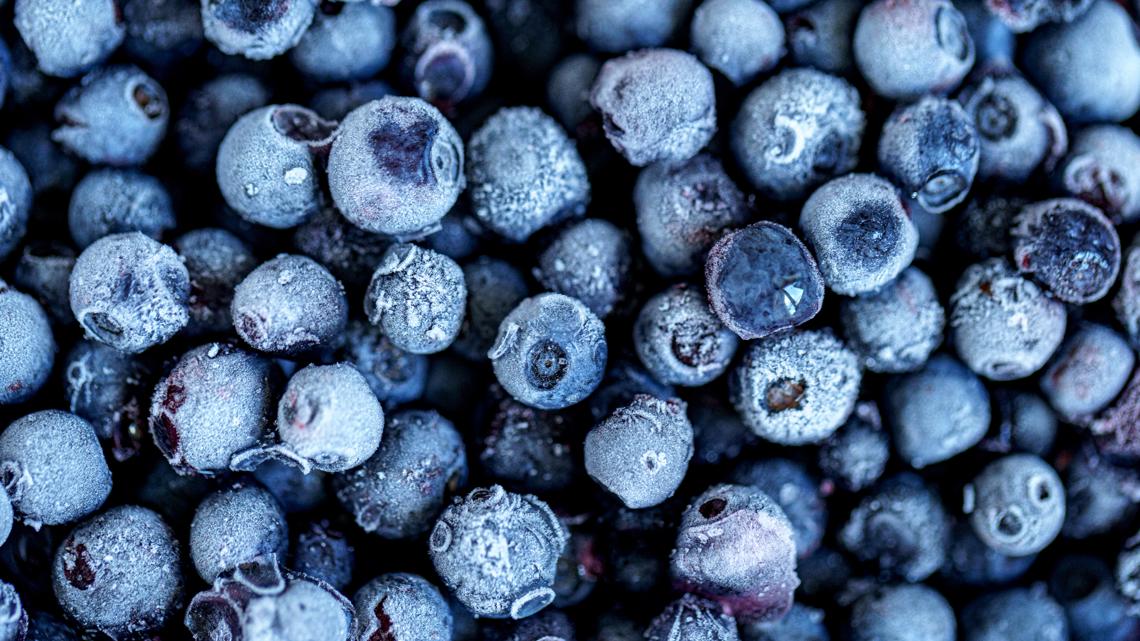
Fresh produce (jalapeños, alfalfa sprouts, berries), dairy (ricotta, soft cheeses), and eggs represent the highest-risk categories based on summer 2026 outbreak data. The 17,000+ cyclospora cases, 431 salmonella cases from jalapeños, and E. coli contamination in frozen blueberries demonstrate that produce and dairy sellers face both detection risk and consumer litigation exposure. Sellers in these categories must implement FSMA Produce Safety Rule compliance ($10,000-50,000 initial investment) and maintain cold chain documentation. Conversely, shelf-stable products (canned goods, dried foods, packaged snacks) face minimal outbreak risk and lower compliance costs, creating a competitive advantage for sellers willing to shift category mix. Amazon Fresh and Walmart+ sellers should prioritize compliance certification for produce and dairy to maintain shelf space as liability concerns intensify.
Reduced FDA testing capacity creates a critical compliance gap where sellers cannot rely on government detection as a safety net. The FoodNet program now monitors only two pathogens instead of comprehensive surveillance, meaning contamination in jalapeños, berries, sprouts, and dairy products may go undetected for weeks. For e-commerce sellers on Amazon Fresh, Walmart+, and specialty platforms, this means internal testing and traceability systems are now the primary defense against liability. Sellers must implement third-party pathogen testing (typically $500-2,000 per batch) and maintain 100% product traceability to survive the 5x surge in foodborne illness lawsuits documented this summer. The 38-day FDA classification window means contaminated products can circulate for 4-6 weeks before official recall, making seller-initiated rapid response protocols essential for brand protection.
Shelf-stable categories (canned goods, dried foods, packaged snacks, frozen prepared meals, condiments) require minimal compliance investment compared to fresh produce and dairy. Compliance costs: shelf-stable $500-2,000 versus fresh produce $10,000-50,000. Shelf-stable products face zero outbreak risk from cyclospora, salmonella, and E. coli; compliance focuses on labeling and allergen management rather than pathogen testing. Sellers can transition from high-liability produce to shelf-stable alternatives: (1) Specialty snacks (nuts, dried fruit, granola), (2) Prepared frozen meals, (3) Condiments and sauces, (4) Organic/specialty grains. These categories generate 15-25% higher margins than fresh produce due to lower compliance costs and reduced liability insurance. Amazon and Walmart actively recruit shelf-stable sellers to diversify away from fresh produce risk; sellers with existing compliance infrastructure can leverage certifications across multiple shelf-stable categories, reducing per-category compliance cost to $200-500.
GFSI-recognized certifications (SQF Level 3, BRC Grade A, FSSC 22000) provide fastest marketplace approval: 10-14 days for Amazon and Walmart versus 30+ days for non-certified audits. SQF certification costs $5,000-12,000 and requires 30-45 days; BRC costs $4,000-10,000 with similar timeline. For sellers seeking immediate marketplace access, partnering with certified 3PL providers (Lineage Logistics, Americold, Preferred Freezer) compresses timeline to 7-10 days at $500-1,500 monthly cost. The current enforcement gap means non-certified sellers can operate for weeks, but litigation risk from the 5x surge in foodborne illness lawsuits makes certification essential. Amazon Fresh and Walmart+ now require GFSI certification for produce and dairy categories; sellers without certification face delisting within 60-90 days as platforms tighten safety standards in response to outbreak liability.
The FDA's 38-day classification window creates a 4-6 week period where contaminated products remain in distribution before official action. For e-commerce sellers, this means inventory purchased 30+ days before contamination detection may already be in customer hands. Sellers must implement: (1) Rapid batch-level traceability to identify affected inventory within 24-48 hours, (2) Supplier verification protocols to detect contamination before purchase, (3) Inventory rotation systems limiting shelf life to 20-30 days for high-risk produce. The summer 2026 outbreaks (jalapeños, alfalfa sprouts, berries) demonstrate that contamination can affect 48 states within weeks; sellers without real-time traceability face massive recall costs and customer liability. Amazon and Walmart require sellers to maintain 100% traceability; compliance reduces recall response time from 38 days to 2-3 days, minimizing customer exposure and legal liability.
Foodborne illness liability costs range from $50,000-500,000+ per incident depending on case severity and settlement scope. Attorney Eric Hageman's team received 5x more inquiries this summer, indicating widespread litigation exposure. Sellers face: (1) Product liability insurance premiums ($2,000-8,000 annually for $1M coverage), (2) Recall costs ($10,000-100,000+ for product retrieval and destruction), (3) Legal defense costs ($50,000-200,000+ per case), (4) Brand damage and delisting from platforms. The 17,000+ cyclospora cases and 450 hospitalizations demonstrate outbreak scale; even 1% of affected consumers pursuing claims creates massive liability. Sellers should budget 3-5% of fresh produce revenue for compliance and insurance versus 0.5-1% for shelf-stable categories. Marketplace compliance certification reduces insurance premiums by 15-20% and provides legal defense coverage, making it cost-effective risk mitigation.
Sellers can differentiate by implementing voluntary compliance standards that exceed FDA minimums, positioning as 'safety leaders' in categories where competitors operate in the surveillance gap. Specific tactics: (1) Publish third-party audit certifications prominently on product listings (increases conversion 8-12% in food categories), (2) Implement real-time pathogen testing with batch-level transparency (differentiates from 99% of competitors relying on voluntary recalls), (3) Offer rapid replacement/refund guarantees backed by product liability insurance ($2,000-5,000 annual premium for $1M coverage). The 5x surge in foodborne illness lawsuits indicates consumer awareness exceeds official recall statistics—sellers with transparent safety protocols capture market share from competitors. Amazon Fresh and Walmart+ prioritize certified sellers; compliance certification increases shelf space allocation by 15-25% and reduces delisting risk during outbreak periods.
The fastest compliance path involves: (1) Third-party FSMA audit certification (30-45 days, $3,000-8,000), (2) Supplier verification program implementation (14 days), and (3) Traceability system setup (7-14 days). Total timeline: 51-73 days to achieve marketplace compliance. Sellers should prioritize GFSI-certified auditors (SQF, BRC, FSSC 22000) recognized by Amazon and Walmart, which compress review timelines to 10-14 days versus 30+ days for non-certified auditors. Cost-effective alternative: partner with 3PL providers already FSMA-certified (Lineage Logistics, Americold) to leverage existing compliance infrastructure, reducing seller investment to $500-1,500 monthly versus $50,000+ for independent certification. The current enforcement gap means non-compliant sellers can operate for 4-6 weeks before detection, but litigation risk from the 5x surge in foodborne illness lawsuits makes compliance investment essential for long-term viability.
Fresh produce (jalapeños, alfalfa sprouts, berries), dairy (ricotta, soft cheeses), and eggs represent the highest-risk categories based on summer 2026 outbreak data. The 17,000+ cyclospora cases, 431 salmonella cases from jalapeños, and E. coli contamination in frozen blueberries demonstrate that produce and dairy sellers face both detection risk and consumer litigation exposure. Sellers in these categories must implement FSMA Produce Safety Rule compliance ($10,000-50,000 initial investment) and maintain cold chain documentation. Conversely, shelf-stable products (canned goods, dried foods, packaged snacks) face minimal outbreak risk and lower compliance costs, creating a competitive advantage for sellers willing to shift category mix. Amazon Fresh and Walmart+ sellers should prioritize compliance certification for produce and dairy to maintain shelf space as liability concerns intensify.
Reduced FDA testing capacity creates a critical compliance gap where sellers cannot rely on government detection as a safety net. The FoodNet program now monitors only two pathogens instead of comprehensive surveillance, meaning contamination in jalapeños, berries, sprouts, and dairy products may go undetected for weeks. For e-commerce sellers on Amazon Fresh, Walmart+, and specialty platforms, this means internal testing and traceability systems are now the primary defense against liability. Sellers must implement third-party pathogen testing (typically $500-2,000 per batch) and maintain 100% product traceability to survive the 5x surge in foodborne illness lawsuits documented this summer. The 38-day FDA classification window means contaminated products can circulate for 4-6 weeks before official recall, making seller-initiated rapid response protocols essential for brand protection.
Shelf-stable categories (canned goods, dried foods, packaged snacks, frozen prepared meals, condiments) require minimal compliance investment compared to fresh produce and dairy. Compliance costs: shelf-stable $500-2,000 versus fresh produce $10,000-50,000. Shelf-stable products face zero outbreak risk from cyclospora, salmonella, and E. coli; compliance focuses on labeling and allergen management rather than pathogen testing. Sellers can transition from high-liability produce to shelf-stable alternatives: (1) Specialty snacks (nuts, dried fruit, granola), (2) Prepared frozen meals, (3) Condiments and sauces, (4) Organic/specialty grains. These categories generate 15-25% higher margins than fresh produce due to lower compliance costs and reduced liability insurance. Amazon and Walmart actively recruit shelf-stable sellers to diversify away from fresh produce risk; sellers with existing compliance infrastructure can leverage certifications across multiple shelf-stable categories, reducing per-category compliance cost to $200-500.
GFSI-recognized certifications (SQF Level 3, BRC Grade A, FSSC 22000) provide fastest marketplace approval: 10-14 days for Amazon and Walmart versus 30+ days for non-certified audits. SQF certification costs $5,000-12,000 and requires 30-45 days; BRC costs $4,000-10,000 with similar timeline. For sellers seeking immediate marketplace access, partnering with certified 3PL providers (Lineage Logistics, Americold, Preferred Freezer) compresses timeline to 7-10 days at $500-1,500 monthly cost. The current enforcement gap means non-certified sellers can operate for weeks, but litigation risk from the 5x surge in foodborne illness lawsuits makes certification essential. Amazon Fresh and Walmart+ now require GFSI certification for produce and dairy categories; sellers without certification face delisting within 60-90 days as platforms tighten safety standards in response to outbreak liability.
The FDA's 38-day classification window creates a 4-6 week period where contaminated products remain in distribution before official action. For e-commerce sellers, this means inventory purchased 30+ days before contamination detection may already be in customer hands. Sellers must implement: (1) Rapid batch-level traceability to identify affected inventory within 24-48 hours, (2) Supplier verification protocols to detect contamination before purchase, (3) Inventory rotation systems limiting shelf life to 20-30 days for high-risk produce. The summer 2026 outbreaks (jalapeños, alfalfa sprouts, berries) demonstrate that contamination can affect 48 states within weeks; sellers without real-time traceability face massive recall costs and customer liability. Amazon and Walmart require sellers to maintain 100% traceability; compliance reduces recall response time from 38 days to 2-3 days, minimizing customer exposure and legal liability.
Foodborne illness liability costs range from $50,000-500,000+ per incident depending on case severity and settlement scope. Attorney Eric Hageman's team received 5x more inquiries this summer, indicating widespread litigation exposure. Sellers face: (1) Product liability insurance premiums ($2,000-8,000 annually for $1M coverage), (2) Recall costs ($10,000-100,000+ for product retrieval and destruction), (3) Legal defense costs ($50,000-200,000+ per case), (4) Brand damage and delisting from platforms. The 17,000+ cyclospora cases and 450 hospitalizations demonstrate outbreak scale; even 1% of affected consumers pursuing claims creates massive liability. Sellers should budget 3-5% of fresh produce revenue for compliance and insurance versus 0.5-1% for shelf-stable categories. Marketplace compliance certification reduces insurance premiums by 15-20% and provides legal defense coverage, making it cost-effective risk mitigation.
Sellers can differentiate by implementing voluntary compliance standards that exceed FDA minimums, positioning as 'safety leaders' in categories where competitors operate in the surveillance gap. Specific tactics: (1) Publish third-party audit certifications prominently on product listings (increases conversion 8-12% in food categories), (2) Implement real-time pathogen testing with batch-level transparency (differentiates from 99% of competitors relying on voluntary recalls), (3) Offer rapid replacement/refund guarantees backed by product liability insurance ($2,000-5,000 annual premium for $1M coverage). The 5x surge in foodborne illness lawsuits indicates consumer awareness exceeds official recall statistics—sellers with transparent safety protocols capture market share from competitors. Amazon Fresh and Walmart+ prioritize certified sellers; compliance certification increases shelf space allocation by 15-25% and reduces delisting risk during outbreak periods.
The fastest compliance path involves: (1) Third-party FSMA audit certification (30-45 days, $3,000-8,000), (2) Supplier verification program implementation (14 days), and (3) Traceability system setup (7-14 days). Total timeline: 51-73 days to achieve marketplace compliance. Sellers should prioritize GFSI-certified auditors (SQF, BRC, FSSC 22000) recognized by Amazon and Walmart, which compress review timelines to 10-14 days versus 30+ days for non-certified auditors. Cost-effective alternative: partner with 3PL providers already FSMA-certified (Lineage Logistics, Americold) to leverage existing compliance infrastructure, reducing seller investment to $500-1,500 monthly versus $50,000+ for independent certification. The current enforcement gap means non-compliant sellers can operate for 4-6 weeks before detection, but litigation risk from the 5x surge in foodborne illness lawsuits makes compliance investment essential for long-term viability.
Fresh produce (jalapeños, alfalfa sprouts, berries), dairy (ricotta, soft cheeses), and eggs represent the highest-risk categories based on summer 2026 outbreak data. The 17,000+ cyclospora cases, 431 salmonella cases from jalapeños, and E. coli contamination in frozen blueberries demonstrate that produce and dairy sellers face both detection risk and consumer litigation exposure. Sellers in these categories must implement FSMA Produce Safety Rule compliance ($10,000-50,000 initial investment) and maintain cold chain documentation. Conversely, shelf-stable products (canned goods, dried foods, packaged snacks) face minimal outbreak risk and lower compliance costs, creating a competitive advantage for sellers willing to shift category mix. Amazon Fresh and Walmart+ sellers should prioritize compliance certification for produce and dairy to maintain shelf space as liability concerns intensify.
Reduced FDA testing capacity creates a critical compliance gap where sellers cannot rely on government detection as a safety net. The FoodNet program now monitors only two pathogens instead of comprehensive surveillance, meaning contamination in jalapeños, berries, sprouts, and dairy products may go undetected for weeks. For e-commerce sellers on Amazon Fresh, Walmart+, and specialty platforms, this means internal testing and traceability systems are now the primary defense against liability. Sellers must implement third-party pathogen testing (typically $500-2,000 per batch) and maintain 100% product traceability to survive the 5x surge in foodborne illness lawsuits documented this summer. The 38-day FDA classification window means contaminated products can circulate for 4-6 weeks before official recall, making seller-initiated rapid response protocols essential for brand protection.