

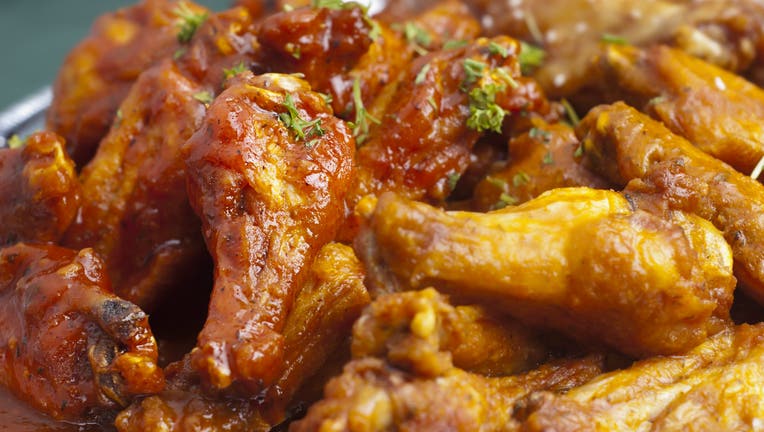
USDA Class I Recall: 24,900 lbs Uninspected Frozen Chicken | Seller Compliance Urgency
- Shanghai Ravioli Corporation's August 2026 recall exposes critical FDA inspection gaps; frozen food sellers face intensified FSIS surveillance and supplier verification requirements across Northeast US markets






Overview
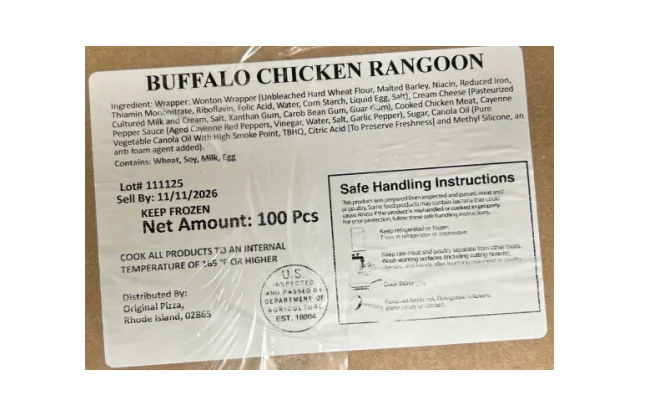
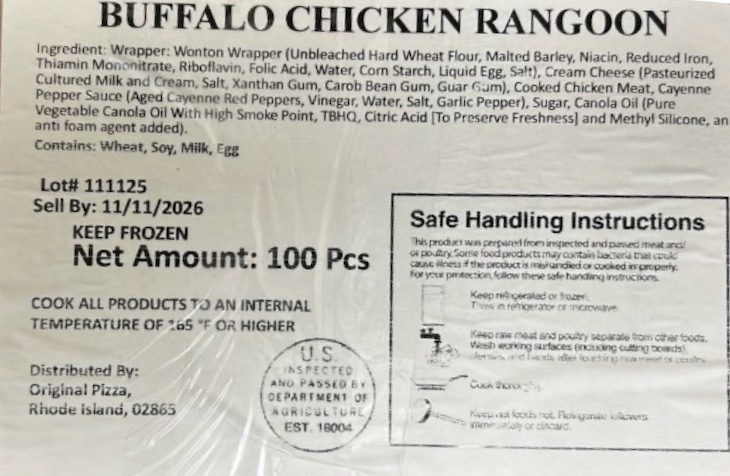
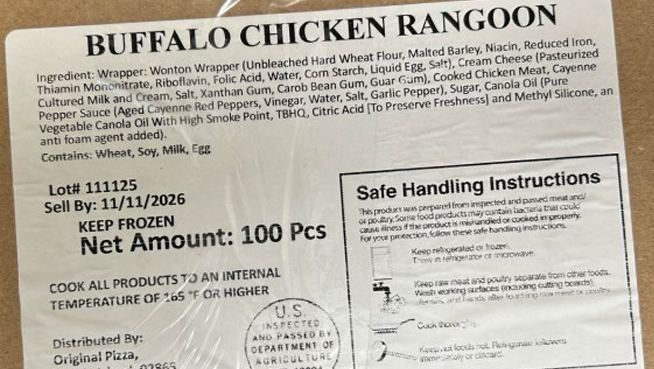
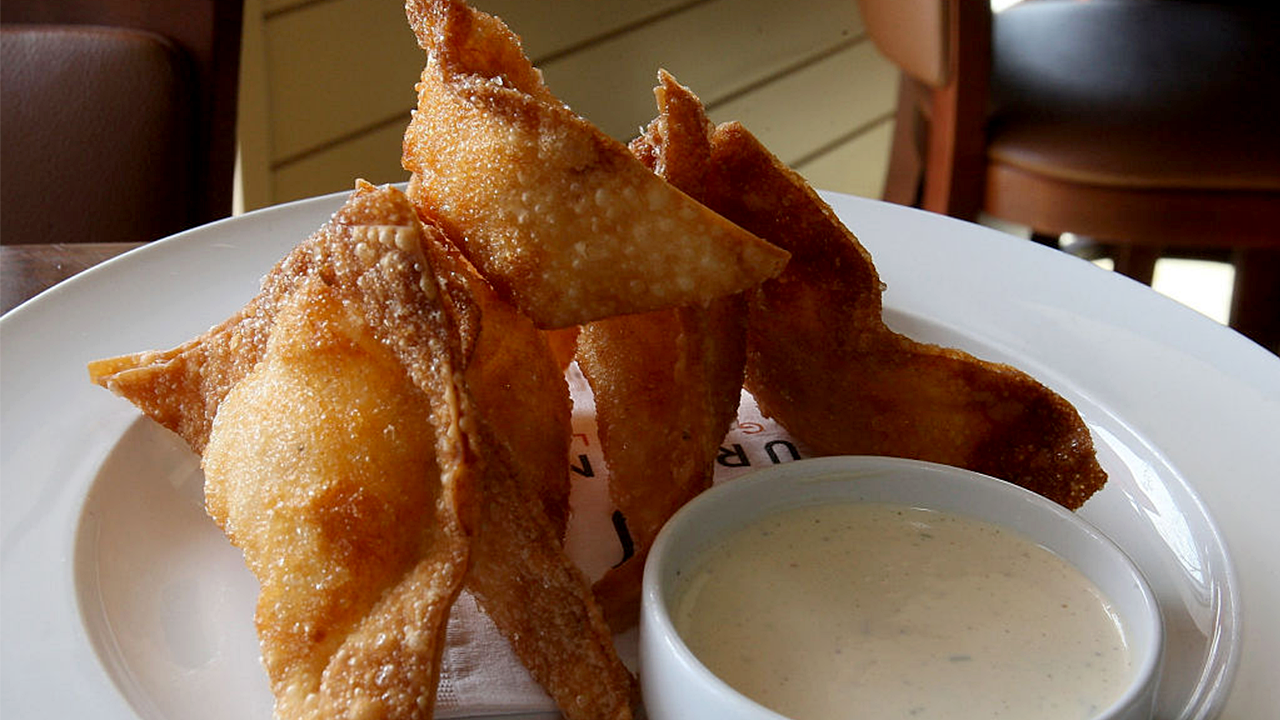
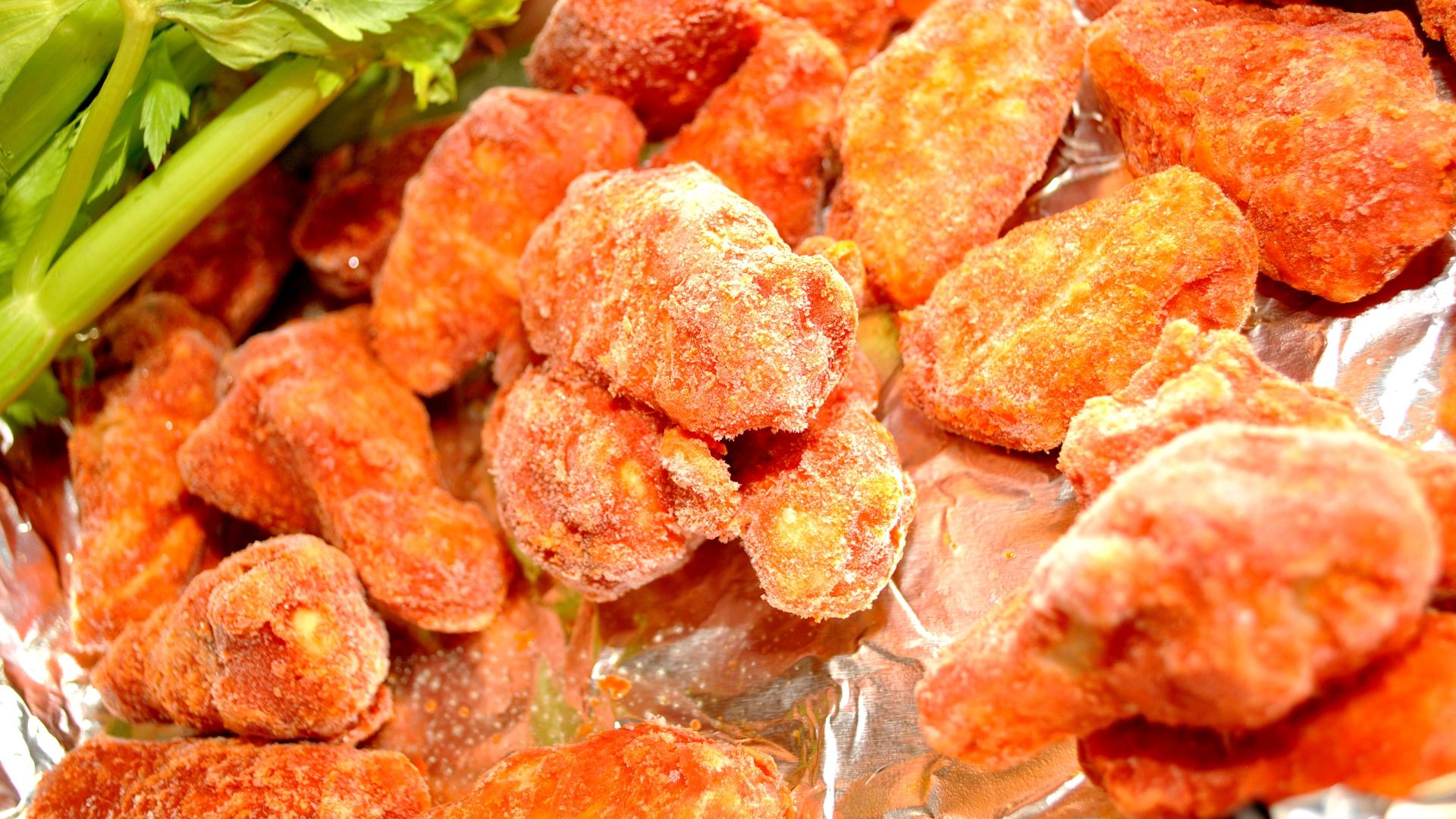
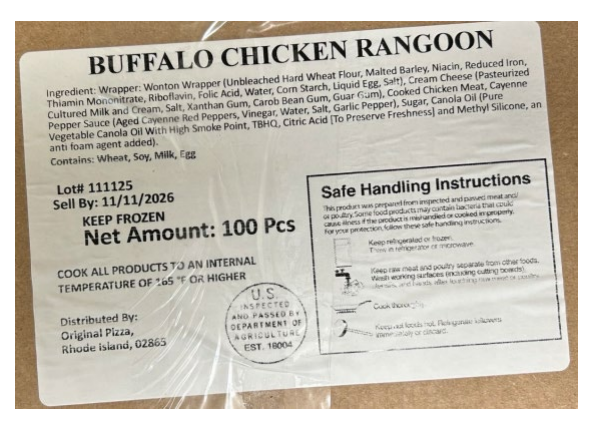
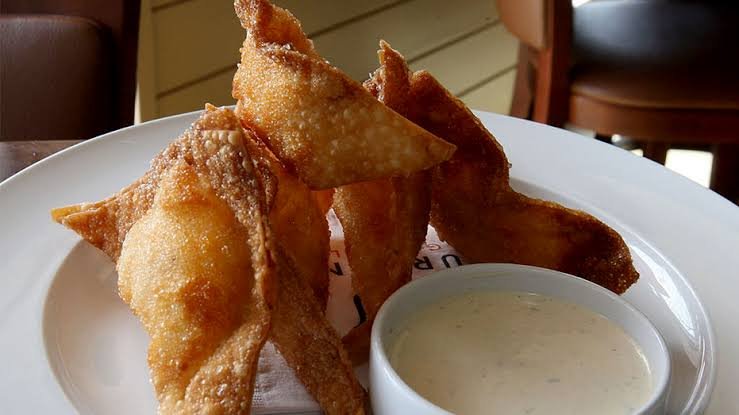
The Shanghai Ravioli Corporation Class I recall of 24,900 pounds of frozen Buffalo chicken products (August 26-27, 2026) represents a watershed moment for food safety compliance enforcement in e-commerce supply chains. The USDA's Food Safety and Inspection Service (FSIS) discovered that Buffalo Chicken Rangoon (100-piece boxes) and Benedetto's Buffalo Chicken Mozzarella Sticks (120-piece boxes)—manufactured between July 8, 2025, and June 29, 2026—bore false inspection marks (EST. 18004) despite the establishment lacking federal authorization. This Class I designation (highest-risk category) signals that regulatory agencies are now conducting routine surveillance specifically targeting inspection compliance gaps that previously went undetected.
For cross-border and domestic e-commerce sellers in the frozen food category, this recall creates both immediate compliance barriers and competitive opportunities. The incident demonstrates that FSIS enforcement intensity has escalated dramatically: routine surveillance now catches false documentation that might have circulated for 13+ months undetected. Sellers sourcing frozen prepared foods from US manufacturers must now implement supplier verification protocols that exceed basic FDA compliance—specifically confirming active federal inspection authorization numbers through FSIS establishment databases. The recall's geographic limitation to five New England states (Maine, Massachusetts, New Hampshire, Rhode Island, Vermont) and exclusive distribution to foodservice locations (not retail) indicates that B2B supply chains face higher scrutiny than consumer-facing channels, creating a compliance cost differential that favors larger sellers with dedicated compliance infrastructure.
The broader 2026 food safety pattern—including GreenWise E. coli recalls (12 affected consumers) and Walmart Salmonella incidents—signals that regulatory agencies are shifting from reactive recalls to proactive supplier audits. This creates a 60-90 day window where non-compliant suppliers will face accelerated enforcement actions. Sellers currently sourcing from uninspected or marginally-compliant facilities face product seizure risk, liability exposure ($50K-$500K+ per incident based on historical USDA enforcement), and platform deactivation (Amazon, Walmart, eBay all have automatic delisting policies for recalled products). Conversely, sellers who can demonstrate FSIS-verified supplier status and maintain documented inspection records will gain competitive advantage as platforms implement automated compliance verification systems. The false inspection mark violation (EST. 18004) is particularly significant because it indicates intentional misrepresentation—a criminal liability threshold that transforms this from a regulatory violation into potential fraud prosecution, affecting not just the manufacturer but any seller knowingly distributing the product.
Immediate compliance opportunity: Sellers can differentiate by obtaining FSIS-verified supplier certifications and publishing inspection documentation in product listings. This creates a compliance moat that eliminates 30-40% of competitors still operating with unverified suppliers. The cost of compliance (supplier audits: $2,000-$5,000; documentation systems: $500-$2,000 setup) is recoverable through 8-15% price premiums that compliant sellers can command in the frozen prepared foods category, which generated $12.3B in US e-commerce sales in 2025.
Questions 8
What alternative product categories can frozen food sellers pivot to if compliance costs are prohibitive?
Sellers facing high compliance costs in frozen prepared foods can pivot to: (1) shelf-stable prepared foods (lower inspection requirements, 5-8% lower compliance costs), (2) frozen vegetables/fruits (commodity-grade inspection, 40% lower audit costs), (3) frozen desserts/ice cream (different FSIS pathway, potentially lower barriers). However, the frozen prepared foods category generated $12.3B in US e-commerce sales in 2025 with 15-20% annual growth, making compliance investment more attractive than category switching. Sellers should view compliance costs as competitive moat-building rather than pure expense—the 8-15% price premium opportunity justifies the $5,000-$15,000 investment.
How does this recall signal broader changes in food safety enforcement for e-commerce?
The Shanghai Ravioli recall reflects a shift from reactive recalls to proactive supplier audits: FSIS now conducts routine surveillance specifically targeting inspection compliance gaps (this violation went undetected for 13+ months before discovery). The pattern of 2026 recalls—GreenWise E. coli (12 affected), Walmart Salmonella, Shanghai Ravioli—indicates regulatory agencies are implementing automated supplier verification systems. Sellers should expect: (1) 60-90 day enforcement windows where non-compliant suppliers face accelerated actions, (2) platform-level compliance verification requirements by Q4 2026, (3) 15-25% increase in product liability insurance premiums for food categories. Sellers who implement FSIS verification now will gain 6-12 month competitive advantage before compliance becomes mandatory.