



Hemp THC Ban Delayed to December 2026 | E-Commerce Sellers Face Regulatory Uncertainty
- Federal ban on hemp-derived Delta-8 THC products postponed one month; sellers have 4-month window to restructure inventory and compliance; interstate sales at risk after December 11, 2026








Overview
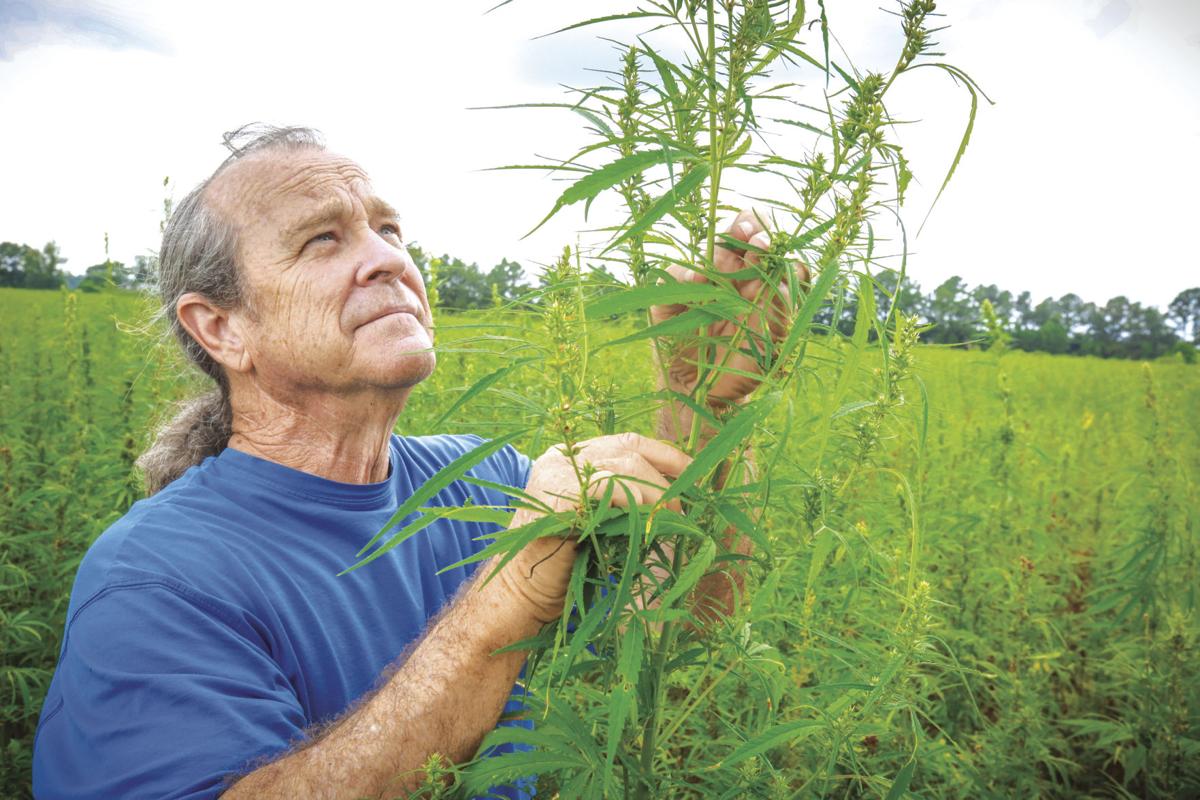
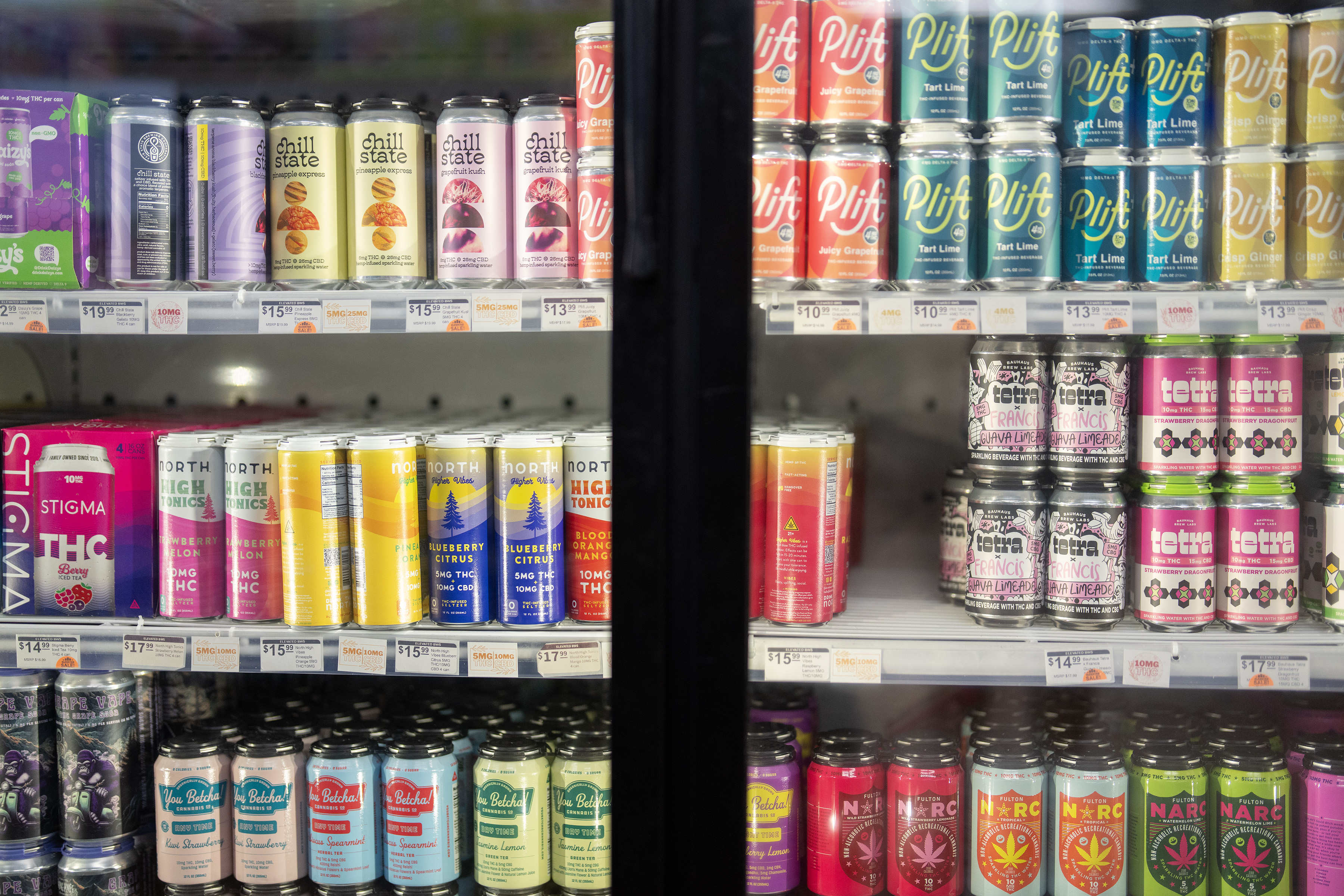
The U.S. federal government is implementing a ban on hemp-derived THC products (Delta-8, Delta-10, and synthetic cannabinoids) effective November 12, 2026, with a Senate-approved one-month delay extending the deadline to December 11, 2026. This policy creates a critical window for e-commerce sellers currently operating in the hemp beverage, edibles, and vape categories—a market estimated at $5-8B annually in the U.S. The ban stems from the 2018 Farm Bill's legalization of hemp containing up to 0.3% Delta-9 THC, which created an unregulated market for intoxicating products including gummies, drinks, pills, and vapes marketed as "diet weed."
For cross-border and domestic sellers, the regulatory landscape presents three distinct scenarios: First, sellers operating in states with legalized hemp products (Minnesota, Colorado, California) face federal Schedule I classification that would eliminate interstate sales—historically a 30-40% revenue stream for state-based hemp businesses. Second, the Trump administration and Hemp Roundtable are negotiating a regulatory bridge with proposed rules including age restrictions (21+), import bans from China, manufacturing standards, and labeling transparency. Third, Congress has introduced four bills attempting to modify the ban: Representative Andy Barr's Lawful Hemp Protection Act (FDA regulation with 1% THC limit), Senator Klobuchar's Hemp Safety Enforcement Act (state-level regulation), and Representative Van Duyne's Beverage Regulatory Parity Act (alcohol-style three-tiered distribution).
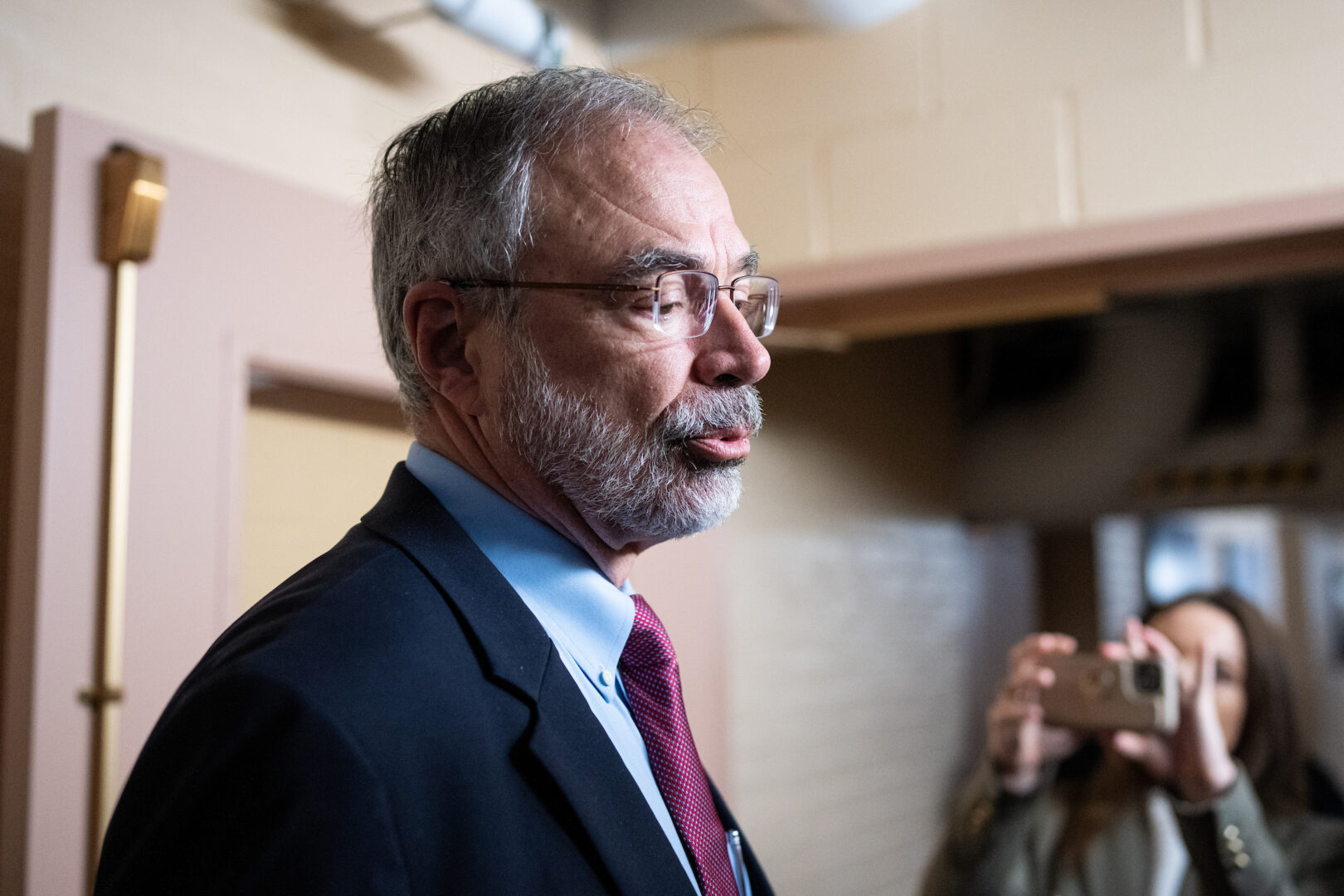
The operational impact on sellers is substantial: Hemp businesses currently lose access to federally regulated banking services, credit card processing, and business expense deductions if classified as Schedule I. The Senate voted 61-32 to table an amendment that would have eliminated the delay, indicating political fragmentation—21 Republicans and 11 Democrats opposed the ban. House Republicans, led by Freedom Caucus Chairman Andy Harris, are preparing to challenge the delay during fall and winter sessions. The December 11, 2026 deadline creates a 4-month compliance window for sellers to either: (1) pivot to non-intoxicating CBD products with <0.4mg Delta-9 THC per container, (2) restructure supply chains to comply with proposed manufacturing standards, or (3) exit the category entirely. Sellers with significant inventory in hemp beverages and edibles face potential write-offs if the ban proceeds without regulatory modification.
Questions 8
What is the political timeline for the hemp ban, and could it be delayed further?
The Senate voted 61-32 to table an amendment that would have eliminated the one-month delay, with 21 Republicans and 11 Democrats opposing the ban. House Republicans, led by Freedom Caucus Chairman Andy Harris, are preparing to challenge the delay during fall and winter sessions. The White House has informed senators it will not request additional delays beyond December 11, 2026. However, critics argue the administration and industry are employing delay tactics, positioning for another extension during December's year-end funding negotiations when lawmakers face holiday recess pressure. Sellers should assume the December 11 deadline is firm, but monitor Congressional activity for potential legislative modifications. The political fragmentation (bipartisan opposition to the ban) suggests regulatory compromise is possible, making the proposed regulatory bridge with manufacturing standards and age restrictions a realistic alternative to outright prohibition.
How does the hemp ban affect sellers using Amazon, Shopify, and other e-commerce platforms?
Amazon, Shopify, and eBay currently allow hemp-derived THC products in compliant states, but federal Schedule I classification would force platform policy changes. Sellers would lose access to payment processors, fulfillment networks, and interstate shipping capabilities that these platforms depend on. Amazon FBA sellers with hemp products in fulfillment centers would face inventory liquidation or return requirements. Shopify sellers relying on Stripe, Square, or PayPal for payment processing would lose merchant accounts due to federal banking restrictions on cannabis-related businesses. Sellers should prepare contingency plans including: (1) Transitioning to state-specific direct-to-consumer models; (2) Exploring alternative payment processors specializing in cannabis compliance; (3) Reducing inventory exposure by December 2026; and (4) Diversifying into non-intoxicating CBD products that comply with federal thresholds.