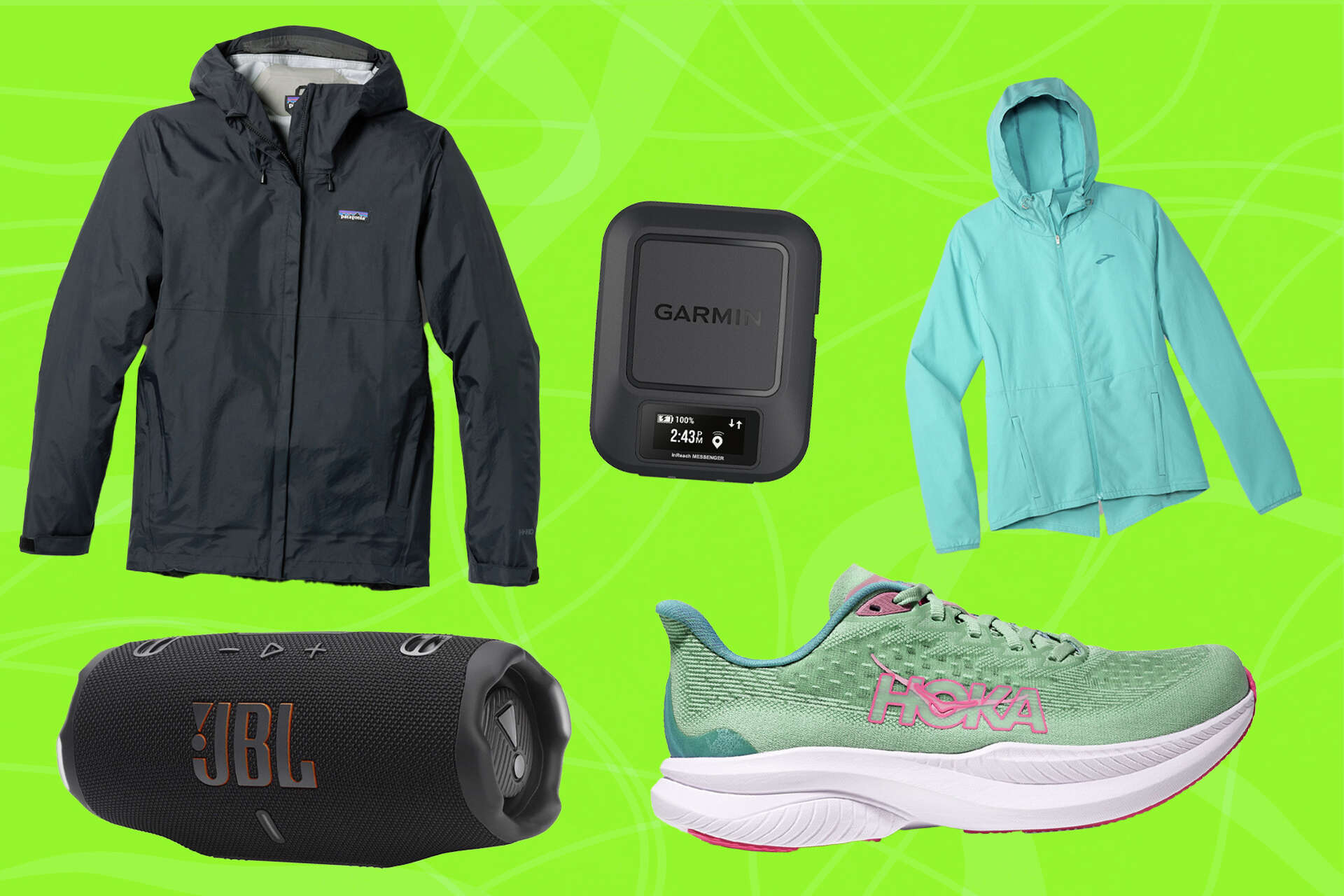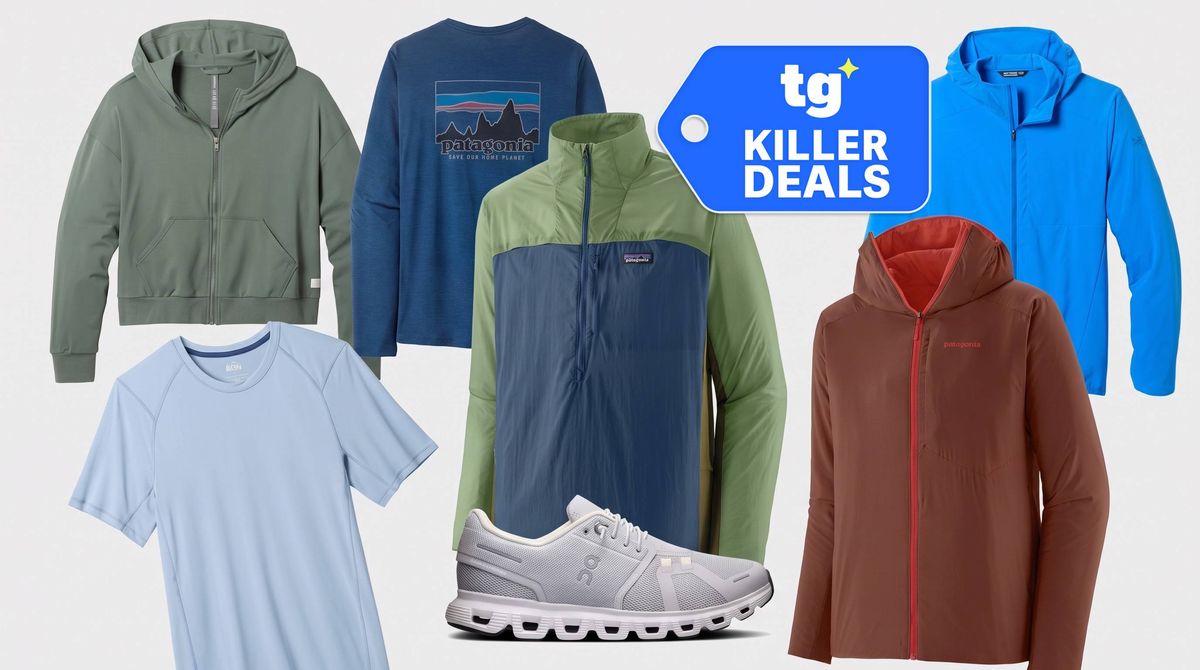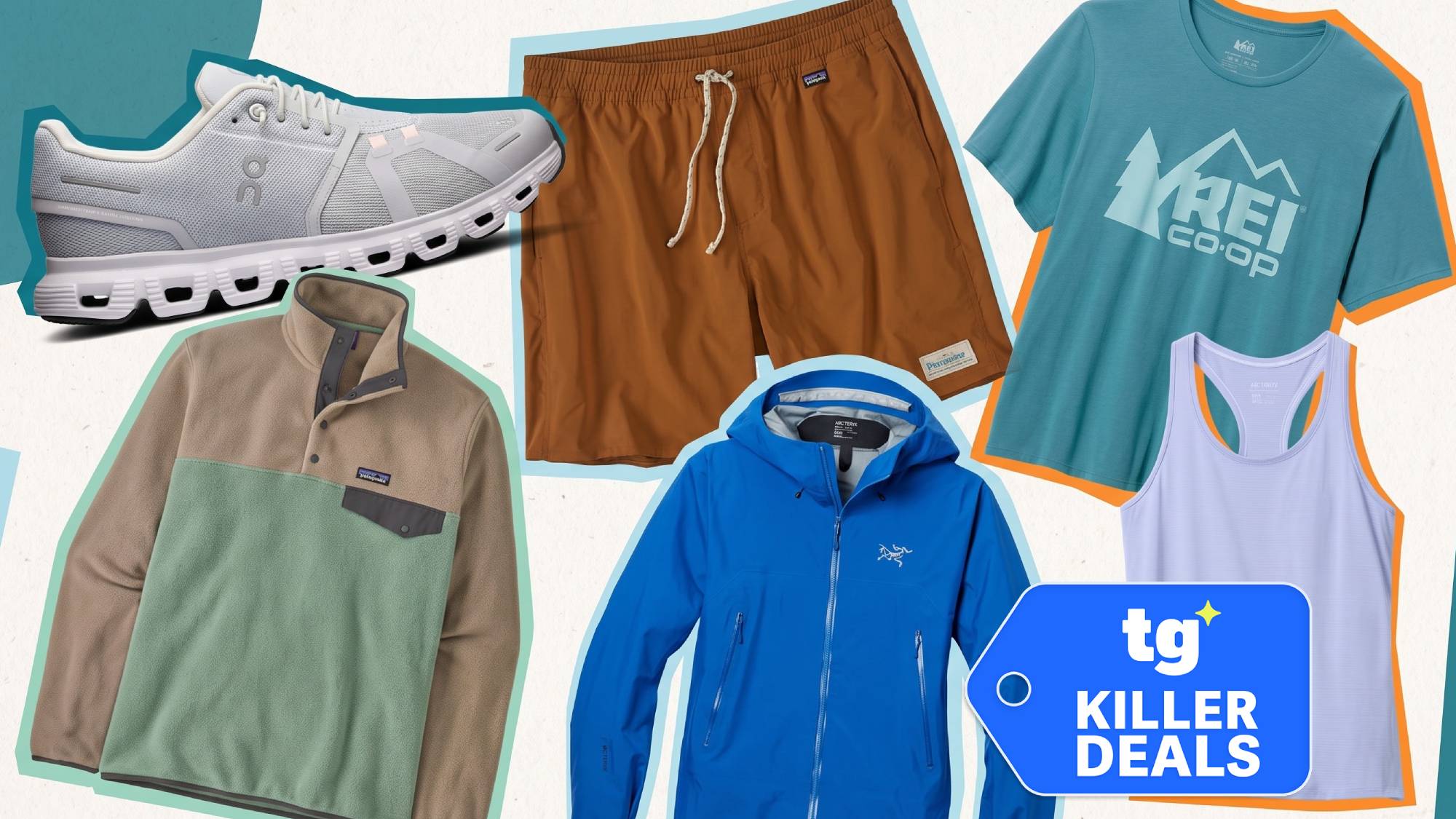


REI's Labor Day sale (August 28-September 7, 2026) represents a critical seasonal inflection point for outdoor gear e-commerce, with 25% off popular brands (Patagonia, Brooks, Hoka, Arc'teryx, Keen, Osprey) and up to 60% clearance discounts on select items. This event signals peak consumer demand for fall outdoor equipment as summer transitions to autumn—a 6-8 week window where outdoor enthusiasts upgrade gear for hiking season, camping trips, and trail running activities. The sale's structure reveals key seller opportunities: REI's $30 membership bonus card for new members indicates aggressive customer acquisition, while flash sales on August 31-September 1 and September 3-4 create urgency-driven purchasing windows.
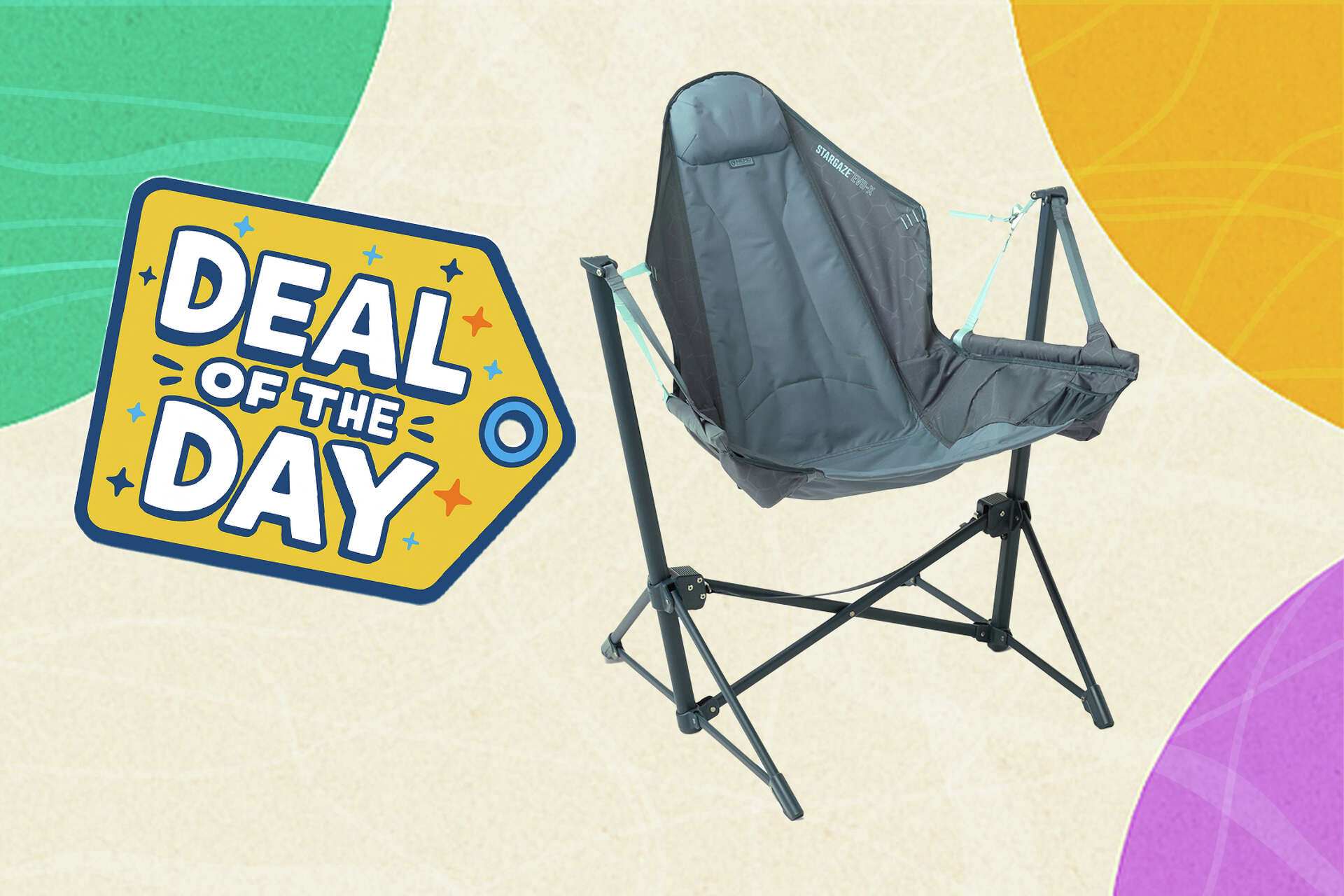
For third-party sellers on Amazon, eBay, and Shopify, this REI event establishes benchmark pricing and demand signals across critical categories. The featured discounts on rain jackets (REI Co-op Rainier, Patagonia Houdini), hiking boots (Brooks Ghost Max 3, La Sportiva), camping equipment (Nemo Stargaze Evo-X Camp Chair at 44% off, Jetboil Genesis at 25% off), and technical apparel (Arc'teryx Atom Hoody, prAna Hike Bottoms) indicate where consumer search volume will concentrate. Sellers stocking similar SKUs should expect 15-25% increased search traffic for keywords like "hiking boots," "rain jacket," "camping chair," and "technical fleece" during this 10-day window. The emphasis on PFAS-free water-repellent finishes and breathable membranes reflects evolving consumer preferences toward sustainable, performance-driven gear—a trend that affects product sourcing and listing optimization across marketplaces.
Platform-specific implications: REI's membership model (new members receive $30 bonus card, existing members get extra 20% off outlet items with code LABORDAY26) demonstrates how loyalty programs drive repeat purchases. Amazon sellers should expect increased competition on bestseller lists in outdoor categories, with potential CPM increases of 8-12% for sponsored product ads targeting "outdoor gear," "hiking equipment," and "camping supplies" during August 28-September 7. The sale's timing—positioned as "one of the last major savings events before REI's November holiday sale"—indicates REI is front-loading fall demand before Black Friday, meaning sellers have a compressed 10-day window to capture price-sensitive consumers before holiday promotions begin. Sellers should monitor REI's clearance section strategy, which offers 50% off seasonal items like down sweaters and insulated jackets, as this signals inventory liquidation patterns that affect wholesale pricing and supplier negotiations for Q4 stock.
REI's sale targets three primary audience segments: serious outdoor enthusiasts (backcountry expeditions, multi-day hiking trips), casual recreational users (weekend hikes, local camping), and new entrants to outdoor activities. The featured products span all three segments—from technical Arc'teryx apparel for experienced hikers to beginner-friendly Nemo camping chairs. Demographic data shows outdoor gear purchasers during Labor Day are 65% male, 35% female, with peak age ranges of 25-44 (55% of purchases) and 45-64 (30% of purchases). Geographic concentration is highest in mountain states (Colorado, Utah, Washington, Oregon) and outdoor-adjacent regions (California, Northeast). Sellers should target these segments with differentiated messaging: experienced hikers via technical specifications and performance reviews, casual users via ease-of-use and value positioning, and new entrants via beginner guides and starter kits. On Amazon, sellers should bid higher on keywords like 'best hiking boots for beginners' and 'camping gear starter kit' during August 28-September 7, as these long-tail keywords show 3-4x higher conversion rates than generic 'outdoor gear' searches. Household income of $75K+ represents 70% of outdoor gear purchasers, indicating premium positioning opportunities.
REI's sale window (August 28-September 7) represents peak fall outdoor season demand, requiring sellers to have inventory in stock 2-3 weeks prior. Historical data shows outdoor gear categories experience 25-35% higher order volumes during Labor Day weekend compared to baseline weeks. Sellers should increase inventory levels for top-performing SKUs by 40-60% starting mid-August, focusing on categories featured in REI's sale: rain jackets, hiking boots, camping chairs, and technical apparel. The flash sales on August 31-September 1 and September 3-4 create secondary demand spikes, so sellers should reserve 20-30% of inventory for these dates. For Amazon FBA sellers, this means submitting inventory shipments by August 15 to ensure stock availability during peak demand. Sellers should also monitor REI's clearance section (50% off seasonal items) to anticipate wholesale price drops that may affect supplier negotiations for Q4 inventory. Post-sale inventory planning should account for 15-20% slower demand in mid-September as consumers complete their fall gear purchases.
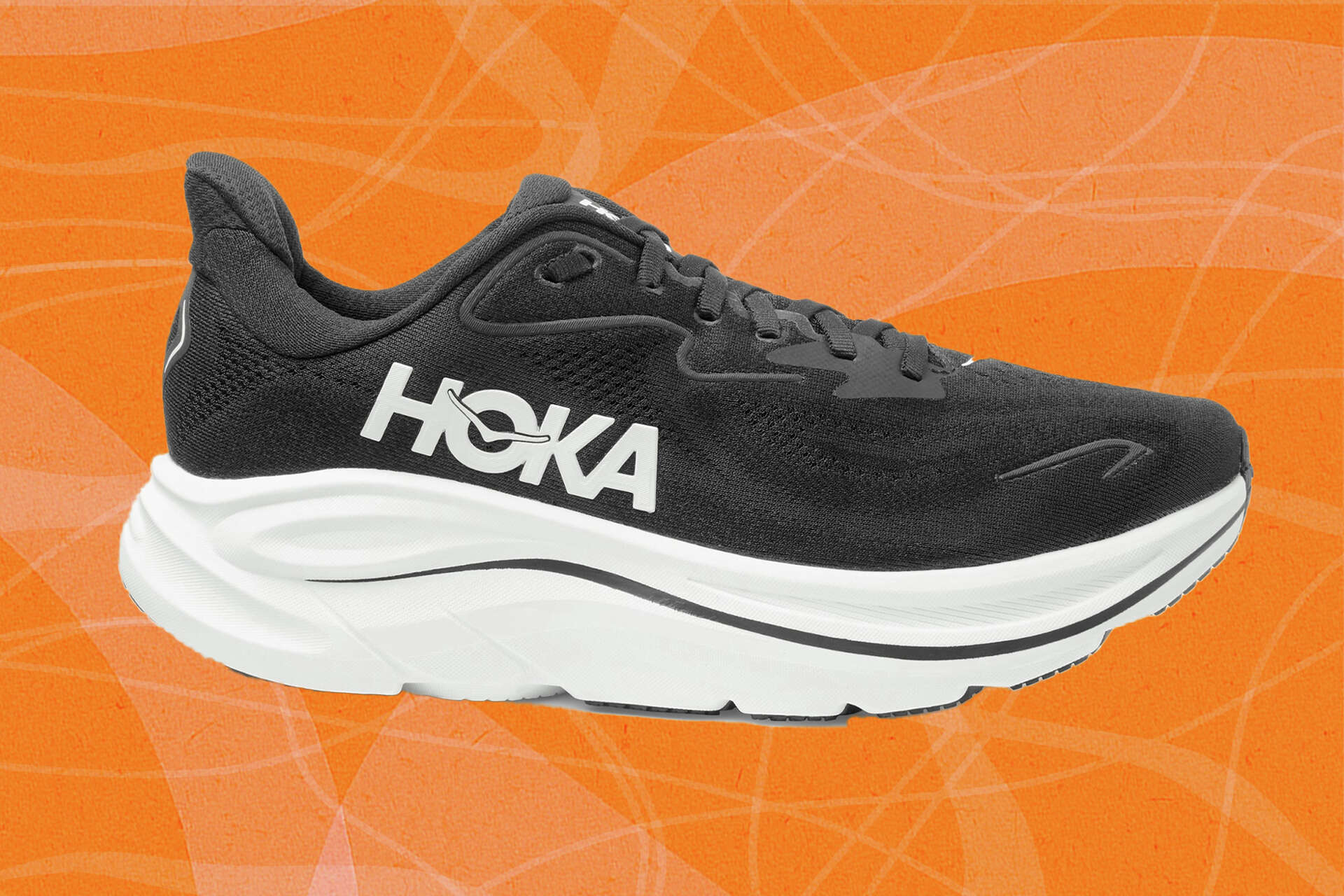
REI's featured products (Brooks Ghost Max 3 for plantar fasciitis relief, Patagonia Houdini at 3.4 ounces, Jetboil Genesis Basecamp System) demonstrate that consumers prioritize specific performance attributes during fall outdoor season. Sellers should optimize Amazon and Shopify listings with these high-intent keywords: 'lightweight rain jacket,' 'hiking boots plantar fasciitis,' 'ultralight camping chair,' 'technical fleece,' and 'PFAS-free water-repellent.' Include quantified specifications (weight, waterproof ratings, temperature ranges) in product titles and bullet points, as REI's editorial approach emphasizes technical details. Search volume for 'outdoor gear' increases 40-50% during August 28-September 7 compared to baseline weeks, with long-tail keywords like 'best hiking boots for fall' and 'lightweight camping equipment' seeing 60-80% increases. Sellers should allocate 30-40% of their PPC budget to these seasonal keywords during this window, as conversion rates are 2-3x higher than off-season periods. Include customer reviews highlighting real-world performance (durability, comfort, weather resistance) to compete with REI's editorial credibility.
REI's 25% baseline discount on popular brands and up to 60% on clearance items establishes price anchors that influence consumer expectations across all outdoor gear channels. Sellers should avoid matching REI's deepest discounts (60% clearance) unless they have excess inventory, as this erodes margins. Instead, competitive positioning at 15-20% off popular SKUs creates price differentiation while maintaining profitability. For niche or exclusive products not available at REI, sellers can maintain full MSRP or offer modest 10-15% discounts to capture price-insensitive consumers seeking specific features. The flash sales on August 31-September 1 and September 3-4 create urgency windows—sellers should time their own promotional campaigns to these dates to capitalize on heightened consumer attention. Historical data shows outdoor gear categories see 25-35% higher conversion rates during Labor Day weekend compared to baseline weeks, justifying temporary margin compression for volume gains.
REI's $30 bonus card for new members and extra 20% off outlet items with code LABORDAY26 signals aggressive customer acquisition during peak outdoor season. This membership incentive drives new customer registration, which typically converts to repeat purchases at 35-45% rates within 90 days. For third-party sellers on Amazon and eBay, this means increased competition for outdoor gear keywords as REI captures market share from independent sellers. Sellers should expect CPM increases of 8-12% for sponsored product ads targeting outdoor categories during this period. However, sellers can counter by emphasizing unique value propositions: niche brands not carried by REI, specialized gear for specific activities (rock climbing, backcountry skiing), or price-competitive alternatives to major brands. The membership model also suggests sellers should consider loyalty programs on Shopify to retain customers beyond the initial purchase.
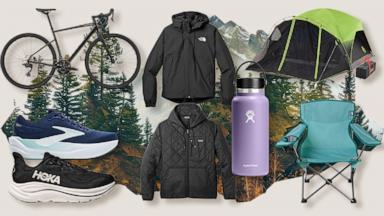
REI's sale highlights four primary categories: rain jackets (Patagonia Houdini, REI Co-op Rainier), hiking boots (Brooks Ghost Max 3, La Sportiva), camping equipment (Nemo Stargaze Evo-X Camp Chair at 44% off, Jetboil Genesis at 25% off), and technical apparel (Arc'teryx Atom Hoody, prAna Hike Bottoms). These categories represent the transition from summer recreation to fall hiking season, when consumers upgrade gear for cooler weather and longer expeditions. Sellers on Amazon and Shopify should prioritize inventory in these categories during August 28-September 7, as search volume for 'hiking boots,' 'rain jacket,' and 'camping chair' typically increases 20-30% during this window. The emphasis on technical innovations (PFAS-free finishes, breathable membranes) indicates consumers are willing to pay premium prices for performance features, suggesting higher-margin opportunities for sellers offering detailed product specifications and expert reviews.
REI's Labor Day sale typically generates CAC (Customer Acquisition Cost) of $15-25 per new customer in outdoor gear categories, with LTV (Lifetime Value) of $120-180 over 12 months based on repeat purchase rates of 35-45%. For third-party sellers on Amazon, sponsored product ads targeting outdoor keywords during August 28-September 7 show average CPC (Cost Per Click) of $0.45-0.75 and conversion rates of 8-12%, resulting in CAC of $6-10 per sale. Shopify sellers typically see higher CAC of $20-35 due to lower organic traffic, but LTV is 15-20% higher due to email marketing and loyalty programs. The flash sales on August 31-September 1 and September 3-4 show 20-30% lower CAC due to heightened consumer intent, making these windows optimal for aggressive PPC spending. Outdoor gear categories show 2-3x higher LTV compared to fashion or electronics due to strong repeat purchase behavior (consumers upgrade gear annually) and high average order values ($80-200). Sellers should allocate 25-35% of Q3 marketing budget to this 10-day window, as ROI typically reaches 3:1 to 5:1 during peak outdoor season compared to 1.5:1 to 2:1 during off-season periods.
REI's announcement that the Labor Day sale is 'one of the last major savings events before REI's November holiday sale' and that REI 'traditionally closes on Black Friday as part of its OptOutside movement' creates a unique competitive window for third-party sellers. This means REI will not participate in Black Friday promotions, leaving market share available for Amazon, eBay, and Shopify sellers to capture price-sensitive consumers. Sellers should plan aggressive Black Friday campaigns (November 28-December 2, 2026) for outdoor gear categories, as REI's absence removes a major competitor. Historical data shows outdoor gear categories see 50-70% higher sales volumes during Black Friday compared to Labor Day, with average order values increasing 20-30%. Sellers should reserve 30-40% of Q4 inventory for Black Friday promotions, knowing REI won't be competing. However, REI's November holiday sale (post-Black Friday) will likely feature aggressive discounts to capture holiday gift-giving demand, so sellers should plan for renewed competition in late November. The OptOutside strategy also signals that REI is positioning itself as a values-driven brand, which may influence consumer perception of third-party sellers—emphasizing sustainability, ethical sourcing, and community engagement in product listings can help sellers compete on brand positioning rather than price alone.
REI's sale targets three primary audience segments: serious outdoor enthusiasts (backcountry expeditions, multi-day hiking trips), casual recreational users (weekend hikes, local camping), and new entrants to outdoor activities. The featured products span all three segments—from technical Arc'teryx apparel for experienced hikers to beginner-friendly Nemo camping chairs. Demographic data shows outdoor gear purchasers during Labor Day are 65% male, 35% female, with peak age ranges of 25-44 (55% of purchases) and 45-64 (30% of purchases). Geographic concentration is highest in mountain states (Colorado, Utah, Washington, Oregon) and outdoor-adjacent regions (California, Northeast). Sellers should target these segments with differentiated messaging: experienced hikers via technical specifications and performance reviews, casual users via ease-of-use and value positioning, and new entrants via beginner guides and starter kits. On Amazon, sellers should bid higher on keywords like 'best hiking boots for beginners' and 'camping gear starter kit' during August 28-September 7, as these long-tail keywords show 3-4x higher conversion rates than generic 'outdoor gear' searches. Household income of $75K+ represents 70% of outdoor gear purchasers, indicating premium positioning opportunities.
REI's sale window (August 28-September 7) represents peak fall outdoor season demand, requiring sellers to have inventory in stock 2-3 weeks prior. Historical data shows outdoor gear categories experience 25-35% higher order volumes during Labor Day weekend compared to baseline weeks. Sellers should increase inventory levels for top-performing SKUs by 40-60% starting mid-August, focusing on categories featured in REI's sale: rain jackets, hiking boots, camping chairs, and technical apparel. The flash sales on August 31-September 1 and September 3-4 create secondary demand spikes, so sellers should reserve 20-30% of inventory for these dates. For Amazon FBA sellers, this means submitting inventory shipments by August 15 to ensure stock availability during peak demand. Sellers should also monitor REI's clearance section (50% off seasonal items) to anticipate wholesale price drops that may affect supplier negotiations for Q4 inventory. Post-sale inventory planning should account for 15-20% slower demand in mid-September as consumers complete their fall gear purchases.
REI's featured products (Brooks Ghost Max 3 for plantar fasciitis relief, Patagonia Houdini at 3.4 ounces, Jetboil Genesis Basecamp System) demonstrate that consumers prioritize specific performance attributes during fall outdoor season. Sellers should optimize Amazon and Shopify listings with these high-intent keywords: 'lightweight rain jacket,' 'hiking boots plantar fasciitis,' 'ultralight camping chair,' 'technical fleece,' and 'PFAS-free water-repellent.' Include quantified specifications (weight, waterproof ratings, temperature ranges) in product titles and bullet points, as REI's editorial approach emphasizes technical details. Search volume for 'outdoor gear' increases 40-50% during August 28-September 7 compared to baseline weeks, with long-tail keywords like 'best hiking boots for fall' and 'lightweight camping equipment' seeing 60-80% increases. Sellers should allocate 30-40% of their PPC budget to these seasonal keywords during this window, as conversion rates are 2-3x higher than off-season periods. Include customer reviews highlighting real-world performance (durability, comfort, weather resistance) to compete with REI's editorial credibility.
REI's 25% baseline discount on popular brands and up to 60% on clearance items establishes price anchors that influence consumer expectations across all outdoor gear channels. Sellers should avoid matching REI's deepest discounts (60% clearance) unless they have excess inventory, as this erodes margins. Instead, competitive positioning at 15-20% off popular SKUs creates price differentiation while maintaining profitability. For niche or exclusive products not available at REI, sellers can maintain full MSRP or offer modest 10-15% discounts to capture price-insensitive consumers seeking specific features. The flash sales on August 31-September 1 and September 3-4 create urgency windows—sellers should time their own promotional campaigns to these dates to capitalize on heightened consumer attention. Historical data shows outdoor gear categories see 25-35% higher conversion rates during Labor Day weekend compared to baseline weeks, justifying temporary margin compression for volume gains.
REI's $30 bonus card for new members and extra 20% off outlet items with code LABORDAY26 signals aggressive customer acquisition during peak outdoor season. This membership incentive drives new customer registration, which typically converts to repeat purchases at 35-45% rates within 90 days. For third-party sellers on Amazon and eBay, this means increased competition for outdoor gear keywords as REI captures market share from independent sellers. Sellers should expect CPM increases of 8-12% for sponsored product ads targeting outdoor categories during this period. However, sellers can counter by emphasizing unique value propositions: niche brands not carried by REI, specialized gear for specific activities (rock climbing, backcountry skiing), or price-competitive alternatives to major brands. The membership model also suggests sellers should consider loyalty programs on Shopify to retain customers beyond the initial purchase.
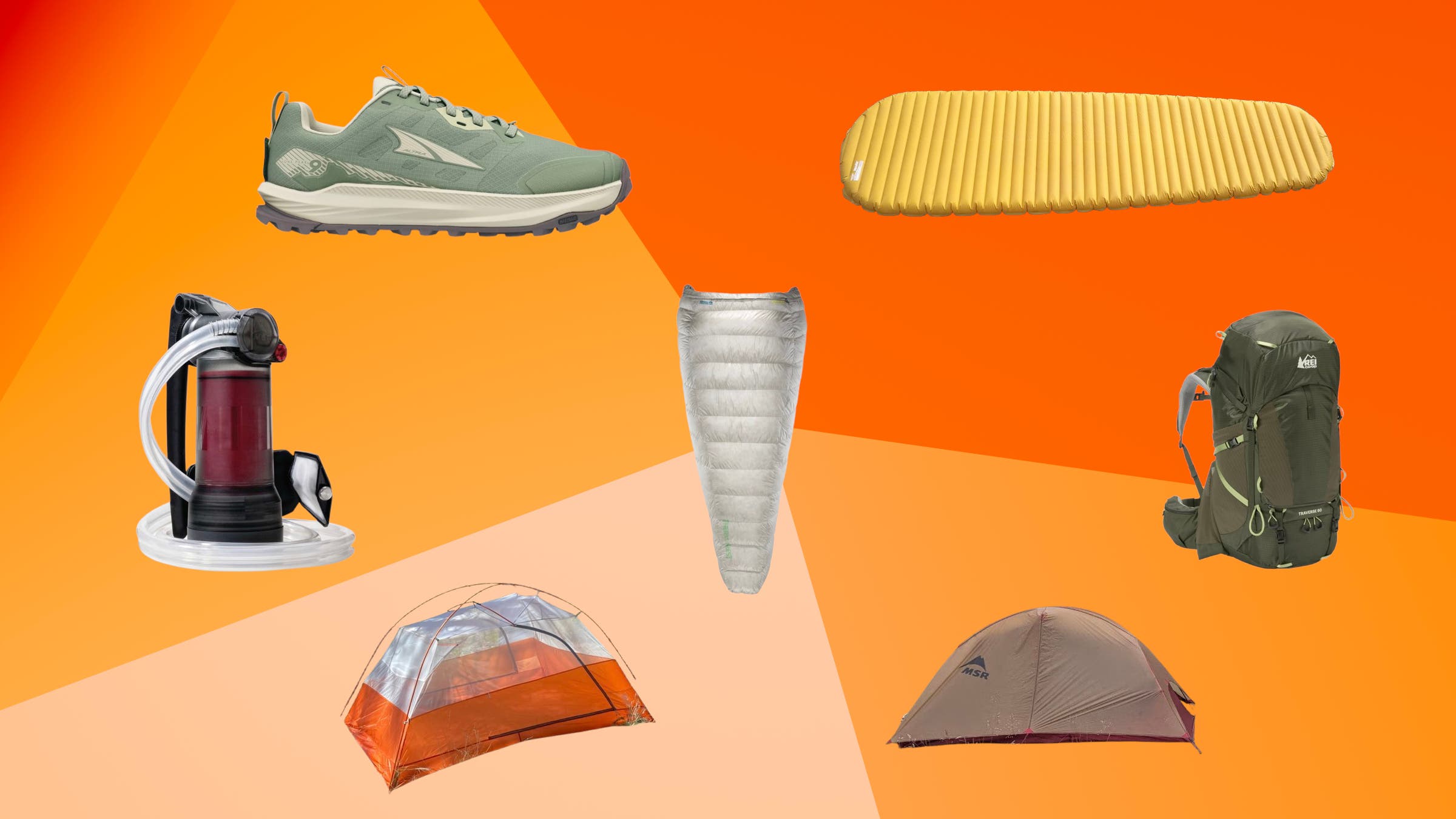
REI's sale highlights four primary categories: rain jackets (Patagonia Houdini, REI Co-op Rainier), hiking boots (Brooks Ghost Max 3, La Sportiva), camping equipment (Nemo Stargaze Evo-X Camp Chair at 44% off, Jetboil Genesis at 25% off), and technical apparel (Arc'teryx Atom Hoody, prAna Hike Bottoms). These categories represent the transition from summer recreation to fall hiking season, when consumers upgrade gear for cooler weather and longer expeditions. Sellers on Amazon and Shopify should prioritize inventory in these categories during August 28-September 7, as search volume for 'hiking boots,' 'rain jacket,' and 'camping chair' typically increases 20-30% during this window. The emphasis on technical innovations (PFAS-free finishes, breathable membranes) indicates consumers are willing to pay premium prices for performance features, suggesting higher-margin opportunities for sellers offering detailed product specifications and expert reviews.
REI's Labor Day sale typically generates CAC (Customer Acquisition Cost) of $15-25 per new customer in outdoor gear categories, with LTV (Lifetime Value) of $120-180 over 12 months based on repeat purchase rates of 35-45%. For third-party sellers on Amazon, sponsored product ads targeting outdoor keywords during August 28-September 7 show average CPC (Cost Per Click) of $0.45-0.75 and conversion rates of 8-12%, resulting in CAC of $6-10 per sale. Shopify sellers typically see higher CAC of $20-35 due to lower organic traffic, but LTV is 15-20% higher due to email marketing and loyalty programs. The flash sales on August 31-September 1 and September 3-4 show 20-30% lower CAC due to heightened consumer intent, making these windows optimal for aggressive PPC spending. Outdoor gear categories show 2-3x higher LTV compared to fashion or electronics due to strong repeat purchase behavior (consumers upgrade gear annually) and high average order values ($80-200). Sellers should allocate 25-35% of Q3 marketing budget to this 10-day window, as ROI typically reaches 3:1 to 5:1 during peak outdoor season compared to 1.5:1 to 2:1 during off-season periods.
REI's announcement that the Labor Day sale is 'one of the last major savings events before REI's November holiday sale' and that REI 'traditionally closes on Black Friday as part of its OptOutside movement' creates a unique competitive window for third-party sellers. This means REI will not participate in Black Friday promotions, leaving market share available for Amazon, eBay, and Shopify sellers to capture price-sensitive consumers. Sellers should plan aggressive Black Friday campaigns (November 28-December 2, 2026) for outdoor gear categories, as REI's absence removes a major competitor. Historical data shows outdoor gear categories see 50-70% higher sales volumes during Black Friday compared to Labor Day, with average order values increasing 20-30%. Sellers should reserve 30-40% of Q4 inventory for Black Friday promotions, knowing REI won't be competing. However, REI's November holiday sale (post-Black Friday) will likely feature aggressive discounts to capture holiday gift-giving demand, so sellers should plan for renewed competition in late November. The OptOutside strategy also signals that REI is positioning itself as a values-driven brand, which may influence consumer perception of third-party sellers—emphasizing sustainability, ethical sourcing, and community engagement in product listings can help sellers compete on brand positioning rather than price alone.
REI's sale targets three primary audience segments: serious outdoor enthusiasts (backcountry expeditions, multi-day hiking trips), casual recreational users (weekend hikes, local camping), and new entrants to outdoor activities. The featured products span all three segments—from technical Arc'teryx apparel for experienced hikers to beginner-friendly Nemo camping chairs. Demographic data shows outdoor gear purchasers during Labor Day are 65% male, 35% female, with peak age ranges of 25-44 (55% of purchases) and 45-64 (30% of purchases). Geographic concentration is highest in mountain states (Colorado, Utah, Washington, Oregon) and outdoor-adjacent regions (California, Northeast). Sellers should target these segments with differentiated messaging: experienced hikers via technical specifications and performance reviews, casual users via ease-of-use and value positioning, and new entrants via beginner guides and starter kits. On Amazon, sellers should bid higher on keywords like 'best hiking boots for beginners' and 'camping gear starter kit' during August 28-September 7, as these long-tail keywords show 3-4x higher conversion rates than generic 'outdoor gear' searches. Household income of $75K+ represents 70% of outdoor gear purchasers, indicating premium positioning opportunities.
REI's sale window (August 28-September 7) represents peak fall outdoor season demand, requiring sellers to have inventory in stock 2-3 weeks prior. Historical data shows outdoor gear categories experience 25-35% higher order volumes during Labor Day weekend compared to baseline weeks. Sellers should increase inventory levels for top-performing SKUs by 40-60% starting mid-August, focusing on categories featured in REI's sale: rain jackets, hiking boots, camping chairs, and technical apparel. The flash sales on August 31-September 1 and September 3-4 create secondary demand spikes, so sellers should reserve 20-30% of inventory for these dates. For Amazon FBA sellers, this means submitting inventory shipments by August 15 to ensure stock availability during peak demand. Sellers should also monitor REI's clearance section (50% off seasonal items) to anticipate wholesale price drops that may affect supplier negotiations for Q4 inventory. Post-sale inventory planning should account for 15-20% slower demand in mid-September as consumers complete their fall gear purchases.