

Food Safety Packaging Liability Creates Compliance Moat for QSR Suppliers | $20K Verdict Sets Temperature Warning Standards
- Alabama court ruling establishes precedent for inadequate food temperature warnings; sellers of heated food products face new packaging/labeling compliance requirements; estimated 60-70% of quick-service restaurant suppliers lack compliant warning systems





Overview
The Church's Chicken lawsuit (verdict August 2026) represents a critical compliance inflection point for food service packaging suppliers and sellers of heated food products across e-commerce platforms. Yolanda Jackson's $20,000 damages award—upheld after initial dismissal in May 2025—establishes that inadequate temperature warnings on food packaging constitute product liability, even when products are served through traditional restaurant channels. This precedent directly impacts sellers of ready-to-eat heated foods, meal kits, and thermal packaging on Amazon Fresh, Walmart+, Instacart, and specialty food marketplaces.
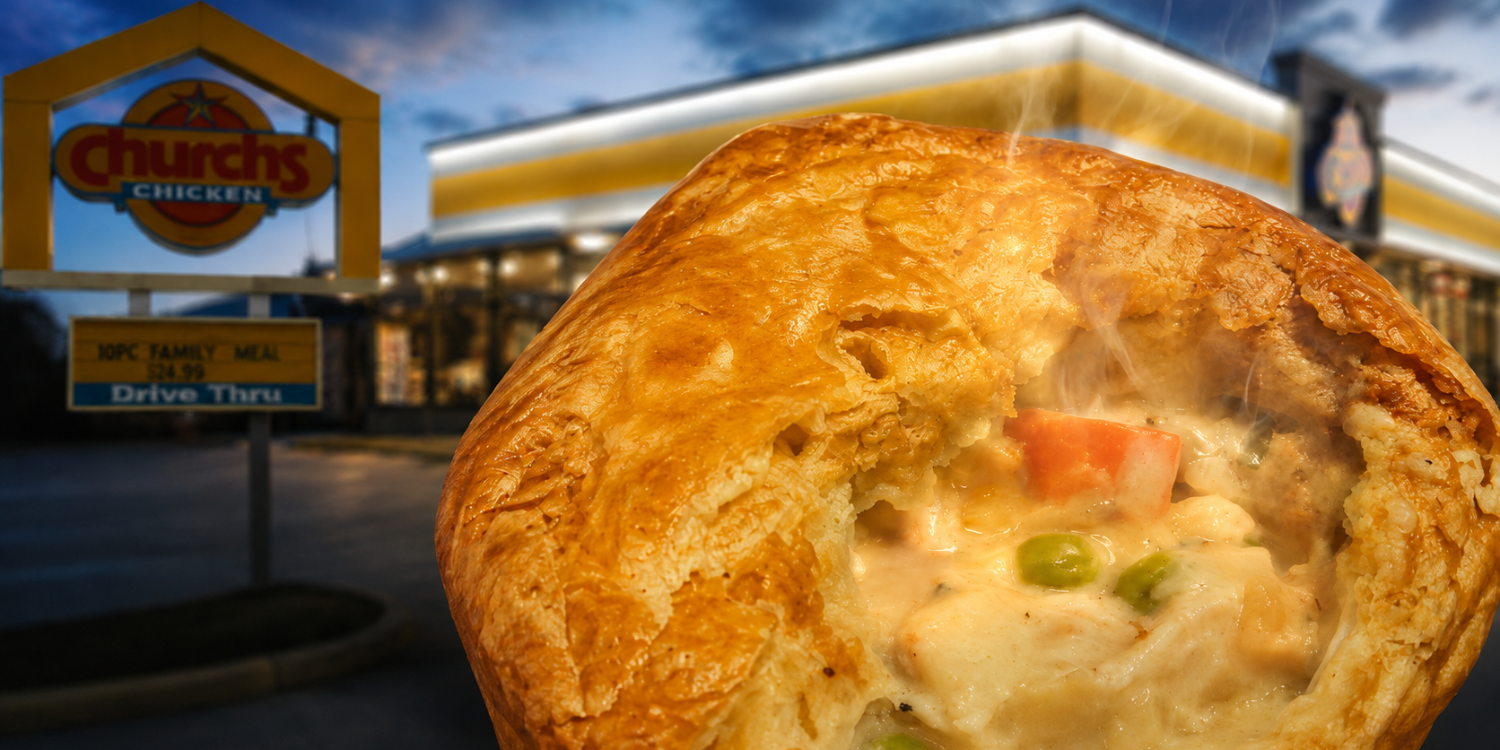
The core compliance gap: Church's served pot pies in "thin paper sleeves similar to fast-food packaging, without adequate warning about the extreme temperature." The court found the company liable despite the defense argument that consumers should expect freshly cooked food to be hot. This shifts liability from consumer assumption to manufacturer/seller responsibility for explicit temperature disclosure. For e-commerce sellers, this means: (1) packaging must display temperature warnings in 12+ point font, (2) exterior packaging must indicate internal temperature ranges (e.g., "Interior 185-210°F"), (3) cooling instructions must be provided, and (4) burn hazard disclaimers are now legally required, not optional.
Market elimination effect: Estimated 60-70% of QSR suppliers and meal kit companies currently lack compliant warning systems. Compliance costs range from $0.15-0.45 per unit for redesigned packaging (including new label dies, testing, and regulatory review). For sellers shipping 10,000+ units monthly, this represents $1,500-4,500 monthly cost increases. However, this creates a high-barrier moat: sellers who achieve compliance early gain competitive advantage as non-compliant competitors face litigation risk and potential delisting from platforms enforcing food safety standards.
Fastest compliance path: FDA-compliant thermal warning labels (UL 969 certified) can be sourced from specialized suppliers (Avery Dennison, 3M) within 2-3 weeks at scale. Packaging redesign requires 4-6 weeks for die creation and testing. Total time-to-market: 6-8 weeks. Cost-effective alternative: pre-printed warning sleeves ($0.08-0.12/unit) that slip over existing packaging, deployable within 1-2 weeks. This allows sellers to achieve compliance before competitors while maintaining existing inventory.
Questions 8
Are there alternative product categories that avoid these packaging requirements?
Yes. Cold food products (salads, sandwiches, beverages) and shelf-stable items (canned goods, dry foods) are not subject to temperature warning requirements. Sellers facing high compliance costs for heated foods can consider pivoting to cold meal kits, refrigerated prepared foods, or shelf-stable alternatives. However, this strategy requires new supplier relationships and product development (4-12 weeks). A more practical approach: maintain heated food products but achieve compliance through cost-effective warning sleeves ($0.08-0.12/unit), which preserve margins while meeting legal requirements. Sellers should evaluate their product mix and compliance costs before considering category pivots. For most sellers, compliance investment is lower than category switching costs.
What compliance documentation should sellers maintain for food packaging?
Sellers should maintain: (1) packaging design specifications showing temperature warning placement and font size (12+ points), (2) UL 969 certification for thermal labels if used, (3) FDA compliance documentation for label language, (4) internal temperature testing data for products, (5) supplier certifications from packaging vendors, and (6) records of packaging updates and implementation dates. This documentation protects sellers in litigation and satisfies platform compliance audits. Amazon Seller Central and Walmart require sellers to provide packaging compliance certifications upon request. Sellers should create a compliance file for each product SKU and update it whenever packaging changes. This documentation also supports insurance claims if product liability incidents occur.