


Target Boycott Continues Over Offensive Costume | Seller Content Moderation Crisis
- Ongoing indefinite boycott signals major retailer vulnerability; sellers face stricter product approval standards and reputational risk across platforms







Overview
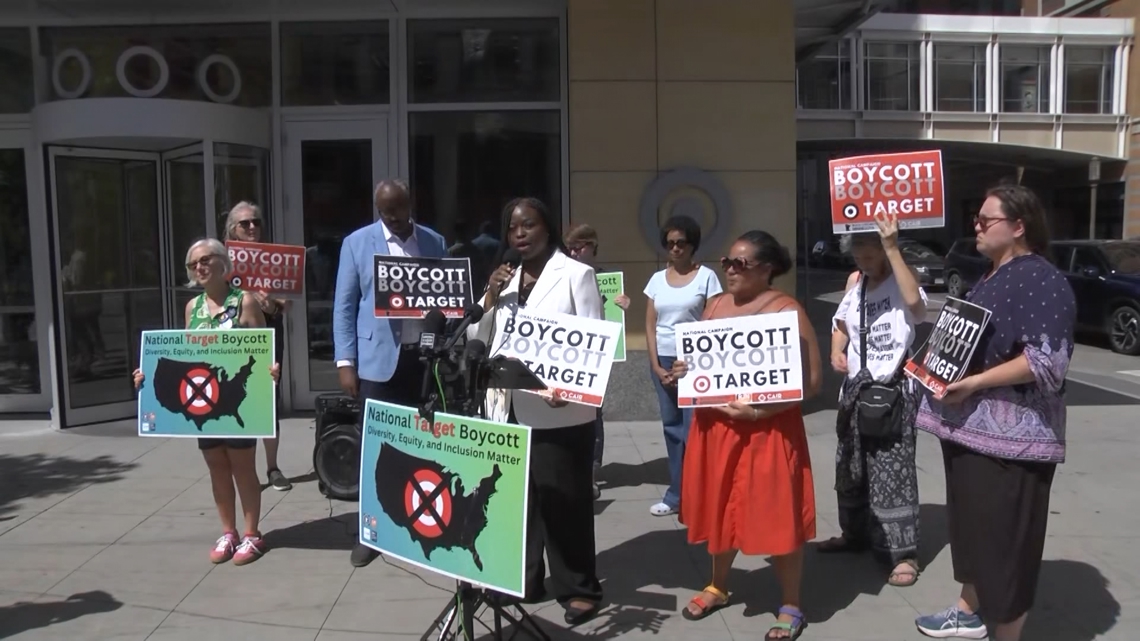
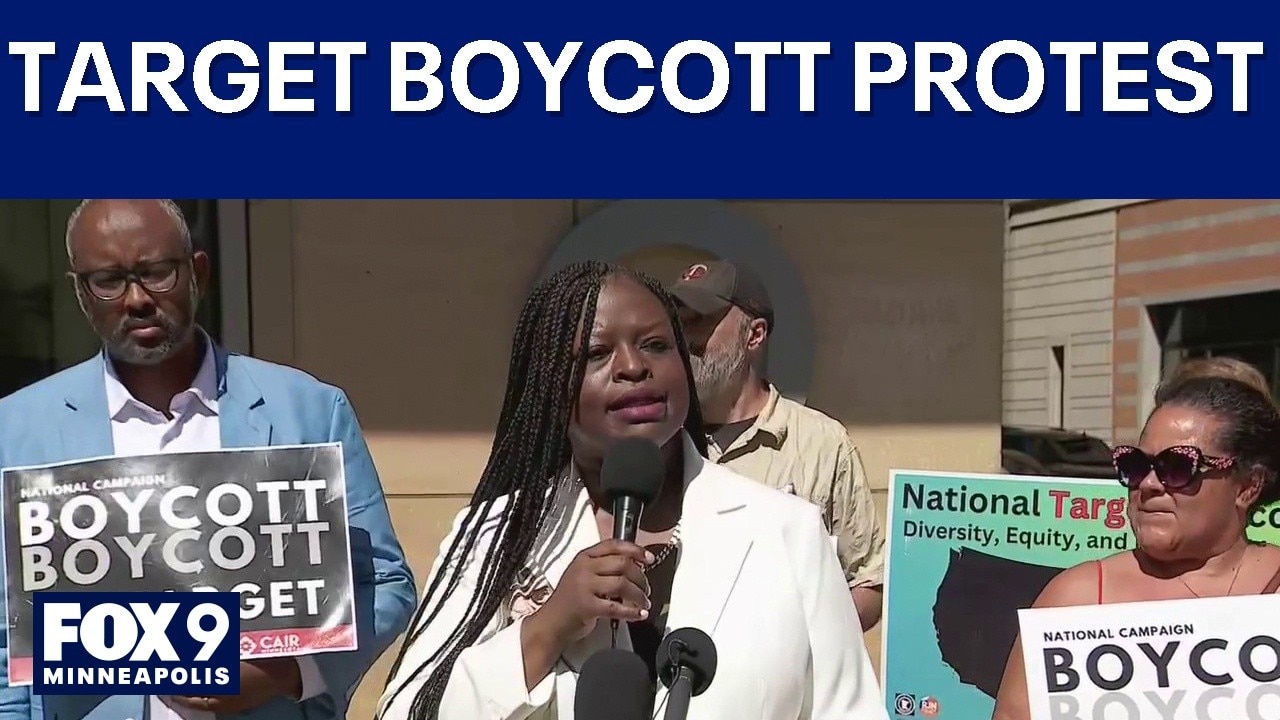
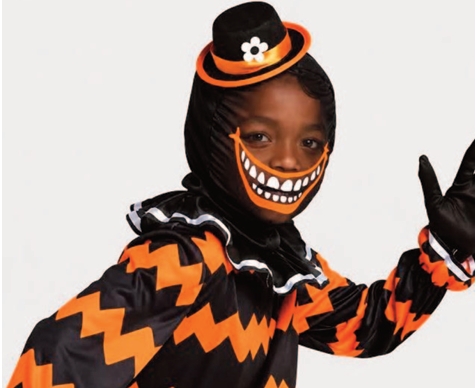
The sustained Target boycott—initiated in early 2025 following DEI rollbacks and now expanded to include offensive product curation failures—represents a critical inflection point for third-party sellers and marketplace operators. In August 2026, Target's website featured a racist Halloween costume depicting minstrel caricatures that civil rights leaders discovered and publicized, triggering renewed boycott momentum. Despite Target's apology, civil rights attorney Nekima Levy Armstrong and organizations including Black Lives Matter Minnesota, CAIR, and the Racial Justice Network rejected the response as insufficient, demanding systemic accountability rather than reactive damage control. The boycott is now characterized as "ongoing, indefinite, and permanent" by multiple civil rights groups.
For sellers, this escalation signals three critical operational shifts: First, marketplace content moderation standards are tightening dramatically. Target's failure to catch an offensive costume through its approval process—requiring external pressure from civil rights groups to remove—demonstrates that major retailers' product vetting systems are inadequate. Third-party sellers on Amazon, eBay, Walmart Marketplace, and Shopify must anticipate similar scrutiny. Sellers in costume, apparel, and novelty categories face heightened compliance risk; platforms will likely implement stricter AI-powered content screening and manual review processes, increasing time-to-market by 5-15 days for sensitive categories.
Second, brand reputation risk has become a direct sales driver. Target's boycott—spanning DEI reversals, Trump inauguration donations, and immigration enforcement cooperation—demonstrates that corporate social responsibility decisions directly impact consumer purchasing. Sellers must audit their own supply chains, vendor relationships, and product sourcing for similar reputational vulnerabilities. Categories most at risk include apparel, home décor, and seasonal merchandise where cultural sensitivity is high. Third, this creates a competitive opportunity for sellers emphasizing ethical sourcing, diversity-inclusive product curation, and transparent supply chains. Platforms like Etsy and specialty marketplaces are likely to gain share from boycott-conscious consumers seeking alternatives to Target.
Immediate seller actions: Audit all costume, novelty, and culturally-sensitive product listings for potential offensive imagery or stereotypes. Implement secondary review processes for Halloween, holiday, and seasonal merchandise. Monitor platform policy updates from Amazon, eBay, and Walmart regarding content moderation standards. Consider messaging emphasizing ethical sourcing and inclusive product curation in marketing materials targeting boycott-conscious demographics (urban, progressive, 25-45 age range).
Questions 8
How does Target's content moderation failure impact third-party sellers on Amazon and eBay?
Target's August 2026 offensive costume incident—which required external civil rights pressure to remove—signals that major retailers' product approval systems are inadequate. This creates immediate compliance risk for third-party sellers in costume, apparel, and novelty categories across Amazon, eBay, and Walmart Marketplace. Platforms are likely to implement stricter AI-powered content screening and manual review processes in response, potentially increasing time-to-market by 5-15 days for sensitive categories. Sellers should audit all culturally-sensitive product listings immediately and implement secondary review processes for Halloween and seasonal merchandise to avoid similar reputational damage and potential delisting.
What product categories face the highest compliance risk from the Target boycott escalation?
Costume, apparel, home décor, and seasonal merchandise categories face the highest risk due to cultural sensitivity concerns. The Target incident involved a Halloween costume, making the costume category particularly vulnerable to scrutiny. Sellers in these categories should prioritize content moderation audits and implement stricter vendor vetting processes. Novelty items, decorative products, and any merchandise depicting cultural or ethnic imagery require enhanced review. Consider consulting with diversity and inclusion consultants before launching sensitive seasonal products, particularly for Halloween, Christmas, and other culturally-significant holidays.