



Fed Rate Hike Signals 2025 | Cross-Border Sellers Face 8-15% Financing Cost Surge
- Federal Reserve signals potential rate increases to combat inflation; sellers with variable-rate debt face higher borrowing costs, reduced working capital, and demand compression in discretionary categories













Overview
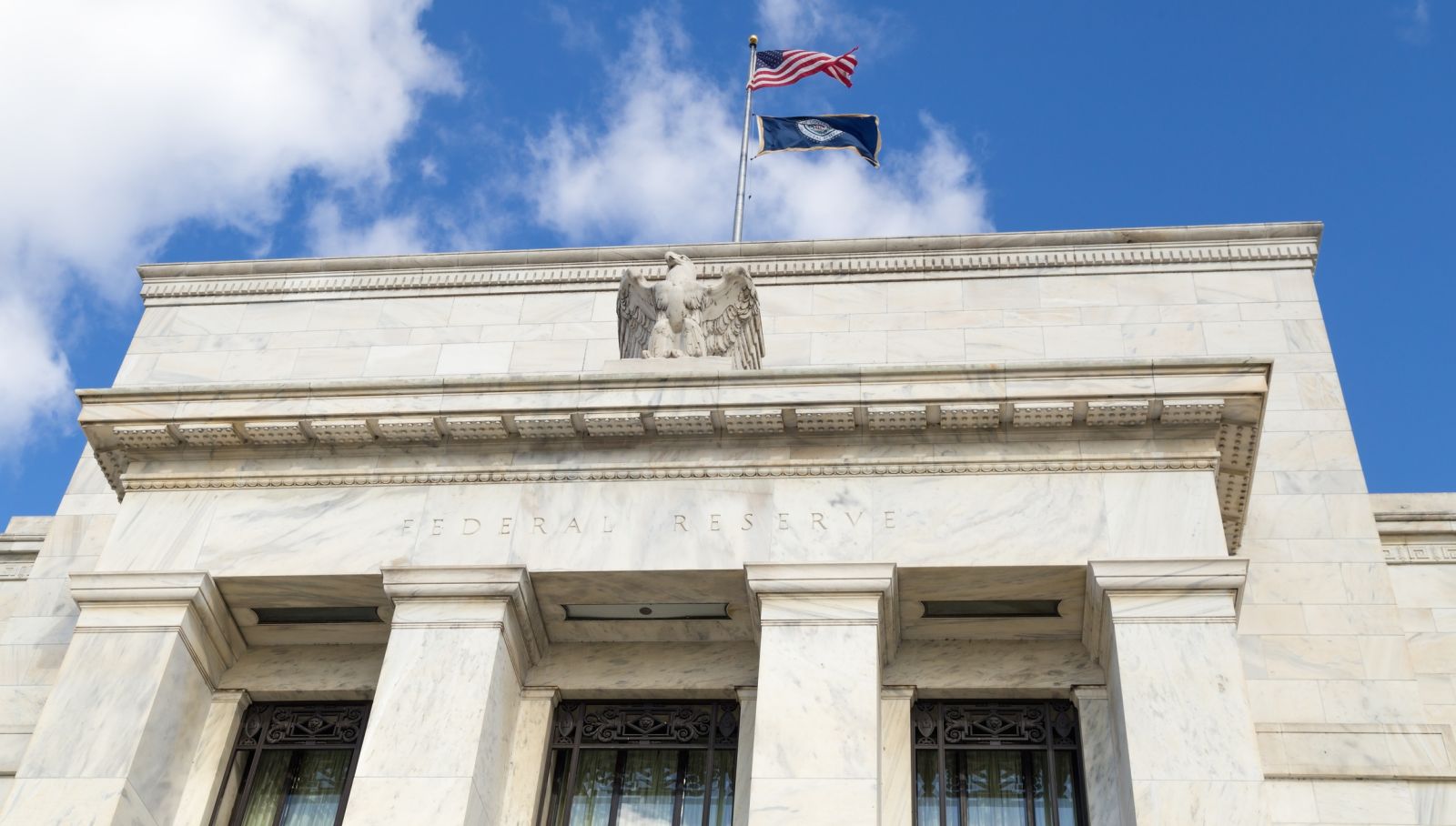
The Federal Reserve is signaling potential interest rate increases to combat persistently elevated US inflation, with Fed Chair Warsh indicating that monetary policy adjustments are warranted given current economic conditions. Bond markets are repositioning for rate hikes while US equity markets experience downward pressure amid uncertainty about the Fed's policy trajectory. This macroeconomic shift carries profound implications for cross-border e-commerce sellers, particularly those relying on variable-rate financing for inventory purchases and working capital.
Financing Cost Impact: Sellers with credit lines or business loans will face materially higher monthly payments. A typical $100K inventory credit line at variable rates could see monthly costs increase by $800-1,200 if rates rise 100-150 basis points—capital that would otherwise fund marketing, product development, or logistics improvements. Sellers carrying significant debt should immediately review refinancing options before rate increases take effect, as locking in fixed rates now provides protection against future hikes.
Working Capital Compression: Higher borrowing costs directly compress profit margins and reduce available capital for growth initiatives. Sellers in price-sensitive categories (electronics, apparel, home goods) face a dual squeeze: rising financing costs combined with reduced consumer purchasing power as economic slowdown accompanies rate increases. This creates urgency to accelerate inventory investments before rate hikes materialize, shifting cash conversion cycles and potentially requiring alternative financing solutions like invoice factoring or purchase order financing.
Currency and Cross-Border Dynamics: Fed policy shifts typically trigger currency fluctuations affecting cross-border transaction costs and international shipping expenses. Sellers with significant exposure to EUR, GBP, or AUD should implement FX hedging strategies now to lock in favorable rates before volatility increases. The combination of higher US interest rates and potential currency depreciation could increase landed costs for imported inventory by 5-8%, requiring immediate pricing strategy reviews.
Consumer Demand Shift: Rate hikes historically reduce discretionary spending, particularly affecting luxury goods, electronics, and non-essential home products. Sellers should monitor demand signals closely and consider shifting inventory mix toward essential, value-oriented categories that maintain resilience during economic slowdowns. The current environment demands proactive financial planning, cash flow optimization, and strategic refinancing before the Fed's policy window closes.
Questions 8
Which product categories should I focus on during a rate-hiking cycle?
Demand patterns during rate hikes favor: (1) **Essentials**: Food, health/beauty, household supplies maintain 95%+ demand; (2) **Value categories**: Budget apparel, discount home goods, refurbished electronics see increased demand as consumers trade down; (3) **Subscription/recurring**: Consumables with repeat purchases (vitamins, pet supplies, cleaning products) provide stable cash flow; (4) **DIY/home improvement**: Consumers delay major purchases but invest in home improvements—paint, tools, garden supplies remain resilient. Avoid: luxury goods, high-end electronics, premium home décor, fashion accessories. Sellers should shift 20-30% of inventory allocation from discretionary to essential/value categories by Q1 2025 to maintain volume during demand compression.
How will Fed rate hikes directly impact my inventory financing costs?
If the Federal Reserve raises rates by 100-150 basis points as signaled, sellers with variable-rate inventory loans or credit lines will see monthly costs increase by 8-15%. For example, a $100K credit line at 8% APR would cost $667/month; at 10% APR, it becomes $833/month—a $200 monthly increase. Sellers should immediately contact lenders to lock in fixed rates before hikes take effect, potentially saving $2,400-3,600 annually per $100K borrowed. This is particularly critical for sellers carrying $250K+ in variable-rate debt.