




Fed Rate Hike Signals August 2026 | Sellers Face 8-15% Financing Cost Surge
- Federal Reserve Chair Warsh's Jackson Hole speech (Aug 27, 2026) signals September rate hike probability; cross-border sellers face higher inventory financing costs, reduced consumer spending on discretionary products, and FX volatility affecting payment corridors










Overview
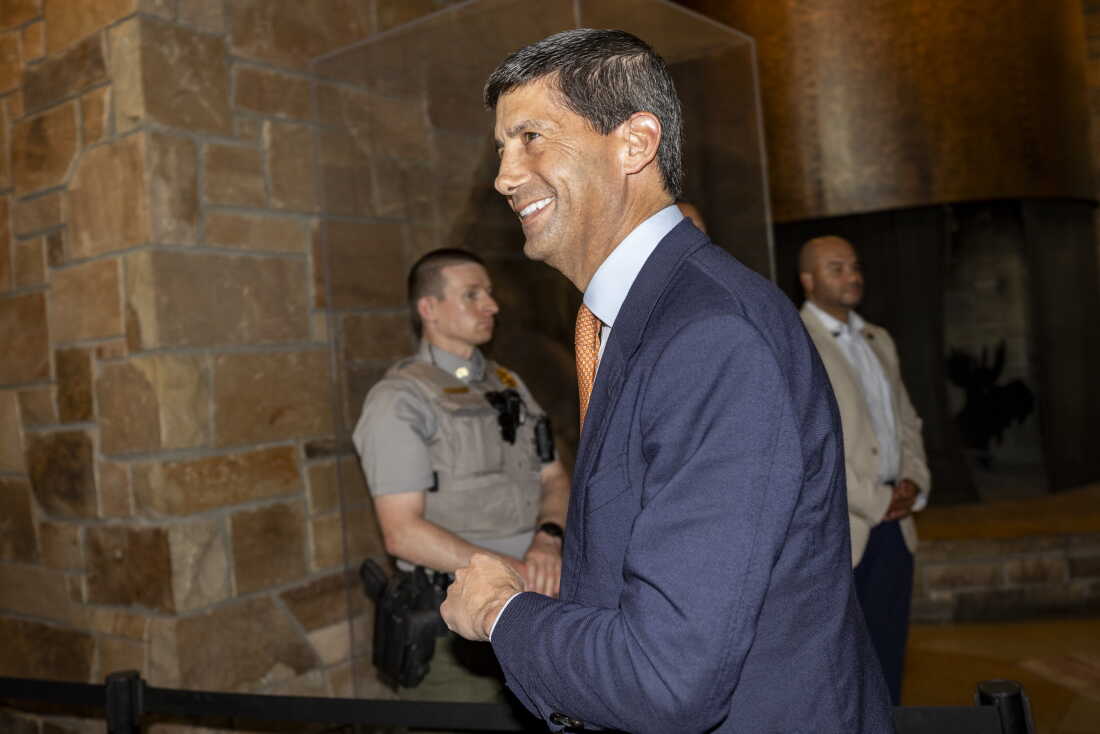
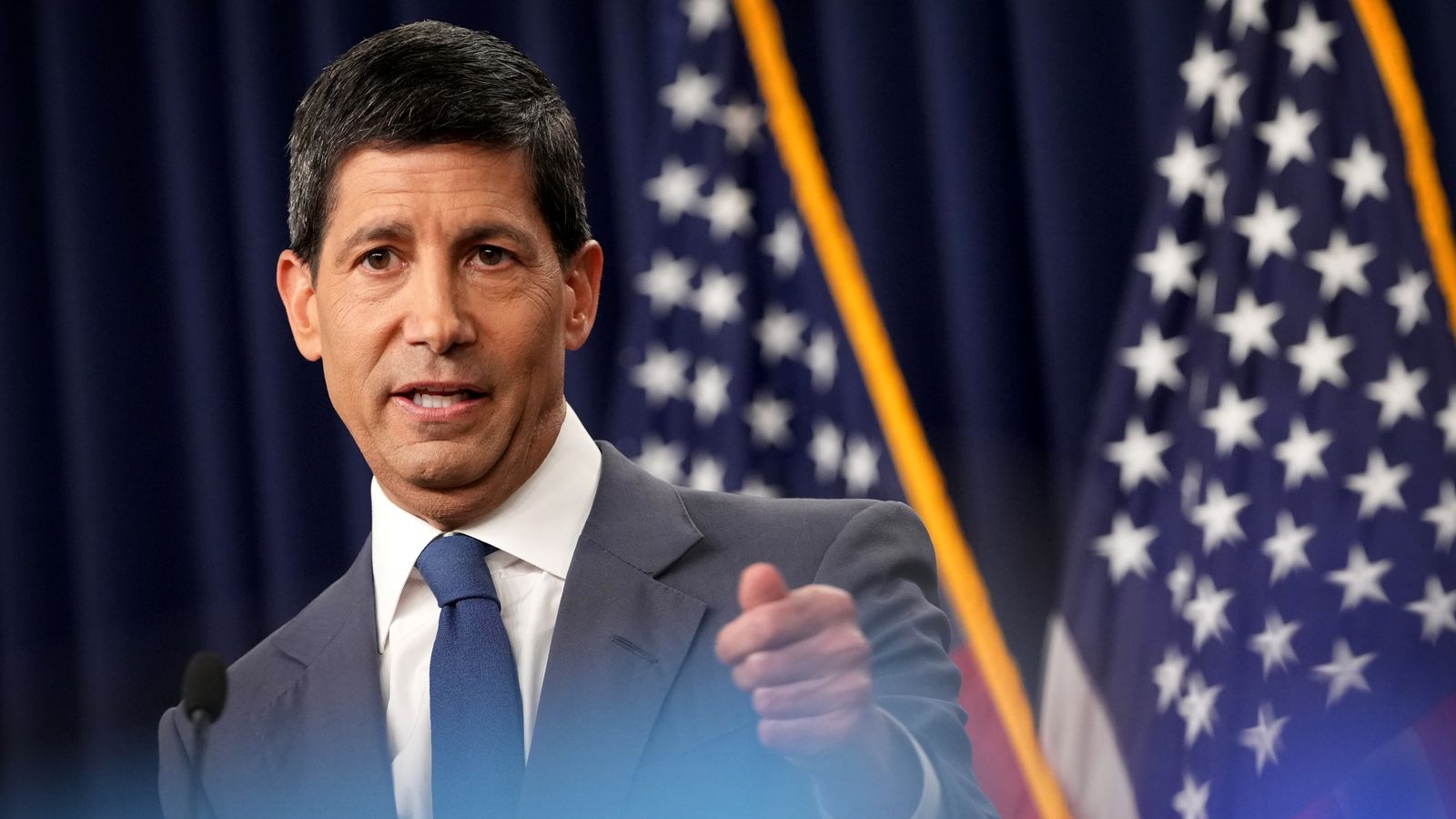
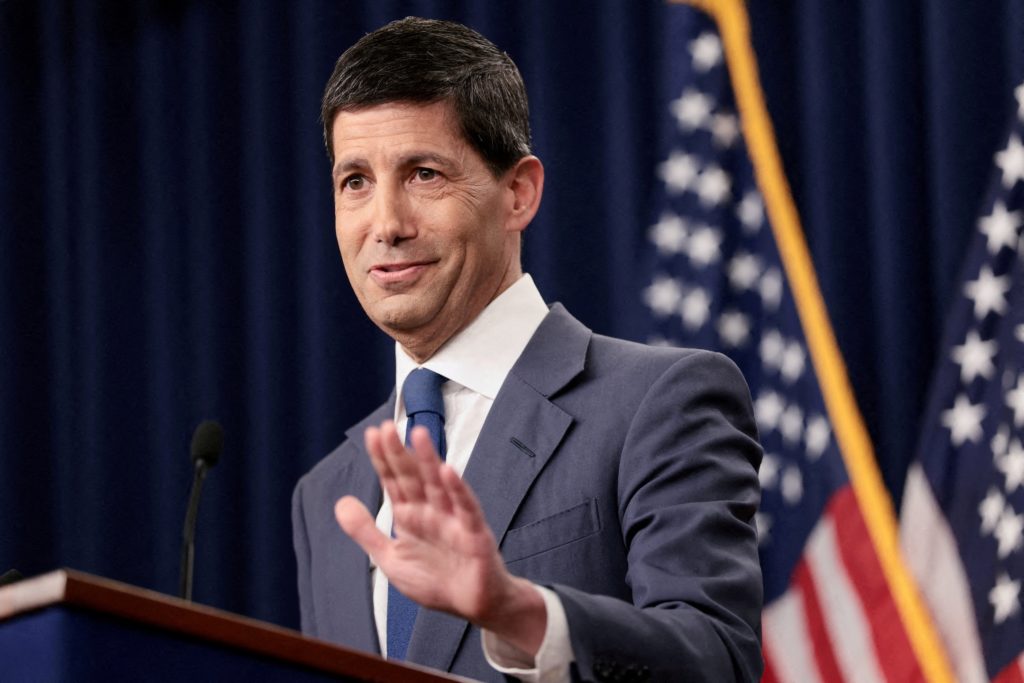
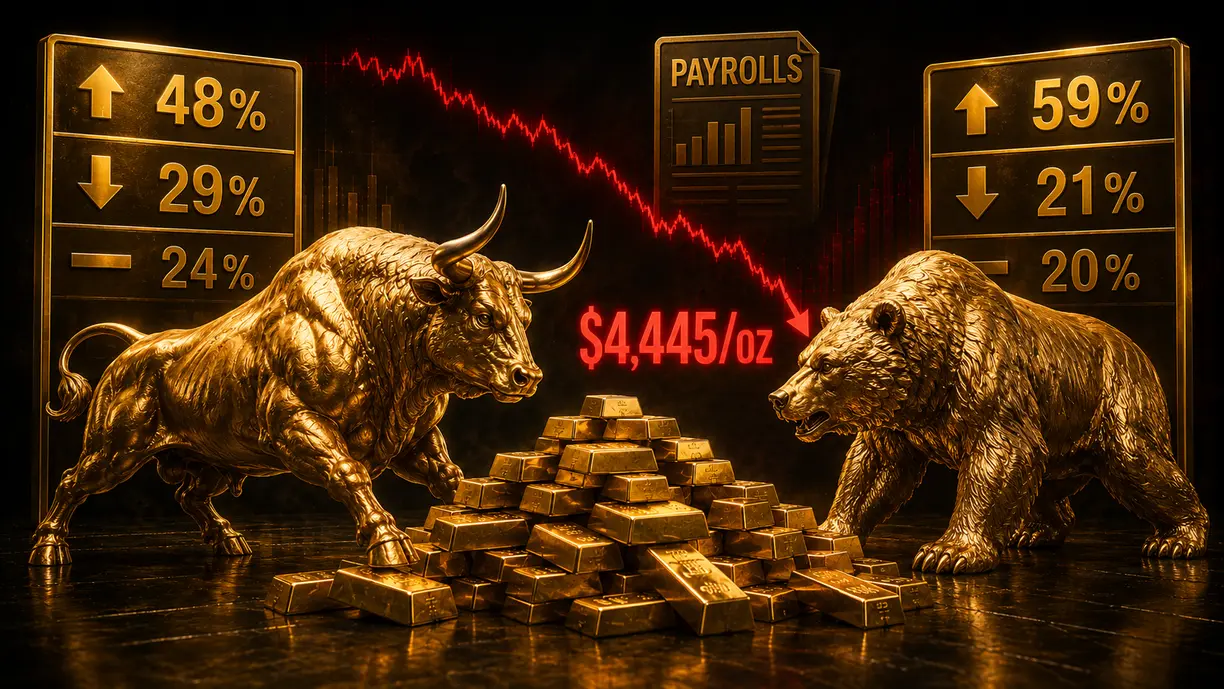
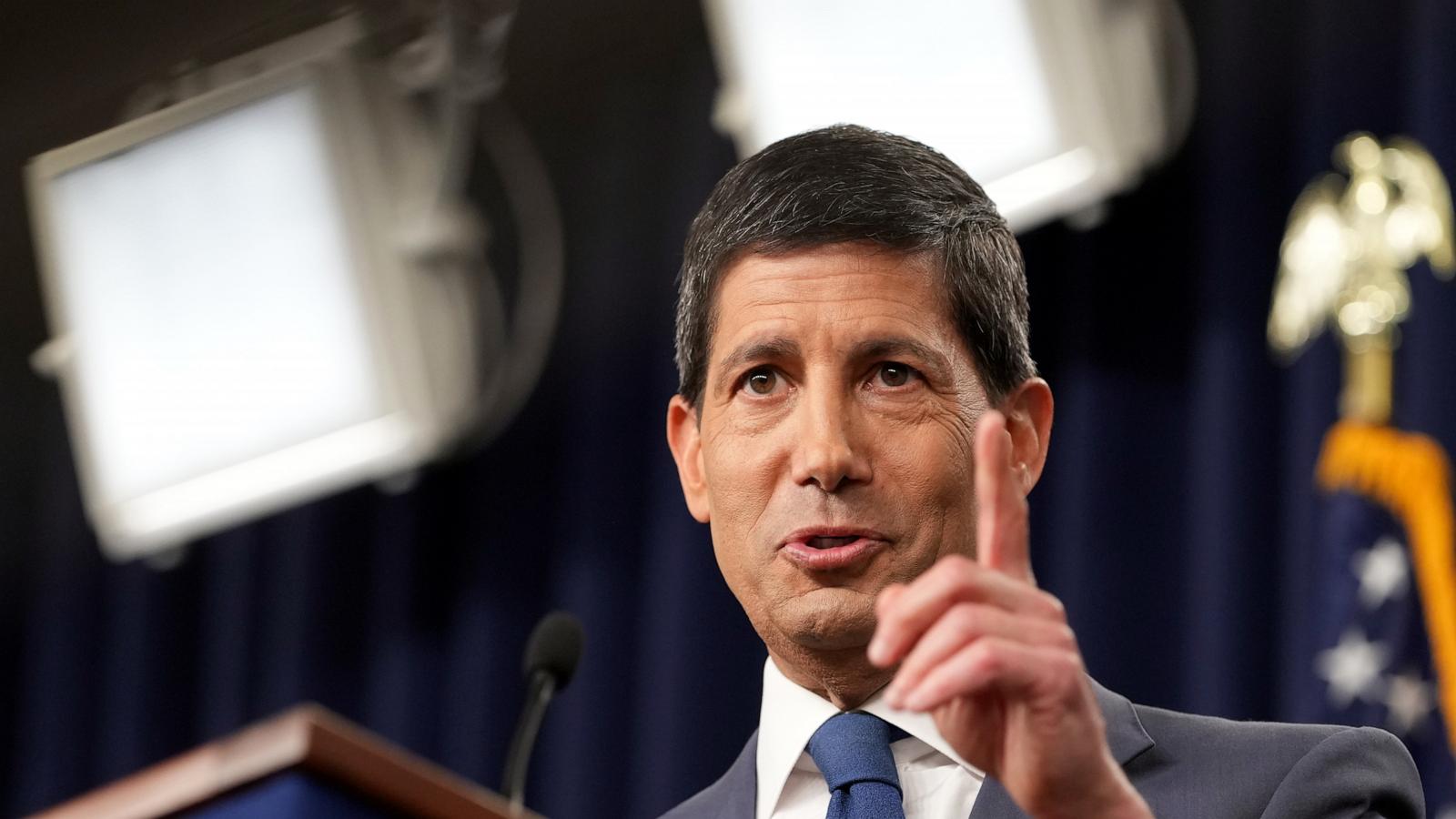
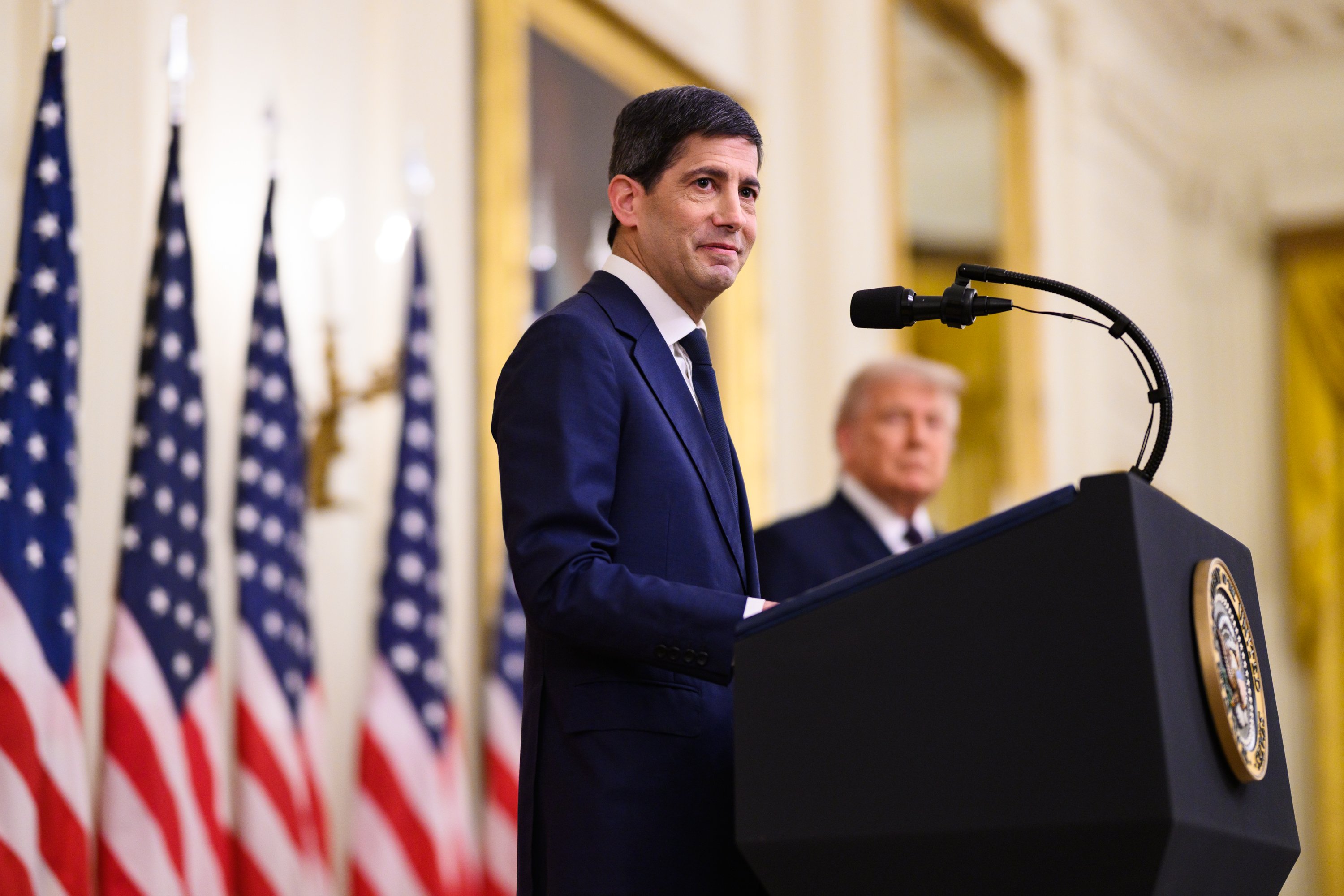
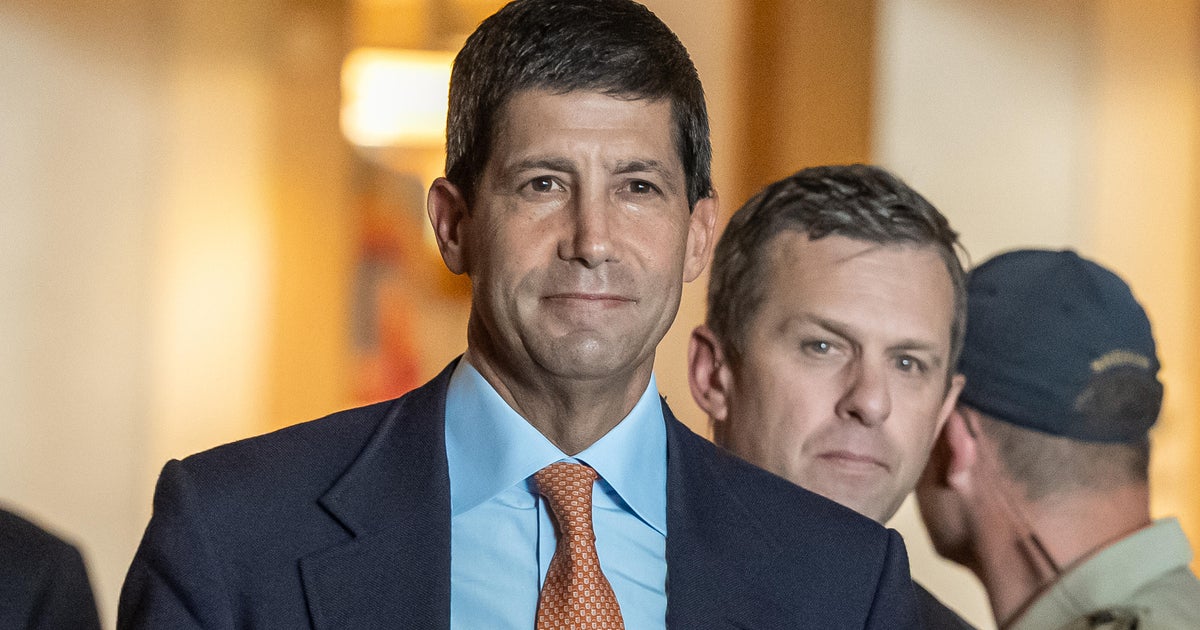
Federal Reserve Chair Kevin Warsh's August 27, 2026 Jackson Hole speech reaffirmed the central bank's hawkish stance on inflation, signaling that rate hikes remain "necessary" to combat persistently elevated US inflation that shows "no change in trend." Market participants now price in a September 2026 rate hike with 50%+ probability, causing the S&P 500 to decline 0.25% to 7,711.76 and Nasdaq to fall 0.52% to 26,402.42. For cross-border e-commerce sellers, this monetary policy shift creates immediate financial headwinds: higher borrowing costs for inventory purchases and working capital, reduced consumer purchasing power in discretionary categories, and currency fluctuation risks affecting international payment corridors.
Financing Cost Impact: Sellers relying on variable-rate credit lines, business loans, or inventory financing will face 8-15% cost increases within 60-90 days of a September rate hike. A seller with $500K in outstanding inventory financing at 7.5% APR will see monthly interest costs rise from $3,125 to $3,594—an additional $5,586 annually. This directly compresses profit margins on discretionary products (apparel, electronics, home goods) where margins typically run 15-25%. Sellers with fixed-rate financing locked in before the hike gain competitive advantage, while those with variable rates face immediate cash flow pressure.
Consumer Demand Contraction: The University of Michigan consumer sentiment survey reached 51.7 (exceeding estimates of 51), but this masks underlying weakness in discretionary spending. Rate hikes historically reduce demand for price-sensitive categories by 5-12% within 3-6 months. Sellers in apparel, consumer electronics, and home décor should expect inventory velocity to slow, increasing carrying costs and obsolescence risk. Conversely, essential categories (health/beauty, pet supplies, groceries) show resilience during rate hike cycles.
Currency and Payment Volatility: Fed rate hikes typically strengthen the US dollar 2-4% against emerging market currencies (CNY, INR, MXN) within 30-60 days. This increases cross-border payment costs for sellers importing from Asia or Latin America. A seller importing $100K in goods from China faces 2-4% additional costs ($2-4K) if the yuan weakens. Simultaneously, payment processing fees rise as providers adjust FX spreads. PayPal's 12.7% stock decline (following Advent/Stripe acquisition abandonment) signals payment provider consolidation and potential fee increases for sellers dependent on PayPal's cross-border services.
Strategic Implications: Sellers should immediately refinance variable-rate debt before September rate hike takes effect, accelerate inventory purchases of high-margin items before financing costs rise, and shift product mix toward essential categories with stable demand. Sellers with significant USD-denominated debt should consider hedging strategies or accelerating revenue collection in foreign currencies before dollar strengthens further.
Questions 8
How should I adjust my pricing strategy in response to higher financing costs and lower consumer demand?
Implement a two-tier pricing strategy: maintain or slightly increase prices on essential, high-velocity products (health/beauty, pet supplies) where demand is inelastic; reduce prices 5-10% on discretionary items to maintain volume and inventory turnover. Higher financing costs mean slower inventory velocity directly impacts profitability—a 30-day increase in days-to-sell costs an additional $417 in monthly interest on a $500K inventory loan. Use dynamic pricing tools to adjust prices based on inventory age and turnover velocity. Monitor competitor pricing weekly, as many sellers will reduce prices to manage cash flow, creating pricing pressure across categories.
What hedging strategies protect my business from currency fluctuations during the rate hike cycle?
Implement forward contracts to lock in FX rates for 30-90 days of expected import costs. For example, if you import $50K monthly from China, a 90-day forward contract locks in the CNY/USD rate, protecting against 2-4% currency swings. Cost: typically 0.25-0.75% of transaction value. Alternatively, use multi-currency accounts (offered by Wise, OFX, Remitly) to hold foreign currency and convert when rates are favorable, reducing reliance on daily spot rates. For sellers with significant foreign currency revenue, consider natural hedging: match foreign currency inflows (sales) with foreign currency outflows (purchases) to minimize net exposure.