




Fed Rate Hike Signals 2026 | Cross-Border Sellers Face 8-12% Financing Cost Surge
- September rate hike probability climbs after Warsh Jackson Hole speech; inventory financing costs rise for 50K+ e-commerce sellers with variable-rate debt













Overview
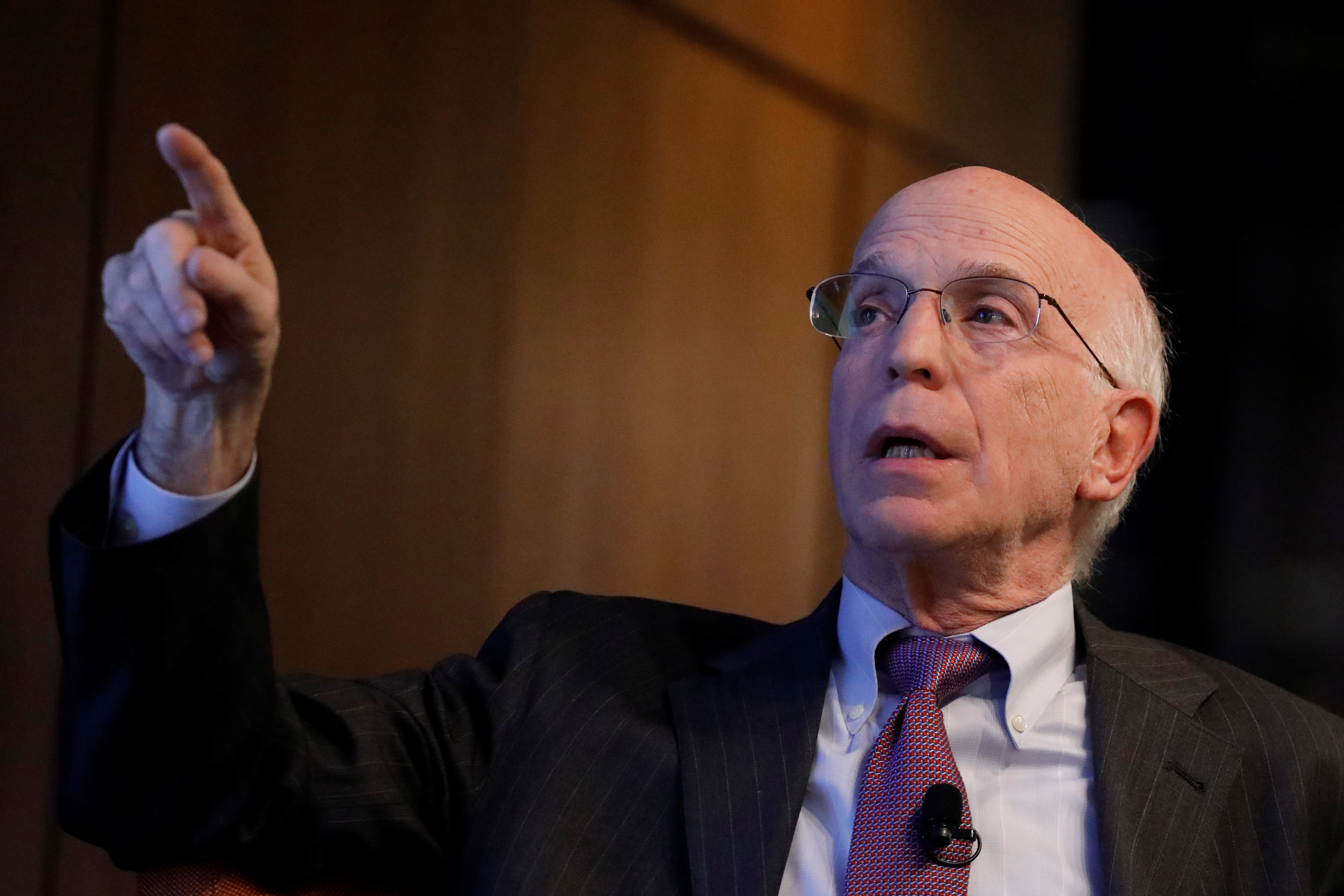
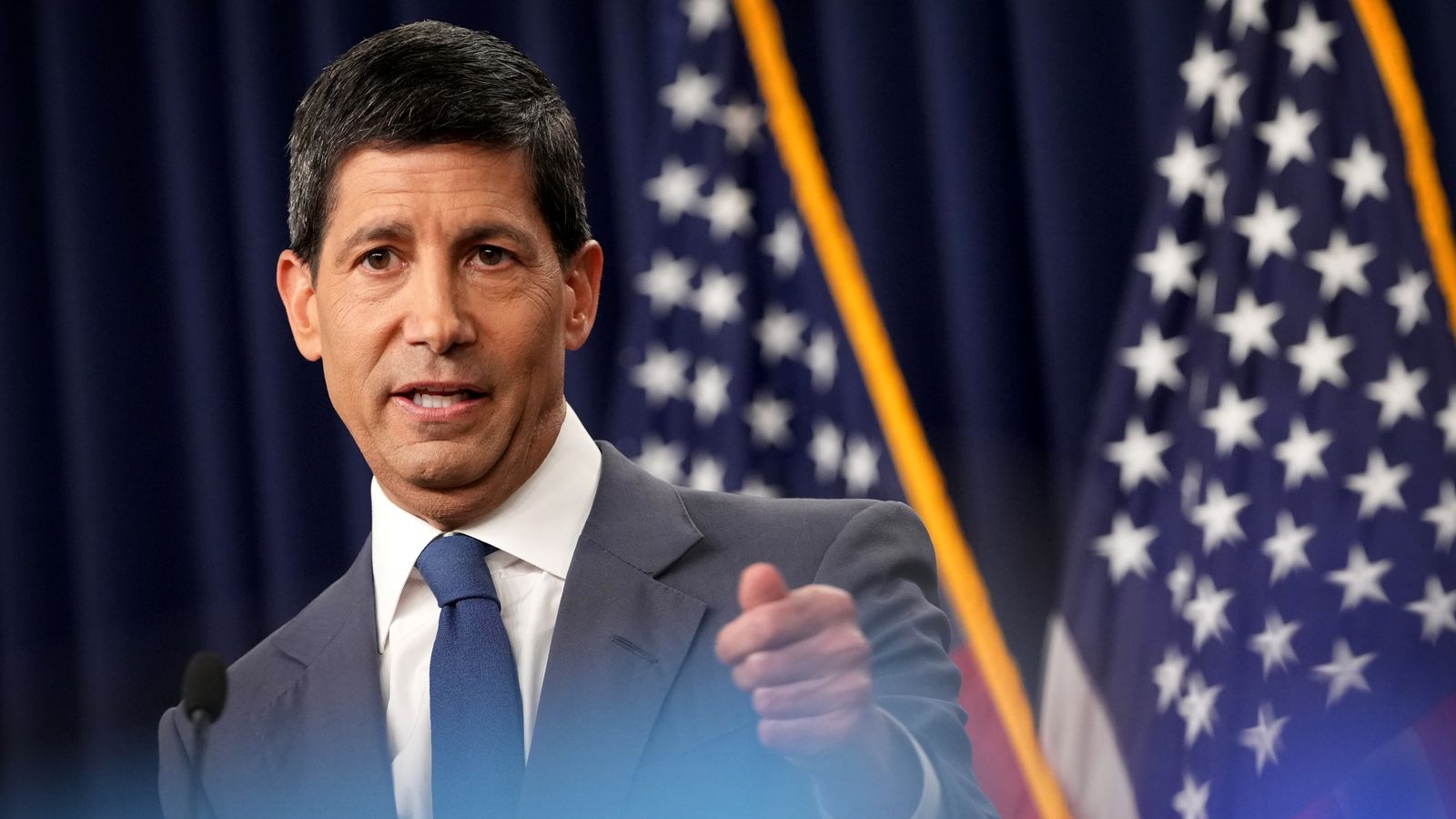
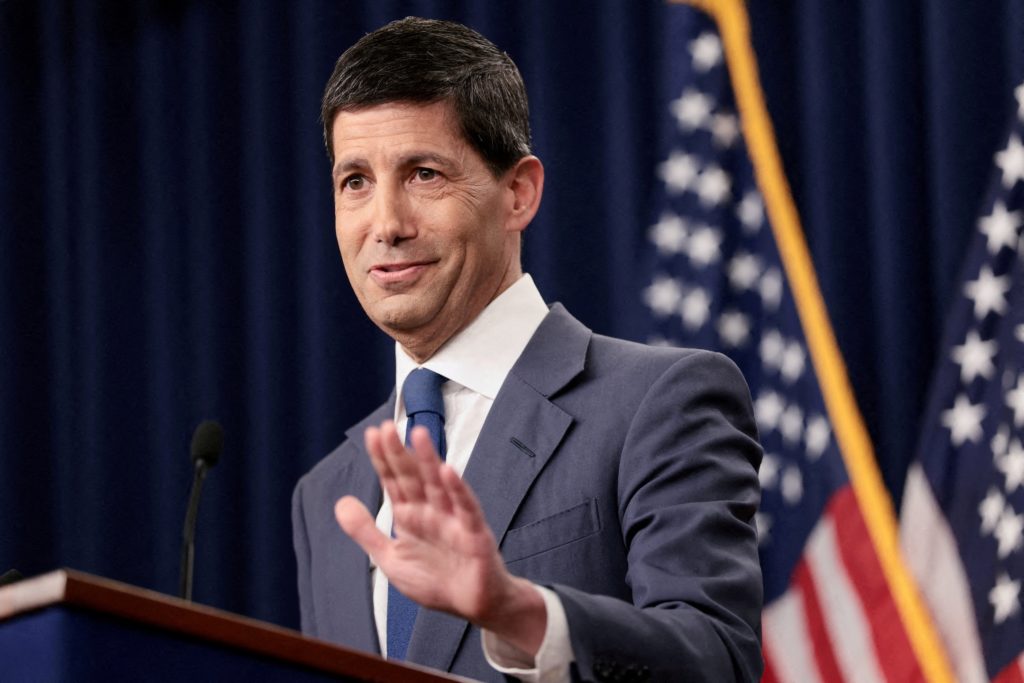
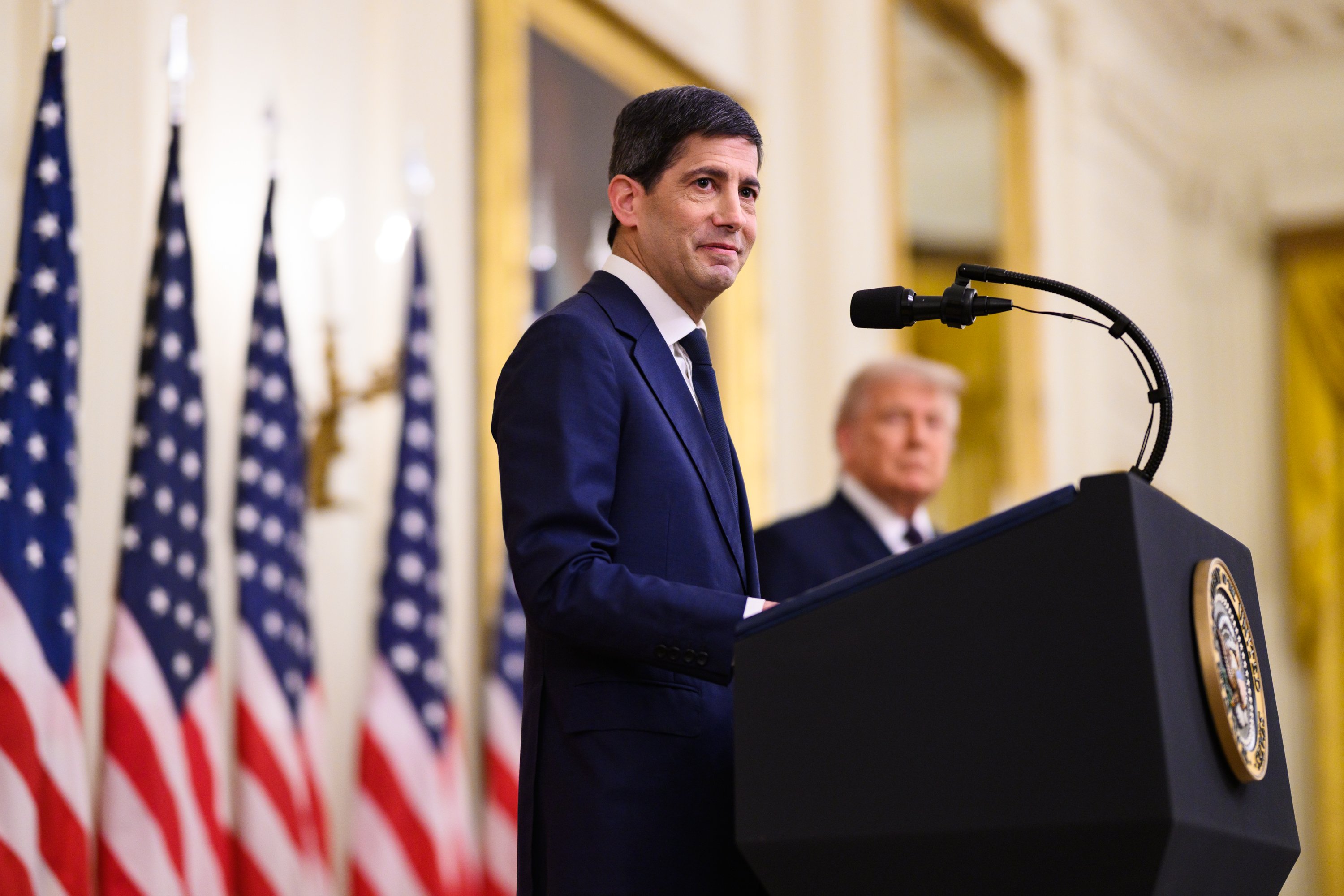
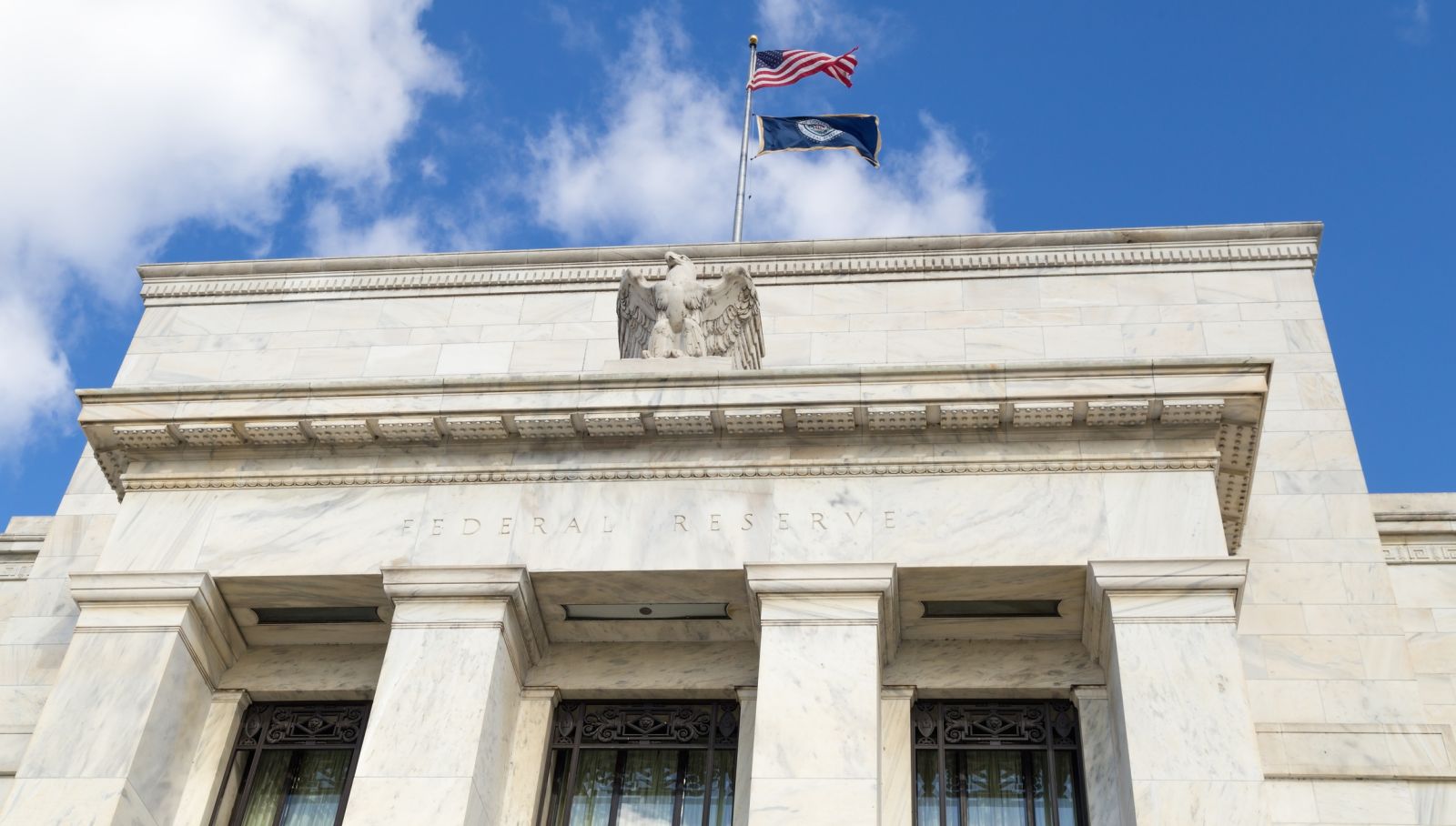
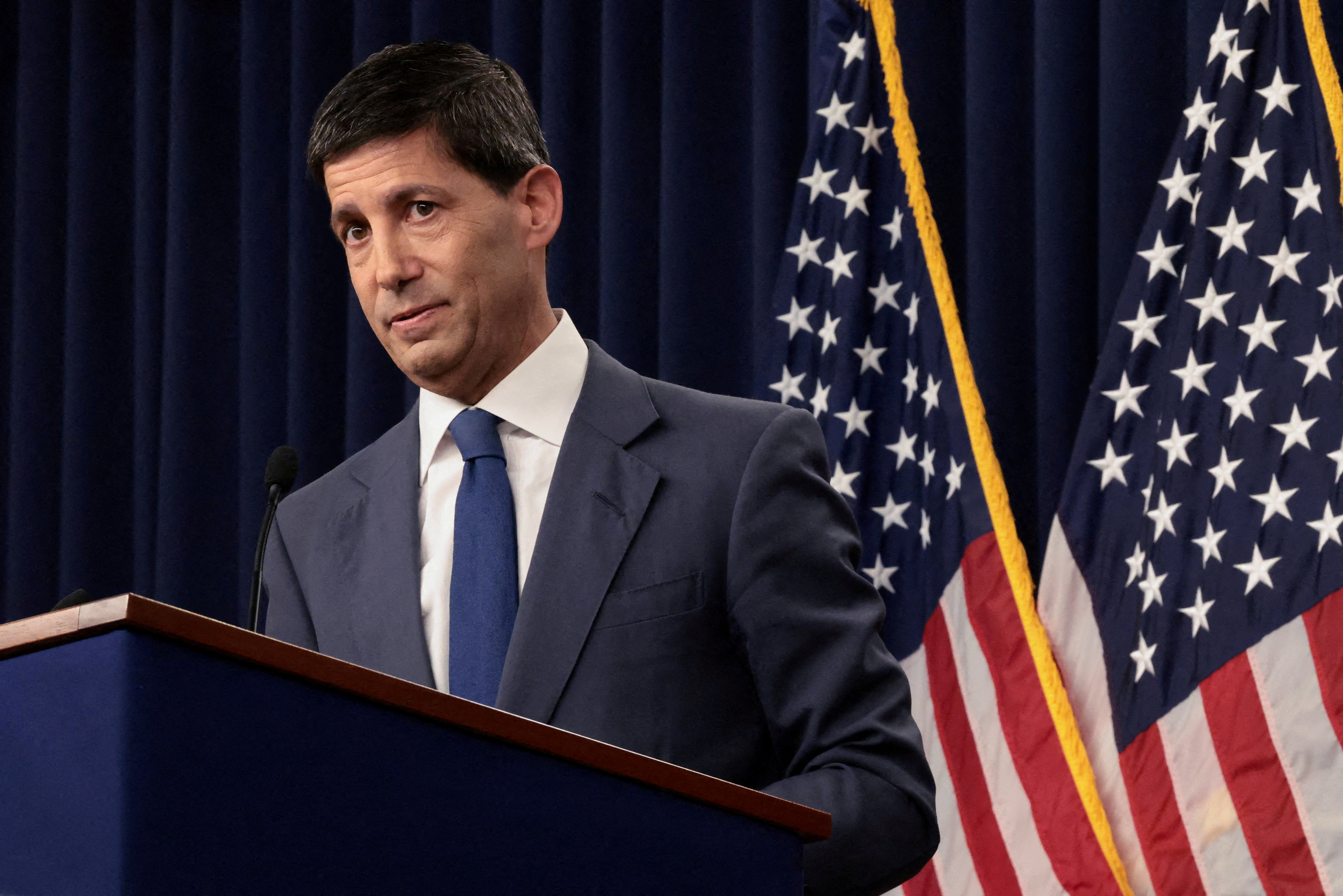
Federal Reserve Chair Kevin Warsh's August 27, 2026 Jackson Hole speech signals imminent rate hikes, with market participants now pricing in a September increase probability of 50%+ unless August jobs and inflation data prove "very soft." The S&P 500 declined 0.25% to 7,711.76 and Nasdaq fell 0.52% to 26,402.42 following Warsh's reaffirmation that inflation remains stubbornly above the Fed's 2% target with "more work to do." For cross-border e-commerce sellers, this monetary policy shift carries immediate financial implications: higher interest rates directly increase borrowing costs for inventory purchases, working capital lines of credit, and expansion financing—typically adding 150-250 basis points to existing rates within 30-60 days of Fed action.
Sellers with variable-rate debt face the most acute pressure. A typical mid-sized seller carrying $500K in inventory financing at current 7-8% rates would see monthly interest costs rise by $625-$1,250 if rates increase 150 basis points. This compression directly reduces capital available for Amazon PPC campaigns, Shopify store optimization, and logistics improvements. The University of Michigan consumer sentiment survey reached 51.7 (exceeding estimates of 51), but this modest beat masks underlying weakness: rate hikes historically reduce discretionary spending by 3-5% within 2-3 months, particularly impacting price-sensitive categories (apparel, home goods, electronics) where cross-border sellers concentrate inventory. Currency fluctuations accompanying Fed tightening add secondary pressure—USD strength increases cross-border transaction costs and international shipping expenses, compressing margins on goods sourced from Asia or manufactured in China.
Immediate financial optimization is critical. Sellers should: (1) Refinance variable-rate debt before September rate decision (deadline: August 31, 2026)—locking in 7.5-8.5% fixed rates now prevents 8.5-9.5% rates post-hike; (2) Accelerate inventory purchases before rate increases take effect, concentrating on high-velocity SKUs with 60-90 day sell-through cycles; (3) Evaluate alternative financing routes—invoice factoring (2-4% discount vs. 8%+ interest), supply chain finance platforms (Stripe Capital, Amazon Lending), or cross-border payment optimization to reduce FX conversion costs by 0.5-1.2%. PayPal's 12.7% stock decline following the Advent/Stripe acquisition collapse signals payment provider consolidation risk; sellers should diversify payment processing across 2-3 providers to avoid single-point financing dependency. The current 30-60 day window before September Fed decision represents the optimal refinancing window—after rate hikes, financing costs lock in at elevated levels for 12-24 months.
Questions 8
How much will my inventory financing costs increase if the Fed raises rates in September 2026?
A typical 150 basis point rate increase would raise monthly interest costs by $625-$1,250 on $500K inventory financing. For sellers carrying $1M+ in variable-rate debt, monthly costs could rise $1,250-$2,500. The impact compounds over 12 months—a $500K loan at 7.5% costs $37,500 annually; at 9% it costs $45,000, representing a $7,500 annual increase. Sellers should lock in fixed rates before the September Fed decision (deadline: August 31, 2026) to avoid these increases.
What financing alternatives should I consider before rates rise?
Three primary alternatives offer better terms than traditional bank loans post-rate-hike: (1) Invoice factoring at 2-4% discount (vs. 8%+ interest), ideal for sellers with consistent monthly revenue; (2) Amazon Lending or Stripe Capital, offering 6-8% rates with faster approval (24-48 hours) than bank refinancing; (3) Supply chain finance platforms like Trusst or Fintech Collective, which offer 4-6% rates by financing inventory directly from suppliers. Each has trade-offs: factoring reduces cash flow visibility, Amazon Lending requires 90+ days sales history, and supply chain finance requires supplier integration. Evaluate all three before September rate decision.