



Fed Rate Hike Signals 2025 | Cross-Border Sellers Face 8-15% Financing Cost Surge
- Federal Reserve signals potential rate increases to combat inflation; borrowing costs for inventory and working capital expected to rise 8-15% for sellers with variable-rate debt









Overview
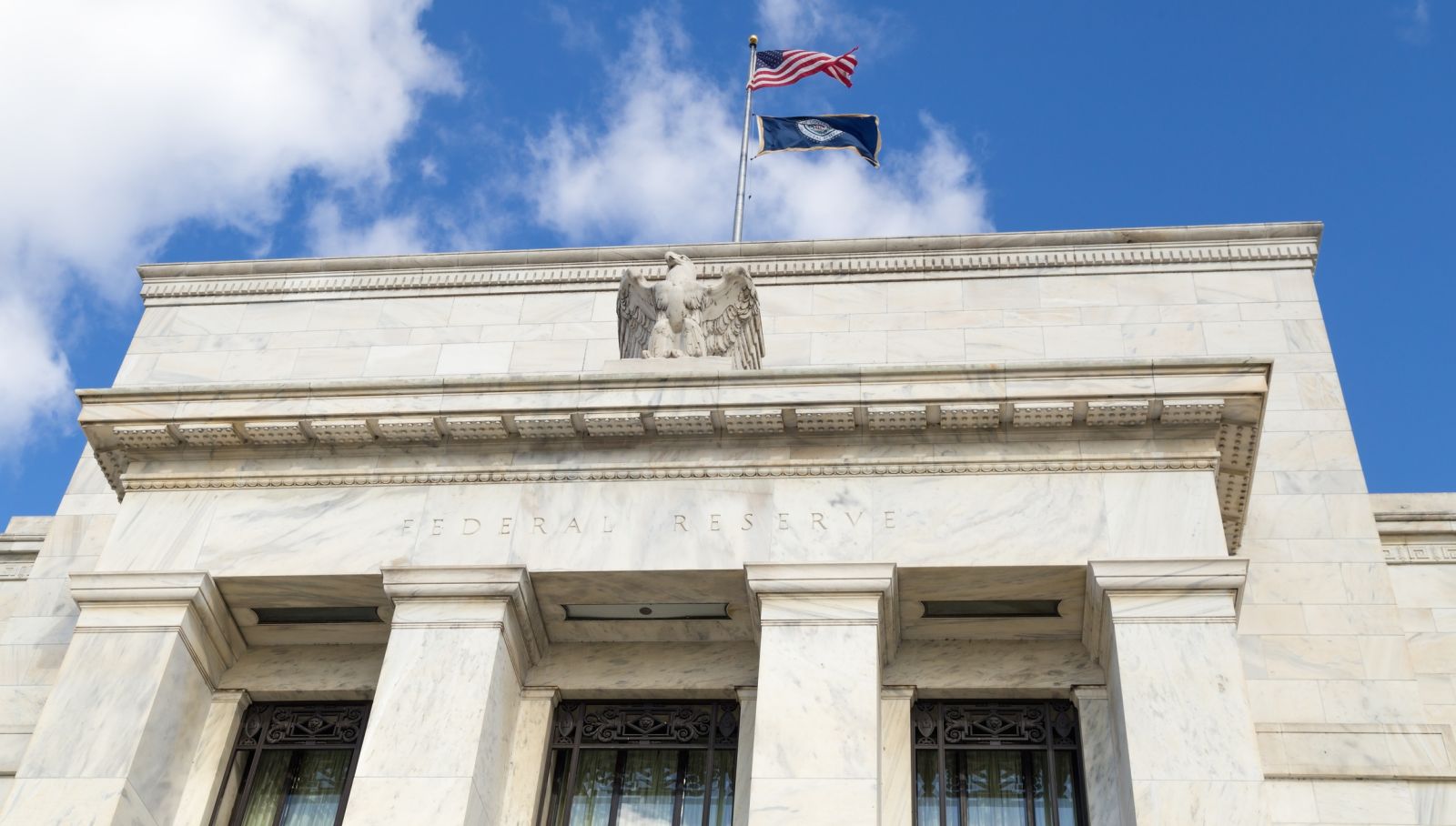
The Federal Reserve is signaling potential interest rate increases to combat persistently elevated US inflation, with Fed Chair Warsh indicating that monetary policy adjustments may be warranted given current economic conditions. This development comes as US equity markets experience downward pressure and bond traders reassess expectations for future rate movements. For cross-border e-commerce sellers, this macroeconomic shift carries immediate and significant financial implications.
Financing Cost Impact: Sellers relying on credit lines, business loans, or variable-rate financing face direct cost increases. Higher interest rates typically increase borrowing costs for inventory purchases, working capital, and expansion initiatives by 8-15% depending on current rate structures. A seller with $100K in variable-rate debt could see monthly payments increase by $67-125, directly compressing profit margins and reducing capital available for marketing, product development, and logistics improvements. This is particularly acute for sellers in high-inventory categories (electronics, home goods, apparel) who carry significant debt to fund seasonal inventory builds.
Consumer Demand Compression: Rate hikes influence consumer spending patterns, particularly affecting demand for discretionary products across major markets. Broader economic slowdown typically reduces customer purchasing power, especially in price-sensitive categories where cross-border sellers compete heavily. Currency fluctuations frequently accompany Fed policy shifts, affecting cross-border transaction costs and international shipping expenses—adding 3-7% to landed costs for sellers importing from Asia or manufacturing regions.
Strategic Timing Opportunity: The current market environment presents a critical window for sellers to act before rate increases take effect. Sellers should immediately review financial planning, optimize cash flow management, and consider accelerating inventory investments at current rates before potential increases. Those with fixed-rate financing options should evaluate refinancing before rates rise further. Sellers with significant debt exposure should monitor Fed communications closely and develop hedging strategies for currency exposure, particularly for USD/CNY, USD/EUR, and USD/INR pairs commonly used in cross-border supply chains.
Questions 8
How much will my borrowing costs increase if the Fed raises interest rates?
If the Federal Reserve implements rate hikes as signaled, sellers with variable-rate financing could see borrowing costs increase 8-15% depending on current loan structures. For example, a seller with a $100K line of credit at 8% APR could see rates rise to 8.75-9.2%, increasing monthly interest payments by $67-125. The impact is most severe for sellers carrying inventory debt, working capital loans, or business credit cards used for seasonal purchasing. Sellers should immediately review their loan agreements to identify which facilities have variable rates and calculate potential cost increases before rate hikes take effect.
Which financing products offer fixed rates to lock in current pricing?
Fixed-rate options include term loans from traditional banks (SBA loans, commercial loans), invoice factoring, and supply chain financing products. Amazon Lending offers variable-rate inventory financing, while alternative lenders like Kabbage, OnDeck, and Fundbox provide both fixed and variable options. Trade finance products such as letters of credit and purchase order financing typically offer fixed rates tied to specific transactions. Sellers should compare APR rates across providers immediately—fixed-rate term loans currently range 6-12% depending on credit profile, while factoring typically costs 1.5-3% of invoice value. Locking in fixed rates now before Fed increases could save 2-4% annually on financing costs.