





Fed Rate Hike Signals 2025 | Cross-Border Sellers Face Financing Cost Surge
- Borrowing costs rise 200-400 basis points; inventory financing and working capital pressure intensifies for Amazon, eBay, Shopify sellers















Overview
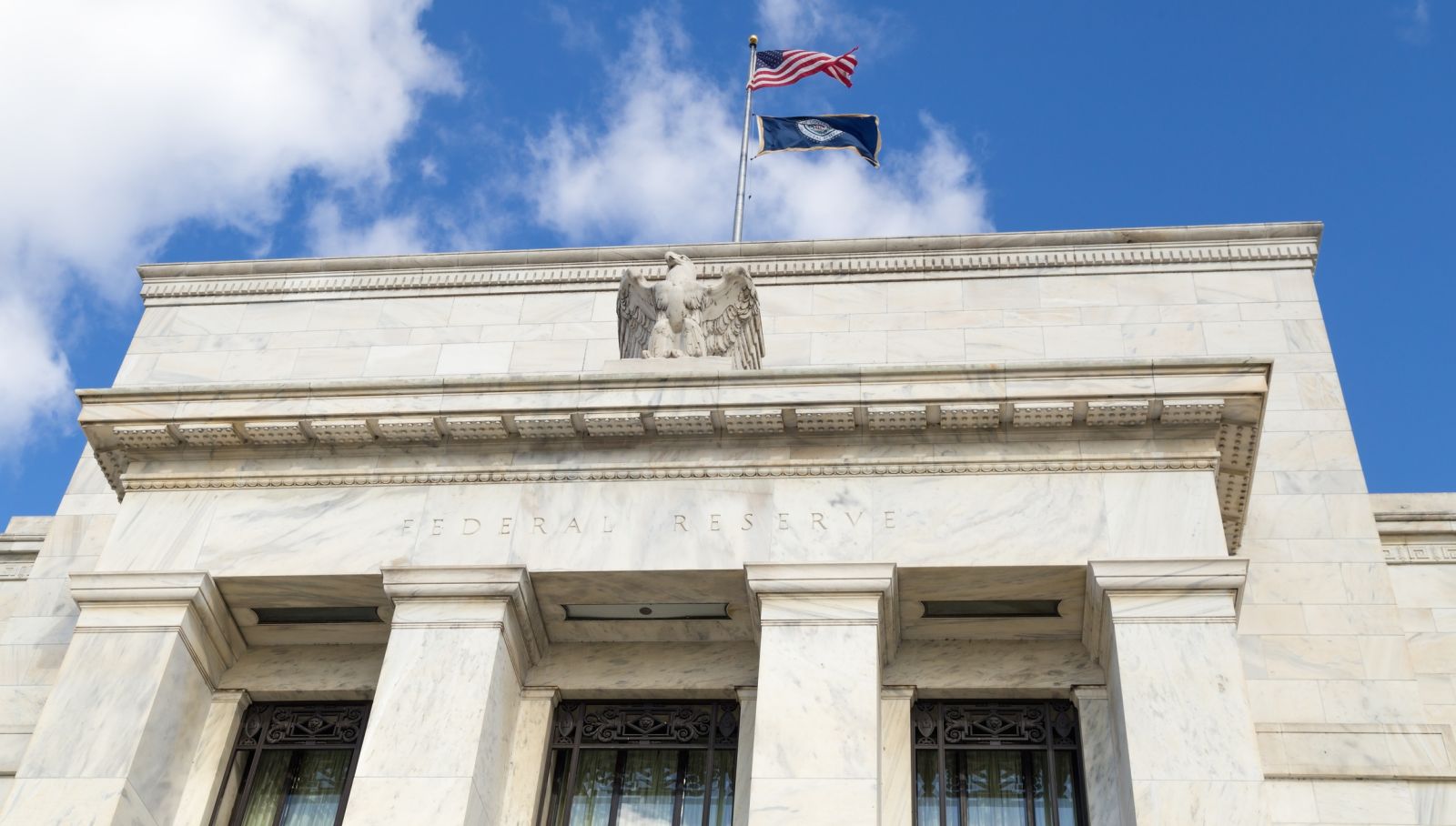
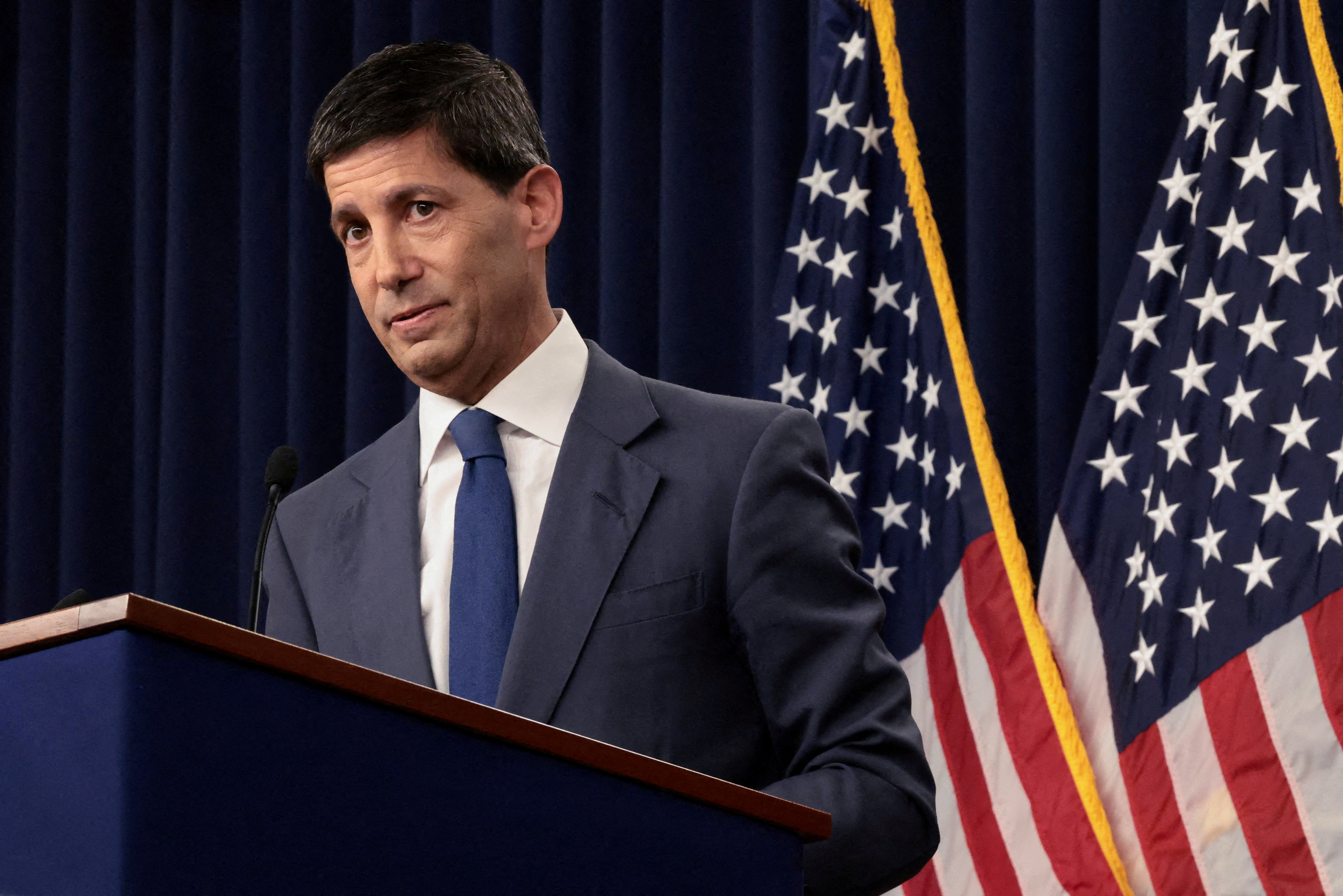
Federal Reserve Chair Kevin Warsh's recent statements signal potential interest rate increases ahead, directly impacting cross-border e-commerce sellers' financing costs and consumer demand. The bond market is positioning for rate hikes as the Fed continues inflation-fighting efforts despite previous tightening measures. This macroeconomic shift creates immediate financial pressure on sellers relying on variable-rate credit lines, inventory loans, and working capital financing—the lifeblood of e-commerce operations.
Financing Cost Impact: Higher interest rates directly increase borrowing expenses for inventory purchases, working capital lines of credit, and business expansion. Sellers with variable-rate financing face monthly payment increases of $200-400+ per $100K borrowed, compressing already-thin e-commerce margins (typically 10-25% for Amazon FBA sellers). Inventory financing through providers like Fundbox, Clearco, and traditional banks becomes more expensive, reducing capital available for marketing, logistics improvements, and product development. For sellers managing 1,000+ units monthly, working capital optimization becomes critical—delayed cash conversion cycles now carry higher financing costs.
Currency and Cross-Border Implications: Fed rate hikes strengthen the U.S. dollar against other currencies (EUR, GBP, CNY, INR), directly affecting sellers importing goods from Asia and Europe. A stronger dollar increases landed costs for imported inventory by 3-8%, while simultaneously reducing profit margins on international sales. Sellers operating multi-currency businesses face heightened FX volatility—hedging costs rise as central banks diverge on policy. International shipping expenses tied to fuel surcharges and logistics provider pricing increase alongside broader inflation concerns. Consumer purchasing power declines in price-sensitive categories (apparel, home goods, electronics), reducing demand for discretionary products on Amazon, eBay, and Shopify.
Demand Compression Risk: Rate hikes typically trigger economic slowdown, reducing consumer discretionary spending. Non-essential product categories face 5-15% demand pressure as buyers defer purchases. This directly impacts sellers in beauty, fashion, home décor, and electronics—categories representing 40%+ of cross-border e-commerce volume. Sellers should monitor Fed communications for policy shifts and adjust inventory strategies accordingly, potentially reducing SKU expansion and focusing on high-velocity, lower-cost items.
Questions 8
How will Fed rate hikes affect my Amazon FBA inventory financing costs?
Higher Fed rates directly increase borrowing costs for inventory loans and working capital lines. If you have a $500K variable-rate inventory loan at current rates, expect monthly payment increases of $200-400 per 100 basis points of Fed hikes. Amazon Business Loans and third-party providers like Fundbox, Clearco, and Kabbage will raise APRs accordingly. Sellers should lock in fixed-rate financing immediately before rates climb further, or accelerate inventory investments before rate increases take effect. Monitor Fed communications weekly—each policy announcement triggers immediate lender repricing within 24-48 hours.
What's the impact on my cross-border shipping costs if the dollar strengthens?
A stronger U.S. dollar increases landed costs for goods imported from Asia and Europe by 3-8% per 5% currency appreciation. For a seller importing $100K monthly from China, a 5% dollar strength adds $3-5K to monthly costs. Simultaneously, international shipping expenses rise due to fuel surcharges and logistics provider pricing adjustments. Sellers should consider forward contracts or currency hedging to lock in exchange rates for 3-6 month supply commitments. Alternatively, negotiate supplier pricing in USD rather than CNY/EUR to shift FX risk upstream.