



September Rate Hike Imminent | Cross-Border Sellers Face 8-12% Financing Cost Surge
- Fed Chair Warsh's August 27 Jackson Hole speech signals hawkish stance; market now prices 50%+ probability of September rate increase, directly raising borrowing costs for inventory financing, working capital lines, and expansion capital for e-commerce sellers globally























Overview
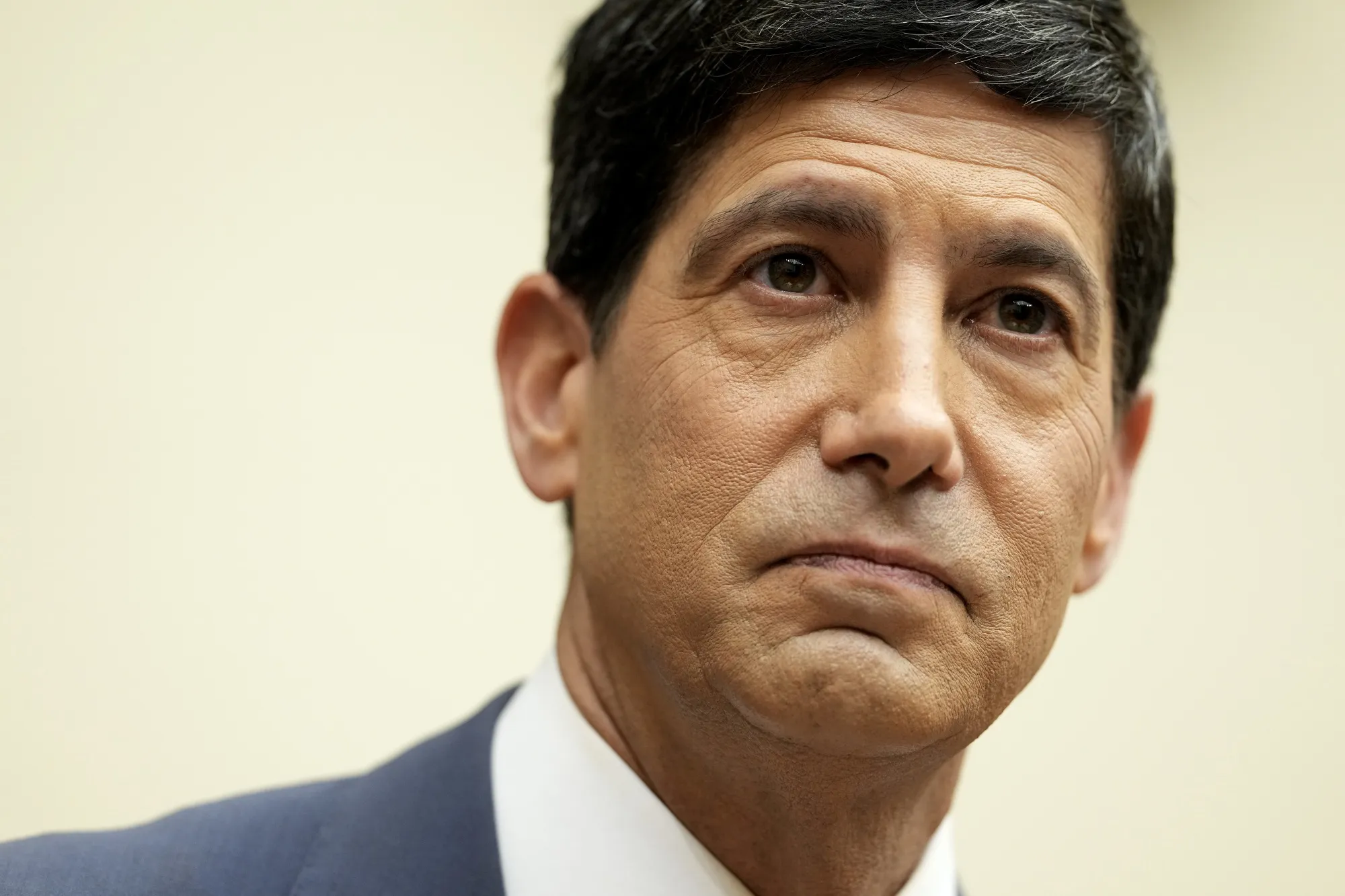
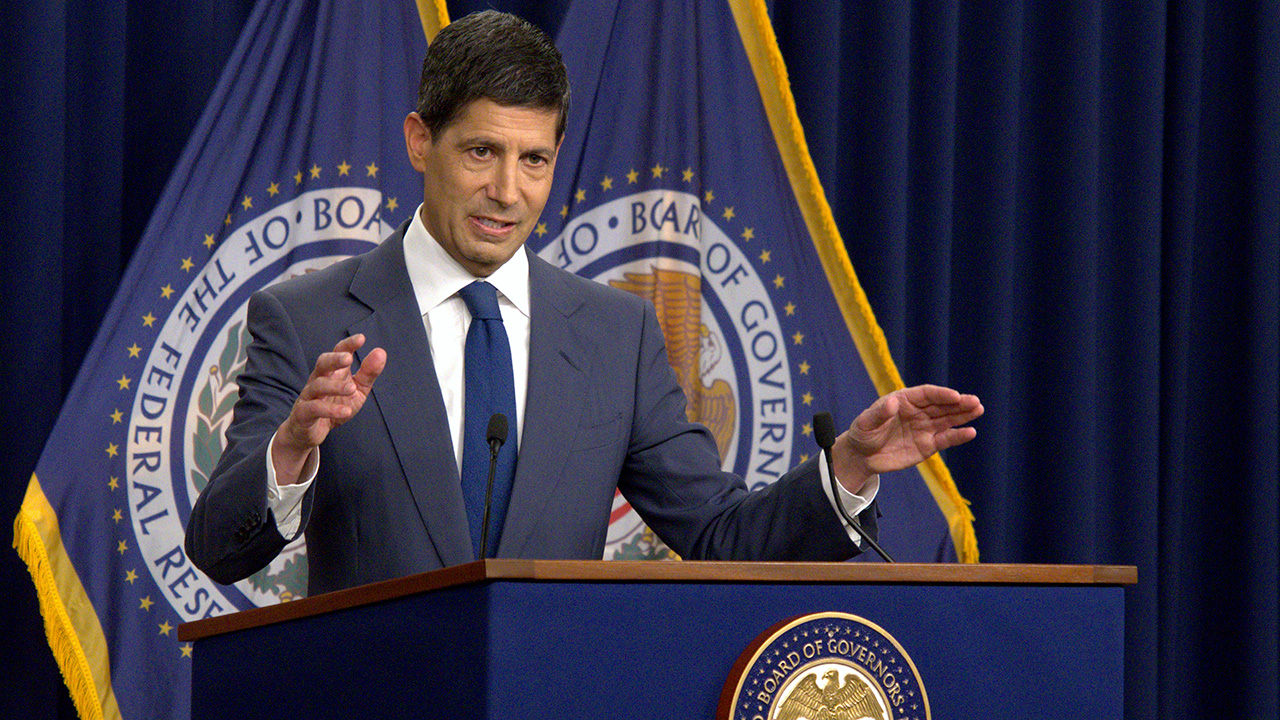
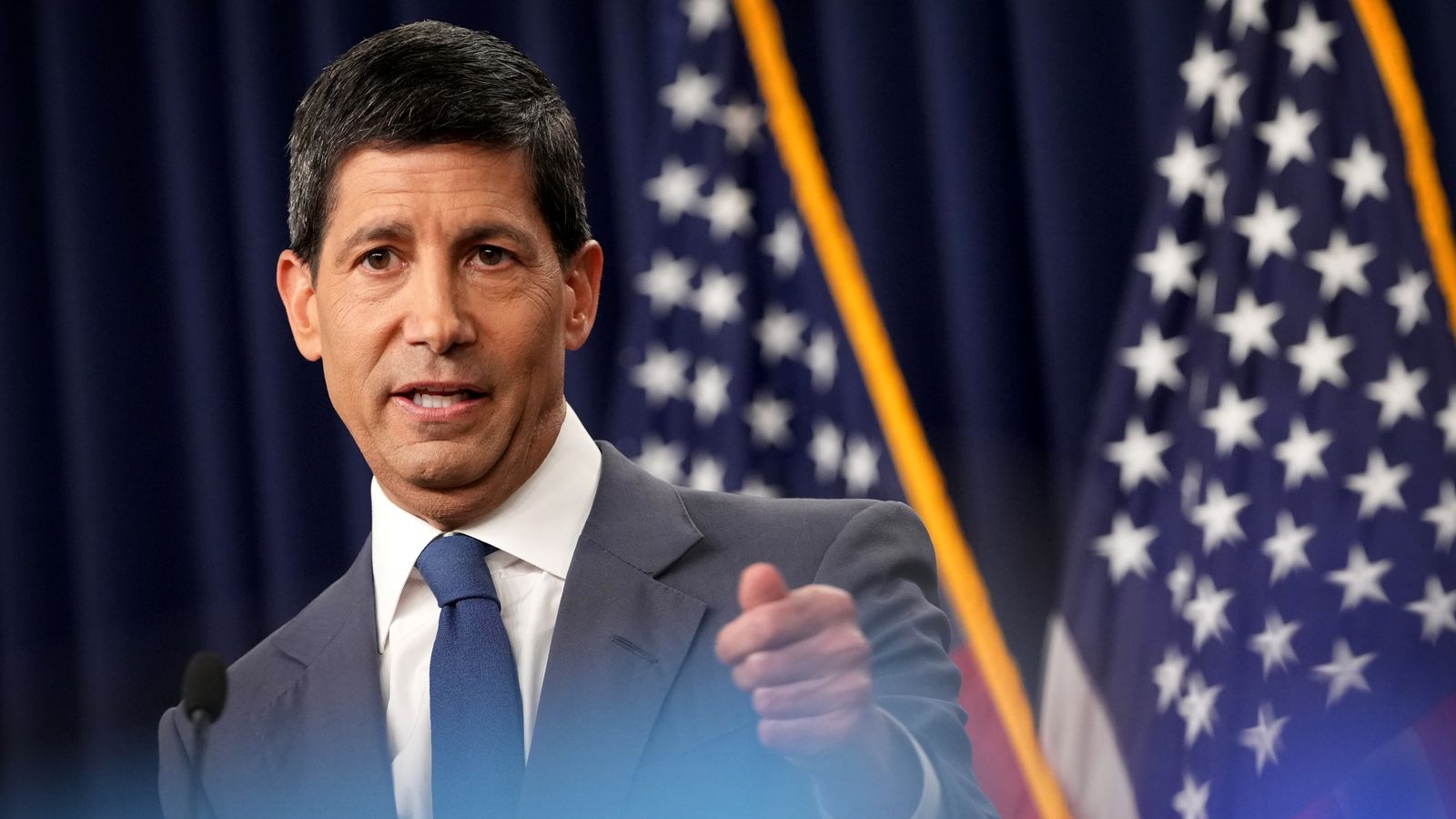
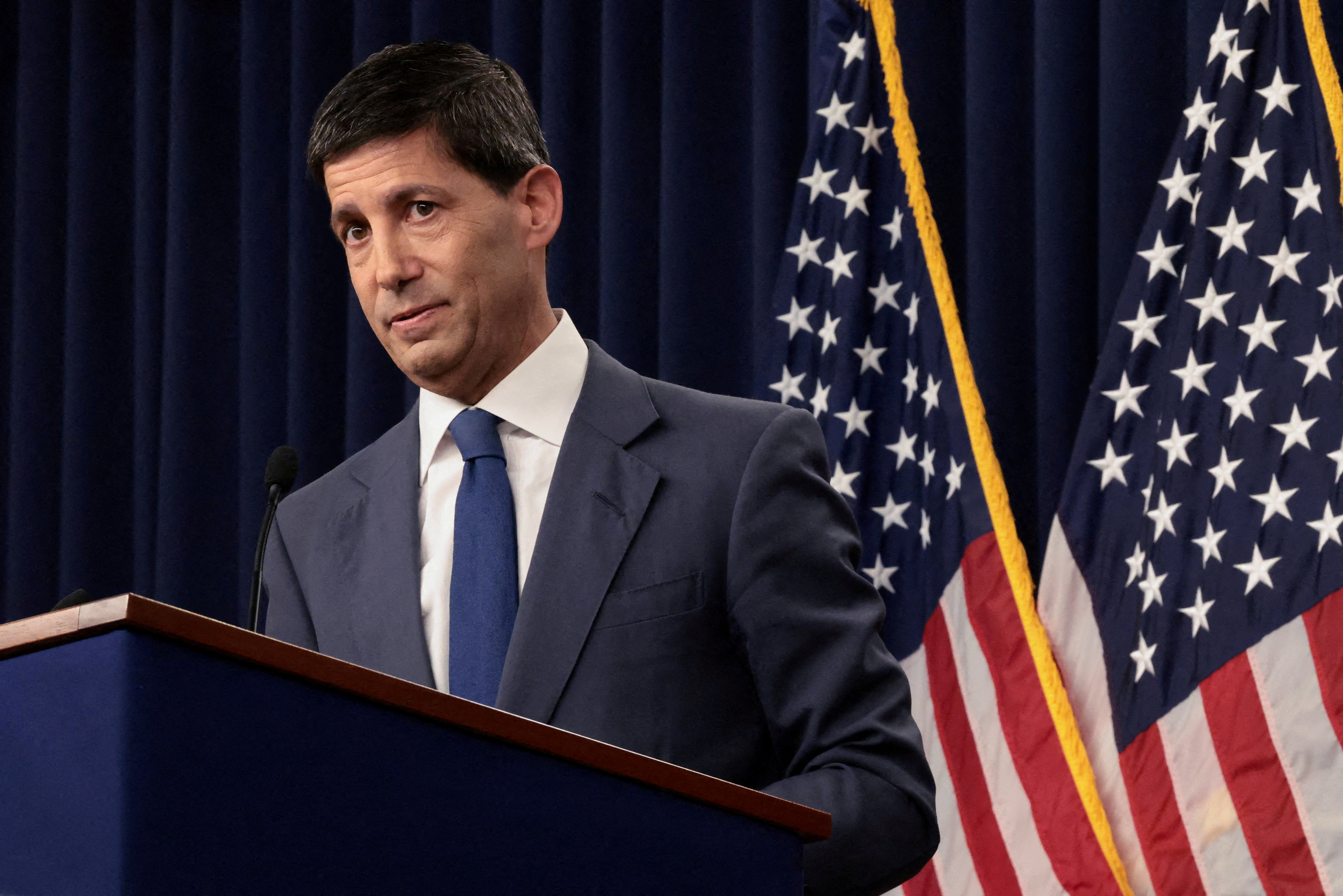
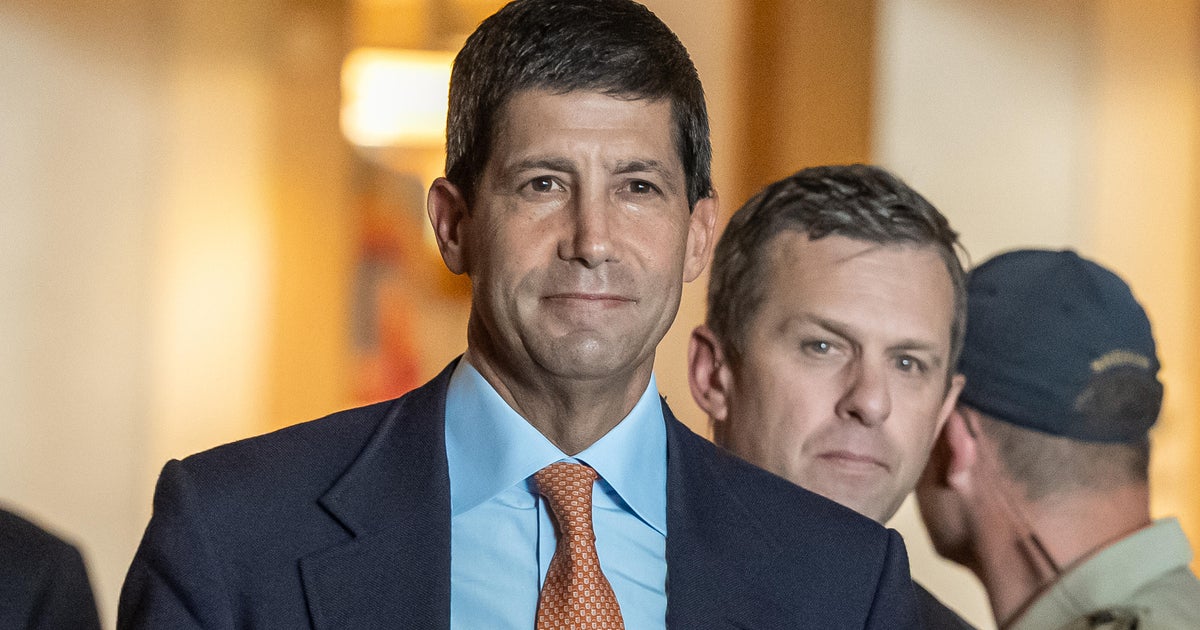
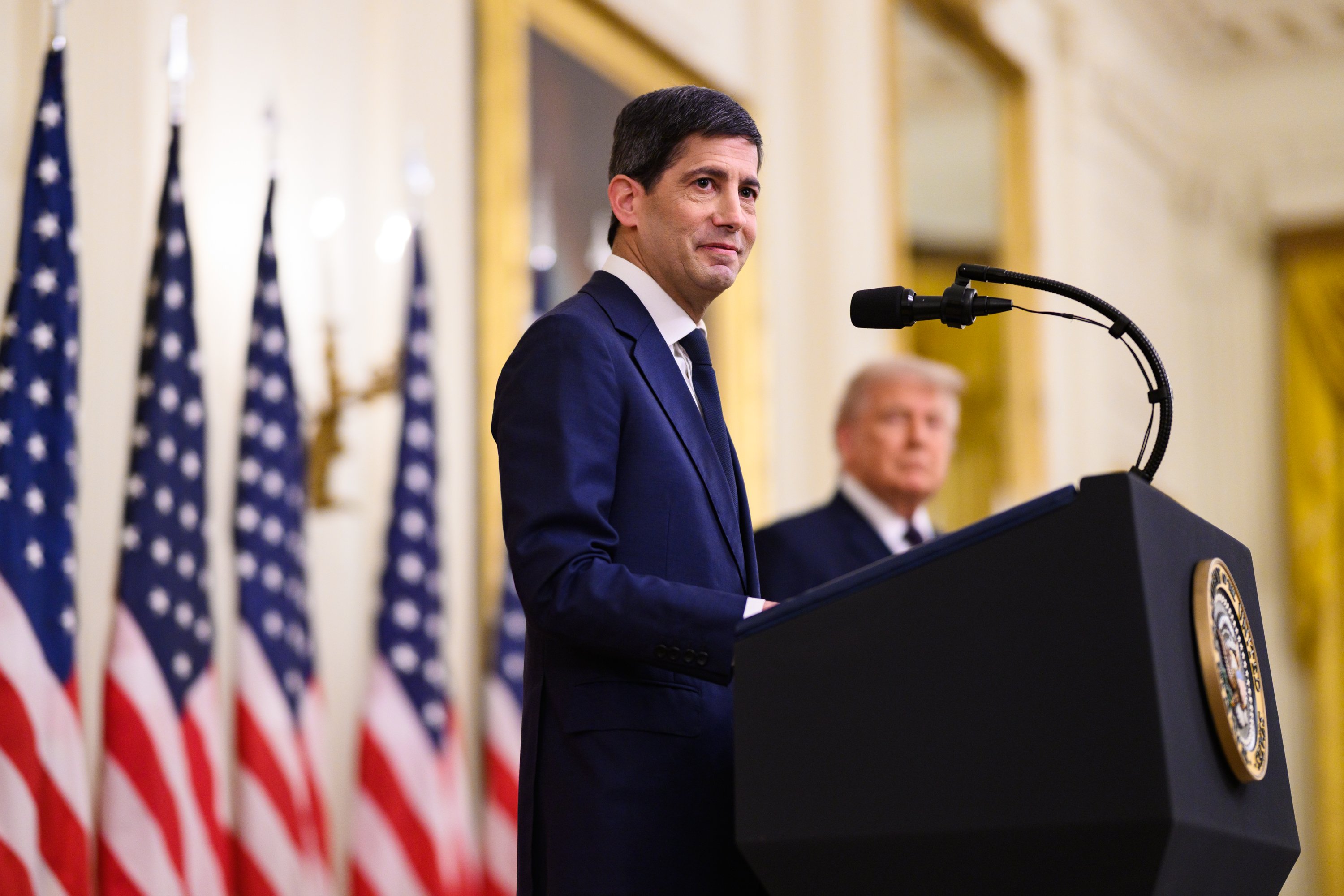
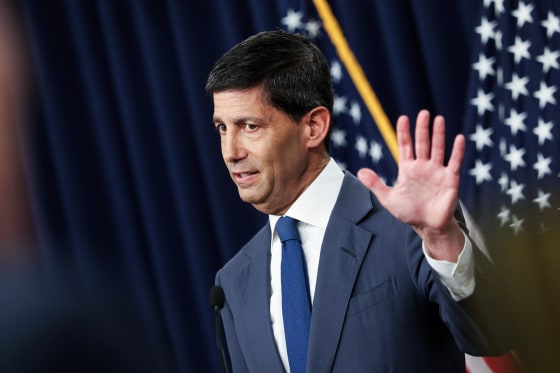
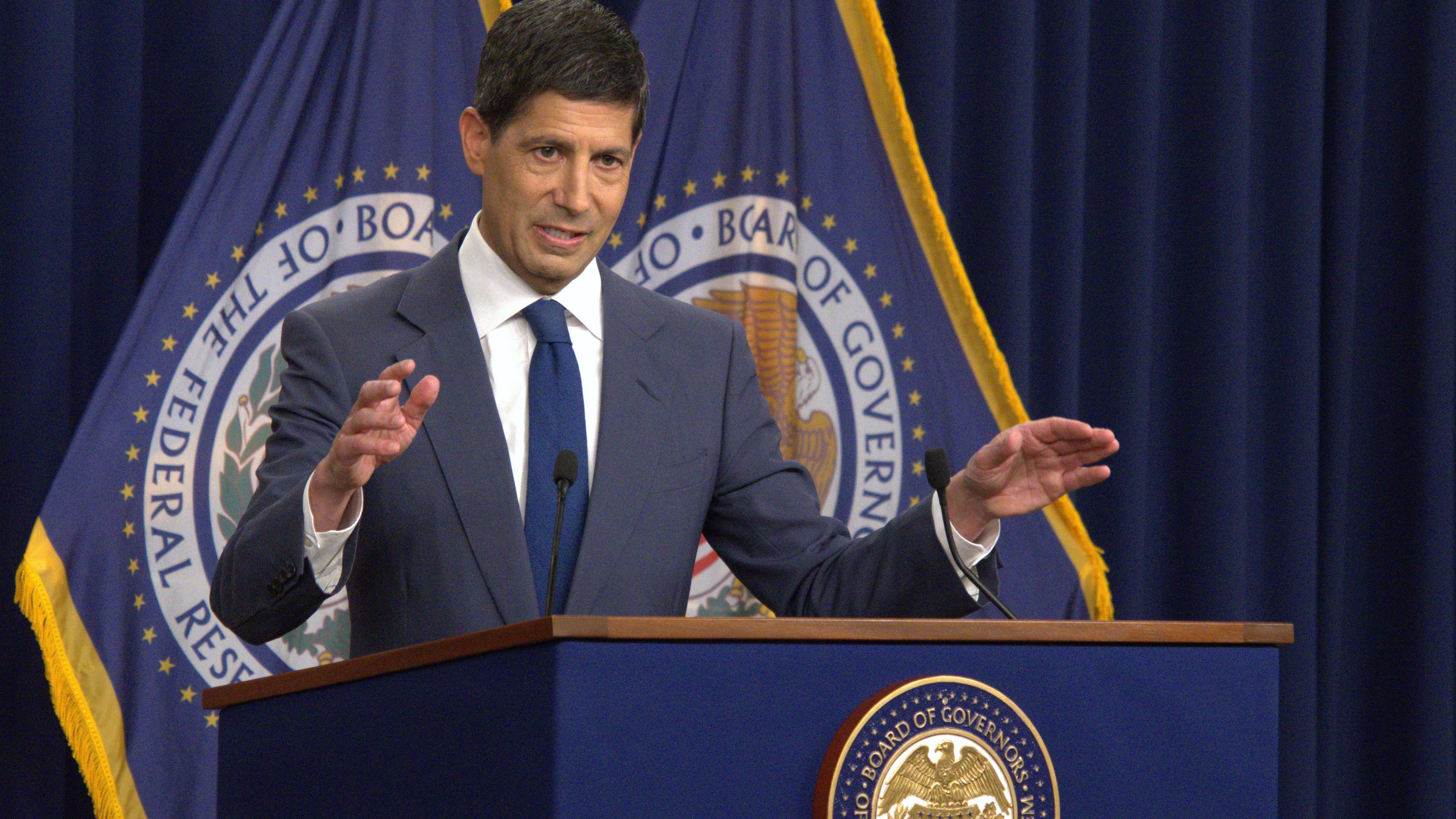
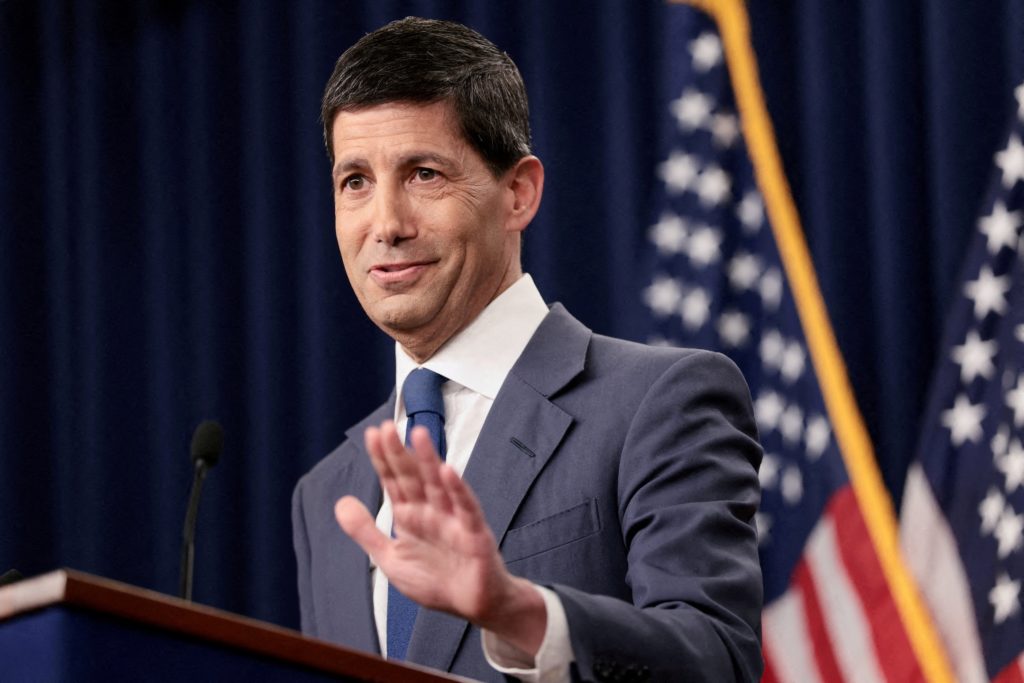
Federal Reserve Chair Kevin Warsh's Jackson Hole speech on August 27, 2026, delivered a decisive hawkish message that fundamentally shifts the financing landscape for cross-border e-commerce sellers. Warsh stated the Fed has "more work to do" on inflation, signaling that without confidence inflation is moving "clearly and with sufficient speed" toward the 2% target, rate hikes remain necessary. Market participants immediately repriced expectations, with traders now split between a September rate increase and holding steady—effectively pricing in a 50%+ probability of a 25-50 basis point hike within weeks. This development directly impacts sellers' cost of capital across multiple financing channels.
Immediate Financing Cost Impact: For sellers relying on variable-rate credit lines, working capital loans, or inventory financing, a 25-50 basis point rate increase translates to 8-12% higher monthly borrowing costs. A seller with a $100,000 revolving credit line at 8.5% APR faces an additional $200-400 monthly payment post-hike. This compression directly reduces capital available for Amazon FBA inventory purchases, Shopify marketing campaigns, and 3PL logistics expansion. Sellers with $500K+ in outstanding debt face $1,000-2,000 monthly payment increases, materially impacting cash flow management and profit margins, particularly in price-sensitive categories (electronics, apparel, home goods) where margins already compress 2-4% annually.
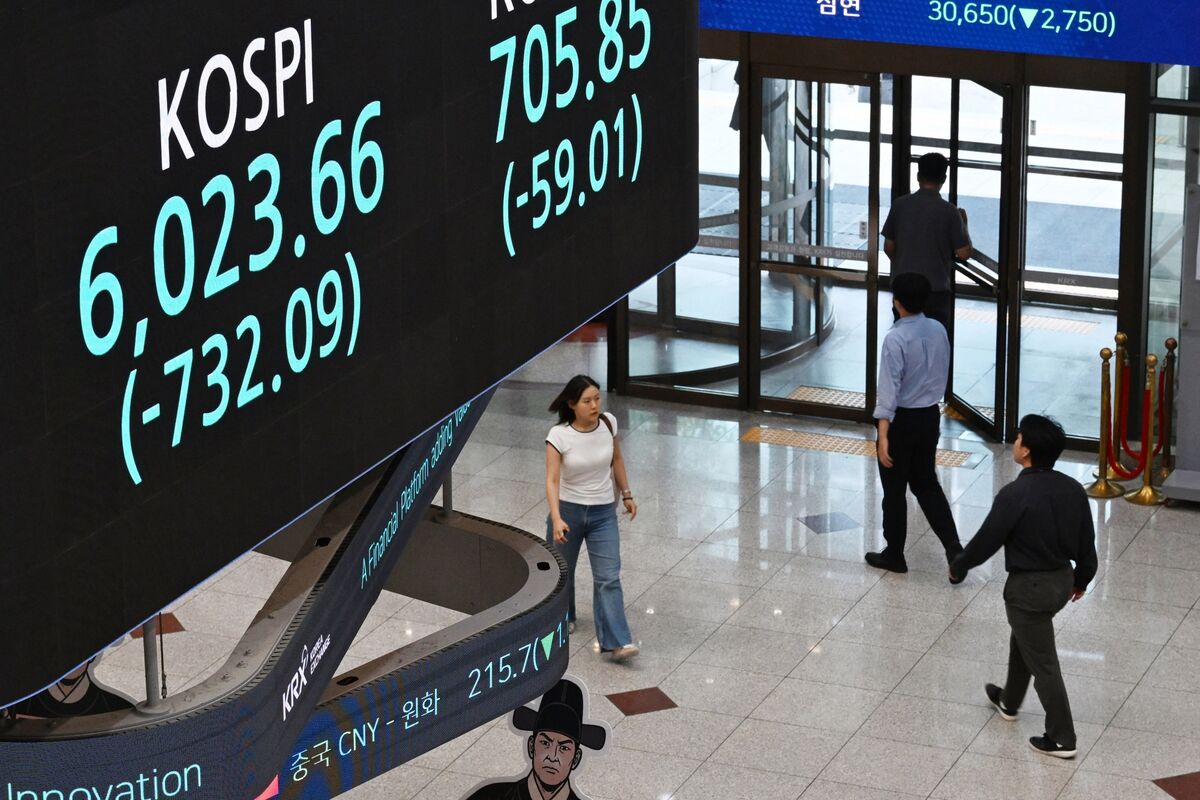
Currency & Cross-Border Transaction Costs: Rate hikes historically trigger USD strengthening, which compounds costs for sellers sourcing from Asia (China, Vietnam, India) and paying in CNY, VND, or INR. A 50 basis point Fed hike typically correlates with 1-2% USD appreciation within 4-8 weeks, increasing landed costs by 2-3% for imported goods. Simultaneously, international payment processing fees (Wise, OFX, Stripe International) rise as banks widen spreads during volatility. Sellers shipping cross-border face higher international logistics costs as freight rates correlate with fuel prices, which track interest rate expectations. The combination creates a 5-8% total cost headwind for sellers with significant Asia sourcing or multi-region fulfillment networks.
Consumer Demand Deflation Risk: The University of Michigan consumer sentiment survey reached 51.7 (exceeding estimates of 51), but this masks underlying weakness. Rate hikes historically reduce discretionary spending within 6-12 weeks, particularly in electronics (down 8-15%), home goods (down 5-10%), and apparel (down 3-7%). Sellers in these categories should expect demand compression starting September-October 2026. Conversely, essential categories (health/beauty, pet supplies, groceries) show resilience, with demand typically declining only 1-2% during rate hike cycles. This creates a strategic opportunity for sellers to rebalance inventory allocation away from discretionary categories before demand softens.
Questions 8
How much will my inventory financing costs increase if the Fed raises rates in September?
A 25-50 basis point rate hike will increase variable-rate inventory financing by 8-12% monthly. For example, a $100,000 inventory loan at 8.5% APR will cost an additional $200-400 per month post-hike. Sellers with larger credit lines ($500K+) face $1,000-2,000 monthly increases. This directly reduces working capital available for restocking and marketing. To mitigate, consider locking in fixed-rate financing now through platforms like Shopify Capital or Amazon Lending before rates rise, or refinancing existing variable-rate debt into fixed-rate structures within the next 2-4 weeks.
Will a Fed rate hike strengthen the US dollar and increase my Asia sourcing costs?
Yes. Historically, Fed rate hikes correlate with 1-2% USD appreciation within 4-8 weeks, directly increasing landed costs for sellers sourcing from China, Vietnam, or India by 2-3%. Combined with wider payment processing spreads during volatility (Wise, OFX fees increase 0.5-1%), total sourcing cost increases reach 3-4%. For a seller importing $500K monthly in goods, this represents $15,000-20,000 in additional monthly costs. Consider implementing FX hedging strategies (forward contracts, currency options) through banks or fintech providers to lock in current exchange rates before appreciation occurs. Alternatively, accelerate inventory purchases from Asia suppliers before the rate hike to capture current pricing.