




Fed Rate Hike Signals 2025 | Cross-Border Sellers Face 8-15% Financing Cost Surge
- Federal Reserve signals potential rate increases to combat inflation; sellers relying on variable-rate credit face higher borrowing costs for inventory, working capital, and expansion












Overview
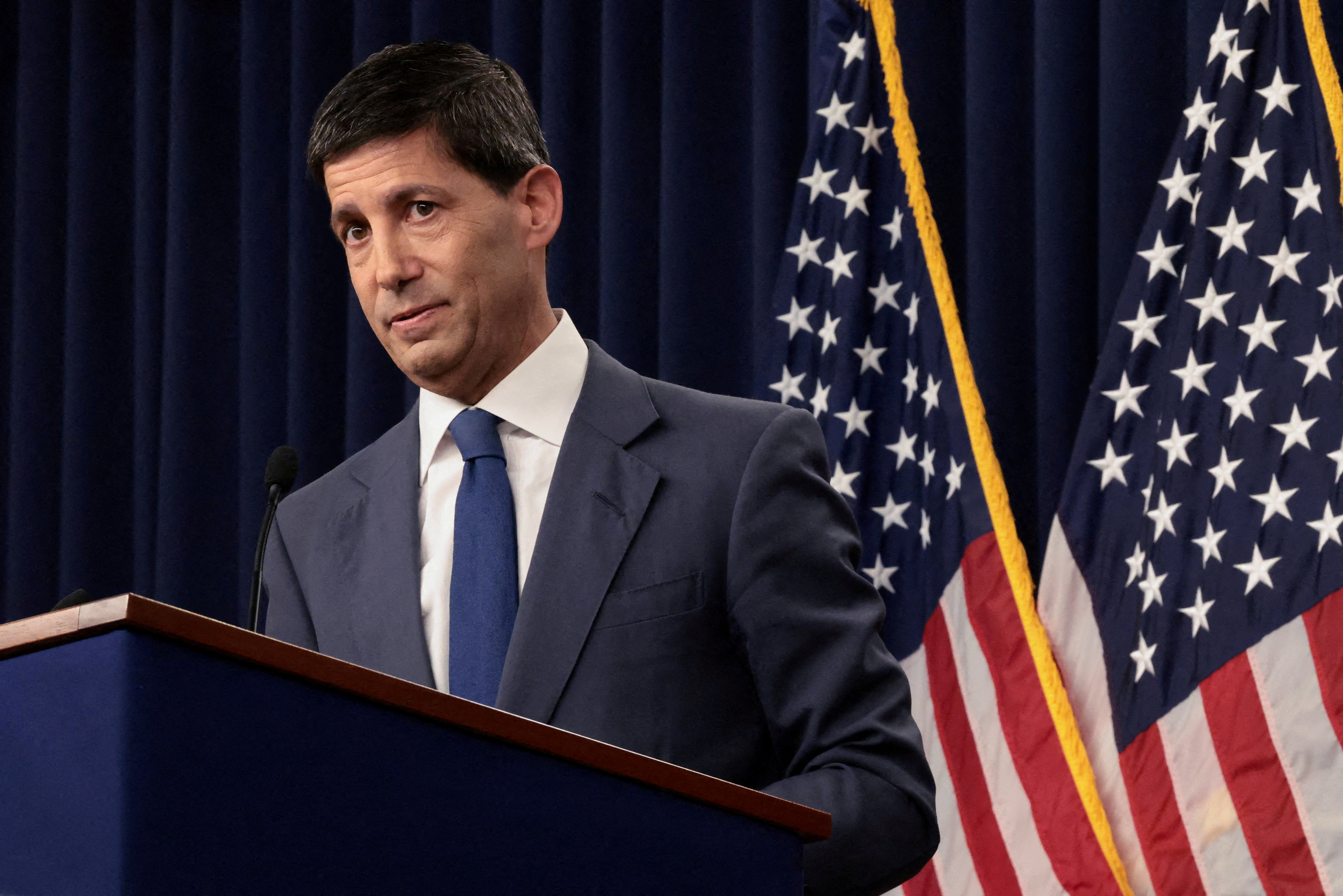
The Federal Reserve's recent signals of potential interest rate hikes represent a critical macroeconomic inflection point for cross-border e-commerce sellers. Fed Chair Warsh indicated that monetary policy adjustments may be warranted to address persistently elevated US inflation, prompting bond market repositioning and equity market uncertainty. This development directly impacts seller financing costs, working capital management, and consumer demand patterns across major markets.
Immediate Financing Impact: Sellers with variable-rate credit lines, business loans, or revolving credit facilities face 8-15% increases in monthly borrowing costs. A seller with $100K in outstanding inventory financing at current rates could see monthly payments rise $667-1,250 within 6-12 months. This compression directly reduces capital available for Amazon PPC campaigns, Shopify marketing, inventory acceleration, and logistics optimization. Sellers financing through traditional banks, fintech lenders (Clearco, Fundbox, Kabbage), or supply chain finance platforms must immediately review rate structures and refinancing windows before rate hikes take effect.
Currency and Cross-Border Transaction Costs: Rate hikes typically trigger USD strengthening, increasing costs for sellers importing from China, Vietnam, and India. A 3-5% USD appreciation increases landed costs 3-5% for goods priced in CNY/VND/INR. Simultaneously, international shipping expenses rise as fuel surcharges adjust to broader economic conditions. Sellers with significant cross-border payment flows should lock in forward FX contracts now to hedge 60-90 day payment windows, potentially saving 2-4% on currency conversion costs.
Consumer Demand Compression: Higher rates reduce consumer purchasing power, particularly for discretionary categories (electronics, home décor, apparel, beauty). Price-sensitive segments experience 5-12% demand contraction during rate-hiking cycles. Sellers in these categories should expect inventory turnover slowdowns, requiring aggressive markdown strategies or inventory reallocation to faster-moving SKUs. Conversely, essential categories (health, household supplies, pet products) typically show resilience, suggesting portfolio rebalancing opportunities.
Working Capital Optimization: The current window (pre-rate hike) offers sellers 30-60 days to accelerate inventory investments at lower financing costs. Sellers should evaluate invoice financing, purchase order financing, and inventory-backed loans now while rates remain favorable. Supply chain finance platforms (Tradeshift, Fintech Collective, Coupa) offer 2-4% APR improvements over traditional credit lines for qualified sellers with strong supplier relationships.
Questions 8
How much will my Amazon seller financing costs increase if the Fed raises rates?
Variable-rate financing costs typically increase 25-50 basis points per Fed rate hike. A seller with $100K in outstanding inventory loans at 8% APR would see annual costs rise $2,500-5,000 per 1% rate increase. For sellers using Amazon Lending or fintech platforms like Clearco, rate increases propagate within 30-90 days. Immediate action: Review your current loan terms in Seller Central or lender dashboard, identify variable vs. fixed-rate portions, and lock in fixed rates for 12-24 month terms before hikes take effect.
Should I accelerate inventory purchases before interest rates rise?
Yes, if you have access to current financing rates. The news indicates rate hikes are likely within 6-12 months, making pre-hike inventory acceleration financially advantageous. Sellers can reduce per-unit financing costs 2-4% by purchasing 60-90 days of inventory now versus later. However, this strategy only works if: (1) you have positive cash flow to service debt, (2) inventory turnover is healthy (BSR improving), and (3) you're not over-leveraged. Calculate your cash conversion cycle: if you turn inventory in 45 days, purchasing 90 days of stock locks in lower financing costs while maintaining working capital efficiency.