


Diplomatic Tensions Escalate as Jimmy Lai's Case Exposes Global Human Rights Battleground
- Geopolitical Pressure Points Emerge in Hong Kong's Judicial Crackdown on Pro-Democracy Activism








Overview
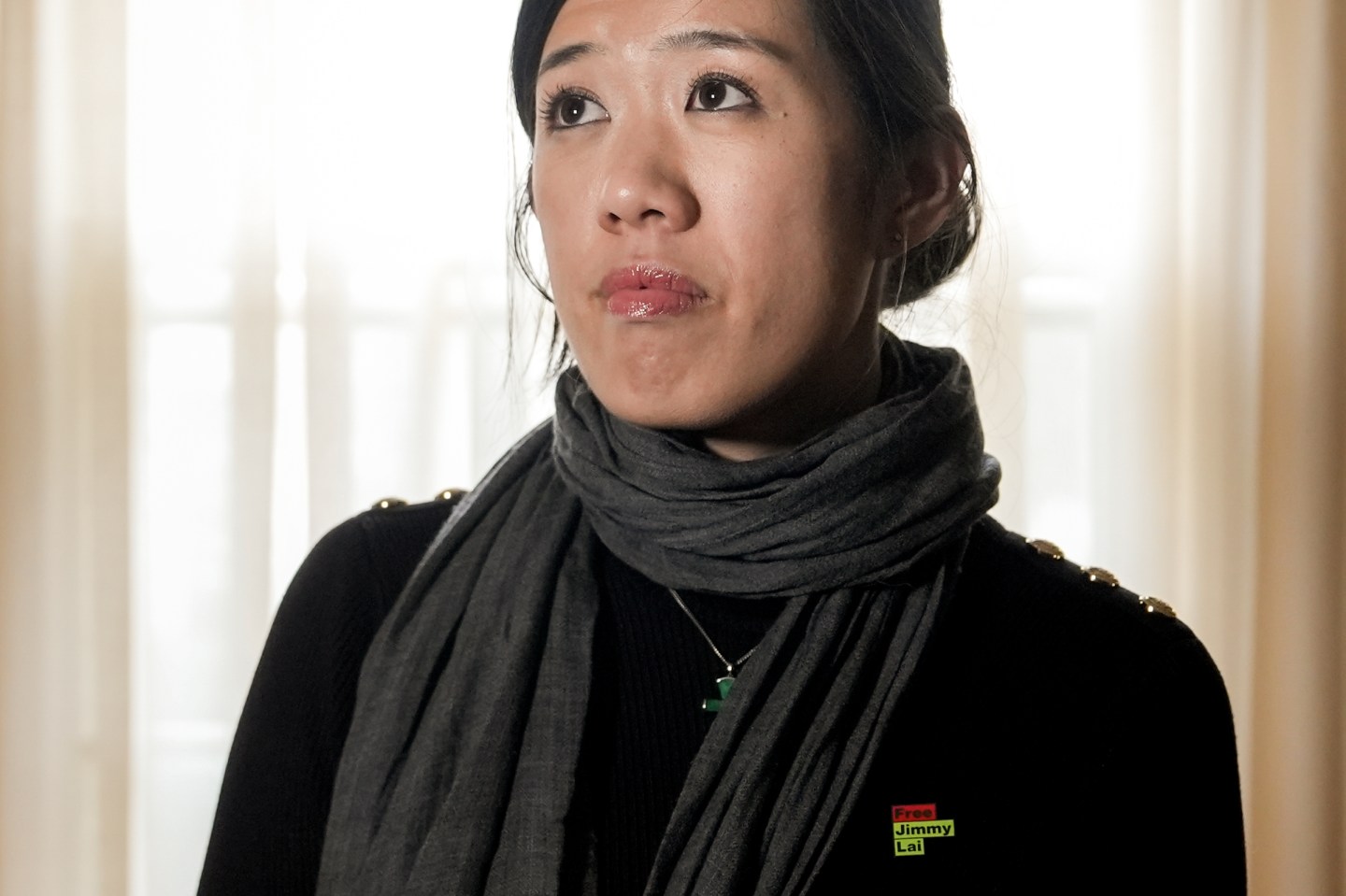
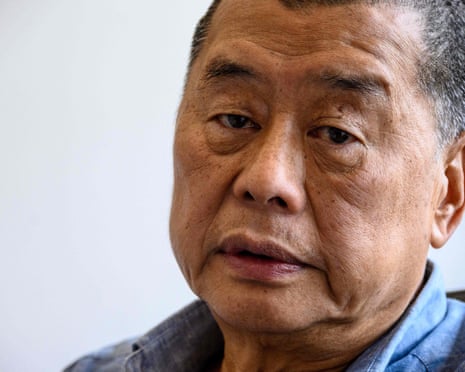
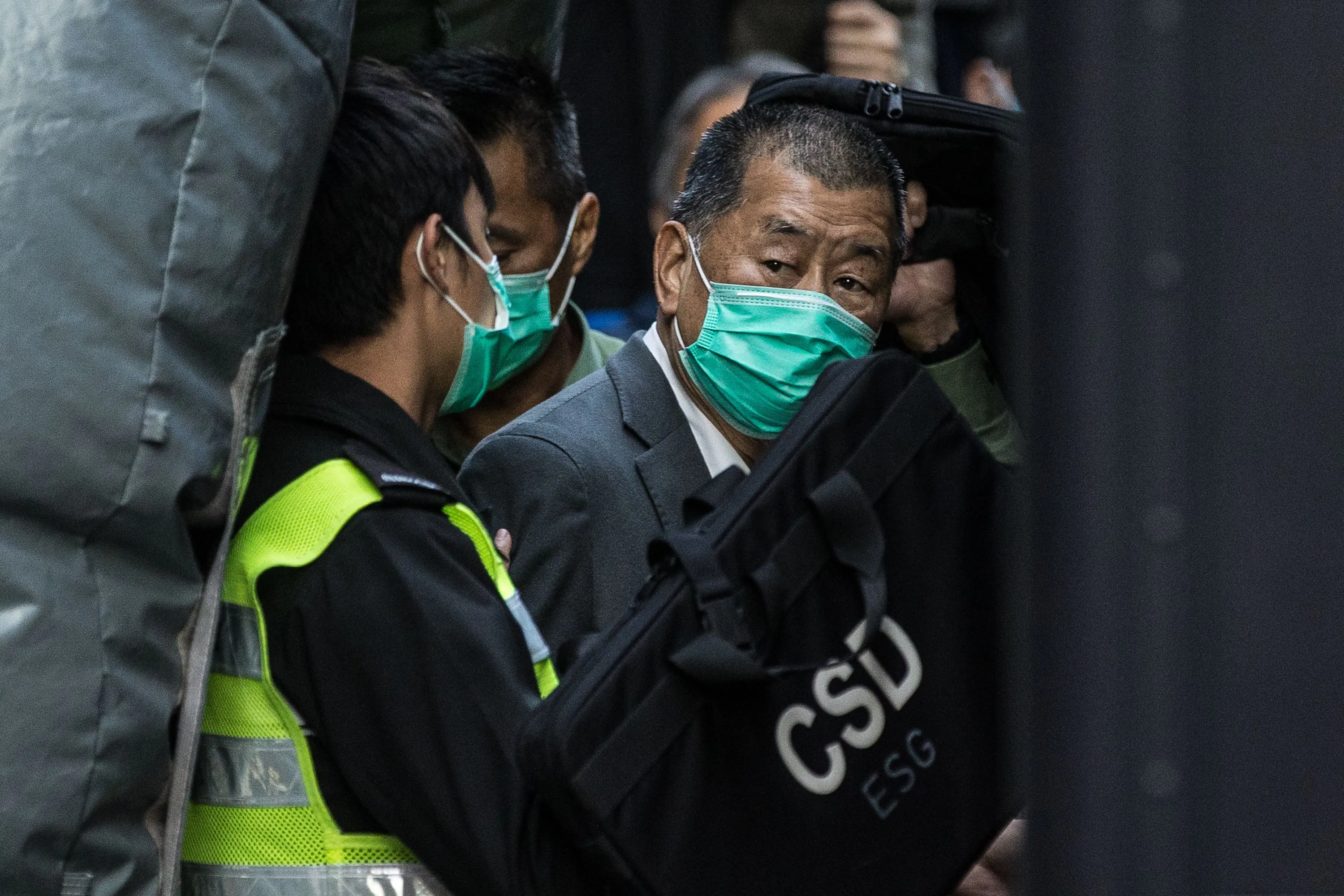
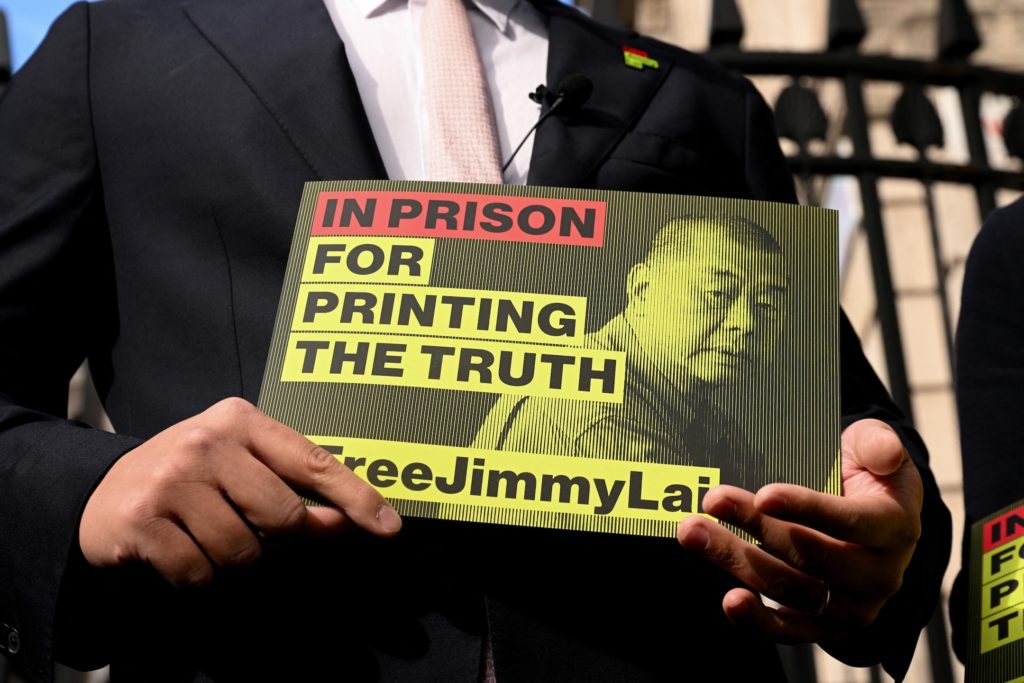
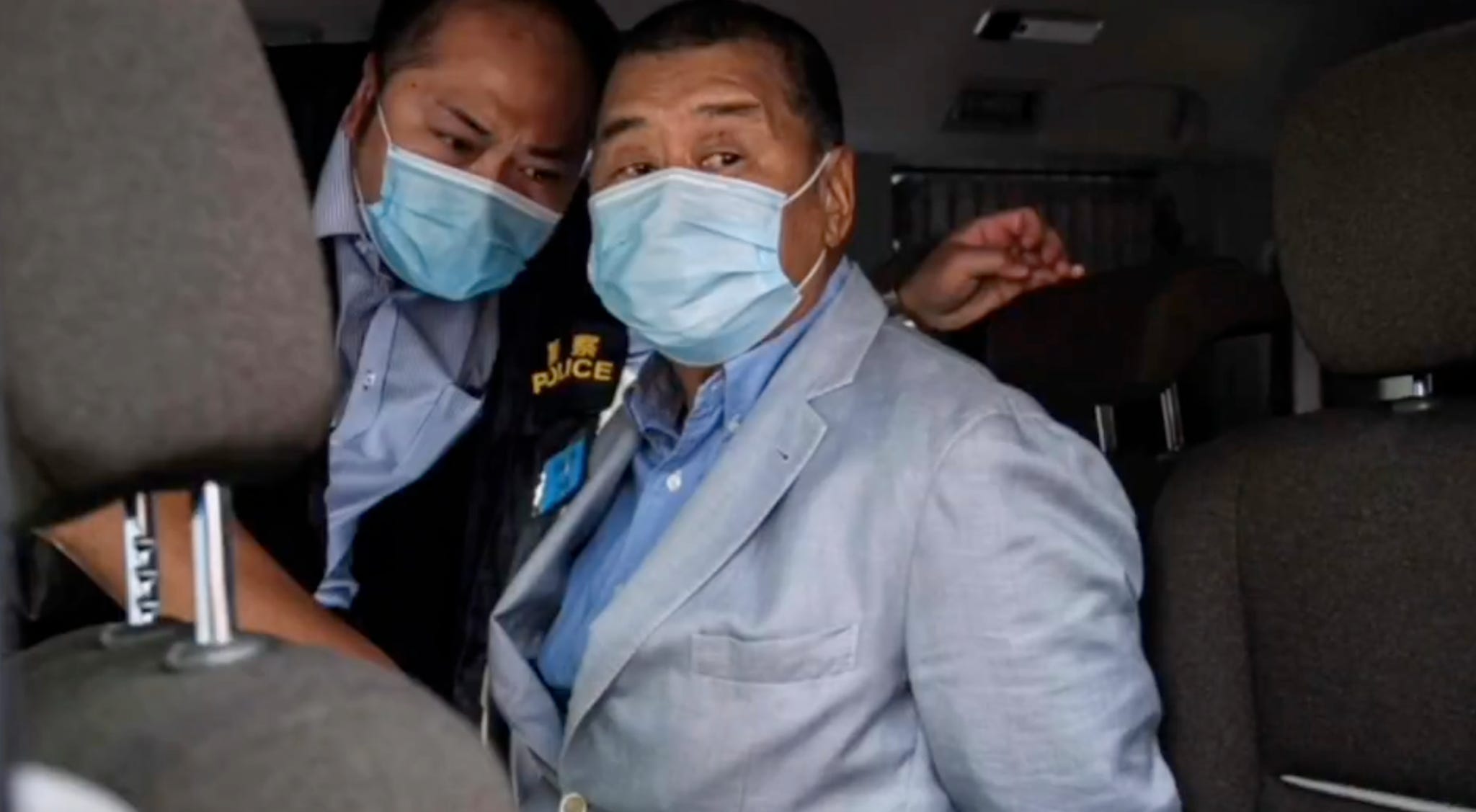
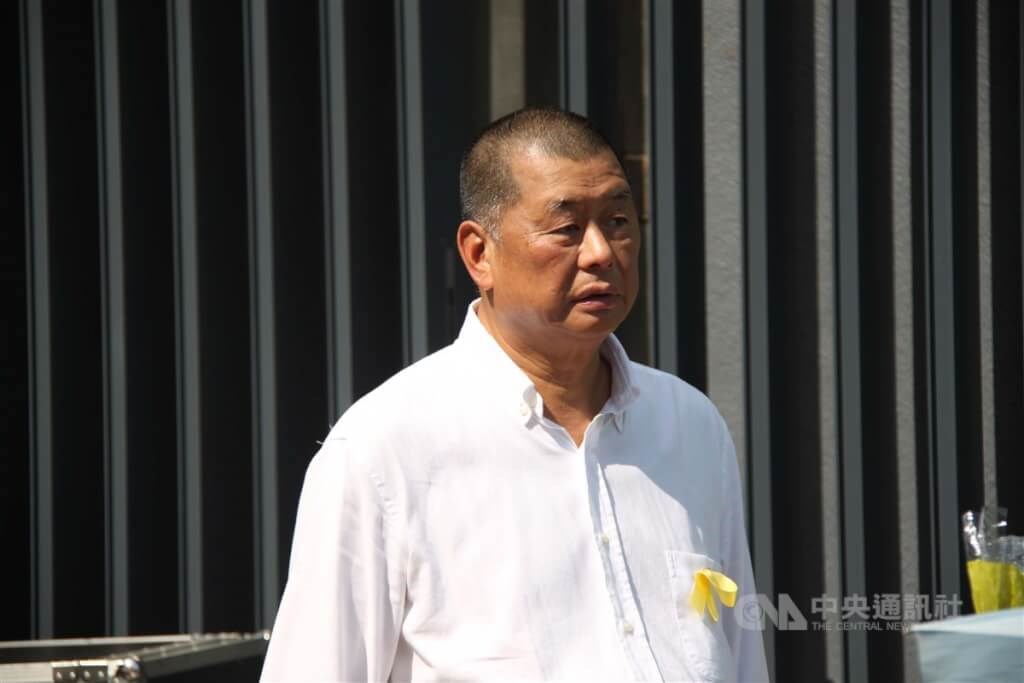
The Jimmy Lai case represents a critical inflection point in the ongoing geopolitical struggle between China and Western democracies, revealing the deep-seated tensions surrounding human rights and political freedoms in Hong Kong. At 78 years old, Lai—a prominent pro-democracy activist and media tycoon—has become a symbolic battleground for international diplomatic confrontation, with potential life imprisonment hanging in the balance.
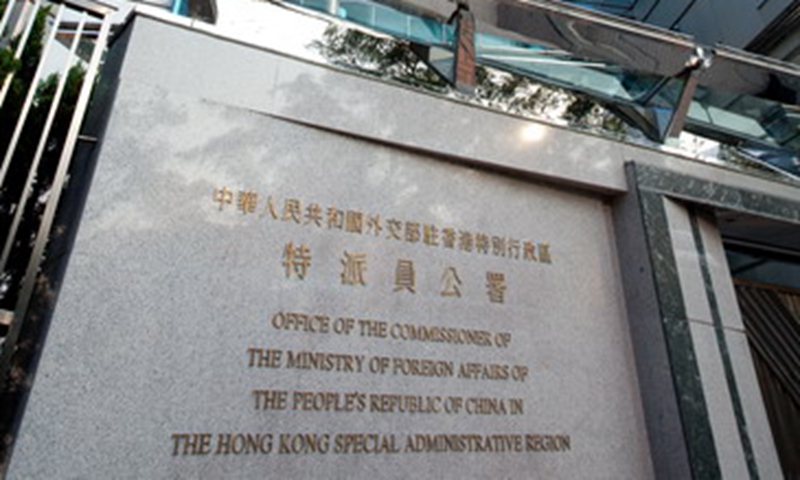
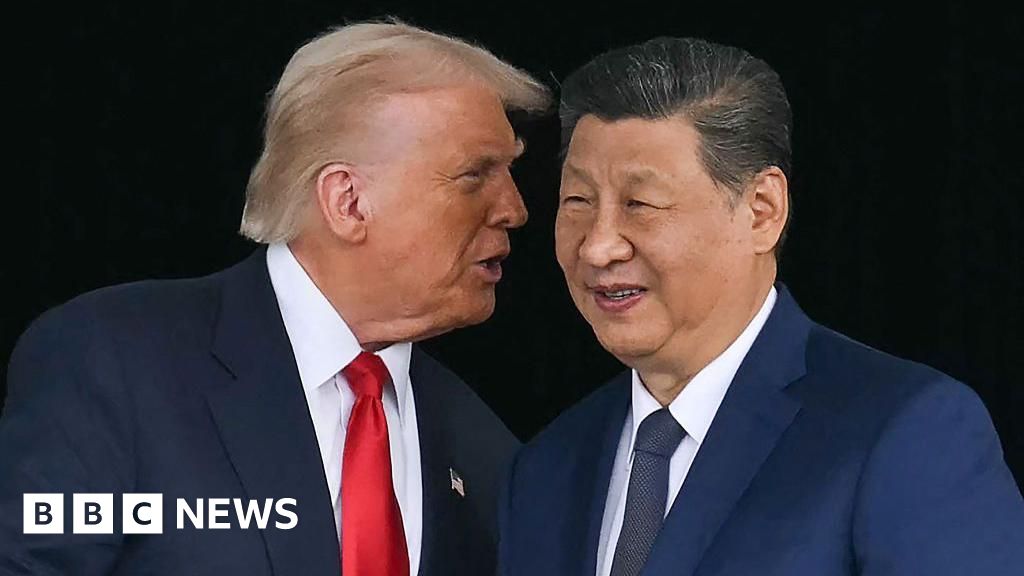
Diplomatic Pressure Dynamics are starkly illustrated by the international response. US President Donald Trump and UK Foreign Secretary Yvette Cooper's vocal calls for Lai's release signal a coordinated diplomatic pushback against China's judicial approach. The Hong Kong national security law emerges as a powerful instrument of political control, effectively criminalizing dissent under the guise of maintaining stability. Lai's conviction for "colluding with foreign forces" and "publishing seditious material" represents a calculated strategy to suppress independent media and pro-democracy voices.
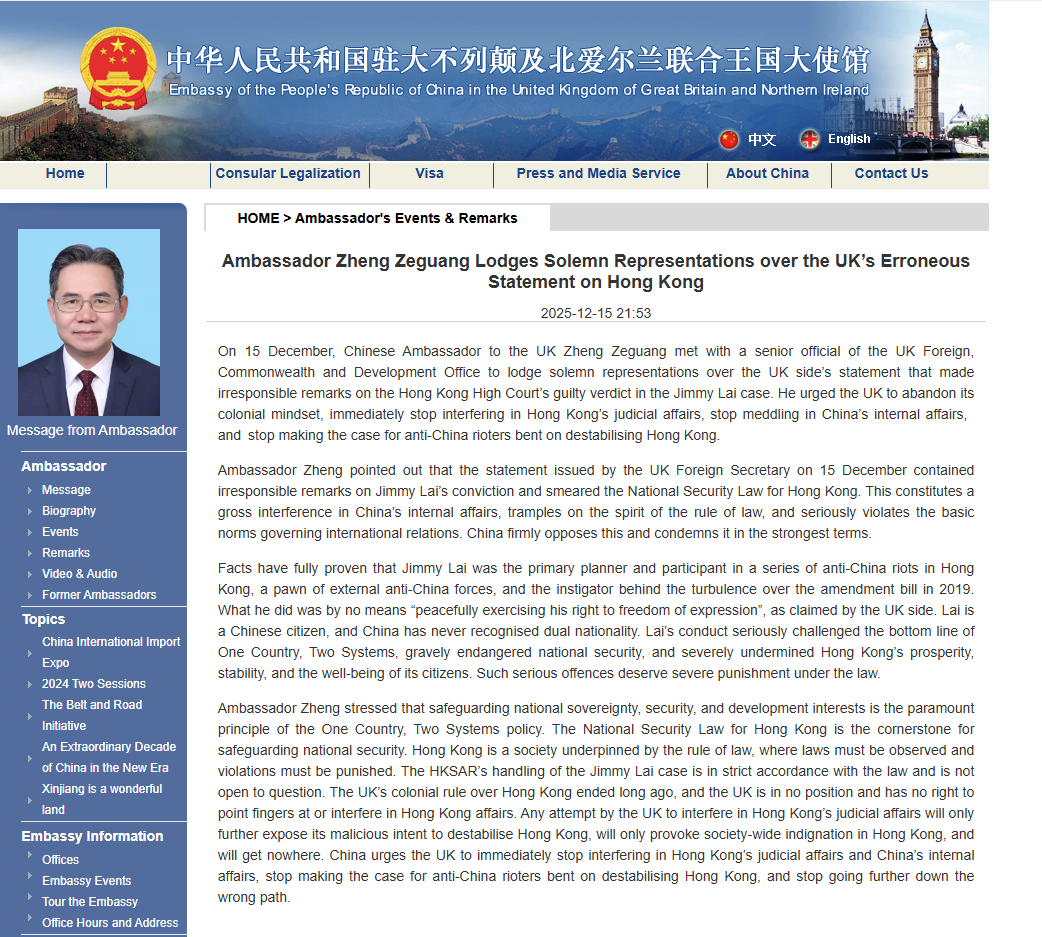
The broader implications extend far beyond an individual case. This judicial action demonstrates China's increasingly assertive stance in managing Hong Kong's political landscape, effectively dismantling the "one country, two systems" framework. The Chinese government's dismissal of international criticisms reveals a calculated approach to consolidating political control, viewing external diplomatic pressure as inconsequential to its domestic agenda. For international observers, Lai's case serves as a critical indicator of the shrinking space for political dissent and media independence in Hong Kong.
The strategic significance lies in the geopolitical signaling: Western nations are increasingly using high-profile cases like Lai's to challenge China's human rights record, while China remains resolute in its interpretation of national sovereignty. This confrontation highlights a fundamental clash of values—between individual political freedoms and state-controlled political narratives—with profound implications for global diplomatic relations.
Questions 3
What are the key implications of Jimmy Lai's conviction for Hong Kong's political landscape?
Lai's conviction represents a significant erosion of press freedom and political dissent in Hong Kong. It signals the Chinese government's intent to use the national security law as a tool for suppressing pro-democracy voices, effectively narrowing the space for independent media and political activism.
How are Western nations responding to China's actions in Hong Kong?
Western nations are employing diplomatic pressure and public condemnation, with leaders like Trump and UK officials vocally challenging China's judicial approach. However, these efforts have had limited practical impact, as China continues to defend its actions as essential for national stability.