


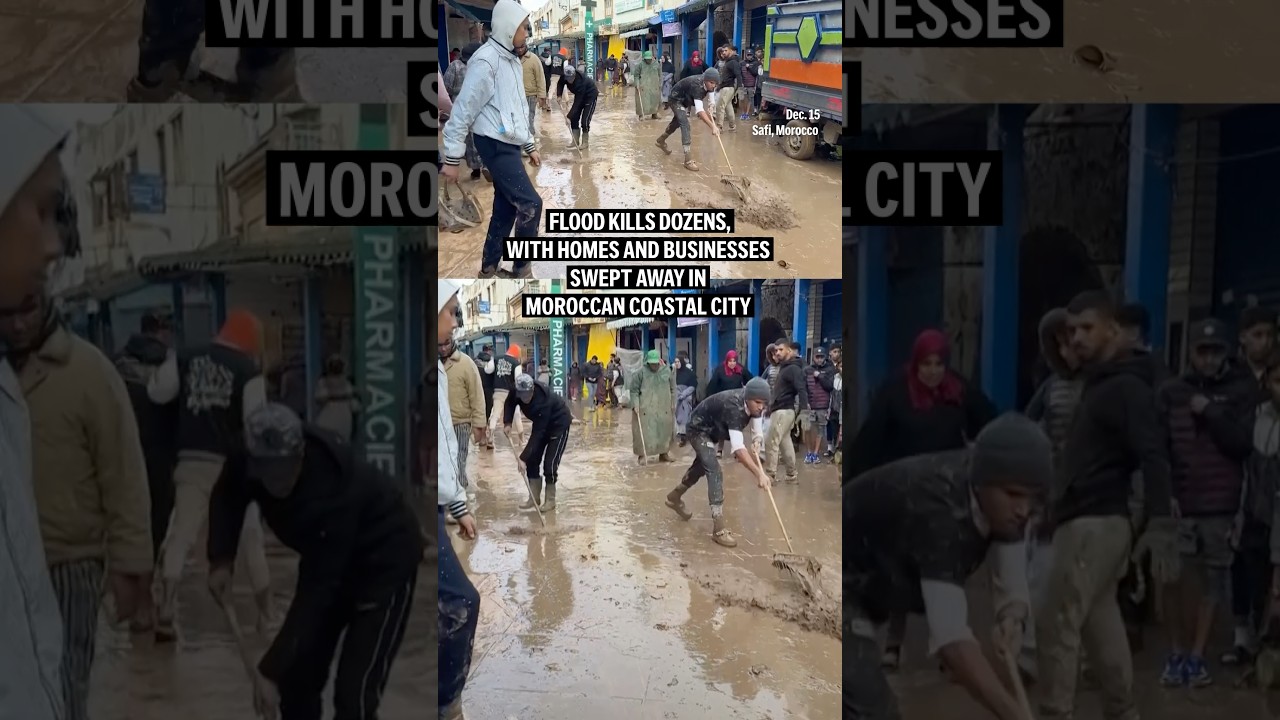

Climate Chaos Strikes Safi: When Extreme Weather Overwhelms Urban Resilience
- Devastating Flash Floods Expose Critical Infrastructure Vulnerabilities in Coastal Moroccan Communities











Overview
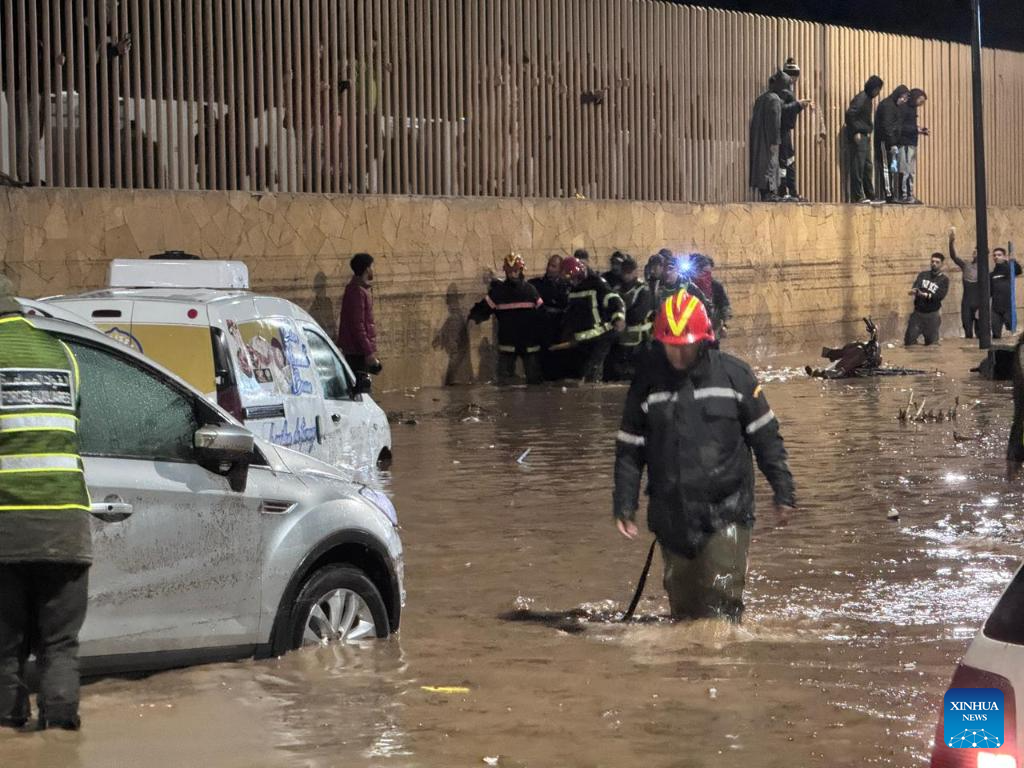
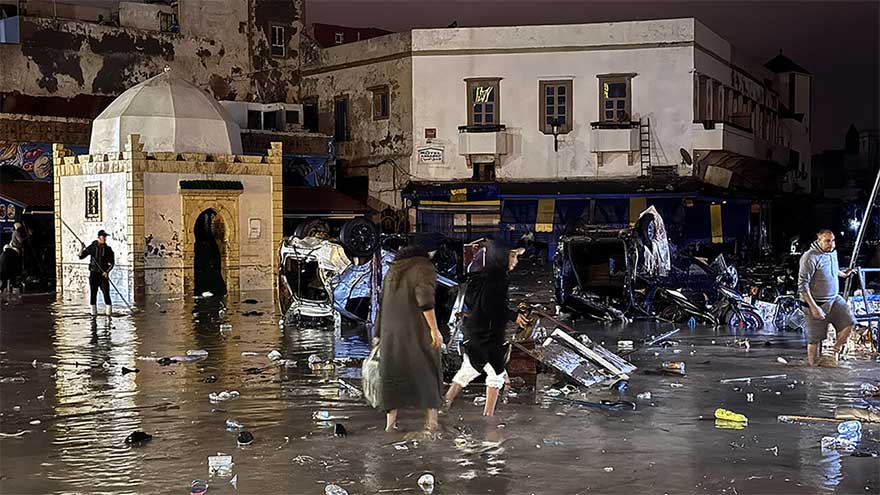
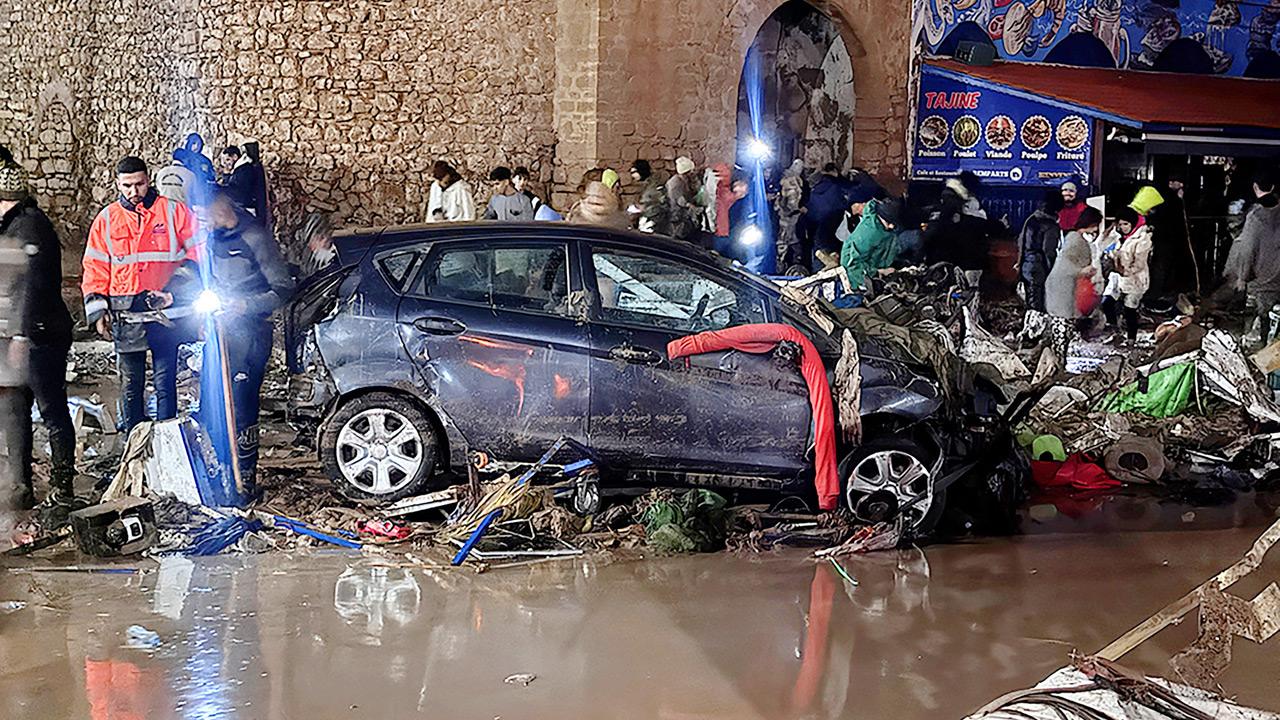
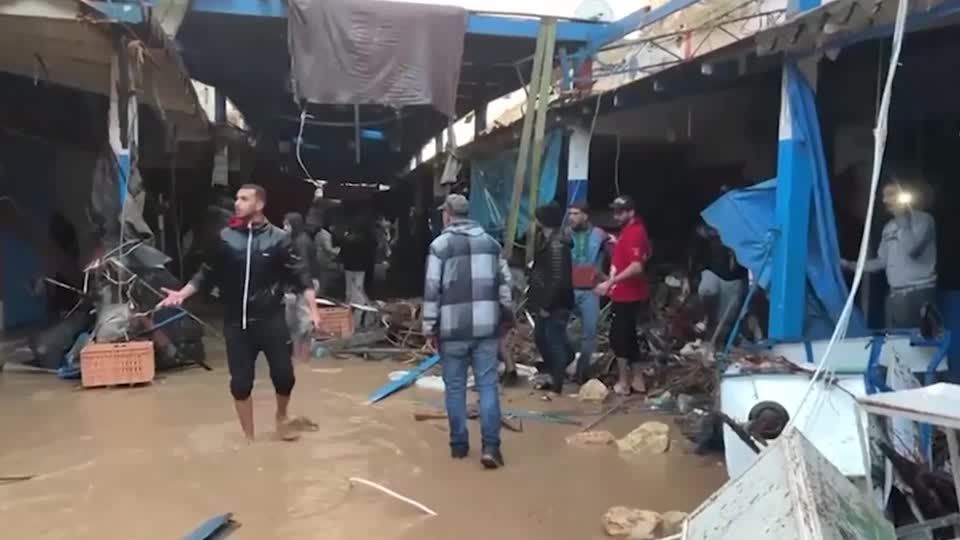
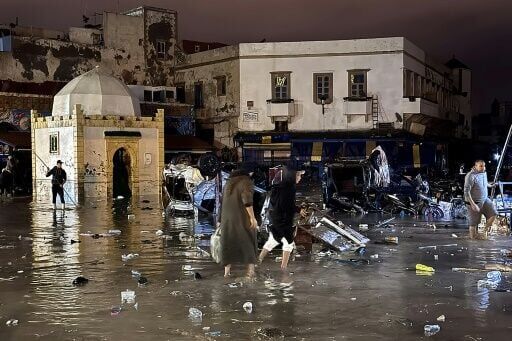
In a stark demonstration of climate vulnerability, the Moroccan coastal city of Safi has become a critical case study of how extreme weather events can instantaneously transform urban landscapes from celebration to catastrophe. On a single devastating Sunday, torrential rainfall unleashed flash floods that killed at least 37 people, sweeping away homes, businesses, and fundamentally challenging the region's environmental adaptability.
Climate unpredictability emerges as the central narrative, with Morocco experiencing its seventh consecutive year of severe drought suddenly punctuated by catastrophic flooding. Within just one to two hours, approximately 37 millimeters of rain transformed Safi's narrow streets into destructive waterways, overwhelming urban infrastructure and exposing systemic vulnerabilities. The rapid transition from a joyous surf competition with 15,000 attendees to a humanitarian crisis underscores the volatile nature of current environmental conditions.
The disaster reveals multiple critical insights. First, urban resilience is increasingly tested by climate volatility, with hardened soil surfaces from prolonged drought actually increasing flood susceptibility. Second, traditional infrastructure planning fails to account for the intensity of emerging weather patterns. The historic Bab Chabaa district, crossed by a river, became particularly vulnerable, highlighting how geographical layouts can exponentially amplify environmental risks.
Local economic impacts are profound. Safi's renowned arts and crafts sector, particularly its terracotta pottery industry, suffered substantial losses. Schools were closed, municipal resources were stretched, and the human toll extended beyond immediate fatalities—with 14 individuals requiring medical treatment and two remaining in intensive care. The Moroccan prosecutors' office has already initiated an investigation, signaling the severity and potential systemic failures underlying this disaster.
Climate experts emphasize that these are not isolated incidents but part of a broader pattern. The atmosphere is holding more moisture, storm systems are intensifying, and coastal communities are becoming increasingly precarious. For urban planners, policymakers, and community leaders, this event is a critical wake-up call: traditional resilience models are inadequate in the face of accelerating climate volatility.
Questions 3
What made the Safi floods so destructive?
The floods were particularly devastating due to a combination of factors: seven years of drought had hardened soil surfaces, making them less absorbent; Safi's narrow urban layout concentrated water flow; and approximately 37 millimeters of rain fell in just a few hours, overwhelming existing infrastructure.
How do these floods relate to broader climate change trends?
The Safi floods represent a classic example of climate change's increasing unpredictability—transitioning from prolonged drought to sudden, intense rainfall. Climate experts suggest that warming atmospheres are holding more moisture, leading to more extreme and less predictable weather patterns in coastal regions.