


The Great American Energy Cost Crisis Unfolds
- Utility Price Surge Reshapes Household Economics and Energy Policy Landscape








Overview
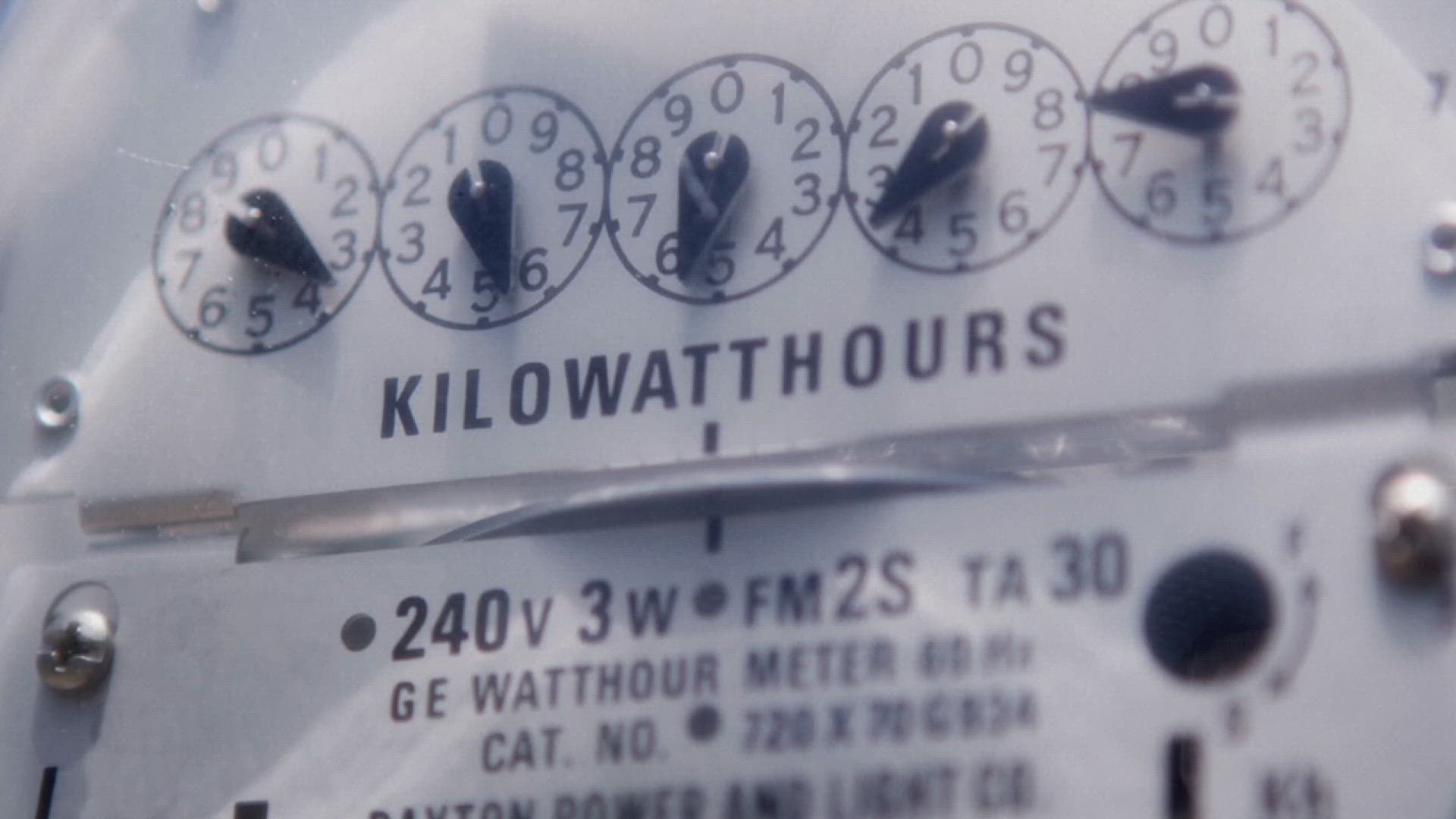
The United States is experiencing an unprecedented energy affordability crisis that threatens to fundamentally restructure household economics and energy policy. With utility bills surging by an average of 19.6% between 2024 and 2025, Americans are confronting a perfect storm of technological disruption, infrastructure challenges, and policy tensions.
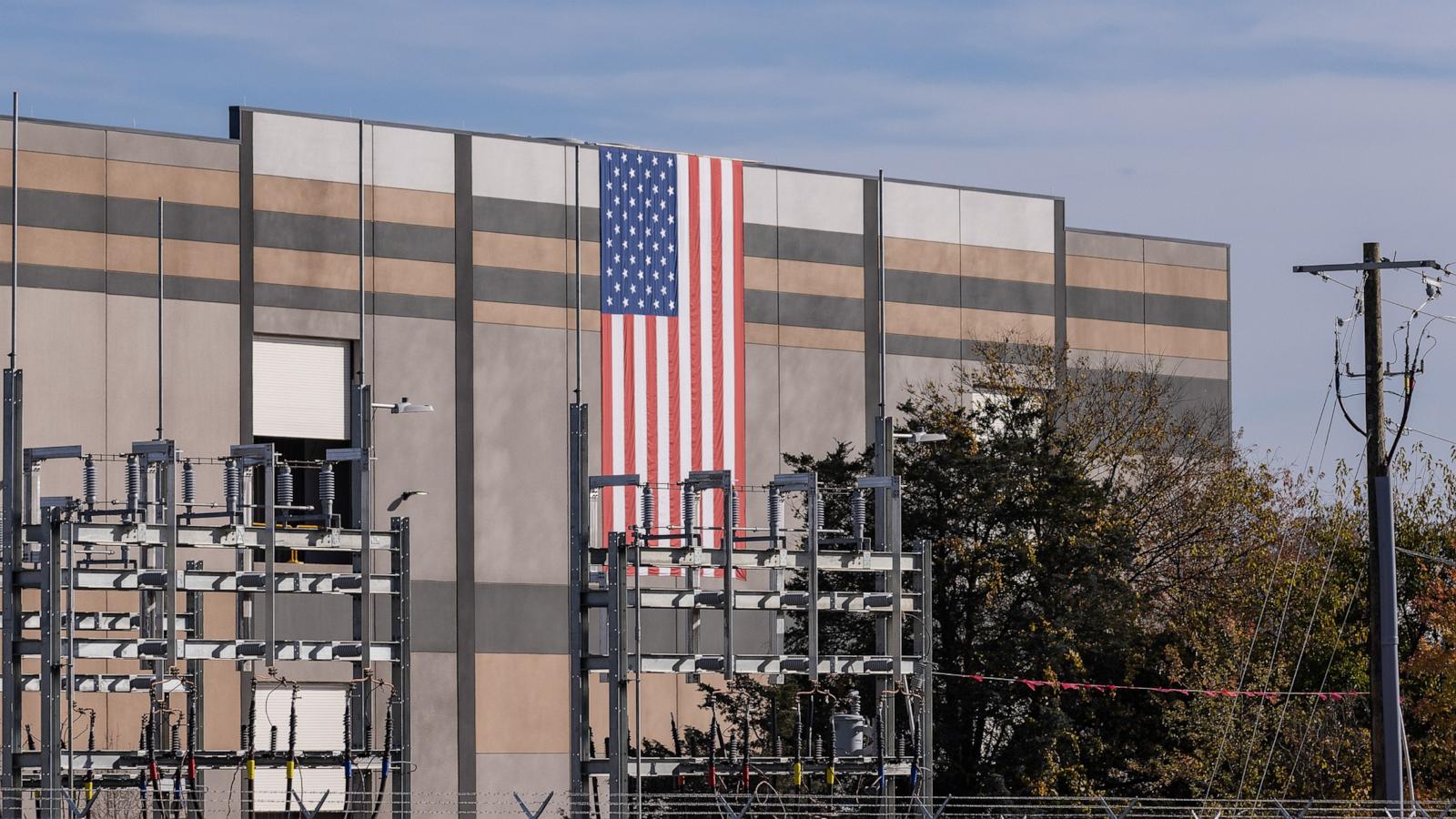
Technological drivers are playing a critical role in this transformation. Artificial intelligence and expanding data centers are creating unprecedented electricity demand, with Bitcoin mining and electric vehicle technologies further straining the grid. The Center for American Progress reveals that 222 electric and natural gas utilities are implementing rate hikes, impacting over 108 million electricity customers across 49 states.
The economic implications are profound. Utility debt has become a mounting challenge, with Texas leading the nation in overdue balances—943,501 households struggling to keep up with escalating energy costs. The Trump administration's energy policies, which prioritized fossil fuels over renewable alternatives, have arguably exacerbated the situation. By terminating programs like Solar for All and supporting increased petroleum drilling, the administration may have constrained clean energy development, with approximately 165,000 clean energy jobs lost or stalled.
Renewable energy emerges as a potential lifeline. Companies like Palmetto and EnergySage are promoting solar leasing and energy-efficient technologies as strategies for consumers to mitigate rising costs. The transition represents more than an economic choice—it's becoming a survival strategy for households facing potentially dangerous utility shutoffs, especially during critical winter months.
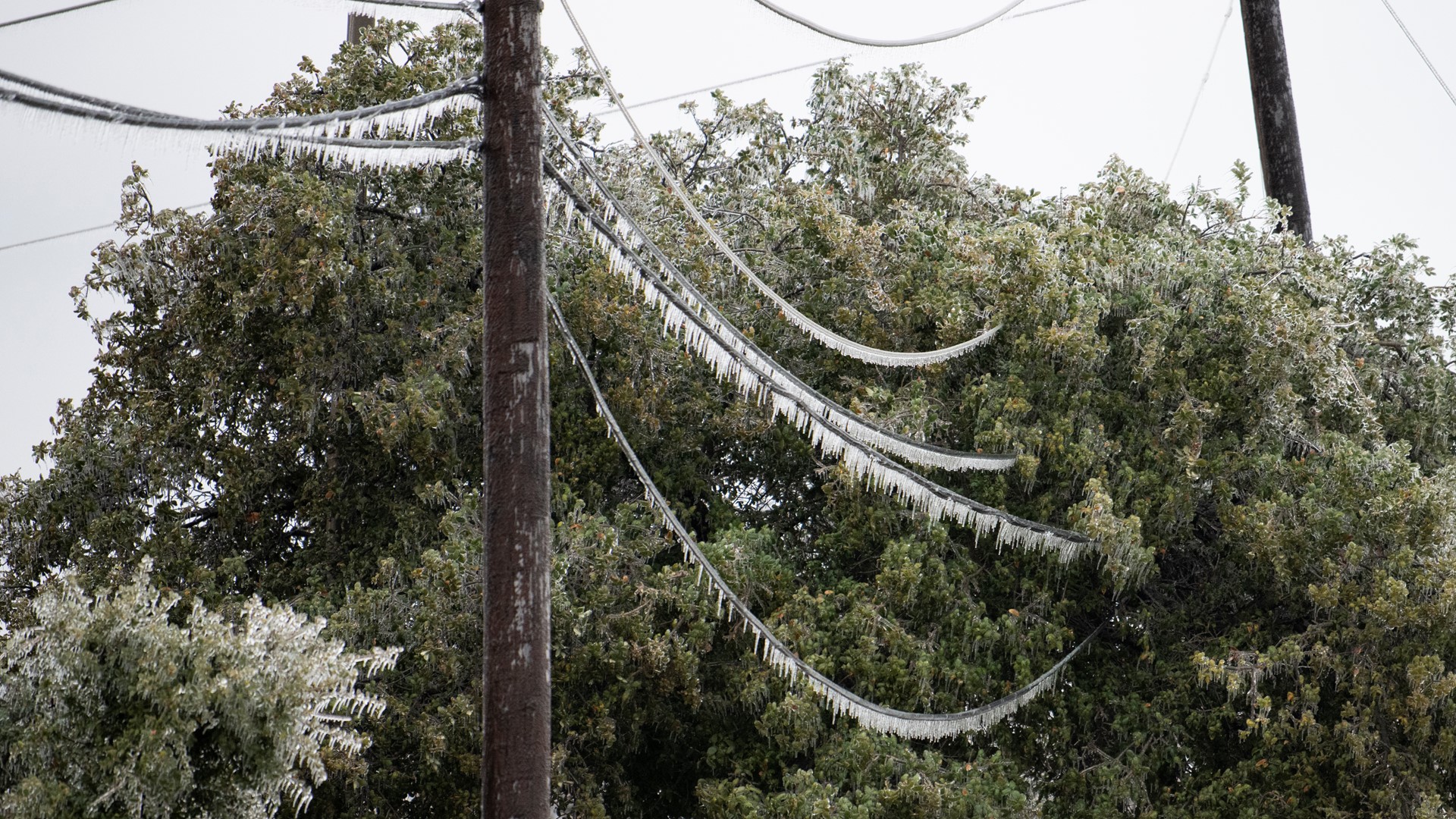
The broader context suggests a systemic energy market transformation. Grid modernization, climate change-induced infrastructure challenges, and the exponential growth of technology-driven electricity consumption are converging to create a complex, volatile energy landscape. For consumers, businesses, and policymakers alike, the message is clear: the traditional energy paradigm is rapidly dissolving, demanding innovative approaches to generation, distribution, and consumption.
Questions 3
How are households being impacted by these energy price increases?
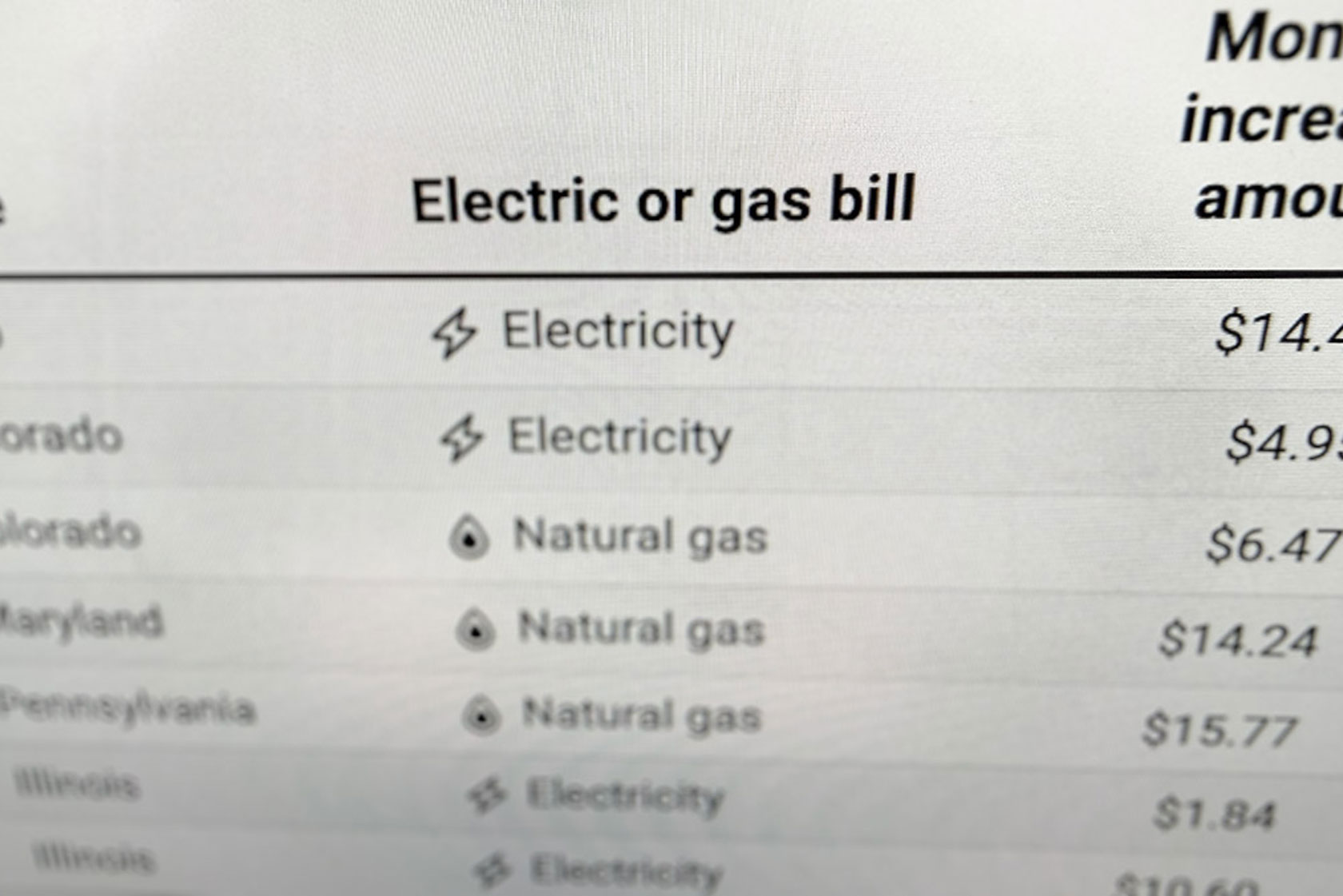
Families are experiencing significant financial strain, with utility bills increasing by 12-19.6% and past-due balances rising. Some states like Arkansas and Missouri could see monthly increases exceeding $30, pushing many households toward potential utility shutoffs.
What strategies can consumers use to manage rising energy costs?
Consumers can explore renewable energy alternatives like solar leasing, invest in energy-efficient appliances such as heat pumps, and work with companies like Palmetto and EnergySage to reduce their overall energy expenditure and environmental impact.