



Labor Compliance Landmine: UPS Wage Theft Lawsuit Exposes Systemic Risks in Logistics Workforce Management
- Regulatory crackdown signals heightened scrutiny of temporary worker compensation practices

























!role~Preview!mt~photo!fmt~JPEG%20Baseline)

Overview
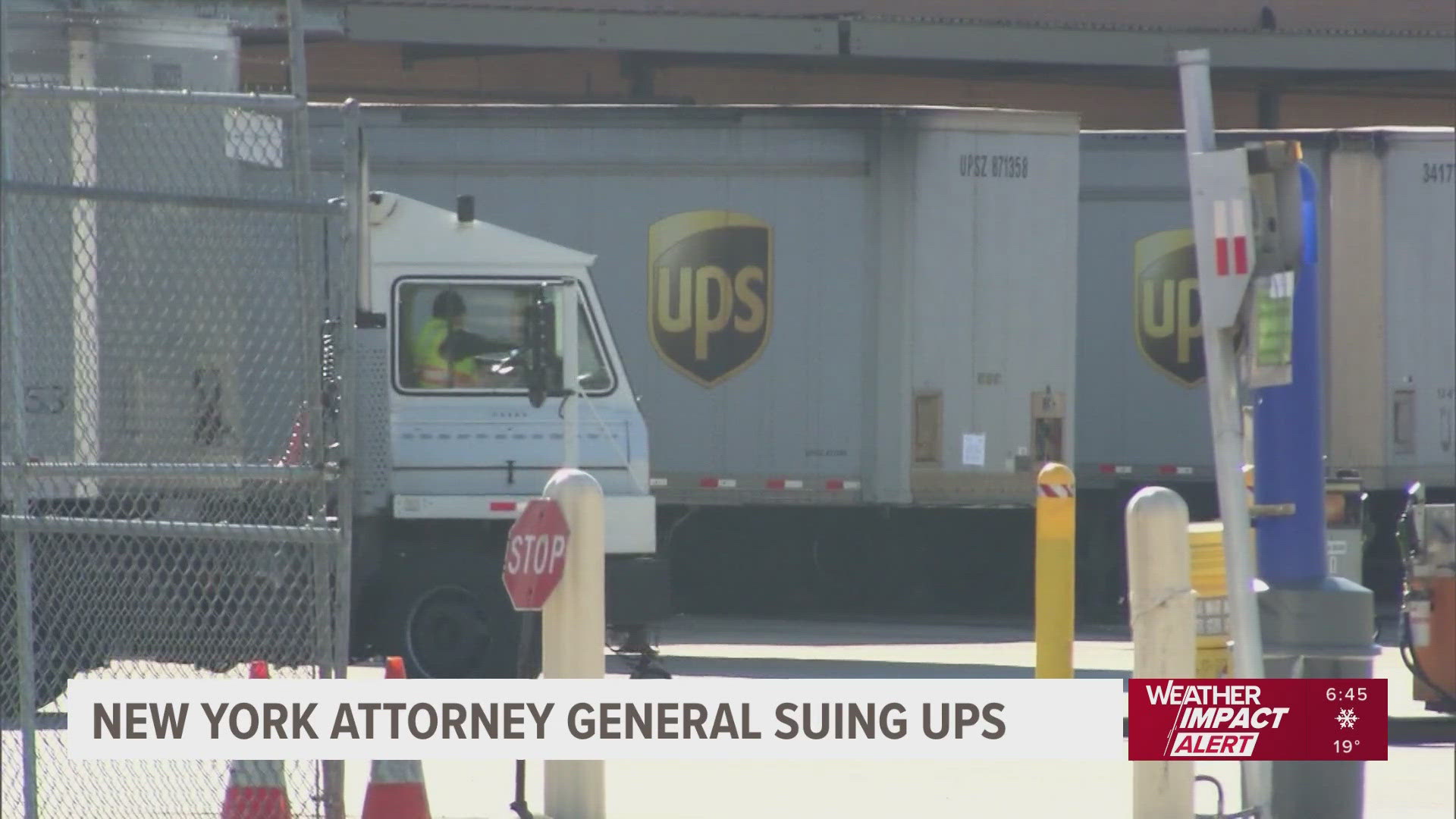
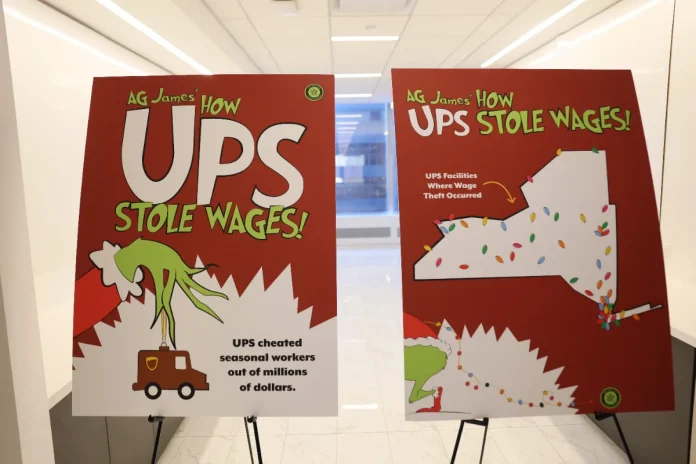
The UPS wage theft lawsuit represents a critical inflection point in labor compliance for logistics and e-commerce support sectors, revealing deep-seated vulnerabilities in workforce management strategies. The New York Attorney General's action against UPS exposes a systematic pattern of labor regulation violations that extends far beyond a single company's practices.
Regulatory Compliance as a Strategic Imperative: The lawsuit highlights how temporary workforce management has become a high-stakes compliance battleground. By allegedly forcing seasonal workers to perform off-the-clock labor during peak holiday periods, UPS has triggered a legal challenge that could reshape labor practices across the logistics industry. The case underscores a fundamental risk: treating temporary workers as expendable resources can result in substantial financial and reputational penalties.
Compliance Cost Calculation: The lawsuit's implications extend well beyond UPS. Cross-border e-commerce sellers and logistics providers must now recalibrate their workforce strategies, recognizing that labor compliance is no longer a peripheral concern but a core operational requirement. The potential financial exposure is significant—with allegations of millions of dollars in unpaid wages, companies are facing not just legal penalties but fundamental restructuring of their seasonal workforce models.
Strategic Workforce Transformation: This legal action signals a broader shift in governmental approach to labor oversight. Logistics companies can no longer rely on the vulnerability of seasonal workers to suppress compensation. The lawsuit suggests a new regulatory environment where transparent wage practices are not optional but mandatory. For industry players, this means investing in robust compliance infrastructure, implementing rigorous time-tracking mechanisms, and fundamentally reimagining temporary worker engagement.
The strategic implications are clear: companies must proactively develop compliance frameworks that protect worker rights while maintaining operational flexibility. Those who fail to adapt will face increasingly severe regulatory consequences, potentially disrupting their entire business model.
Questions 3
What specific labor violations is UPS accused of in the lawsuit?
UPS is alleged to have systematically forced seasonal workers to perform work-related tasks without compensation, effectively requiring employees to work 'off the clock' during peak holiday shipping periods. This practice potentially violates multiple labor regulations by exploiting the vulnerable employment status of temporary workers.
How might this lawsuit impact other logistics and e-commerce companies?
The lawsuit will likely trigger industry-wide compliance reviews, forcing companies to implement more rigorous time-tracking, compensation, and workforce management practices. Organizations will need to proactively audit their seasonal worker engagement to avoid similar legal challenges and potential financial penalties.