



Saudi Pipeline Shutdown Drives Oil to $130/bbl | Shipping Costs Surge for Cross-Border Sellers
- Fuel surcharges increase 15-25% for e-commerce logistics; European buyers shift to US crude; GCC market access uncertain amid Trump policy shift





















Overview
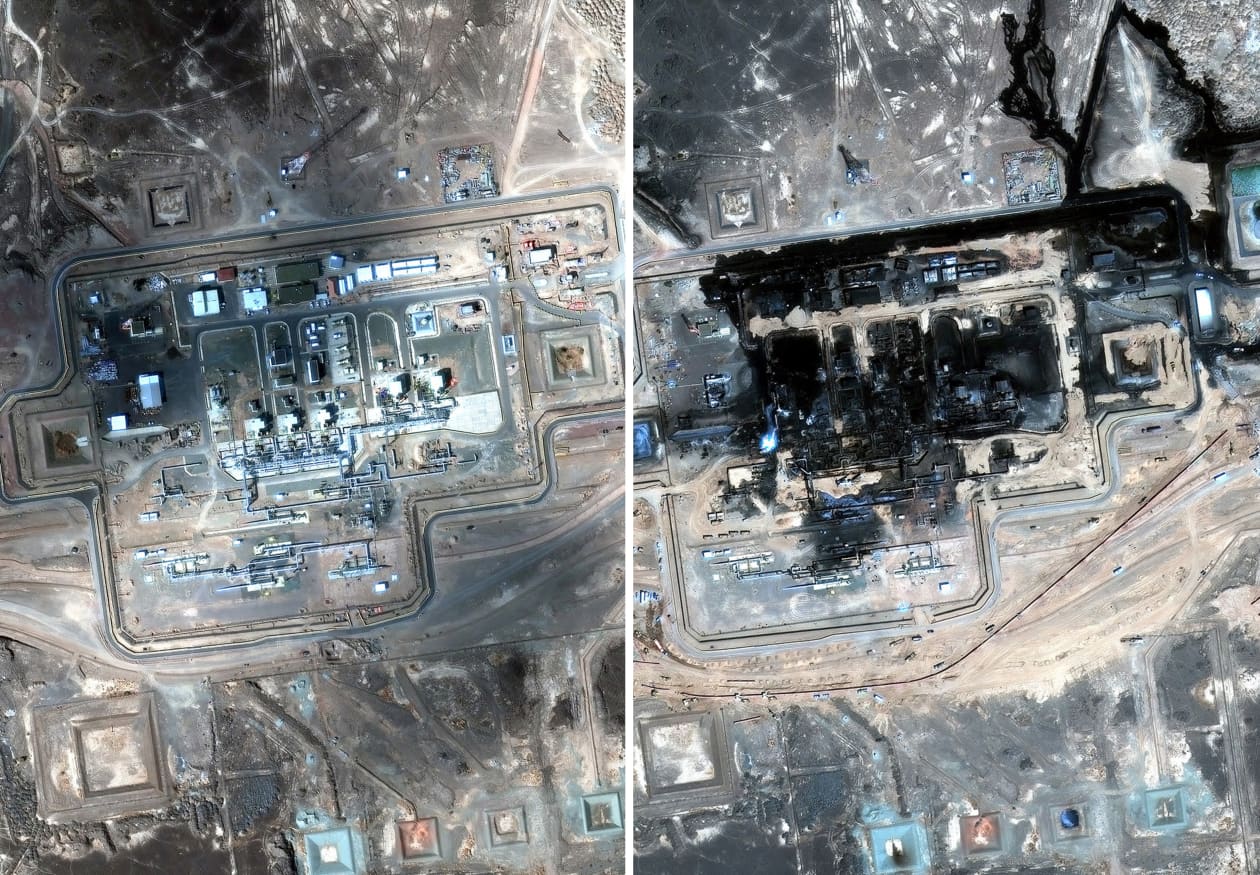
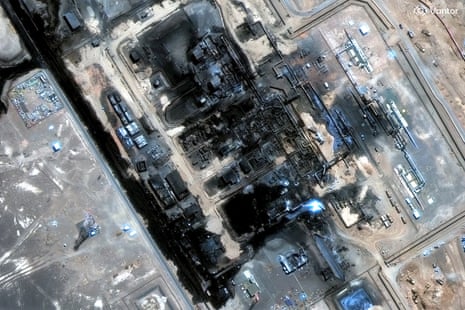
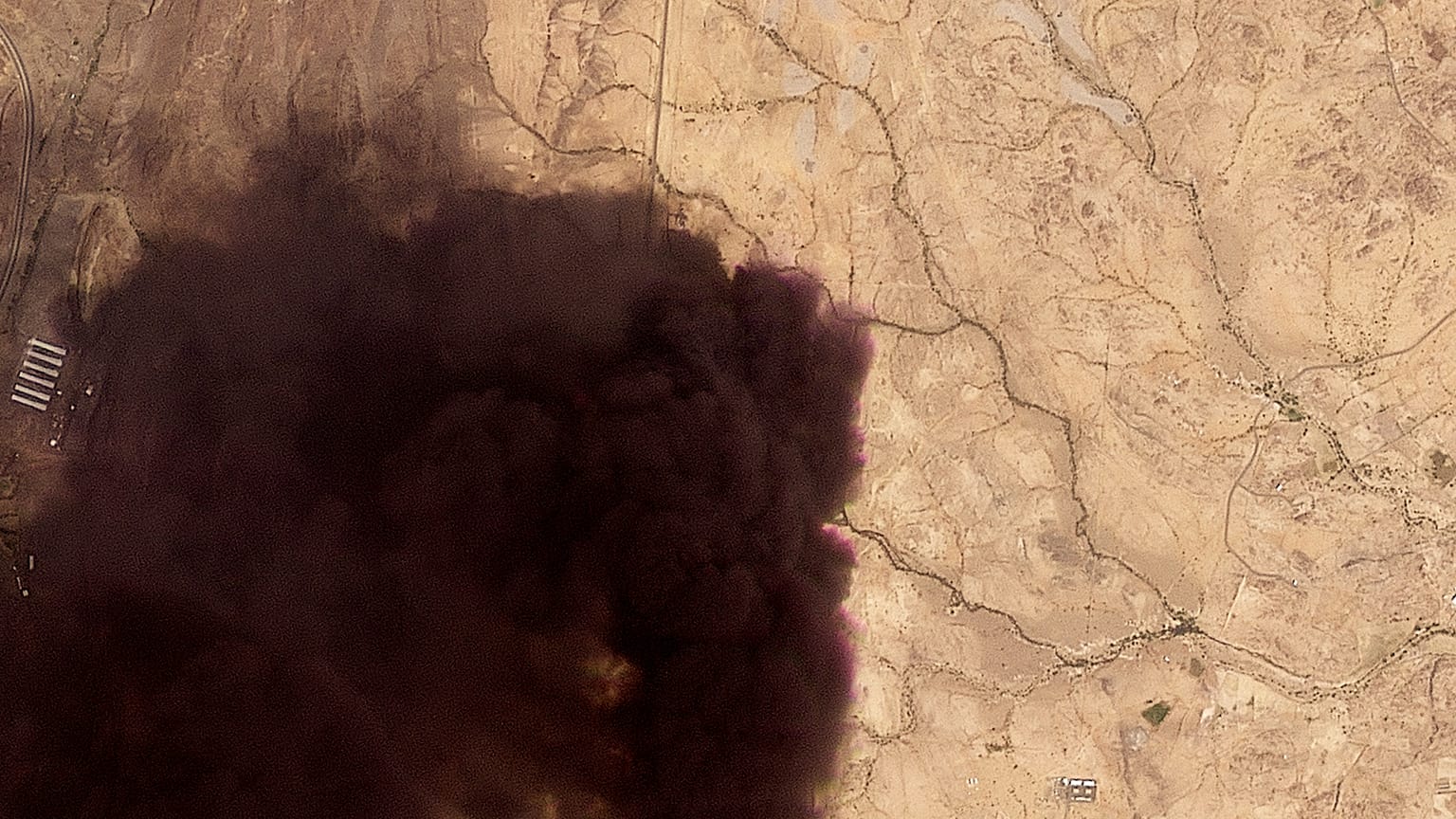
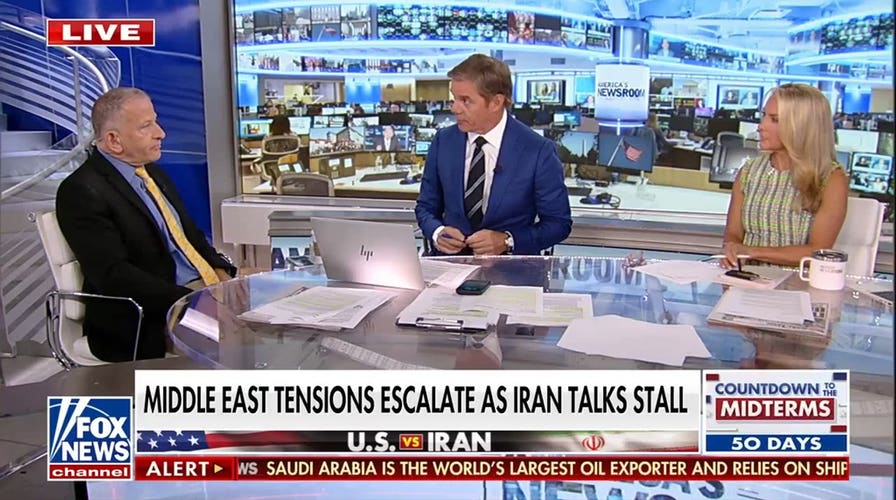
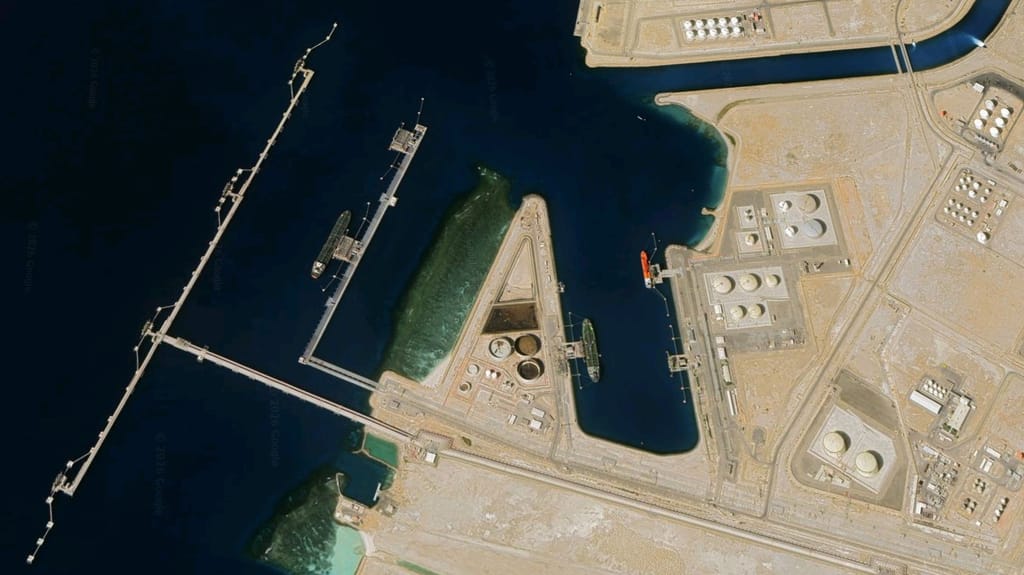
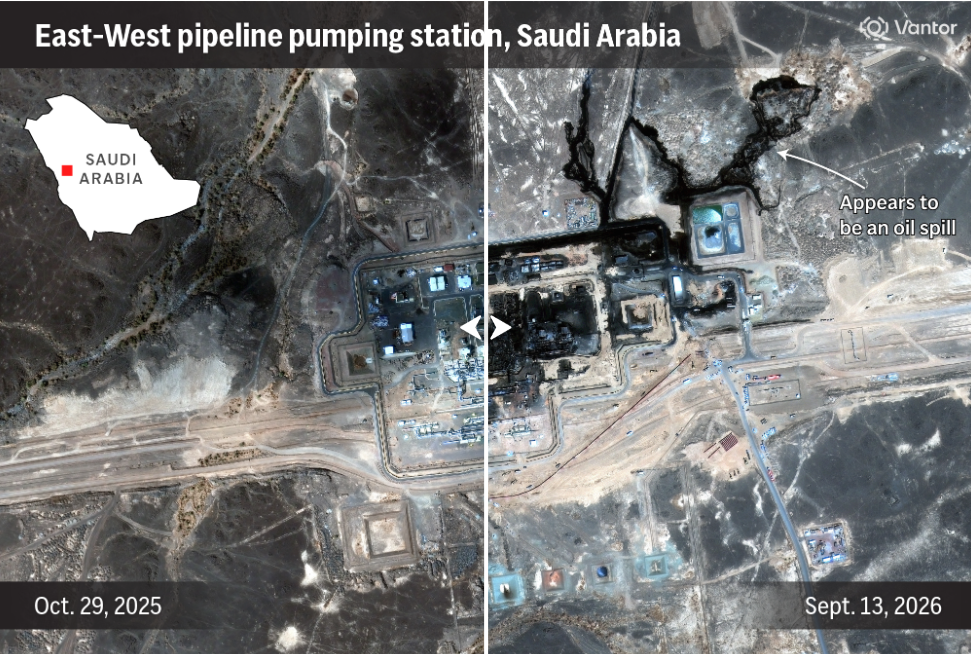
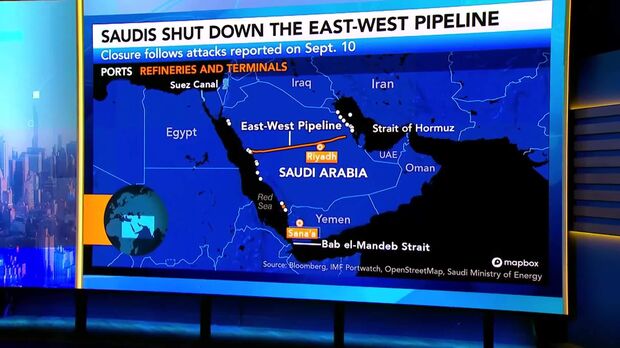
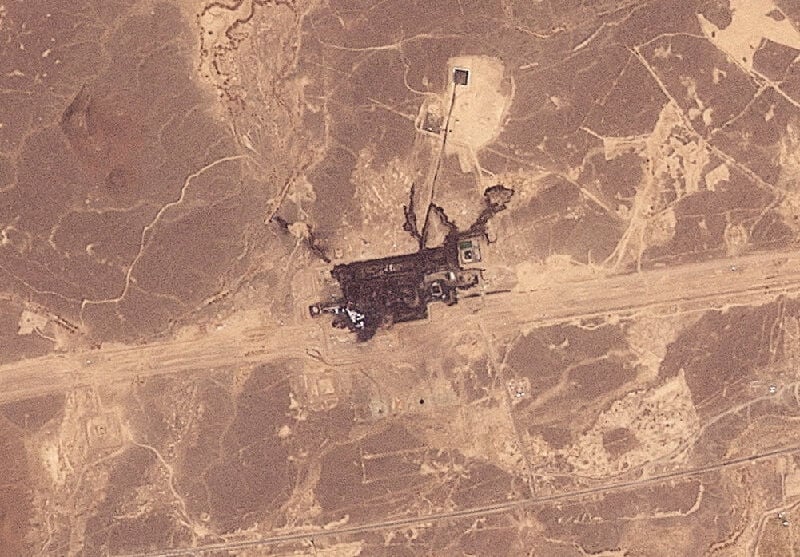
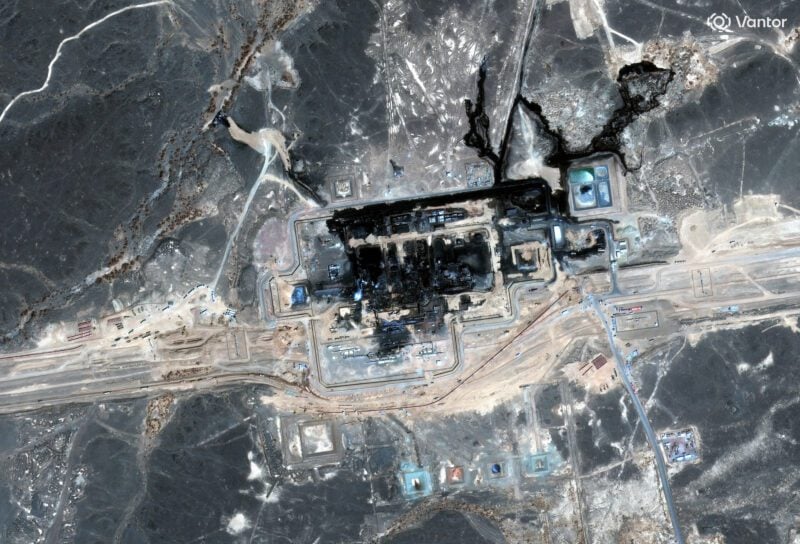
Critical energy infrastructure disruptions in the Middle East are creating immediate cost pressures and market access challenges for cross-border e-commerce sellers globally. Saudi Arabia's East-West Pipeline shutdown following Houthi drone attacks on September 15, 2026, has driven Brent crude to $108.75/barrel (+2.9%) and WTI to $105.83/barrel (+4.38%), with European physical crude reaching $130-136.75/barrel as buyers scramble for alternatives. The 1,200-kilometer pipeline carries approximately 4% of global oil supply, and Goldman Sachs warns repair timelines could extend 8 weeks or longer, with potential for Brent to exceed $120/barrel if Gulf output remains 4 million barrels daily below pre-war levels through 2027. Simultaneously, Libya's National Oil Corporation suspended operations at three oil fields, compounding supply constraints.
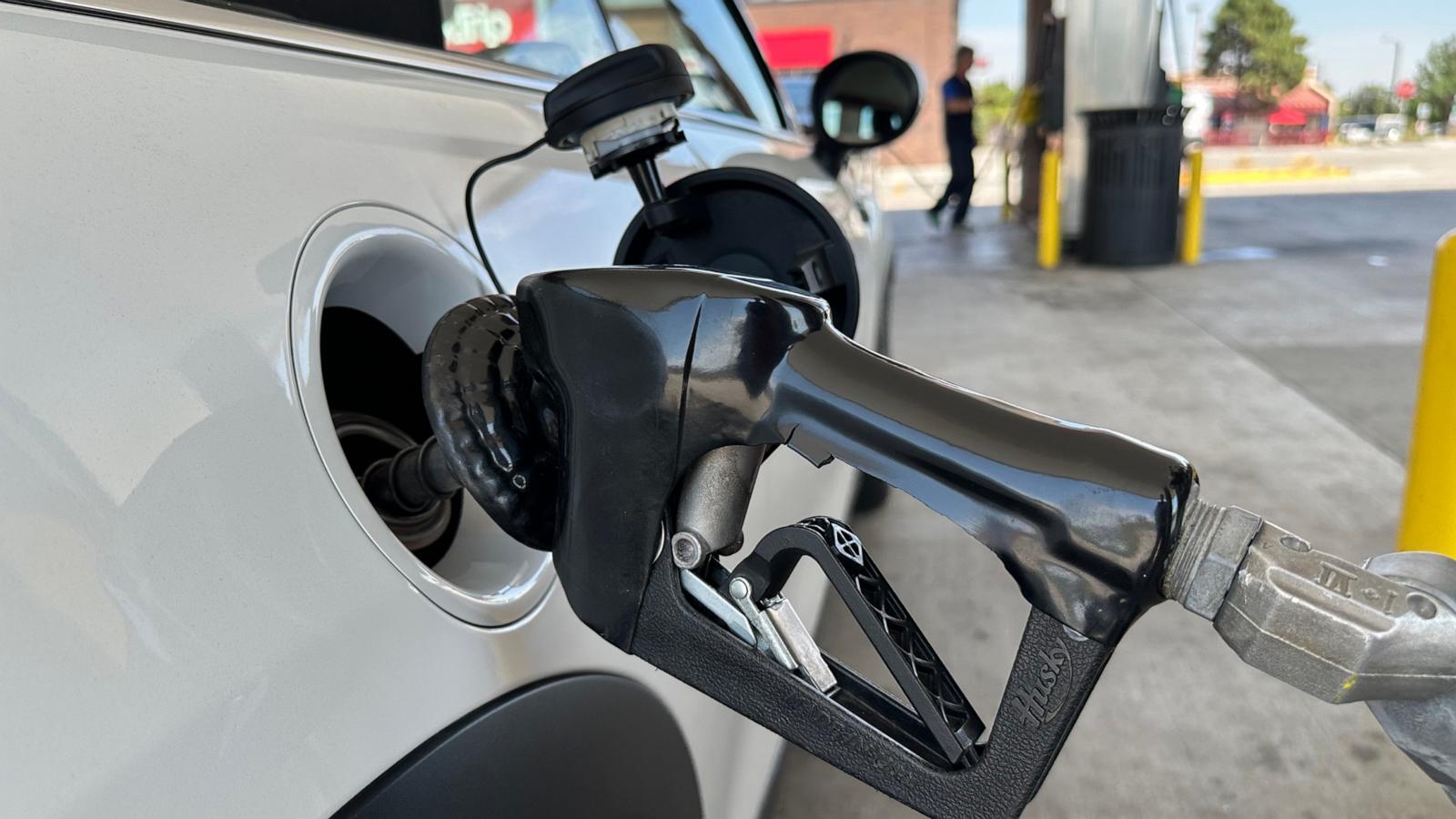
For e-commerce sellers, this translates to immediate operational cost increases. Fuel surcharges on international shipping—typically 2-4% of base rates—are escalating 15-25% as carriers pass through elevated bunker fuel costs. A seller shipping 1,000 units monthly from Asia to Europe via air freight faces additional costs of $400-800 per shipment. Ocean freight from China to Europe, normally $1,200-1,500 per 20ft container, could increase $180-375 per container. Sellers with European customer bases face margin compression of 8-12% unless they adjust pricing or absorb costs. The Strait of Hormuz remains effectively closed due to U.S.-Israeli conflict with Iran, forcing alternative routing that adds 7-14 days to transit times and increases insurance premiums by 10-15%.
Geopolitical realignment creates market access uncertainty for GCC-focused sellers. Saudi Arabia faces what analysts describe as a "worst-case scenario" following Iran's military attacks and perceived insufficient Trump administration support. The Trump administration's apparent policy shift toward the Middle East signals potential changes to long-standing security arrangements, trade agreements, and tariff structures. Sellers with supply chains or customer bases in Saudi Arabia, UAE, or neighboring GCC markets should expect: (1) Port operation disruptions at Jeddah, Dammam, and Yanbu—commodity vessel traffic through Hormuz dropped from 10 daily vessels to 4; (2) Customs clearance delays of 5-10 additional days due to heightened security protocols; (3) Insurance premium increases of 10-20% for shipments to conflict-adjacent regions; (4) Regulatory uncertainty regarding tariffs and market access as geopolitical realignment unfolds. Historical precedent shows Middle Eastern conflicts cause 2-4 week disruptions to port operations and 15-30% increases in logistics costs for affected corridors.
Strategic sourcing opportunities emerge for sellers willing to adapt. European refiners increasingly purchasing WTI futures signal demand for U.S. crude alternatives, creating logistics advantages for sellers with U.S.-based fulfillment networks serving European markets. Sellers can reduce shipping costs 8-12% by leveraging U.S. East Coast ports (Charleston, Savannah) for European distribution versus Asian sourcing routes. Additionally, the 103 commercial vessels redirected by U.S. military in the Strait of Hormuz blockade of Iranian maritime trade indicates potential capacity constraints on traditional Asia-Europe corridors through mid-2027, favoring sellers who diversify to Vietnam, India, or Indonesia sourcing (which bypass Hormuz entirely) or establish regional fulfillment in EU/UK markets.
Questions 7
How much will my shipping costs increase due to the Saudi pipeline shutdown?
Fuel surcharges on international shipping are rising 15-25% as oil prices surge to $130/barrel in Europe and $105+ in the US. For sellers shipping 1,000 units monthly from Asia to Europe via air freight, expect additional costs of $400-800 per shipment. Ocean freight from China to Europe could increase $180-375 per 20ft container. The exact increase depends on your carrier's fuel surcharge formula (typically 2-4% of base rate) and routing—Hormuz-dependent routes face additional delays and insurance premiums of 10-15%. Monitor your 3PL provider's surcharge notifications weekly, as rates adjust with crude prices.
Which product categories are most affected by shipping cost increases?
High-volume, low-margin categories face the greatest margin compression: electronics (5-8% margins), apparel (8-12% margins), and home goods (6-10% margins). A 15-25% fuel surcharge increase reduces net margins by 1.2-3% for these categories. Conversely, luxury goods (20-40% margins), collectibles (30-50% margins), and specialty items (25-45% margins) can absorb surcharge increases without significant margin impact. Sellers in low-margin categories should prioritize: (1) price increases of 3-5% to offset surcharges; (2) shifting to higher-margin SKUs; (3) consolidating shipments to reduce per-unit costs; (4) negotiating volume discounts with carriers. Monitor your category's BSR (Best Seller Rank) sensitivity to price changes—if elasticity is high, absorb costs rather than raising prices.