





$166B Tariff Refund Redistribution | Critical Margin Compression for Cross-Border Sellers
- Supreme Court invalidates IEEPA tariffs; $100B+ refunds flow to major retailers while consumers absorb 90% of tariff costs, creating pricing pressure and inventory strategy shifts for SMB sellers






























Overview
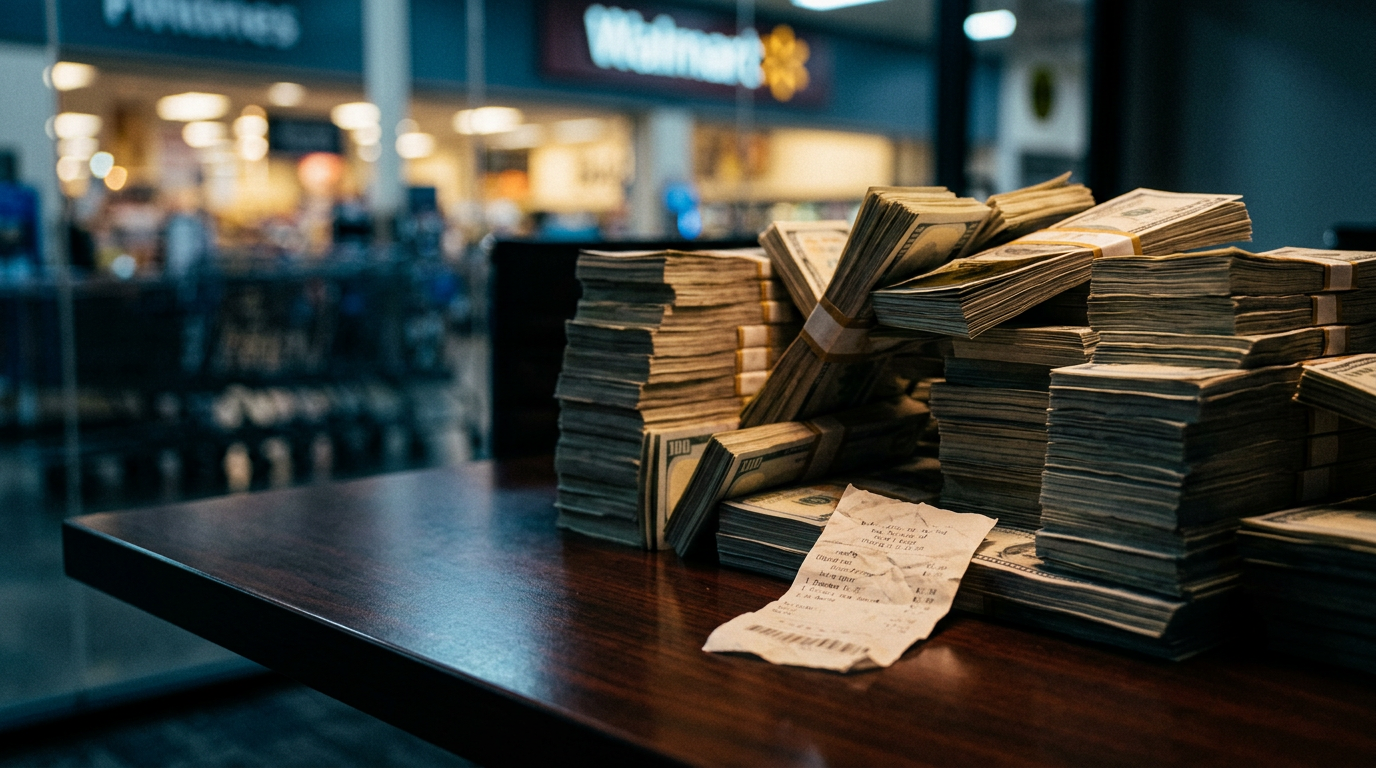
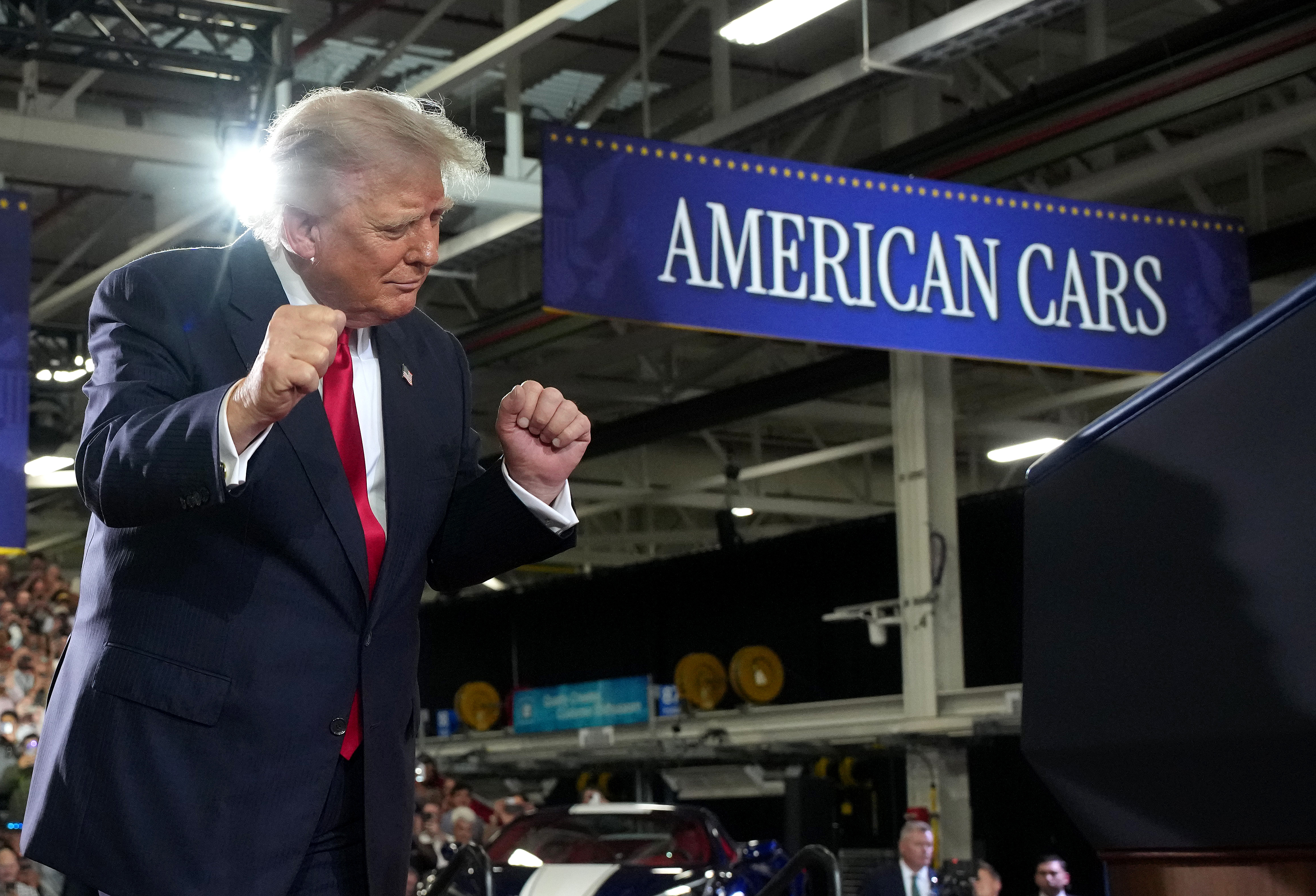
The March 2025 Supreme Court invalidation of President Trump's IEEPA tariffs triggered a $166 billion refund redistribution to American importers, fundamentally reshaping cross-border e-commerce dynamics. While major retailers like TJX Companies ($331M refunds) and Williams Sonoma ($10M refunds) allocated windfall cash toward employee compensation rather than price reductions, this strategic choice signals a critical market shift: companies are protecting margins instead of passing savings to consumers. Federal Reserve analysis confirms American companies and consumers bore approximately 90% of tariff costs, contradicting initial policy objectives that tariffs would shift burdens to foreign exporters.
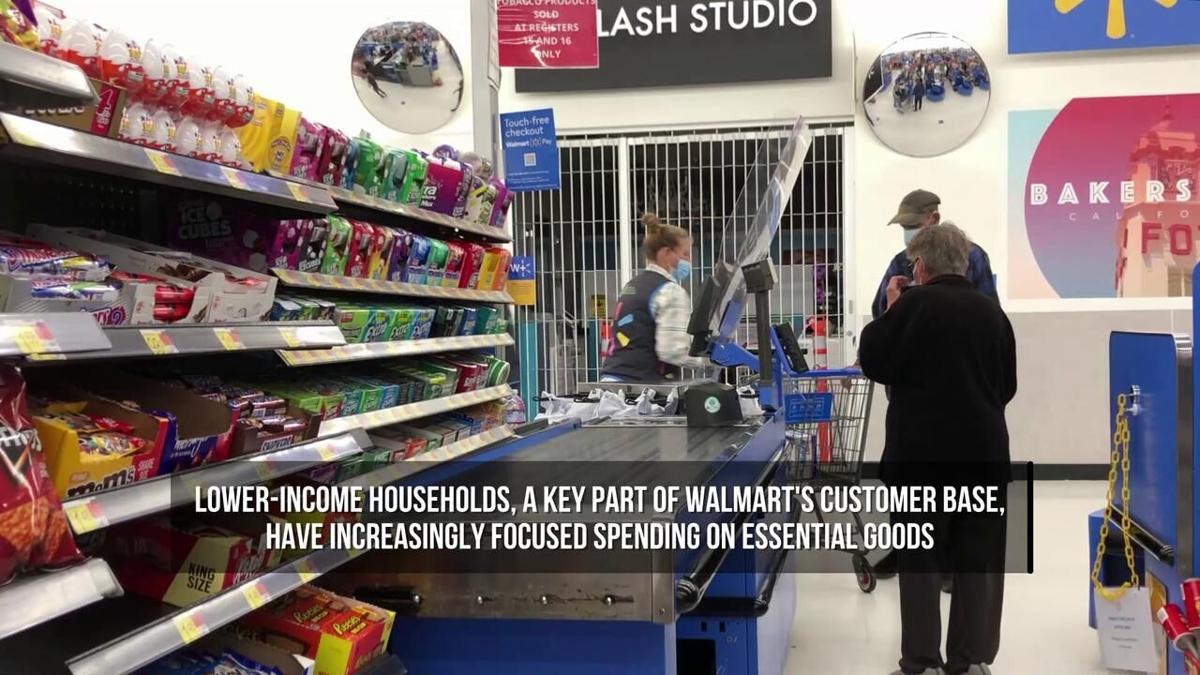
For cross-border sellers, this creates a two-tier competitive environment. Large retailers receiving substantial refunds ($100M+) are investing in workforce retention and operational resilience, not aggressive price competition. This means SMB sellers cannot expect margin relief from competitor price cuts—instead, they face sustained pricing pressure from consumers who paid tariff premiums ($2,000 annually per household) without receiving refunds. The Yale Budget Lab research indicating tariffs cost American families $2,000-$3,100 annually signals depressed consumer purchasing power, particularly in discretionary categories (home goods, apparel, electronics) where cross-border sellers concentrate inventory.
The refund distribution reveals a structural advantage for large importers: they can absorb tariff-era costs through employee bonuses and operational investments while maintaining price floors. Meanwhile, foreign-owned entities designated as importers of record (through U.S. subsidiaries or contractual arrangements) captured approximately $160 million in refunds—a legal arbitrage opportunity that smaller sellers cannot replicate. The Cato Institute's calculation of $122 million daily interest accrual on unpaid refunds ($700M monthly) indicates ongoing cash flow advantages for large importers with established customs relationships. Manufacturing employment declined 100,000+ jobs during tariff implementation, signaling supply chain consolidation toward larger, more efficient producers—disadvantaging SMB sellers reliant on diverse sourcing.
Critical market implication: The refund redistribution does not create a "reset" to pre-tariff pricing. Instead, it entrenches competitive advantages for large retailers who can absorb tariff costs through non-price strategies (employee retention, supply chain optimization) while maintaining elevated price floors. Consumer purchasing power remains depressed ($2,000 annual tariff burden), creating demand contraction in discretionary categories. Sellers must assume sustained margin compression and reduced consumer spending, not margin expansion from competitor price wars.
Questions 8
How do tariff refund interest payments ($122M daily) affect my borrowing costs and working capital?
The Cato Institute's calculation of $122 million daily interest accrual on unpaid refunds ($700M monthly) indicates sustained upward pressure on U.S. Treasury bond yields and long-term borrowing costs. This directly impacts your working capital costs: business loans, lines of credit, and inventory financing will become more expensive. If you carry $500K in inventory financing at 8% APR, expect rates to rise to 9-10% by Q2 2025, increasing annual costs by $5,000-$10,000. Large retailers with access to capital markets can absorb these costs; SMB sellers cannot. Recommendation: (1) Lock in working capital financing rates immediately through Q3 2025; (2) Reduce inventory carrying costs by optimizing turnover (target 5-6 turns annually); (3) Negotiate extended payment terms with suppliers (30-45 days) to reduce working capital needs; (4) Consider supply chain financing programs (Shopify Capital, Amazon Lending) that offer fixed rates independent of Treasury yields.
Which sourcing countries will benefit most from tariff refund redistribution and supply chain shifts?
Vietnam, India, and Mexico are positioned to gain market share as tariff uncertainty drives sourcing diversification away from China. Chinese companies captured $160 million in refunds, but tariff volatility makes China a riskier sourcing destination long-term. Manufacturing job losses (100,000+) in the U.S. indicate supply chain consolidation toward larger, more efficient producers—many of which are investing in Vietnam and India capacity. Tariff refunds to large U.S. importers will fund nearshoring initiatives to Mexico for apparel and electronics. Recommendation: Evaluate sourcing diversification for categories with high tariff exposure (electronics, apparel, home goods). Vietnam offers competitive labor costs and established electronics supply chains; India offers apparel and textiles; Mexico offers nearshoring advantages for U.S. distribution. Negotiate 2-3 year supply agreements with Vietnam/India/Mexico suppliers to lock in pricing before tariff refund-funded competitors establish capacity. This creates a 6-12 month window before large retailers shift sourcing and drive up prices in alternative countries.