


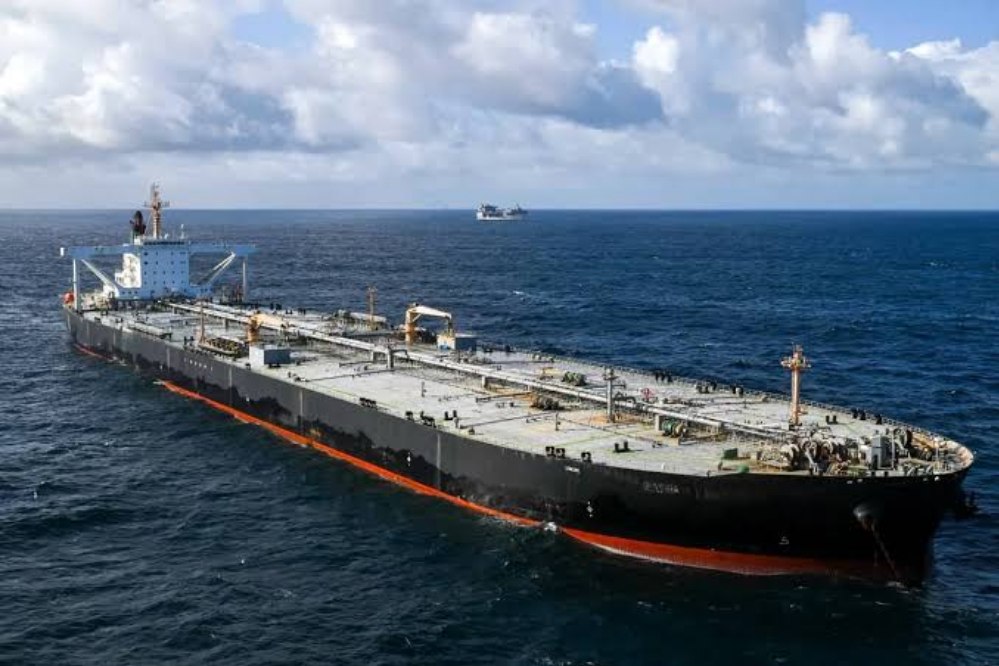

Oil Price Surge & Shipping Crisis | Cross-Border Sellers Face 8-15% Logistics Cost Increase
- Geopolitical tensions push crude to $107/barrel, threatening fall/winter shipping costs for Amazon FBA and international e-commerce sellers

Overview
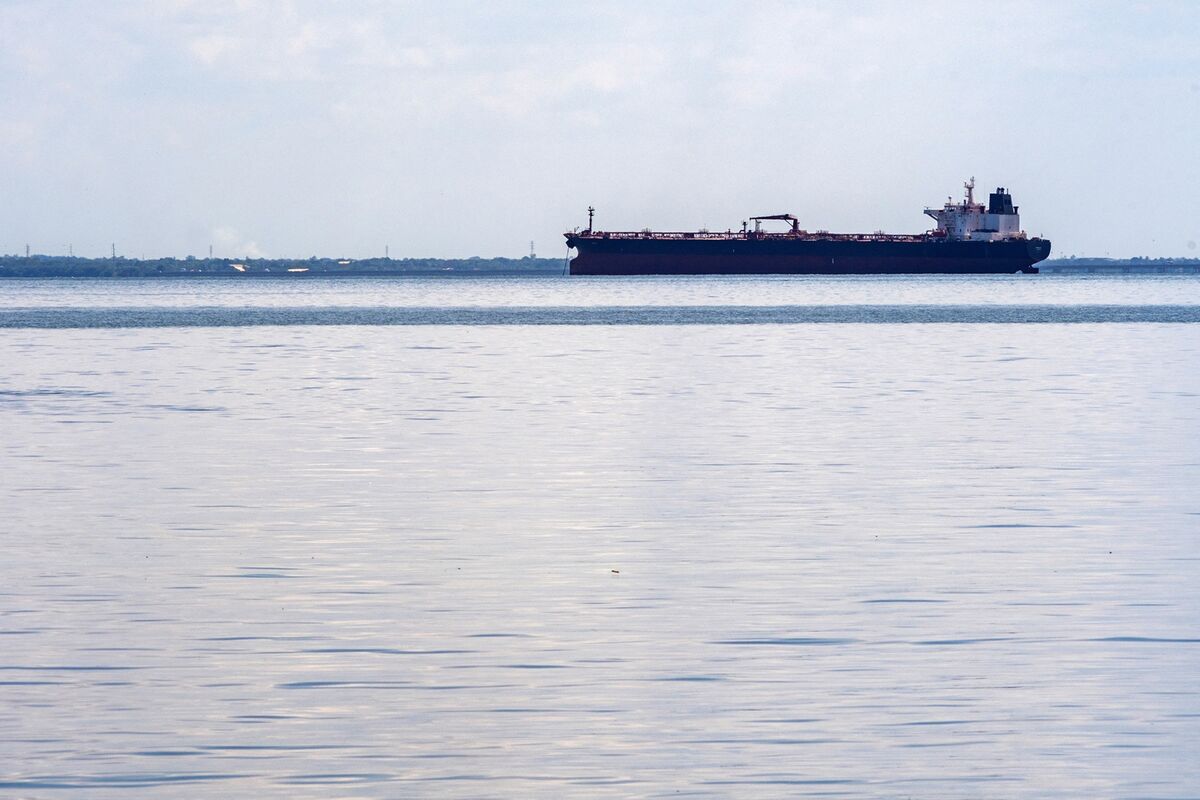
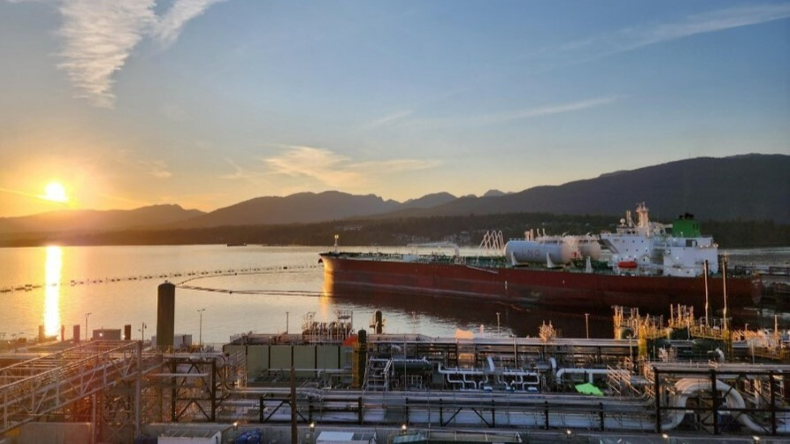
The Middle East escalation is creating an immediate supply chain crisis for cross-border e-commerce sellers. A drone attack on Saudi Arabia's critical East-West pipeline has removed 4% of global oil supply, pushing crude prices to $107 per barrel—the highest level during a U.S. election cycle. Simultaneously, Houthi forces threaten the Bab el-Mandeb Strait, the second-most critical shipping chokepoint globally, while Ukrainian attacks on Russian energy infrastructure have already pushed diesel prices to record highs. This convergence of supply disruptions directly impacts Amazon FBA sellers, Shopify merchants, and eBay vendors who rely on air freight and ocean shipping for inventory replenishment.
Immediate logistics cost impact: Fuel surcharges on international shipping are already rising 8-15% according to industry reports, with further increases expected in coming weeks. For sellers shipping 500+ units monthly via FBA, this translates to $200-400 additional monthly costs. Air freight premiums are particularly acute—sellers importing from China, Vietnam, or India face 12-20% cost increases on expedited shipments. Ocean freight from Asia to US/EU ports is experiencing 6-10% surcharge additions, compressing margins on categories with thin profit margins (electronics, home goods, apparel).
Competitive segmentation: Large sellers with established inventory buffers and diversified sourcing can absorb cost increases through margin compression. Mid-market sellers (100-500 SKUs) face critical decisions: accept 5-8% margin reduction, raise prices (risking Buy Box loss on Amazon), or delay inventory replenishment (risking stockouts during peak holiday season). Small sellers with just-in-time inventory models are most vulnerable—delayed shipments arriving after November could miss Black Friday/Cyber Monday windows entirely. Sellers with heavy reliance on air freight (electronics, fashion, time-sensitive products) face disproportionate impact compared to heavy goods sellers.
Strategic sourcing implications: The crisis accelerates interest in nearshoring alternatives. Mexico and Central America sourcing becomes more attractive for US sellers despite higher unit costs, as reduced shipping distances offset fuel surcharge premiums. EU-based sellers may shift from Asian sourcing to Eastern European suppliers. This represents a 6-12 month window before competitors execute similar strategies—early movers gain cost advantages before supply chains rebalance.
Election cycle uncertainty: Economists warn of "considerable risks" for further gas/diesel increases in coming weeks. The timing is critical—peak holiday inventory must ship by mid-October to arrive by November. Sellers delaying purchasing decisions face compounding risk: prices may rise further, and shipping capacity may tighten as other sellers rush to secure space. The Trump administration's retaliation options remain unclear, creating additional volatility through election day.
Questions 8
What compliance or documentation changes should I prepare for?
Geopolitical escalation may trigger new export controls or sanctions affecting sourcing countries. Monitor U.S. Treasury OFAC sanctions lists and EU trade restrictions weekly—Iran-related sanctions could expand. Ensure your supplier documentation clearly identifies country of origin and manufacturing location. For Amazon sellers, update your product detail pages to reflect any sourcing changes. Shopify sellers should review their terms of service regarding restricted products. Customs documentation may face delays if port congestion increases due to shipping disruptions. Prepare for potential tariff changes—the news indicates political uncertainty around election outcomes. Maintain 30-45 days of cash reserves to cover extended payment terms if suppliers demand faster payment due to currency volatility. Consult with a customs broker if you're importing from affected regions.
How should I adjust pricing strategy if shipping costs increase 10-15%?
Margin compression is unavoidable, but pricing strategy depends on category and competition. For Amazon FBA, raising prices risks losing Buy Box to competitors with lower costs. Instead, optimize listings to improve conversion rates—better images, enhanced content, and reviews maintain sales volume despite margin reduction. For Shopify stores, you have more pricing flexibility. Test 5-8% price increases on lower-competition SKUs while holding prices on competitive categories. Monitor competitor pricing daily using tools like Keepa or Jungle Scout. Consider bundling products to absorb cost increases through higher average order value. For eBay sellers, auction format may be less viable—shift to fixed-price listings where you control margins. Calculate break-even points for each SKU and consider discontinuing products with margins below 15% after cost increases.