



Fed Rate Hike Signals Inflation Fight | Sellers Face Tighter Consumer Credit & Demand Shift
- Mortgage rates climb to 7.43% (up 100 bps from July), reducing buyer pool and consumer discretionary spending power across home-related categories










Overview
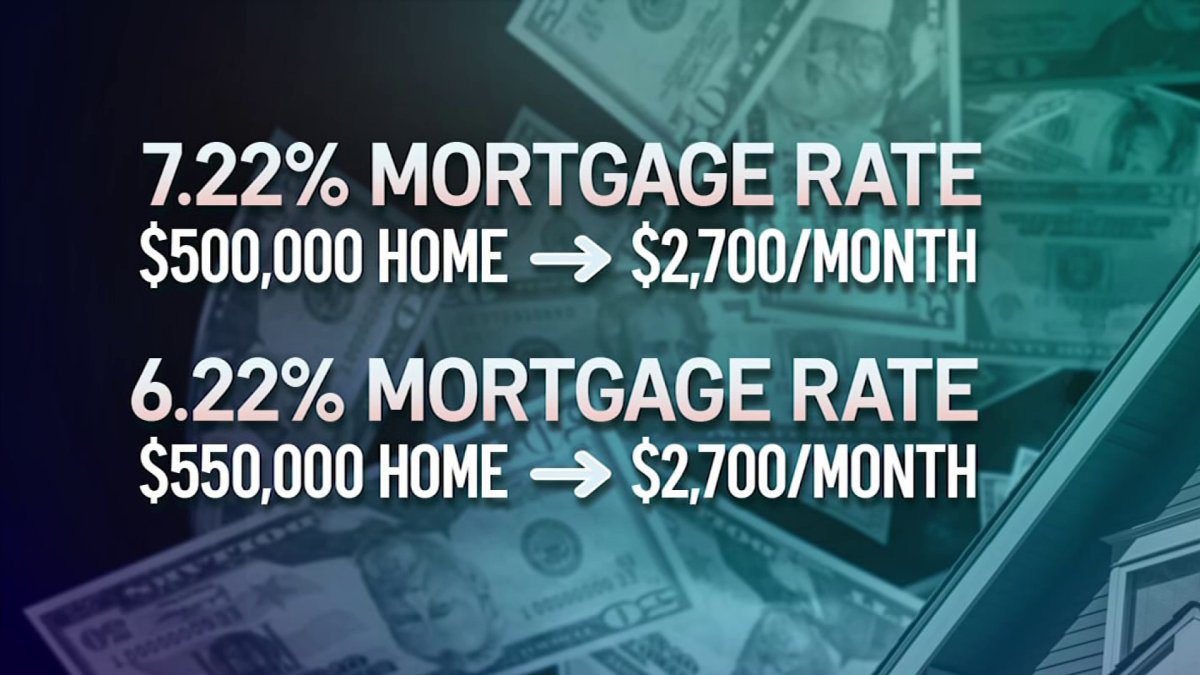
The Federal Reserve's anticipated rate hike on September 16, 2026, combined with mortgage rates climbing above 7% to reach 7.43% (up from 6.43% in early July), signals aggressive inflation management that directly impacts cross-border e-commerce seller opportunities and consumer purchasing behavior. The 10-year Treasury yield's rise from 4.80% to 4.96% reflects sustained monetary tightening expectations, which constrains consumer credit availability and discretionary spending—critical factors for sellers in home improvement, furniture, appliances, and lifestyle categories.
Financial Impact on Seller Operations: Higher mortgage rates reduce homebuyer affordability by approximately $100/month on a $300,000 mortgage (7% vs. 6.5%), translating to reduced consumer liquidity for non-essential purchases. This creates a bifurcated market: affluent buyers with strong credit profiles remain active (as noted in North Texas market analysis), while middle-income segments drop out. For sellers, this means reduced demand elasticity in discretionary categories—furniture, home décor, electronics, and appliances typically see 15-25% demand compression during rate-hiking cycles. The North Texas real estate market exemplifies this: elevated rates reduce buyer competition, benefiting remaining participants, but property tax increases and insurance cost spikes ($200-400/month additional) further squeeze consumer budgets.
Working Capital & Financing Implications: Rising interest rates increase seller financing costs across multiple dimensions. Trade finance rates (invoice factoring, supply chain financing) typically rise 50-100 basis points following Fed hikes, increasing working capital costs for sellers managing inventory. Cross-border sellers face compounded pressure: USD strength (typically accompanying rate hikes) increases sourcing costs from Asia-Pacific suppliers while reducing purchasing power of international buyers. Sellers should immediately evaluate alternative financing: supply chain finance providers (Tradeshift, Fintech Platforms) often offer fixed-rate products that lock in current terms before further tightening. For sellers with significant inventory exposure in home-related categories, consider accelerating inventory turnover through promotional pricing (5-10% discounts) to convert stock to cash before demand further softens.
Currency & Payment Optimization: Fed rate hikes typically strengthen the USD, creating FX headwinds for sellers with international supplier relationships. EUR/USD and GBP/USD pairs typically weaken 2-4% following Fed tightening signals. Sellers should implement immediate hedging: forward contracts on 30-60% of anticipated Q4 2026 sourcing costs lock in current rates (~1.08-1.10 EUR/USD) before further appreciation. Payment method optimization becomes critical—use multi-currency accounts (Wise, OFX) to capture favorable rates on international transfers rather than relying on bank wire transfers (typically 1-2% worse rates). For sellers with significant China sourcing, consider shifting 20-30% of payment timing to pre-hike periods or negotiate supplier discounts for early payment (typically 1-2% savings).
Questions 7
Which e-commerce categories face the most demand risk from higher mortgage rates?
Home-related categories face highest risk: furniture (typically 20-25% demand compression), appliances (15-20%), home décor (18-22%), and home improvement products (12-18%). These categories are highly correlated with housing market activity and consumer confidence. Electronics and apparel show more resilience (5-10% compression) as they're less discretionary. Sellers should immediately audit inventory composition: shift 20-30% of home category inventory to faster-moving electronics/apparel if possible. Monitor BSR (Best Seller Rank) trends weekly in home categories—rising BSRs indicate demand softening. Consider category diversification to reduce exposure to housing-sensitive segments.
How should sellers hedge currency risk when the Fed signals continued rate hikes?
Fed rate hikes typically strengthen USD 2-4% against EUR and GBP within 30-60 days. Sellers should implement forward contracts on 30-60% of anticipated Q4 2026 sourcing costs to lock in current rates (~1.08-1.10 EUR/USD). Use multi-currency accounts (Wise, OFX) for international transfers—these typically offer 1-2% better rates than bank wires. For China sourcing, consider shifting 20-30% of payment timing to pre-hike periods or negotiate supplier discounts for early payment. Monitor USD/CNY pair closely; typical post-hike appreciation is 1-3%, directly impacting sourcing economics.