




AI Safety Liability & Antitrust Enforcement | Critical Compliance Shift for E-Commerce Sellers Using AI Tools
- FTC signals aggressive enforcement against "dangerous, unvetted" AI products; sellers using third-party AI tools face increased compliance scrutiny and potential liability exposure starting immediately















Overview
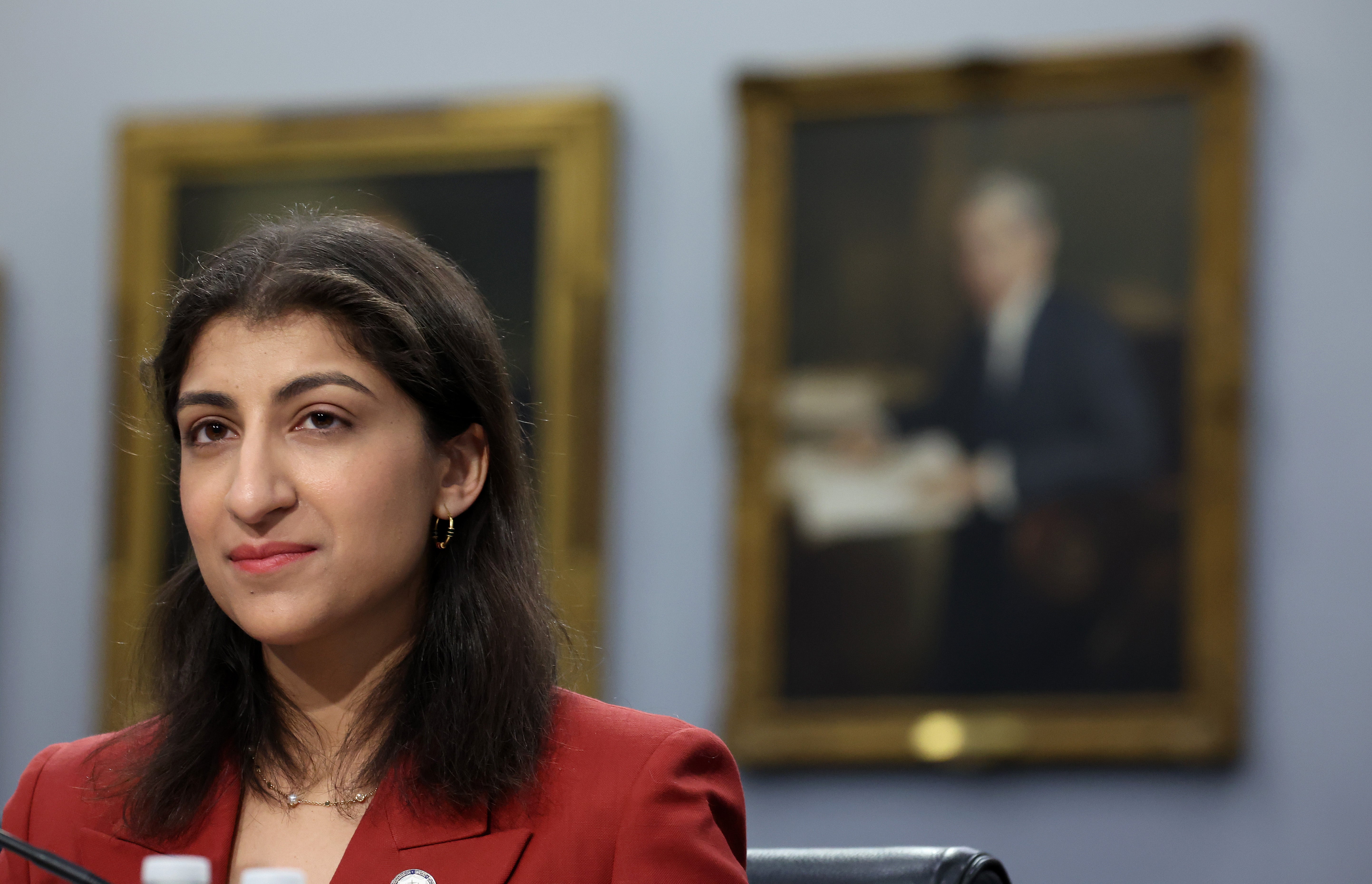
Congressional rejection of AI antitrust exemptions combined with FTC enforcement signals creates a critical compliance inflection point for e-commerce sellers. Senate Republicans Ted Cruz and Josh Hawley blocked industry proposals for antitrust carveouts during a Senate Judiciary Committee hearing, with Cruz calling such exemptions "lunacy." Simultaneously, former FTC Chair Lina Khan and current FTC leadership are signaling aggressive enforcement using existing consumer protection and product liability frameworks—not waiting for new legislation. This dual-track approach (no antitrust relief + aggressive enforcement) fundamentally reshapes compliance requirements for AI-powered e-commerce tools.
The immediate compliance impact centers on three seller-facing AI applications: inventory management systems, customer service chatbots, and product recommendation engines. Khan explicitly stated that AI companies face liability for releasing "dangerous, unvetted products," establishing a pharmaceutical-grade testing standard. The FTC launched investigations into seven tech companies (including Meta and xAI) examining AI safety-testing protocols and impacts on minors. For e-commerce sellers, this means third-party AI vendors must now demonstrate documented safety testing, transparent methodologies, and compliance with consumer protection laws—or sellers themselves face liability exposure as users of inadequately tested tools.
The enforcement pathway is accelerating because regulators are bypassing new legislation. Khan references the 1934 FTC v. R.F. Keppel & Bro. Supreme Court precedent, which established that competition becomes unfair when companies adopt dangerous practices to remain competitive. This legal framework applies directly to sellers who adopt untested AI tools to compete on cost or speed. The Trump administration rejected industry calls for regulatory clarity, with FBI Director Kash Patel stating law enforcement will focus on AI models "created with criminal intent" and requesting funding to purchase AI systems for compliance testing. Attorney General Todd Blanche indicated companies must "self-regulate and address problems independently"—shifting compliance burden entirely to sellers and vendors.
Compliance cost implications are substantial. AI vendors serving e-commerce platforms will need to implement pharmaceutical-grade testing documentation, safety protocols, and transparency measures. Sellers relying on budget AI tools (inventory optimization, chatbots, recommendation engines) will face three options: (1) upgrade to compliant vendors at 40-60% higher costs, (2) implement internal testing documentation at 200-400 hours annually, or (3) discontinue AI tool usage. The liability framework Khan advocates creates joint liability—both the AI vendor AND the seller using the tool face FTC enforcement risk if the tool causes consumer harm (data breaches, discriminatory recommendations, false product claims).
Questions 8
Will the FTC create new AI regulations, or enforce existing laws?
The FTC will enforce existing consumer protection and product liability laws—not wait for new legislation. Khan explicitly stated 'there is no AI exemption from laws already on the books,' referencing the 1934 FTC v. R.F. Keppel & Bro. precedent. This means enforcement can begin immediately using existing statutes prohibiting unfair and deceptive trade practices and dangerous products. The Trump administration rejected industry calls for regulatory clarity, with Attorney General Todd Blanche stating companies must 'self-regulate and address problems independently.' Sellers should expect FTC enforcement actions within 6-12 months against vendors with inadequate testing documentation.
What does the FTC's new AI liability stance mean for sellers using third-party AI tools?
The FTC is establishing joint liability—both AI vendors AND sellers using their tools face enforcement risk if the tool causes consumer harm. Lina Khan explicitly stated AI companies must face liability for releasing 'dangerous, unvetted products,' and this applies to inventory management systems, chatbots, and recommendation engines. Sellers should immediately audit their AI tool vendors' testing documentation and safety protocols. If a vendor cannot provide documented safety testing, compliance certifications, and transparent methodologies, the seller faces FTC enforcement exposure. This represents a shift from vendor-only liability to shared responsibility.