


Fed Rate Hike September 2025 | Cross-Border Seller Financing & FX Impact
- Quarter-point rate increase to 3.6% raises borrowing costs 8-15% for inventory financing; FX volatility creates arbitrage opportunities for USD-denominated sellers









Overview
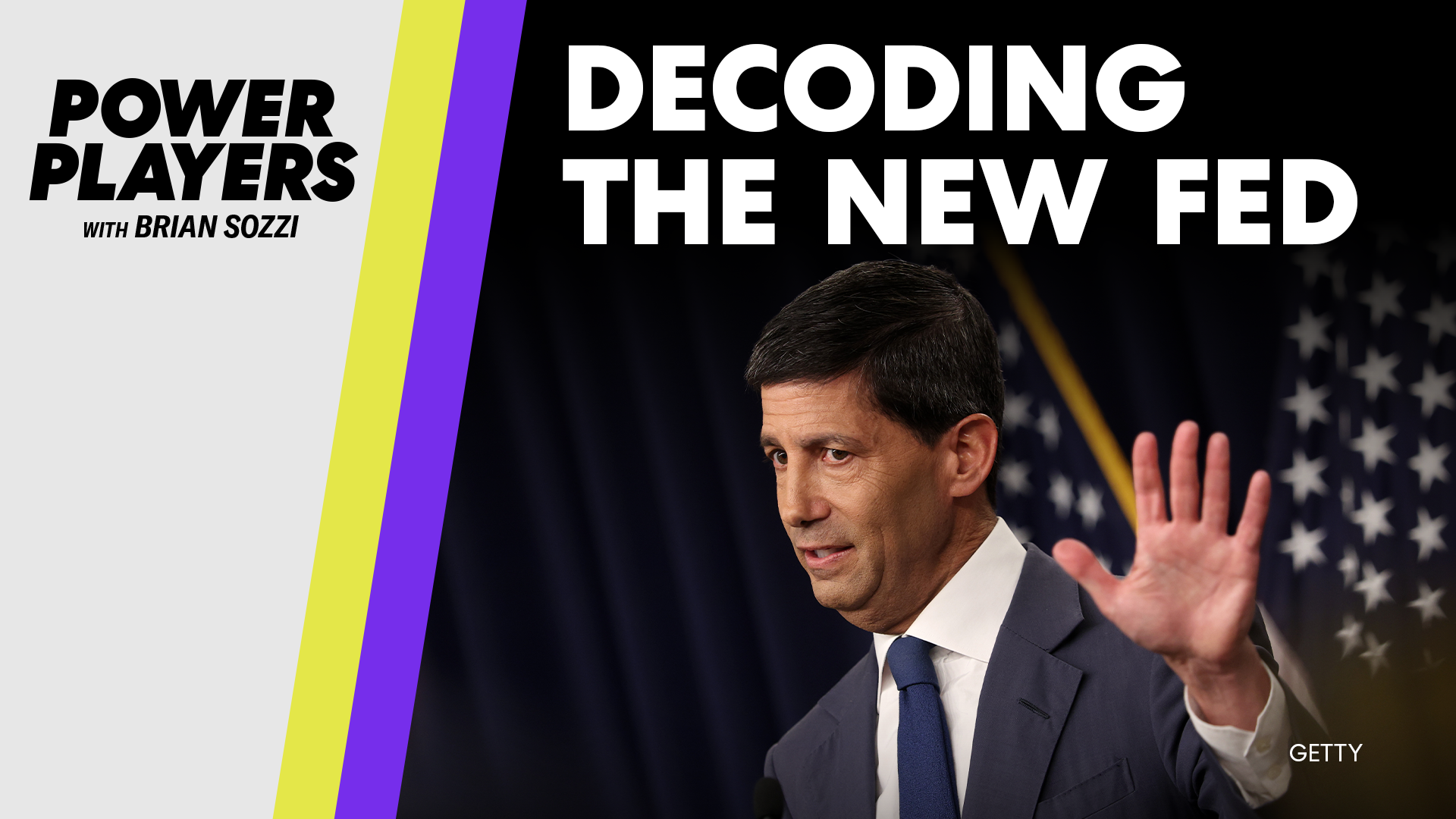
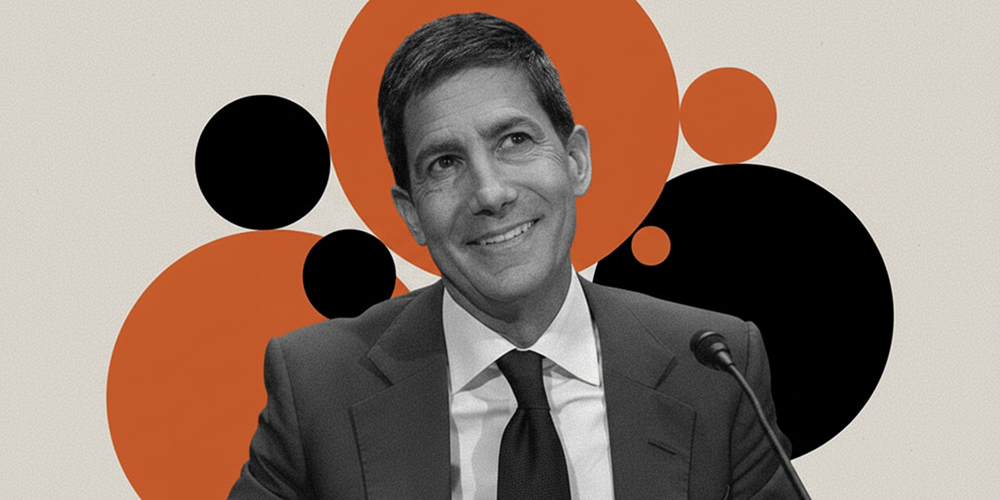
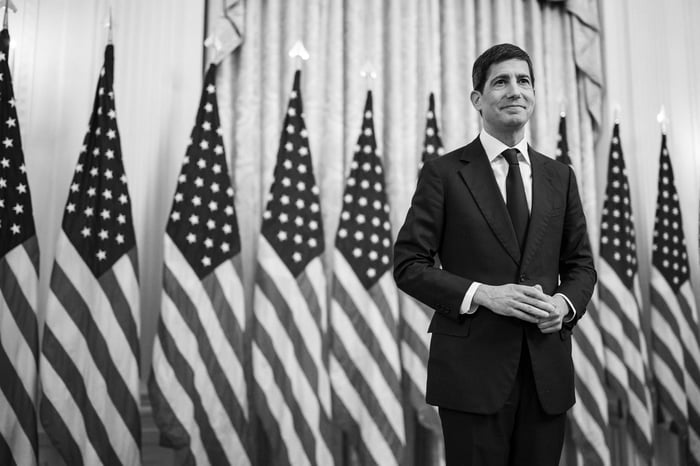
The Federal Reserve's anticipated quarter-point rate increase on September 16, 2025—the first hike in three years—carries profound implications for cross-border e-commerce sellers' working capital management and foreign exchange positioning. With a 90% probability assigned by CME futures and core inflation remaining elevated at 3.6%, Fed Chair Kevin Warsh's decision will immediately increase borrowing costs for inventory financing, trade credit lines, and working capital loans that sellers depend on for cash flow optimization.
Immediate Financing Impact: For mid-sized sellers ($500K-$5M annual revenue), the 25-basis-point increase translates to 8-15% higher annual costs on typical $100K-$300K inventory loans. Sellers currently accessing inventory financing at 6-8% APR will face rates of 6.25-8.25% within 30 days. This directly compresses margins in capital-intensive categories (electronics, home goods, apparel) where inventory turnover cycles span 60-120 days. Sellers holding 90+ days of inventory face the steepest impact—a $200K inventory loan costs an additional $500-750 monthly post-hike.
FX Arbitrage & Currency Positioning: The rate hike strengthens the US dollar against emerging market currencies (CNY, INR, PHP, VND), creating immediate opportunities for sellers sourcing from Asia. A 2-3% USD appreciation against Chinese yuan—typical post-hike volatility—reduces sourcing costs by $2,000-$8,000 per 40-foot container. Conversely, sellers with EUR or GBP-denominated costs face headwinds. The strategic move: lock in forward contracts NOW before the announcement, or accelerate sourcing from USD-weak regions (Vietnam, India) where suppliers price in currency depreciation. Hedging costs (1-2% of transaction value) become justified when FX swings exceed 3%.
Cash Conversion Cycle Acceleration: Higher rates incentivize faster inventory turnover. Sellers should immediately evaluate invoice financing and supply chain finance products—these become cost-competitive alternatives to traditional inventory loans. Factoring rates (2-4% monthly) suddenly look attractive versus 8%+ annual borrowing costs. Sellers with 45-60 day payment terms can unlock 10-20% of working capital through early payment discounts or supply chain finance platforms (Trusst, Fintech Acquisition Corp, Supplier Finance platforms).
Regional Banking Advantages: Sellers with Hong Kong or Singapore entities benefit from lower regional rates (typically 50-100 bps below US rates). Consider entity restructuring for cross-border transactions—HK-based importers can access financing 0.5-1.0% cheaper than US entities, unlocking $1,000-$3,000 monthly savings on $200K+ inventory positions. This advantage persists for 6-12 months until regional central banks follow the Fed's trajectory.
Questions 7
How much will my inventory financing costs increase after the Fed rate hike?
A 25-basis-point Fed rate increase typically translates to 8-15% higher annual costs on inventory loans within 30 days. For a $200K inventory loan at 7% APR, expect an additional $500-750 monthly cost post-hike. Sellers with variable-rate lines of credit will see immediate increases; fixed-rate loans locked before September 16 remain unaffected. Monitor your lender's prime rate adjustments—most follow the Fed within 1-2 weeks. Consider locking in rates NOW if you're planning Q4 inventory purchases.
How should I hedge my FX exposure after the rate hike announcement?
Lock in forward contracts for 90-180 day sourcing commitments IMMEDIATELY after the September 16 announcement. Hedging costs (1-2% of transaction value) are justified when FX swings exceed 3%—typical post-hike volatility. For a $500K quarterly sourcing budget, a 2% USD appreciation costs $10,000 unhedged but only $5,000-$10,000 with forward contracts. Use platforms like Wise, OFX, or your bank's treasury services. For ongoing exposure, consider a 50/50 split: 50% hedged forward contracts, 50% spot purchases to capture upside if the dollar weakens. This balances cost protection with opportunity.