


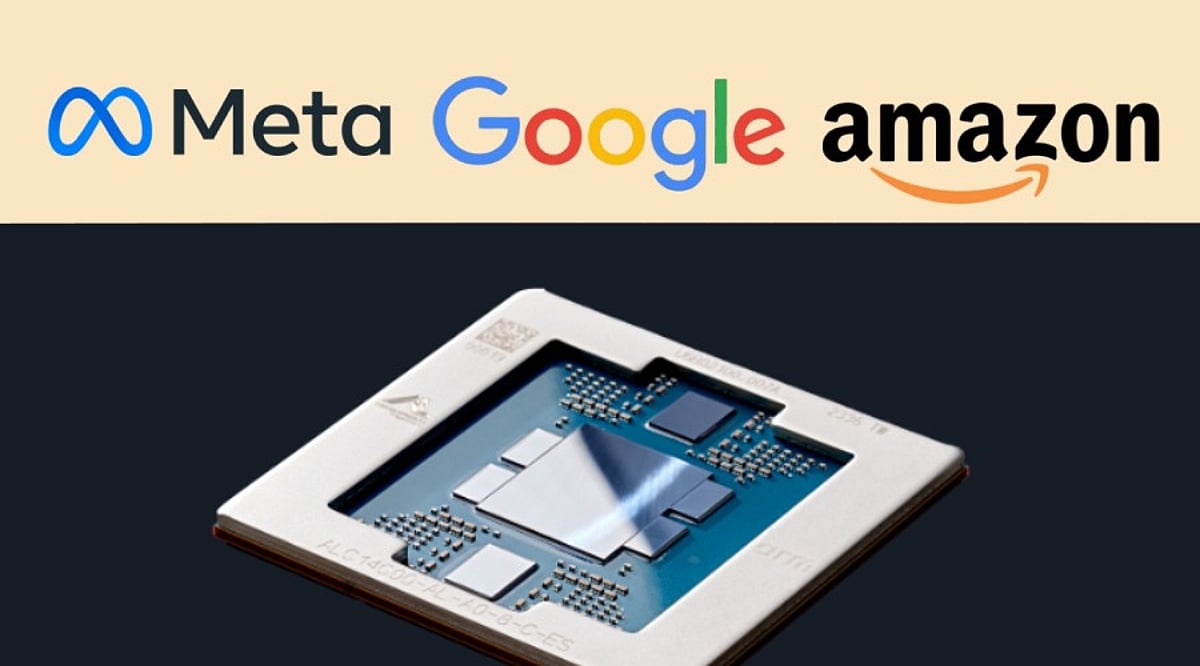
Meta's AI Chip Revolution Cuts Infrastructure Costs 15-30% | Seller Opportunity in Faster Recommendations
- Meta deploys MTIA 450 (Arke) in H1 2025, MTIA 500 (Astrid) by end 2027; sellers gain faster product recommendations, reduced platform latency, improved search ranking algorithms powered by efficient inference

















Overview
Meta's vertical integration into custom AI silicon represents a fundamental shift in how e-commerce platforms will operate and serve sellers through 2027-2030. The company is deploying its third-generation MTIA 450 chip (codenamed Arke) starting in the first half of 2025, with twelve prototype units delivered from TSMC on September 1, 2026, achieving performance metrics within 2-3% of simulations. The successor MTIA 500 (Astrid) will complete design work within one month and enter data centers by late 2027. These chips deliver 15-30% better energy efficiency than Nvidia's H100/Blackwell processors while reducing cost-per-inference by optimizing for Meta's specific workloads: recommendation systems, content ranking, and AI-powered search algorithms that directly impact seller visibility.
For e-commerce sellers, this infrastructure investment translates into three immediate competitive advantages. First, Meta's cost savings on AI inference (the process of running trained models to generate recommendations) will enable the company to deploy more sophisticated ranking algorithms across Facebook Marketplace, Instagram Shopping, and Shops without proportional cost increases. Sellers using Meta's advertising and commerce tools will benefit from faster product recommendations, reduced platform latency during peak traffic periods (holiday seasons, flash sales), and more granular audience targeting powered by real-time AI analysis. Second, the MTIA 300 already powers Meta's ranking and recommendation systems, meaning the infrastructure upgrade directly improves the algorithmic visibility of product listings. Sellers in high-volume categories (electronics, beauty, apparel, home goods) will see faster indexing of new products and more responsive dynamic pricing recommendations. Third, Meta's reduced dependency on Nvidia (which commands premium pricing for H100 chips) creates a cost structure advantage that competitors like Amazon and Google are racing to replicate, potentially triggering a 2-3 year window where Meta can undercut competitor advertising costs and pass savings to sellers through lower PPC rates.
The operational impact for sellers spans three timeframes. Immediate (2025-2026): Meta's Arke deployment will accelerate recommendation algorithms across Shops and Marketplace, requiring sellers to optimize product feeds for faster AI processing—specifically ensuring high-quality images, detailed descriptions, and accurate categorization to maximize algorithmic ranking. Mid-term (2026-2027): As Meta scales to "over one gigawatt of computing capacity within any 12-month period," the company will likely introduce new AI-powered seller tools (automated content optimization, dynamic pricing recommendations, predictive inventory management) that leverage the efficiency gains. Long-term (2027-2030): Meta's Astrid chip and broader rollout will establish a cost advantage that enables the company to offer AI-powered commerce features at lower prices than Amazon and Google, potentially shifting seller preference toward Meta's platforms. The company's decision to cancel the Olympus project (which targeted both training and inference) in favor of inference-only chips signals Meta's strategic focus: optimizing the real-time algorithms that directly impact seller performance, not competing in AI model training where cloud providers have advantages.
Questions 7
Could Meta's custom chip advantage pressure Nvidia's pricing and affect other e-commerce platforms?
Yes. Meta's 15-30% energy efficiency advantage over Nvidia's H100/Blackwell chips will likely pressure Nvidia's margins and encourage Amazon, Google, and Microsoft to accelerate their own custom chip programs (Amazon Trainium, Google TPU, Microsoft Maia). This competitive pressure could reduce Nvidia's pricing power by 10-15% over 2025-2027, making custom silicon more economically viable for other platforms. For sellers, this means increased competition as all major platforms gain access to cheaper AI infrastructure, potentially leading to more aggressive algorithmic ranking changes and feature launches across Amazon, Google Shopping, and eBay.
What is the timeline for sellers to see measurable improvements in product ranking and visibility?
Measurable improvements will occur in three phases: (1) H1 2025 when Arke deployment begins—sellers should expect faster ranking updates and more responsive algorithms within 30-60 days of deployment, (2) 2026-2027 as Meta scales to gigawatt-scale capacity—new AI-powered seller tools and features will launch, and (3) late 2027 onward as Astrid enters data centers with broader rollout. Sellers in high-volume categories (electronics, beauty, apparel) will see impacts first, as Meta will prioritize these categories for algorithm optimization. Monitor Meta's Seller Central announcements and Shops documentation for specific feature rollout dates.