



Maritime Disruptions Drive Shipping Costs Up 5-12% | E-Commerce Sellers Face 2-4 Week Rate Surge
- Oil futures spike 10-15% correlates with freight increases; small sellers face 3-8% margin compression; high-volume sellers can negotiate better rates through consolidated shipping







Overview
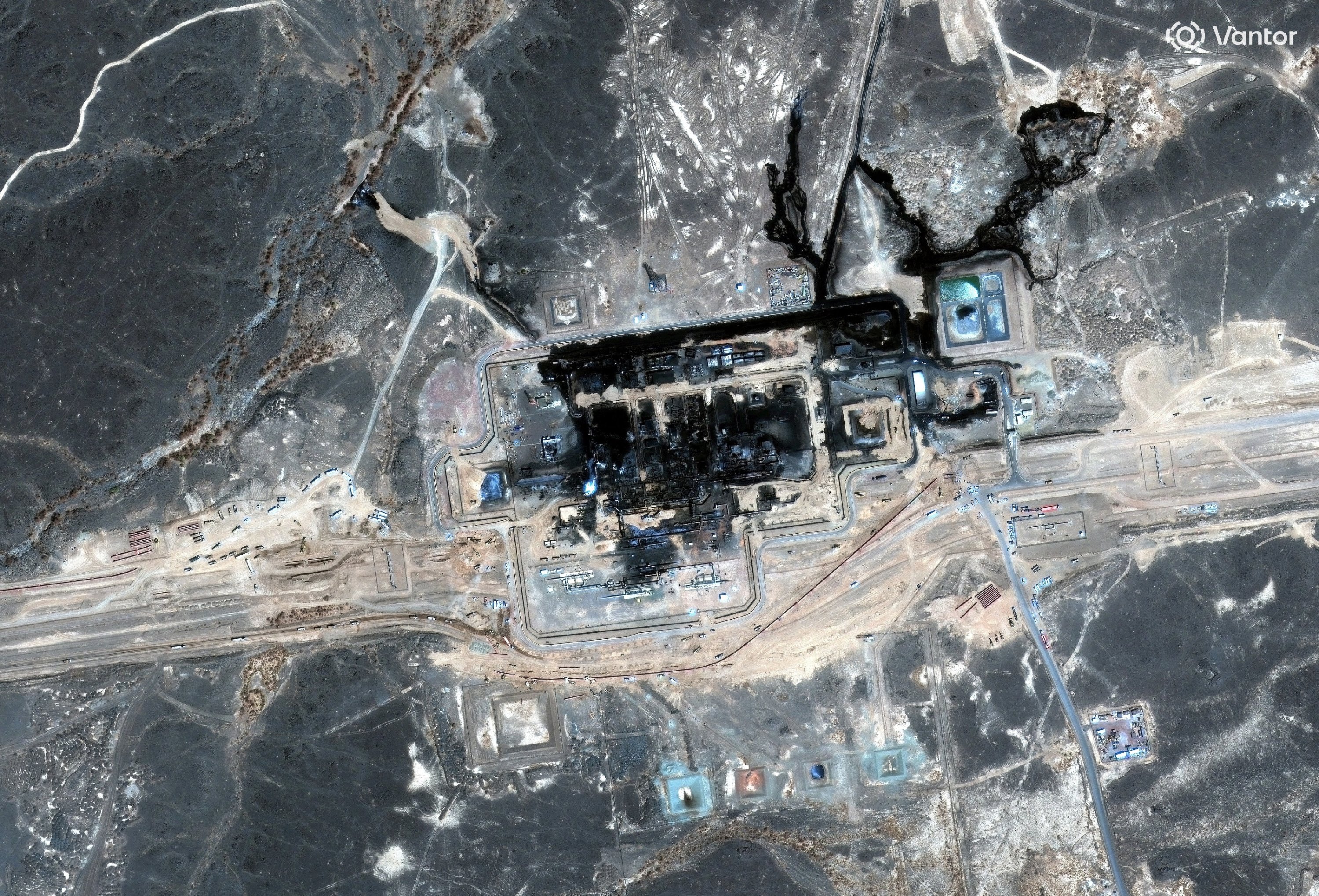
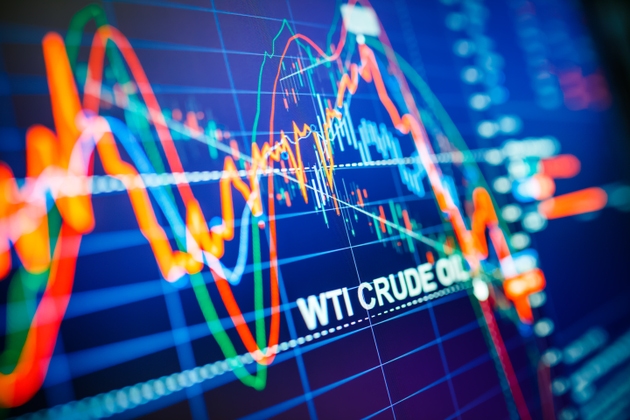
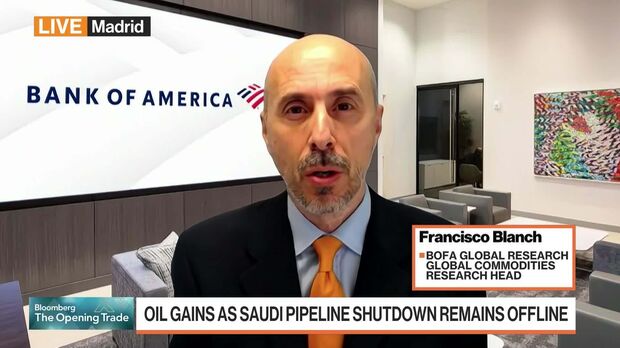
Maritime shipping route obstructions are creating immediate cost pressures across global e-commerce logistics networks. Multiple oil transportation corridors face disruption due to geopolitical tensions and maritime security challenges, driving oil futures upward and triggering fuel surcharge escalations. According to Wall Street Journal reporting, these obstacles affect major energy transportation corridors including critical chokepoints like the Suez Canal and Strait of Hormuz. For cross-border e-commerce sellers, the impact is direct and quantifiable: rising oil futures typically translate to increased freight rates within 2-4 weeks, with historical precedent showing oil price spikes of 10-15% correlating with shipping cost increases of 5-12% within 30 days.
The operational impact varies significantly by seller segment and shipping method. E-commerce businesses relying on time-sensitive deliveries face potential cost increases of 3-8% depending on shipping method and distance. High-volume sellers using consolidated shipping and negotiating power can absorb these increases more effectively, while small sellers using standard freight services face immediate cost pressures. Logistics providers typically pass fuel surcharges to shippers within monthly billing cycles, meaning sellers dependent on just-in-time inventory will experience margin compression if they cannot adjust pricing quickly. The geographic fragmentation of crude oil pricing—where identical crude grades trade at different prices in different locations with variations sometimes exceeding $10 per barrel—creates additional complexity for sellers sourcing from multiple regions or shipping to diverse markets.
Strategic sourcing and routing decisions now carry heightened importance. Sellers should immediately monitor fuel surcharge indices and consider locking in shipping rates where possible. The recurring nature of maritime disruptions from geopolitical events and infrastructure challenges has prompted logistics companies to develop alternative routing strategies and premium services. Sellers with flexible inventory models can shift volume toward air freight for high-margin items (accepting 15-25% premium costs) while consolidating slower-moving inventory on ocean routes. Those dependent on specific sourcing corridors should evaluate alternative suppliers in less-disrupted regions—Vietnam, India, and Mexico increasingly offer tariff advantages and supply chain resilience compared to traditional China-centric sourcing. The 2-4 week lag between oil price spikes and freight rate implementation creates a narrow window for rate-locking negotiations with 3PL providers before surcharges take effect.
Questions 8
Should I lock in shipping rates now or wait for prices to stabilize?
The 2-4 week lag between oil price spikes and freight rate implementation creates a narrow window for rate-locking negotiations. Industry data shows that sellers who lock rates within 7-10 days of oil price spikes typically secure 3-5% better terms than those waiting for rates to stabilize. Contact your 3PL provider immediately to negotiate fixed-rate agreements for the next 60-90 days. However, if you have flexibility to shift volume to alternative routes or consolidate shipments, waiting 2-3 weeks may reveal more favorable routing options as logistics providers adjust capacity allocation in response to disruptions.
What logistics providers offer alternative routing to avoid disrupted corridors?
Major 3PL providers including Flexport, DHL, and regional specialists have developed alternative routing strategies in response to recurring maritime disruptions. These premium services typically cost 8-15% more than standard routes but provide supply chain resilience and predictable delivery windows. Evaluate providers offering multi-corridor routing options that can dynamically shift shipments away from disrupted chokepoints like the Suez Canal and Strait of Hormuz. For Amazon FBA sellers, consider consolidating shipments through regional fulfillment centers in less-disrupted areas (Europe, Southeast Asia) to reduce exposure to single-route dependencies.