



Diesel Crisis Drives Logistics Costs Up 15-25% | Cross-Border Sellers Face Margin Compression
- US diesel reaches all-time high of $6.27/gallon; global refining capacity down 4.2M barrels daily; $100B in additional fuel spending impacts seller shipping costs and consumer purchasing power





Overview
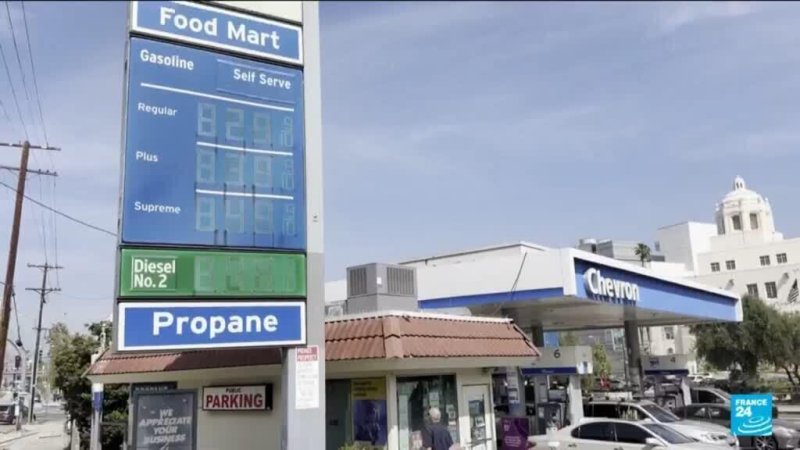
The geopolitical energy crisis is fundamentally reshaping cross-border e-commerce economics. US diesel prices have reached an all-time high of $6.27 per gallon—nearly doubling since late February 2024—driven primarily by Middle Eastern supply disruptions rather than the Ukraine-Russia conflict. The Strait of Hormuz shutdown in February severely restricted crude oil flows, while Saudi Arabian refineries face attacks and Yemen's Houthis targeted major facilities. Critically, global refining capacity has declined by 4.2 million barrels daily compared to last year, forcing countries to rely on US refineries operating at near-maximum capacity. Chevron CEO Mike Wirth confirmed that global oil reserves—which previously buffered price volatility—have been largely depleted, with pessimism about near-term relief. Americans have collectively spent $100 billion more on fuel due to Iran-related geopolitical tensions, representing sustained elevated energy costs across the economy.
For cross-border e-commerce sellers, this translates to immediate operational cost pressures. International freight forwarding, air cargo services, and ground transportation all experience price increases during geopolitical uncertainty. Sellers relying on fuel-intensive logistics networks face 15-25% increases in shipping expenses and last-mile delivery fees. The cascading effects are severe: grocery prices may increase due to higher transportation costs for refrigerated trucks; heating oil costs will rise for approximately 265 million American homes; and railroad fuel surcharges on grain shipments have more than doubled annually. This economic headwind directly compresses profit margins for businesses with thin margins or high shipping volumes—particularly small-to-medium sellers (SMBs) on Amazon FBA, eBay, and Shopify who cannot absorb cost increases through scale.
The timing window is critical and immediate. Even a Russia-Ukraine ceasefire would require weeks to meaningfully impact prices as damaged facilities need time to repair. The Middle Eastern supply disruption remains the primary driver and shows no signs of resolution. Sellers must act now to adjust pricing strategies, renegotiate 3PL contracts, and optimize inventory positioning. Consumer spending power is simultaneously declining due to $100B in cumulative fuel spending, reducing discretionary purchases—particularly impacting non-essential categories like apparel, home goods, and electronics. The dual pressure of rising logistics costs and declining consumer demand creates a profitability squeeze that demands immediate strategic response.
Questions 8
How much will diesel price increases impact my Amazon FBA shipping costs?
Diesel at $6.27/gallon (nearly double since February 2024) directly increases FBA fulfillment costs through carrier surcharges and 3PL transportation fees. Sellers shipping 1,000+ units monthly typically see 15-25% increases in logistics expenses. Amazon's FBA fees don't automatically adjust, but your cost-per-unit rises through carrier fuel surcharges (typically 5-8% of shipping costs). For a seller with $50,000 monthly FBA spend, expect $7,500-12,500 in additional monthly costs. Monitor your Seller Central dashboard for carrier surcharge notifications and adjust product pricing accordingly within 30 days to maintain margins.
Should I renegotiate contracts with my 3PL provider now?
Yes, immediately. Global refining capacity has declined 4.2 million barrels daily, and the Strait of Hormuz shutdown shows no signs of resolution—meaning fuel costs will remain elevated for 3-12 months minimum. Contact your 3PL provider within the next 2 weeks to discuss fuel surcharge adjustments and lock in rates before Q2 2025. Request transparency on their fuel cost pass-through mechanisms and negotiate volume commitments in exchange for rate caps. Sellers with 500+ monthly shipments have leverage to negotiate 2-3% rate reductions through volume guarantees. Compare quotes from 2-3 alternative providers to establish market benchmarks.